
PHOTO
A Canterbury University toxicology professor says the best way to deal with people who may have been exposed to asbestos-contaminated play sand is through regularly funded GP check-ups.
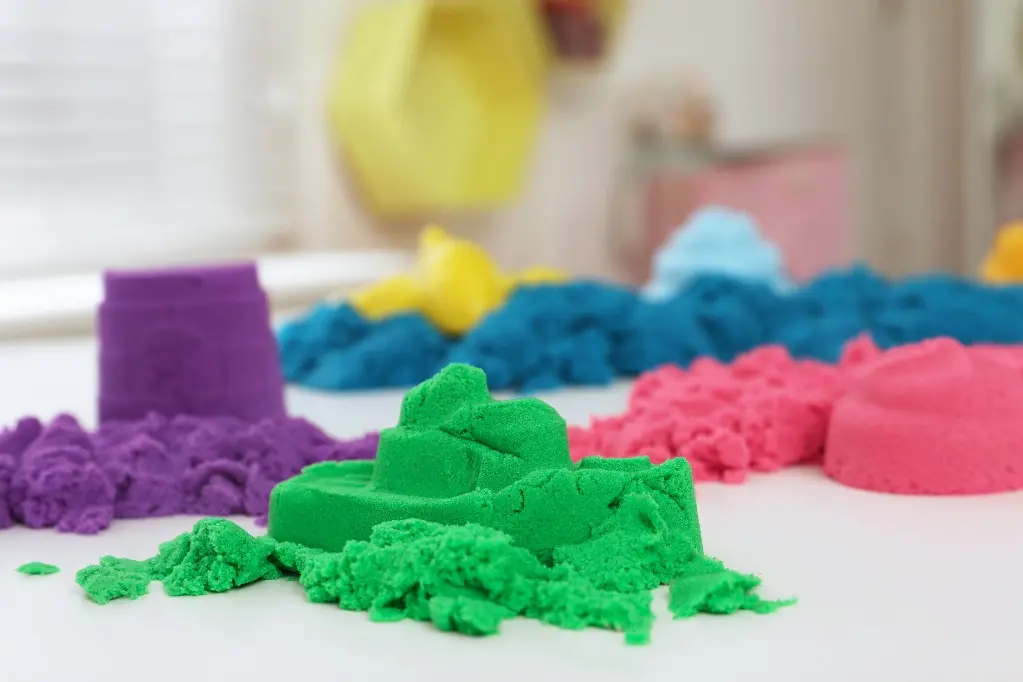
Late last year and in April this year tremolite asbestos was detected in some versions of coloured play sand sold at Kmart and The Warehouse. Disposing of the sand and cleaning up cost schools and early childhood centres tens of thousands of dollars.
While households also shelled out cash for testing, temporary accommodation and clean-up.
Christchurch parents Elle Chrisp and David Dingwall recently won part of their claim in the Disputes Tribunal against Kmart - who were forced to pay them $15,000 for the costs they incurred as a result of buying the sand which their twin children played with.
The couple had also made a claim for ongoing medical monitoring costs as a result of the exposure, which the tribunal did not rule in favour of.
Ian Shaw, who is Emeritus Professor of Toxicology at Canterbury University, told Nine to Noon the news of asbestos in a toy has made people panic that cancer would show up tomorrow.
He said this was unlikely.
"If you get exposed to asbestos it doesn't mean you get cancer the next year, it can be many many years and the results in animals and human exposure studies where people have been exposed in the workplace or whatever has shown that probably it's decades later."
That made it less likely that the cancer would be linked to asbestos exposure since people were more likely to forget they had been exposed, he said.
"So therefore if you had some way of registering people who had been exposed and providing them with the funds or with the wherewithal for free access to a GP or whatever to be checked say every five years just to see if there are any symptoms of asbestosis, lung cancer or mesothelioma, this would then allow treatment to begin very very early on."
These diseases were difficult to treat but could be "warded off" by early treatment which could prolong lives, he said.
"Let's make it the best we possibly can, something's just happened that shouldn't have happened, it wasn't the fault of Kmart initially, they didn't buy the stuff with asbestos in on purpose, but it did contain asbestos and now we've got to deal with that problem.
"I think they way to deal with it is to have a register and some ongoing monitoring."
Medical sources would need to be consulted about how frequently people should be monitored but it would be regular but not very frequent, he said.
"If by some mechanism people should be called to see their GP or reminded to see their GP say every five years or whatever's advised by the medical fraternity and then they go along to see them and the GP would just look for signs and symptoms of asbestosis, mesothelium or other lung cancer."
Australia already had a register for exposure to asbestos, he said.
It was likely that was to monitor anyone who had been exposed to asbestos and treat them as early as possible, as well to provide data to give researchers an idea of what the cancer risk was after exposure to asbestos, he said.

How do asbestos fibres cause cancer?
Shaw said asbestos contained sharp fibres and if they were small enough they could be breathed into the lungs, pierce the lung cells and move through the lungs ending up sticking outside of the lungs.
"On the outside of the lungs there's a membrane that stops the friction when you're breathing in and out and this is called the mesothelium and if that gets poked by the fibres it can initiate a development of cancer and of course on the way through the lungs, lung cancer can be initiated by the fibres going through as well."
In terms of the play sand, it contained what are known as brown asbestos fibres or tremolite and although they were not as sharp as some other types of asbestos, they still carried "quite a great hazard in terms of cancer", he said.
When asbestos was first found in Kmart and some other products a consultancy company which did a risk assessment on its danger and they assessed the risk as being very low, he said.
The company accepted that asbestos caused cancer and another lung disease asbestosis, he said.
"But that's the hazard, but in terms of the risk, you've got to multiple that hazard by the exposure, how much actually gets into the lungs and so on and they said that the exposure was extremely low or zero because the asbestos fibres were very unlikely to become airborne from the sand.
"We now know that isn't the case, we know from the AUT study in fact that they do become airborne - what we don't know is how much of it becomes airborne and the concentration in the air."
So it was impossible to assess the risk, but it did mean the risk was not zero, he said.
You were very unlikely to breath asbestos constantly, with perhaps the exception of in a workplace, he said.
"So these little kids and their mums and dads and teachers, they were playing with the play sand and amounts of asbestos were being airborne in different concentrations in different times, you know if the kids were really messing around with the stuff there'd be more of it in the air. If they're just sort of squashing it into a ball or whatever they do then there'd probably be less of it in the air - we're getting highly variable exposures."
