
PHOTO
Cyber security incidents are becoming more complex, according to the National Cyber Security Centre’s second-quarter report.
Cyber Security Insights focuses on malware and the creative schemes cyber criminals use to access devices.
While the number of reports was little changed from the first quarter of the year, more than 90 needed specialist technical attention — an increase of 20% over the previous quarter.
However, there were no national cyber emergencies reported in the quarter.
The NCSC also raised concern about QR code phishing scams, which recently occurred on the streets of Christchurch.
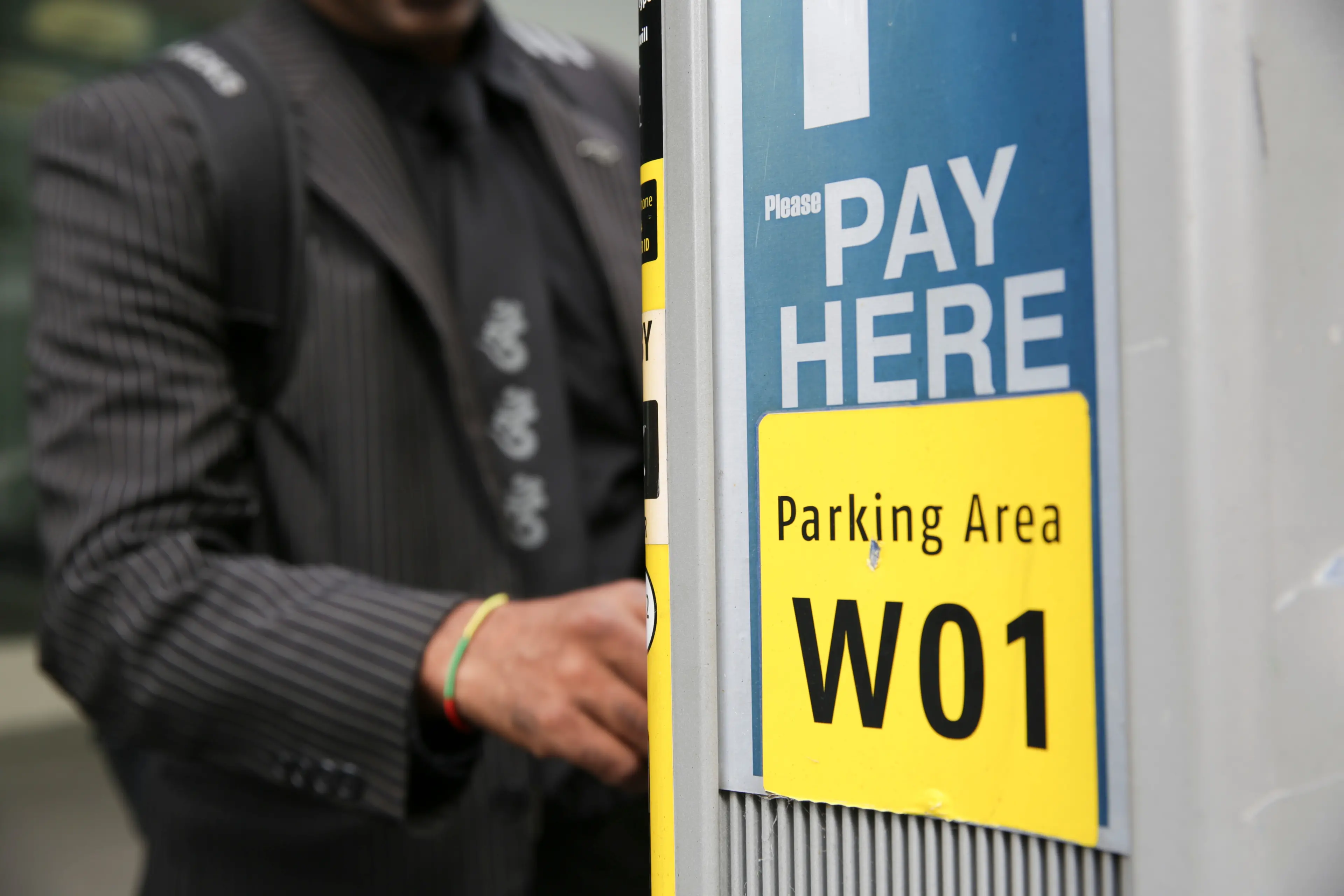
“Reports were made of fraudulent QR codes being attached to public and private parking meters around the Christchurch area,” the NCSC said.
“Once attached to the meters, scammers then vandalised the meter’s screen with permanent marker, deceiving unknowing customers into thinking the QR code was necessary to pay for their parking.”
The QR codes led to a fraudulent website, where customers’ payment details were stolen.
“Christchurch City Council was forced to put out a notification warning customers of the stickers, after parking wardens noticed them on parking meters.”
QR codes were also used in other services designed to steal customer data, including fake NZ Post QR codes.
“Customers may receive an email claiming their parcel cannot be delivered, due to an incorrect address or unpaid customs fees.”
NCSC said consumers should beware when scanning QR codes, particularly when pressure was being applied, such as a deadline to act.
