
PHOTO
The coroner's inquest into the drowning of a Christchurch teacher in Wellington Harbour in 2023 has resumed.
On Monday, the inquest heard from Wellington City Council’s chief operating officer, who is adamant the decision to install balustrades along the waterfront is too highly charged to be made by officials.
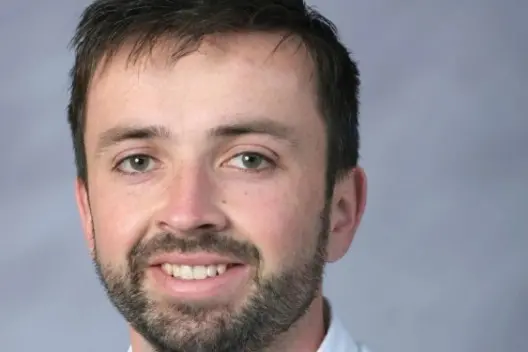
James Roberts made the comments during evidence at the coroner's inquest into the drowning of Christchurch teacher Isaac Levings.
The inquest started earlier this month and resumed on Monday after a break.
Before he drowned in Wellington Harbour in April 2023, the 25-year-old teacher at Christchurch’s Elmwood Normal School was last seen on Queens Wharf after attending The 1975 concert at TSB Arena. Levings taught pupils in years 3 and 4.
His grieving parents said in 2023 he had become separated from his friends after the concert, got lost, and accidentally drowned in the harbour. They said the pain of their youngest son’s death will remain with them for years to come.
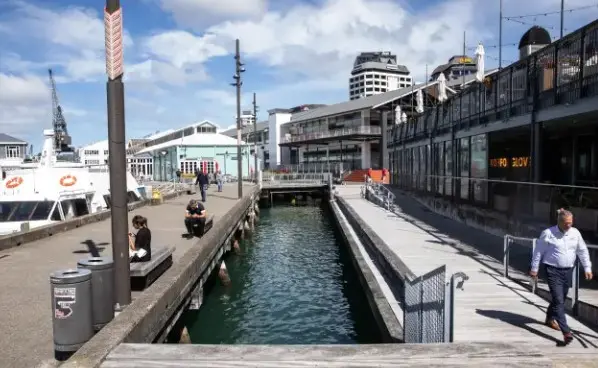
Since 2013, eight people have drowned in the harbour.
Earlier this month, the inquest heard from former Wellington City Council city and parks manager Shane Binnie, who said recommendations from another inquest into the death of Sandy Calkin two years earlier were not acted on.
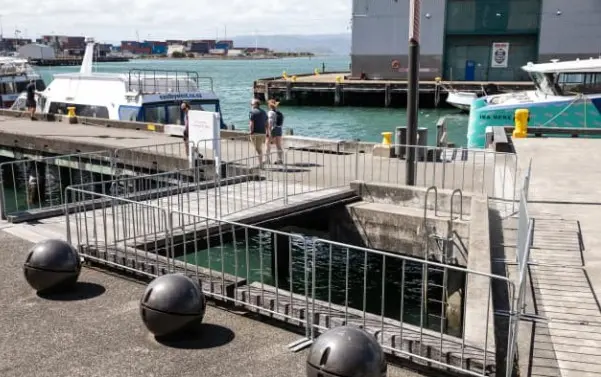
He said while proposals to improve lighting went ahead, protection along the waterfront edge in the form of balustrades, or benches and bollards, did not.
Binnie said in his opinion, the city council’s senior executive refused to accept the safety options being put forward.
Lighting upgrades were undertaken in 2024, but a proposal to erect a waterfront fence was ultimately shot down by council vote on August 7, 2025.
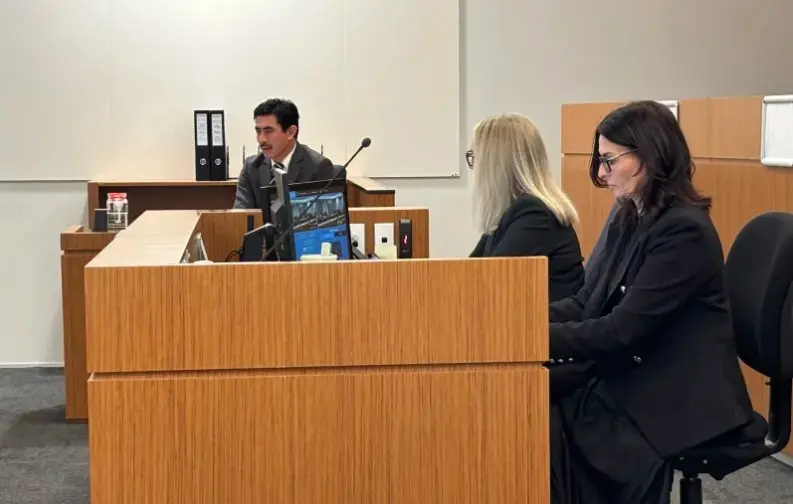
In the Wellington District Court on Monday, Roberts hit back at Binnie's claims and rejected any assertion that waterfront safety was not a council priority.
He said he did not agree with Binnie's assessment that edge protection - balustrades - were an operational matter to be acted on by officials.
Roberts said, even in instances where officers and the executive had the authority to make decisions, "high-profile" or "politically sensitive matters" could be escalated to elected members.
"On this occasion, and in accordance with the relevant delegations, officers were required to put the decision to councillors and abide by the decision that they made. It was not a decision that could have been lawfully made by officers."
'Crass' proposition put to top official
The month after the August 7 vote, counsel assisting the coroner Josh Shaw said elected members requested an assessment of how lighting improvements had mitigated the waterfront risk.
Under questioning from Shaw, Roberts confirmed an analysis was to take place once the project had been completed and pushed back on the implication that, in the meantime, other work on waterfront protection stopped.
In response to further questions, Roberts said the council was yet to figure out how to undertake such an assessment.
"I'm sorry to be crass," Shaw said, "but it's important that I put this proposition to you."
He said one interpretation of the council's actions was: "Let's see if more people die, now that we've improved the lighting - or if that deals with the issue."
That was labelled "a deeply cynical interpretation" by Roberts who said a review of the lighting was "reasonable" given the substantial changes.
He said evaluating whether the lighting was enough would likely require third-party expertise.
Notion that advice was watered-down rejected
On the stand on Monday, Roberts also defended the advice put to councillors about waterfront balustrades ahead of the 7 August vote.
Binnie had previously told the court that he had been sidelined from the waterfront safety work after presenting options for physical barriers.
Shaw put to Roberts that the exclusion of staff perceived to be advocates for barriers, weakened the advice ultimately given to elected members.
"What I'm suggesting is that this focus on neutrality and balance, this removal of anyone who you think might be straying into the territory of advocating for a particular position, it runs the risk of watering down and removing the urgency, the imperative, the need to deal with something that's a 20-year-plus issue to make sure that more people don't die."
Roberts rejected the notion that the advice was watered-down.
"We have to be careful how we construct and provide advice and guidance to council and the processes we follow to get that," he said.
"We have on a number of occasions been subject to judicial review for decisions and the processes related to those decisions made by council."
Roberts said balustrades was the option recommended to councillors, which followed multiple discussions, briefings, workshops and evidence provided to elected members, such as previous coroners' reports into waterfront deaths.
"Ultimately, we got a decision in front of councillors as soon as we could, as thoroughly as we could, with the right information that would be robust and would hold up to a future interrogation.
"And I believe we did emphasise the balustrade option as the recommended one."
Roberts said he acknowledged issues surrounding protection on the waterfront edge were "serious, ongoing and had been the subject of considerable work, debate and difficult decision making".
He said the council had, and would continue, to invest "significant time, resources, and funding" into improving waterfront safety, noting $11.1 million in funding for potential edge protection works had been carried forward to the 26-27 financial year.
He said the work undertaken since the inquest into Calkin's death demonstrated a "genuine commitment" to learning from past incidents and responding to the coroner's recommendations.
Calkin's father Roger Calkin, who was sitting in the inquest on Monday, told RNZ he disagreed with Roberts' assertion and felt a Water Safety New Zealand Drowning Blackspots report was dismissed.
Roger Calkin said the report made it clear that there had been no deaths along Auckland's waterfront since balustrades were installed in the central business district in 2017, while there had been five deaths on Wellington's waterfront.
The report said the difference between the cities was observational but consistent with "edge protection acting as a mitigating factor".
The inquest is expected to end on Tuesday.
-Additional reporting Allied Media