

PHOTO
More than 120 years ago, Professor Alexander Bickerton’s Wainoni Pleasure Gardens drew thousands of visitors with exotic animals, a wooden castle, hot-air balloon ascents, theatrical performances and explosives displays that blasted water 15 metres into the air.
As part of the Christchurch Heritage Festival, a free walking tour at 11am and 1pm on Saturday will explore how eccentric scientist Professor Alexander Bickerton transformed an eastern Christchurch wasteland into an extraordinary pleasure garden.
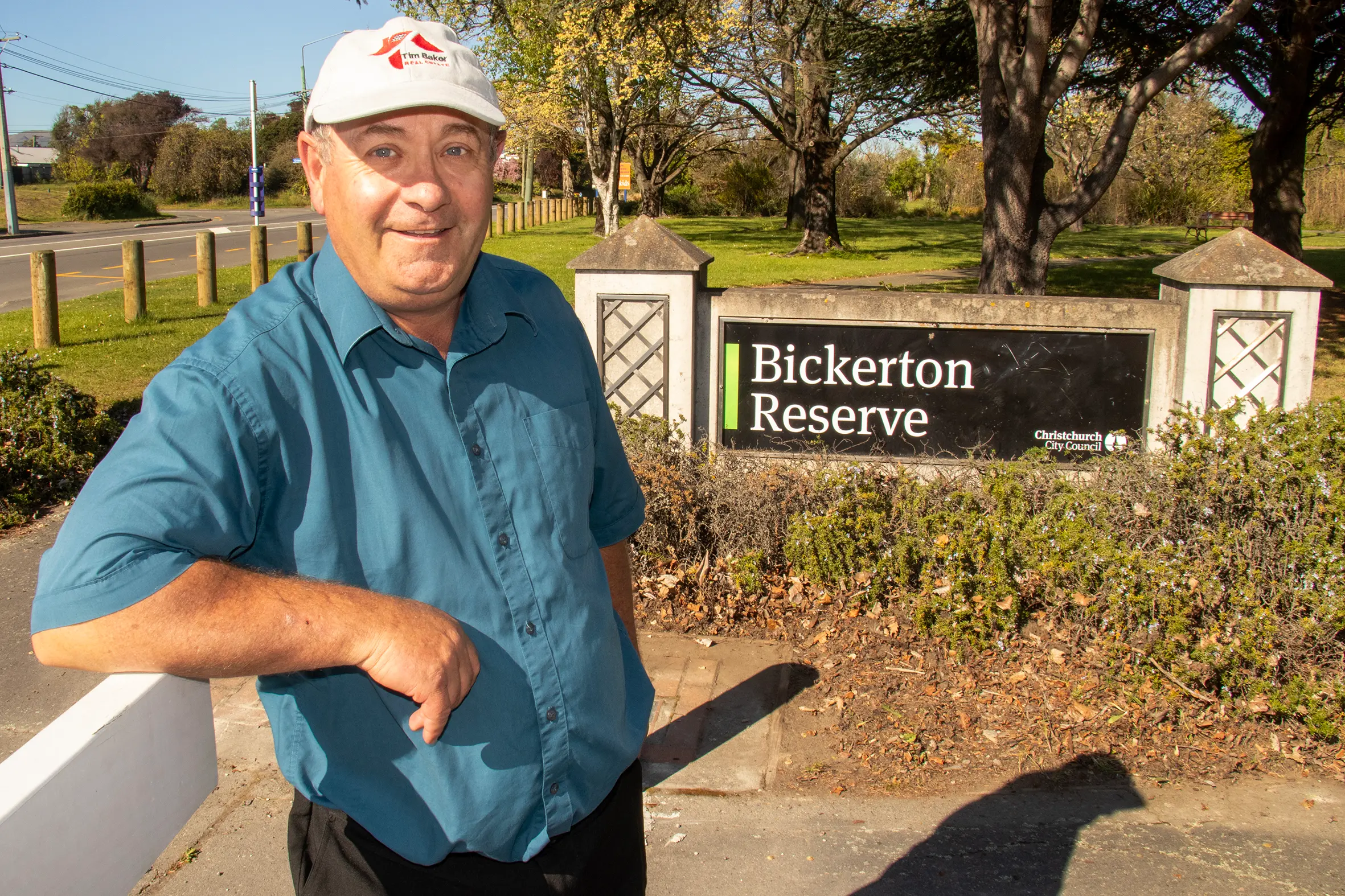
Historian Tim Baker will lead the walks, exploring the life and legacy of Bickerton, who was known for his unconventional scientific theories.
Among Bickerton’s students was Ernest Rutherford, who won the 1908 Nobel Prize in Chemistry for his work on radioactive substances.
Baker said people often underestimated the significance of the east in Christchurch’s history.
“There’s an enormous history for the area,” he said.
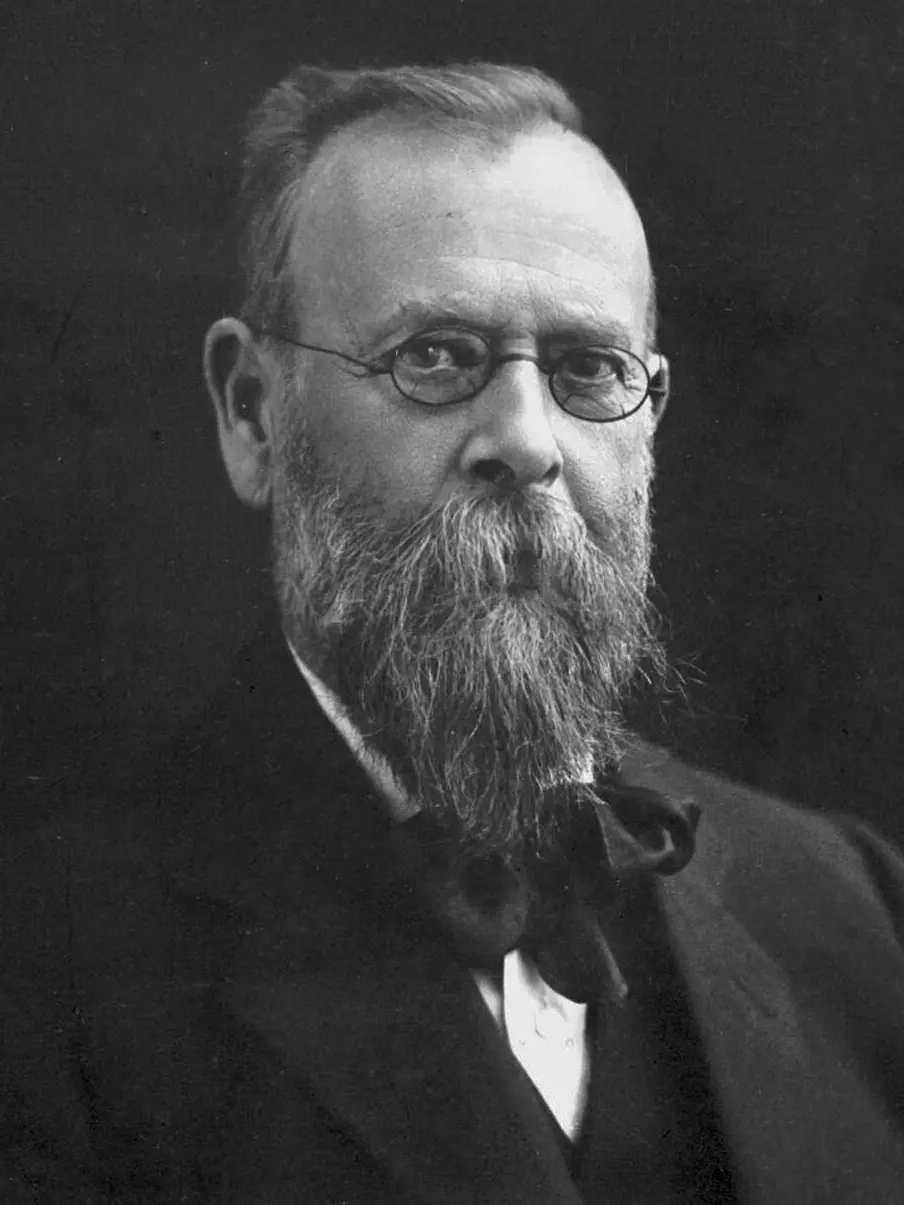
Bickerton arrived from England in 1874, aged 32, to become Canterbury College’s first professor of chemistry.
Christchurch was then a young settlement, just 24 years old, with a population of about 10,000.
A brilliant academic, Bickerton was also fiercely independent and had little patience for the conventions of Victorian society.
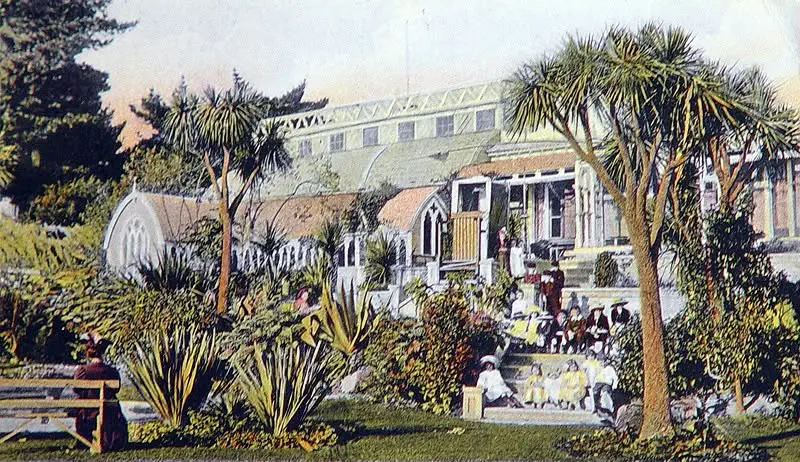
In 1884, he bought 22 acres (8.9ha) of sandy land near New Brighton and built a grand home on the estate he named Wainoni.
Driven by strong socialist beliefs, he developed the property into Wainoni Park and Sanatorium in the early 1900s. It became an unconventional experiment combining science, health, communal living and entertainment.
“Having the commune, he challenged the way we live. So why should 100 women cook on 100 stoves in 100 houses? Why not put that labour together and make it easier?” Baker said.
The estate became a hub for university student parties and social gatherings, and gained a reputation as a “free-love” commune.
Its attractions included a large wooden castle used for mock battles and a circular romantic grotto.
But Bickerton’s unconventional views and clashes with the Canterbury College board of governors ultimately cost him his job.
He was dismissed in 1902 amid concerns about his behaviour, unorthodox teaching and radical views on marriage.
Undeterred, he turned Wainoni into one of the country’s earliest and most unusual theme parks, creating a pleasure garden on a grand scale.
Thousands of visitors travelled by tram to see the private zoo, which housed exotic animals including lions, tigers and bears.
Other attractions included what was billed as Christchurch’s first cinema, a mechanical model of the universe built by Bickerton, hot-air balloon ascents and spectacular fireworks and explosives displays.
Displays on an artificial lake featured staged naval battles using real explosives, as well as dramatic aerial rescues of sailors.
For the grand finale, Bickerton would throw a grenade-like lump of “Splittite”, his own invention, into the lake, sending a 15-metre column of water into the air. He proudly dubbed it the ‘Wainoni Geyser’.
Bickerton returned to England in 1910 and later died there. His ashes were brought back to Christchurch and placed in the wall of the Great Hall at the Arts Centre.
Today, almost nothing remains of the once-famous estate, which extended across land now occupied by Bickerton St.
Baker hopes the heritage walks will encourage more people to discover the stories hidden in the streets they pass every day.
“There’s so much history. People just don’t realise it until they start looking,” he said.
• For information on the free Bickerton St walking tour, see timbaker.kiwi/aranui-and-wainoni-walking-tours
HERITAGE FESTIVAL HIGHLIGHTS
The Christchurch Heritage Festival opens tomorrow, with 11 days of walks, talks, performances and behind-the-scenes access to the city’s past. Running until October 26, the festival features more than 70 events across Christchurch and Banks Peninsula, celebrating the people, places and stories that have shaped the region.
Some key events include:
• St Michael and All Angels Church 175th Anniversary: This prominent central city church is opening its doors allowing visitors to attend dedicated showcase sessions focusing on its stunning stained-glass windows and its expertly restored historic pipe organ.
• Arts Centre Guided Tour: Explore New Zealand’s largest collection of heritage buildings, highlighting historical achievements, scientific discoveries and local characters.
• The Lyttelton Timeball outdoor screening: An outdoor film screening at the Lyttelton Timeball Station.
• Ferrymead Alive: Ferrymead Heritage Park transforms into a living museum featuring active heritage trams, train rides, emergency vehicle displays and a specially designed trail for kids.