
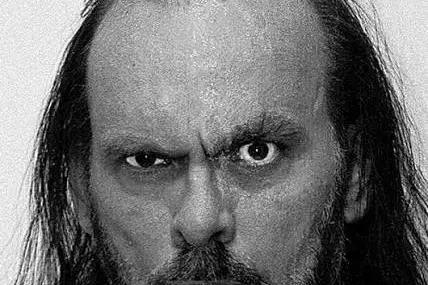
PHOTO
A violent United States pornographer now linked to seven dead or missing women once lived in Canterbury where he posed as an American scientist.
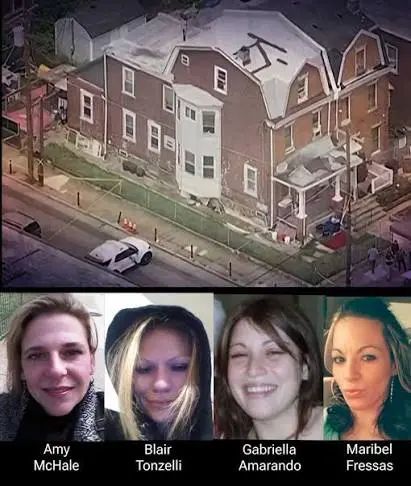
An investigation into the disappearance of the women led police in Philadelphia to explore Raymond "R.C." Horsch's connection to a property, dubbed the “house of horrors”, which was found to be illegally selling human body parts.
The New Zealand Herald has now reported Horsch previously lived in New Zealand under the name Stanley Stokowski.
US police and the FBI are reviewing more than a million photographs, videos and documents recovered from the Philadelphia house once occupied by Horsch and his son, Eugene.
Eugene Horsch is currently in federal custody on firearms and fraudulent credential charges.
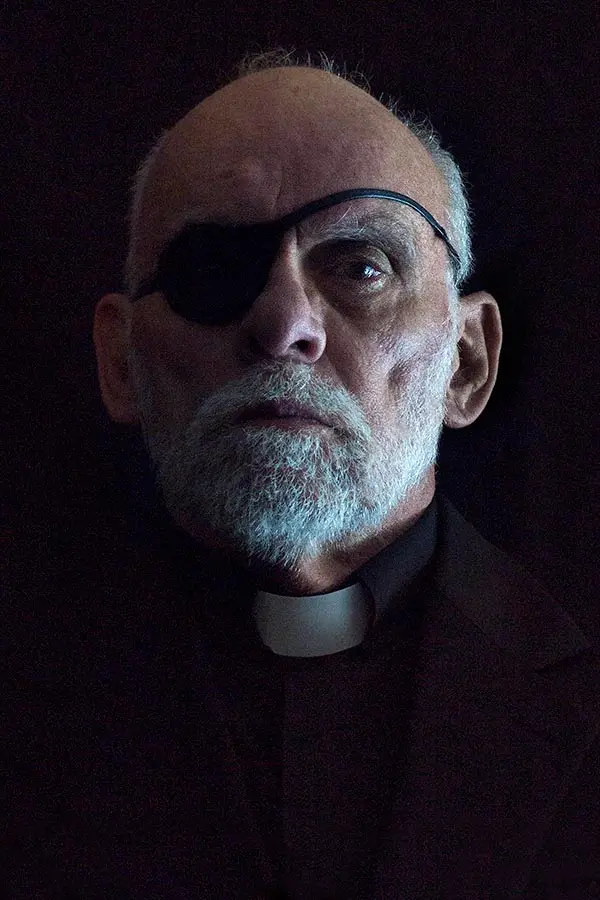
Raymond Horsch died last year, aged 82, of a lung condition. He was an erotic filmmaker who featured violence against women in films that often blurred the lines between reality and fiction.
Among the evidence are videos that investigators say appear to show some of the missing women.
CBS News reported that one allegedly shows Horsch strangling a woman inside the home.
FBI agents and detectives had reviewed about 30% of the material found at the house.
They have identified 58 people in the images and videos. Of those, five women appeared to be dead. A further 10 women identified had died of overdoses.
The Herald reported Horsch lived in the South Canterbury town of Clandeboye, near Timaru, where he helped establish an ethanol plant while posing as an American scientist.
He was known as Stanley Stokowski, an apparent American chemist and computer expert who helped establish the plant before disappearing from New Zealand.
The Press reported in 1984 that Horsch had come to New Zealand to set up Chemical Technology Ltd, which was involved in work on byproducts from milk.
He reportedly travelled to Canterbury in 1980 with his “wife Anna and 18-month-old son” and helped Christchurch lawyer John Rutherford set up the company.
Rutherford was said to have contacted Horsch “after reading American advertisements about new technology”, the Herald reported.
He told The Press that Horsch was a “brilliant and hard-working” man who “trained unskilled men in skills from welding to more complex tasks”.
In March 1984 Horsch returned from a holiday in the US with several passports and came to the attention of police in New Zealand.
He fled the country on March 17 using a different passport, which police believed had been stolen from a Temuka house during a burglary.
New Zealand and US police searched for Horsch at the time. After he disappeared, rumours swirled about his true identity.
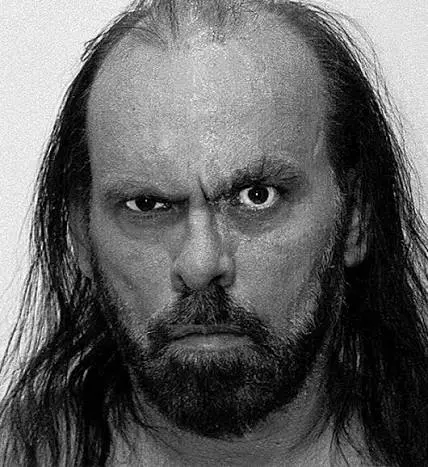
There was speculation that he was a Russian spy, the CIA was looking for him, and he was wanted in the US on drug charges.
Rutherford said at the time Horsch may have been hiding under a bogus identity, but was “a brilliant chap and knew what he was about”.
He believed that ‘Stokowski’ had had some sort of trouble in the United States; perhaps of the scale of being a draft dodger during the Vietnam War, The Press reported.
He maintained that he did not hear from Horsch after he left New Zealand. His business did not suffer as a result of the man’s disappearance.
“As far as I am concerned, it is business as usual,” he said.
-Allied Media