
PHOTO
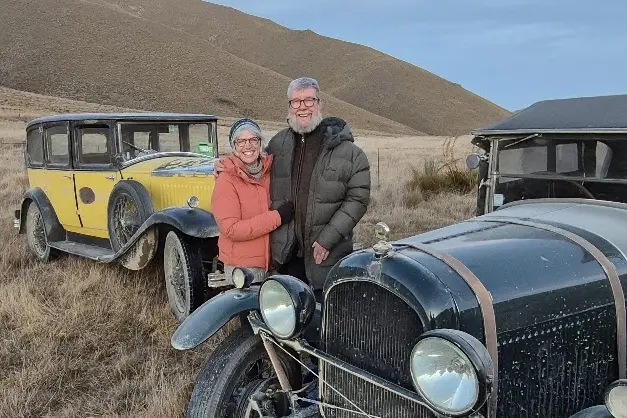
Former Christchurch mayor Garry Moore says physiotherapists gave him the hope to keep going after a stroke in 2024 left him unable to use his left side.
Moore, who was mayor of Christchurch from 1998 to 2007, was 73 when a blood vessel burst in his brain while he was in bed at home. He woke unable to use the left side of his body.
His wife Pam, a nurse, immediately recognised the F.A.S.T. signs of stroke — Face drooping, Arm weakness, Speech difficulties and Take action by calling 111 immediately. She called an ambulance, helping reduce brain damage and improve her husband’s chances of recovery.
Moore spent a month at Burwood Hospital receiving intensive treatment and rehabilitation.
When he left hospital, he was given a score of zero out of five for movement in his affected arm. Physiotherapy continued after he returned home, with exercises designed to help his brain relearn how to move the arm.
“They gave me lots of exercises and I learned that I have to actually reprogramme my brain — which is basically getting it wrong and then relentlessly copying and following specific movements to get it right,” Moore said.
Two years on, Moore estimates his arm function has improved to around three out of five.
One breakthrough stands out. After completing one exercise hundreds of times, he suddenly noticed his thumb moving.
“I said to my wife, ‘Oh look, my thumb’s moving.’ She said, ‘How many times have you done that exercise?’ It was 1910 times before I got any response.”
Moore’s experience is being highlighted by Stroke Aotearoa New Zealand and Physiotherapy New Zealand ahead of World Physiotherapy Day on Tuesday, September 8. This year’s theme focuses on the role of physiotherapy and physical activity in preventing, managing and rehabilitating cardiovascular disease and stroke.
Stroke Aotearoa New Zealand chief executive and Physiotherapy New Zealand board member Jo Lambert said Moore’s experience shows how important physiotherapy can be during stroke recovery.
“Recovery is not a straight line, and for many people it is a long journey of small gains, setbacks and repeated effort. Physiotherapy can help people rebuild movement, strength, balance and confidence, while supporting them to regain as much independence as possible,” she said.
“Garry’s story is a wonderful example of what can happen when someone is given the right rehabilitation exercises and encouragement. That hope is incredibly important after stroke.”
Physiotherapy is not only useful after a stroke. It can also help people address some of the factors that increase their risk of having one.
Stroke is the second leading cause of death and a leading cause of adult disability in Aotearoa New Zealand, with around 9000 strokes occurring every year. Up to 90% of strokes are linked to modifiable risk factors, including high blood pressure and physical inactivity. High blood pressure is the number one modifiable risk factor for stroke.
Physiotherapy New Zealand chief executive Simon Hoar says physical activity should be seen as an important part of stroke prevention.
“Being physically active is one of the most practical things people can do to reduce their risk of stroke. Regular exercise can help manage key risk factors such as high blood pressure, and physiotherapists are well placed to help people find safe, achievable and sustainable ways to build more movement into their lives,” he said.
“We tend to think about physiotherapy as an ambulance at the bottom of the cliff. But physiotherapists also have an important role to play in prevention — helping people understand their individual health risks and build healthy habits that can reduce their risk of stroke and other cardiovascular conditions.”
For Moore, the advice to other stroke survivors comes from personal experience.
“The physiotherapists and fellow stroke victims in the gym have been the people that have given me the hope to actually keep trying.”