PHOTO
The Hekeao Hinds Water Enhancement Trust lodged consent applications at the end of 2022, looking to expand the Managed Aquifer Recharge (MAR) activities that began operating in 2016 aiming to improve groundwater quality and quantity.
An independent commissioner made the decision to grant the necessary consents on behalf of Environment Canterbury (ECan) in April 2025.
Te Rūnanga o Arowhenua appealed the decision in the Environment Court in May 2025, challenging both the legal basis for the consents and the potential environmental and cultural effects of the scheme.
The Environment Court released its ruling on August 24, dismissing the appeal, but requiring revised conditions to be lodged within 20 working days.
The Court ruled that the granting of a use-only consent was lawful, and the water can be used for MAR under the existing Rangitata Diversion Race water take consent, thereby not breaking the Rangitata Water Conservation Order.
The Court ordered the parties, including the Trust, Ngai Tahu, Arowhenua, and ECan, to propose a revised set of conditions for the Court by September 21.
The Trust and Rūnanga both declined to comment on the decision until after the appeal periods.
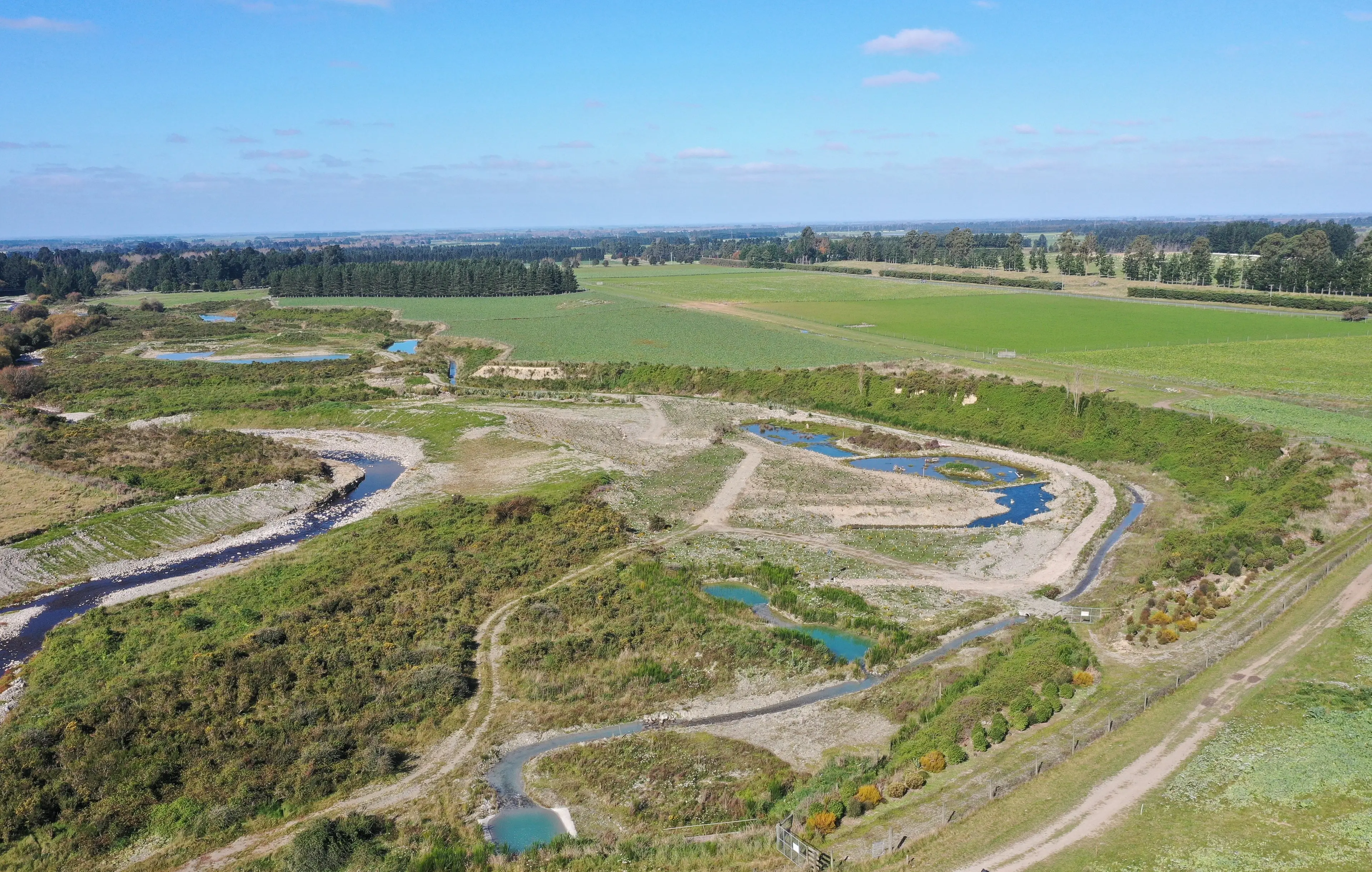
The consent applications are to source water from the Rangitata Diversion Race to operate water aquifer and recharge sites at 37 locations, 15 existing and 22 new sites.
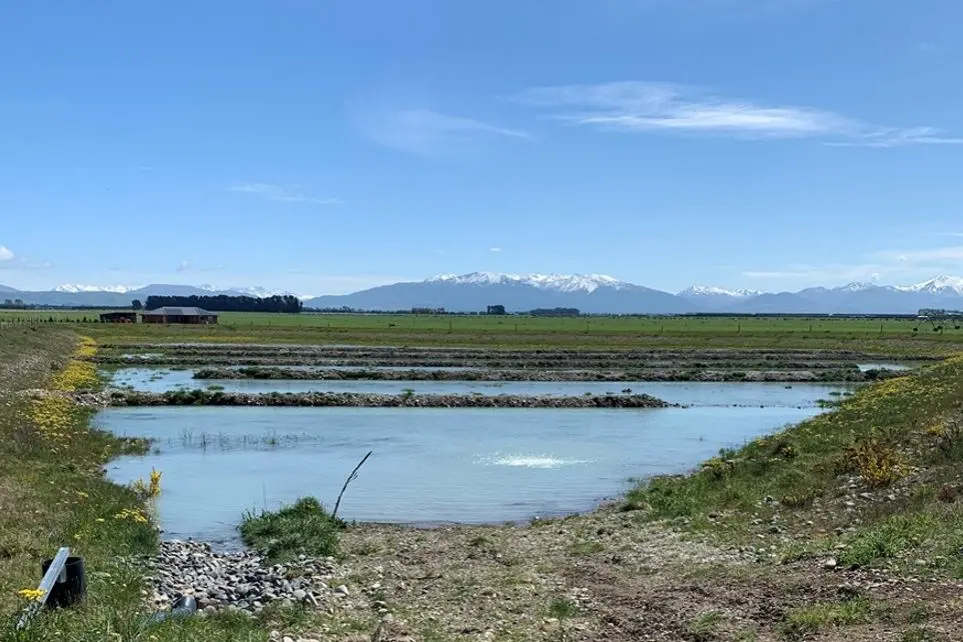
The aquifer sites contain infiltration basins, which act like big leaky ponds that are filled with high-quality water that seeps down and recharges the groundwater.
The near river recharge sites are designed to improve river flows and boost aquatic life.
Arowhenua argued that the Rangitata itself is already under environmental and cultural pressure.
Arowhenua Upoko Tewera King and former chair John Henry both told the court they opposed the notion that it is acceptable to improve water quality in one catchment at the expense of another waterbody, and even more so when the waterbody providing that water is also unwell.
One of their key arguments was that the project required a new consent to take water from the Rangitata River because the existing consent only covered other uses, such as irrigation.
The court found the Canterbury Land and Water Regional Plan provided a pathway for surface water associated with an existing lawful take to be used for MAR.
The Court recognised the cultural objections, but considered that the regional plan had deliberately created a framework under which MAR could be used to achieve water-quality outcomes.
The court considered evidence from the existing trials sufficiently persuasive, but required an adaptive-management approach to assess and manage environmental risks, such as flooding as raising groundwater levels could affect the capacity of land to absorb heavy rainfall.
-LDR is local body journalism co-funded by RNZ and NZ On Air.