PHOTO
Canterbury’s five biggest councils spent a combined $428,000 developing proposals for the major overhaul of local government.
Waimakariri District Council topped the spending at almost $129,000, followed by Selwyn District Council at $116,000. Plans for Christchurch City, Ashburton and Timaru cost between $34,000 and $106,000.
The councils are now waiting to hear whether the amalgamation proposals will be accepted by the Government later this month — and expect the biggest costs are still to come.
Ashburton District Council spent $34,045 developing a Head Start merger proposal, but did not submit one.
Council chief executive Hamish Riach said the funds were spent on two rounds of community engagement and conducting both in-house and external research, but does not include staff time. The cost was covered from existing budgets.
“Council did not put forward a Head Start proposal, and instead submitted a letter of intent,” he said.
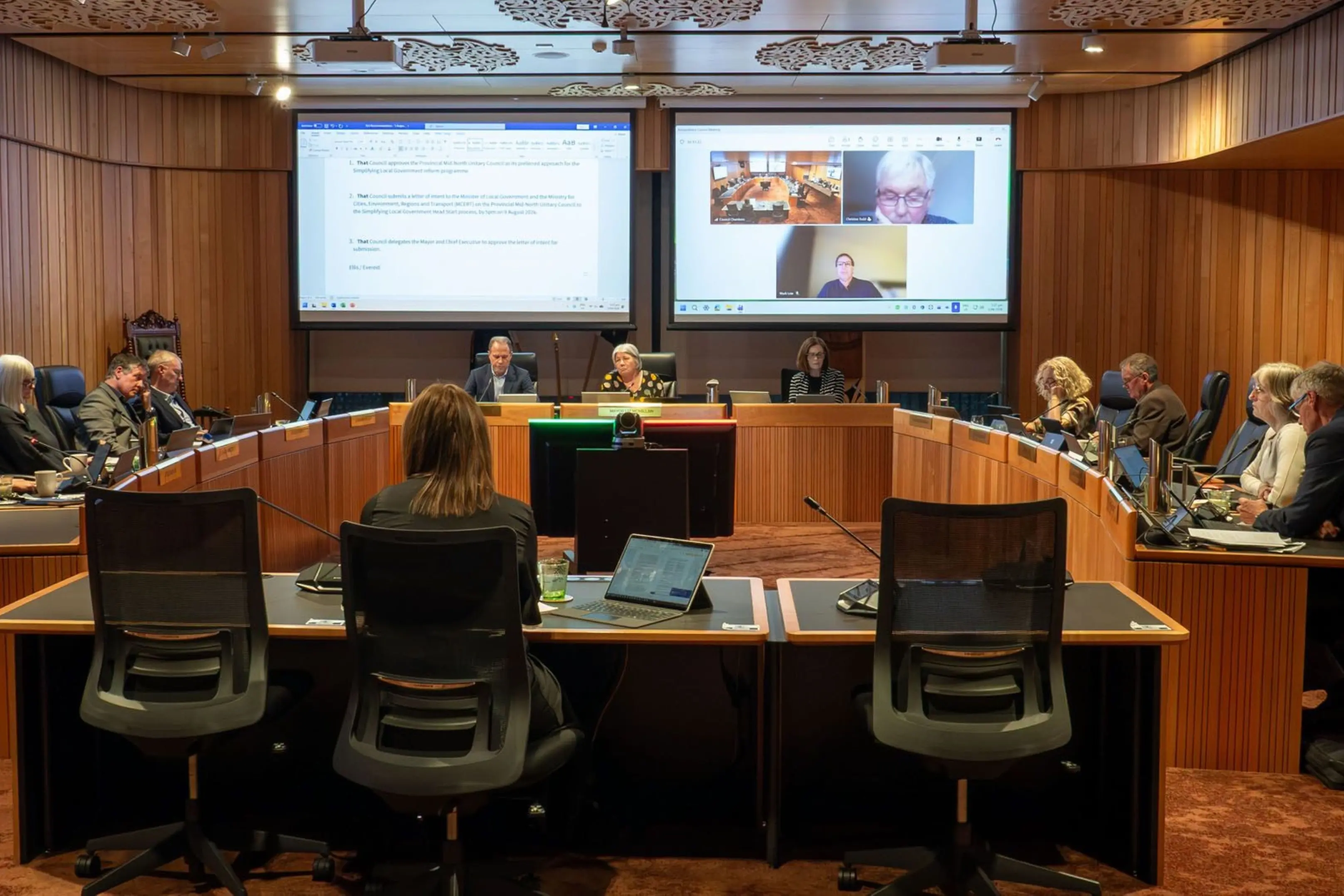
Mayor Liz McMillan said the council spent a fair and proportionate amount of time, energy, and budget on what is the biggest change in local government since 1989.
“The biggest costs are likely to be later down the line, when the mergers actually happen,” McMillan said.
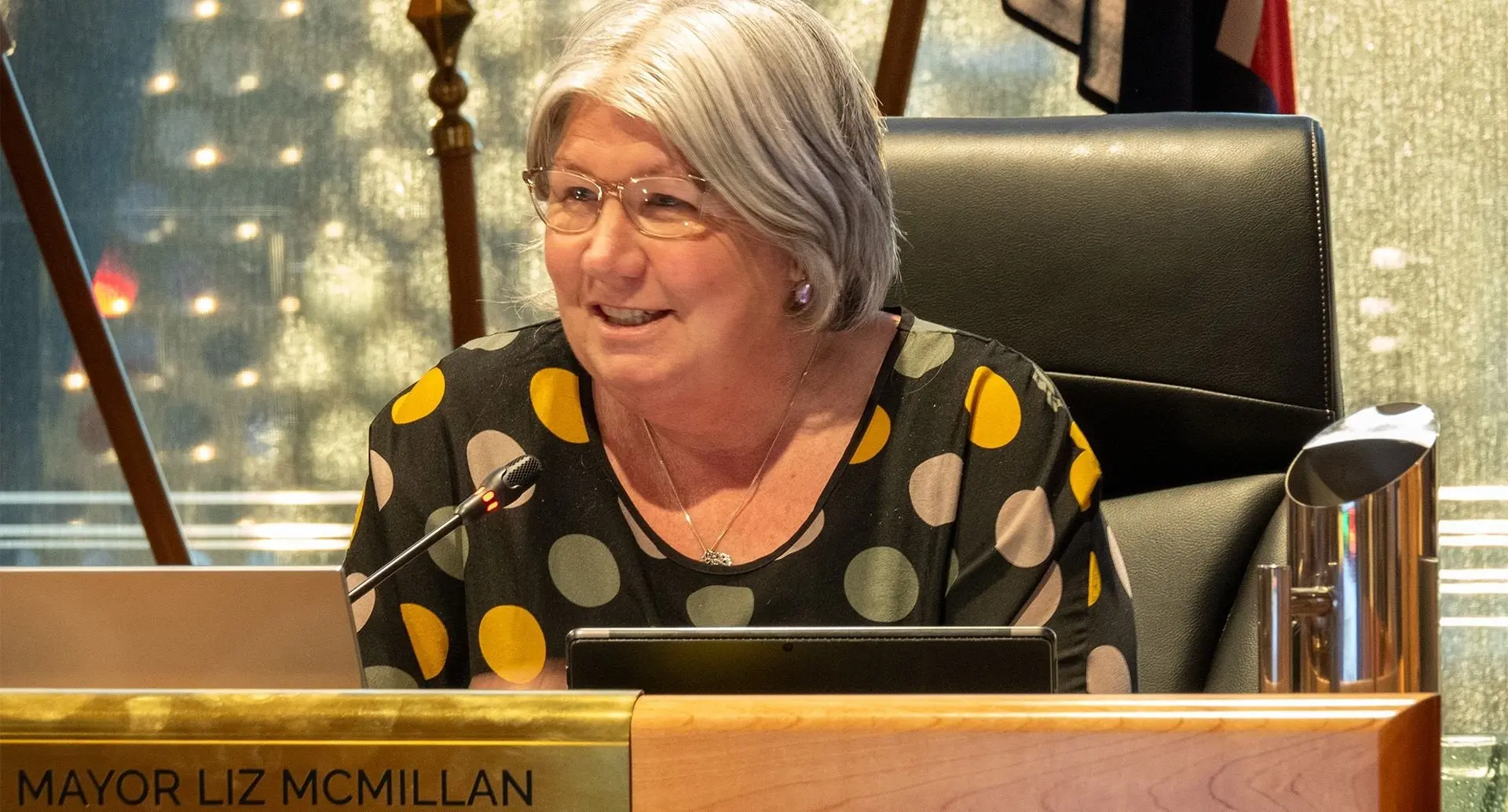
“Ideally, any change from the Government should also come with funding to make the changes, however, it does not look like this will be the case.”
The council used consultants to undertake detailed financial modelling of its shortlisted merger options for $25,452, Riach said.
“A significant amount of staff and councillor time was spent on understanding the reform, community engagement, working with our Canterbury neighbours, and developing options,” he said.
“Much of council’s planned strategy and policy work and momentum went on hold while we responded to this proposed Government reform.”
The work came on top of an already significant amount of central government reform that was already putting pressure on the council, he said.
Christchurch City Council’s proposal to create a standalone unitary cost $44,390 to develop.
Strategy, planning and regulatory services manager John Higgins said the external costs were $29,500 on economic advice and $14,890 on marketing.
It excludes staff and councillor time.
Christchurch’s proposal also included a request to the government to assist affected councils with the transition costs.
This was to ensure the costs “do not place unreasonable pressure on rates, debt, infrastructure investment, or our credit position”.
Higgins’ report to the council’s decision-making meeting on August 4 stated the council expects the costs of any regional local government reorganisation to be significant.
Selwyn District Council spent $116,282 developing a proposal to become a standalone unitary.
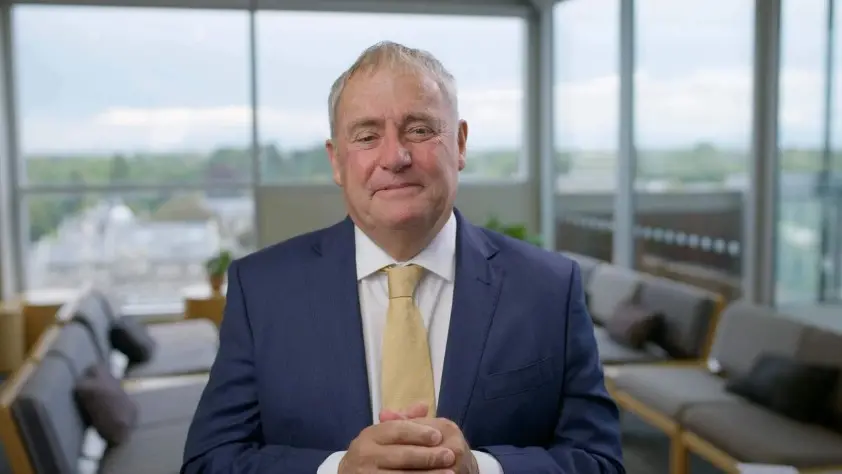
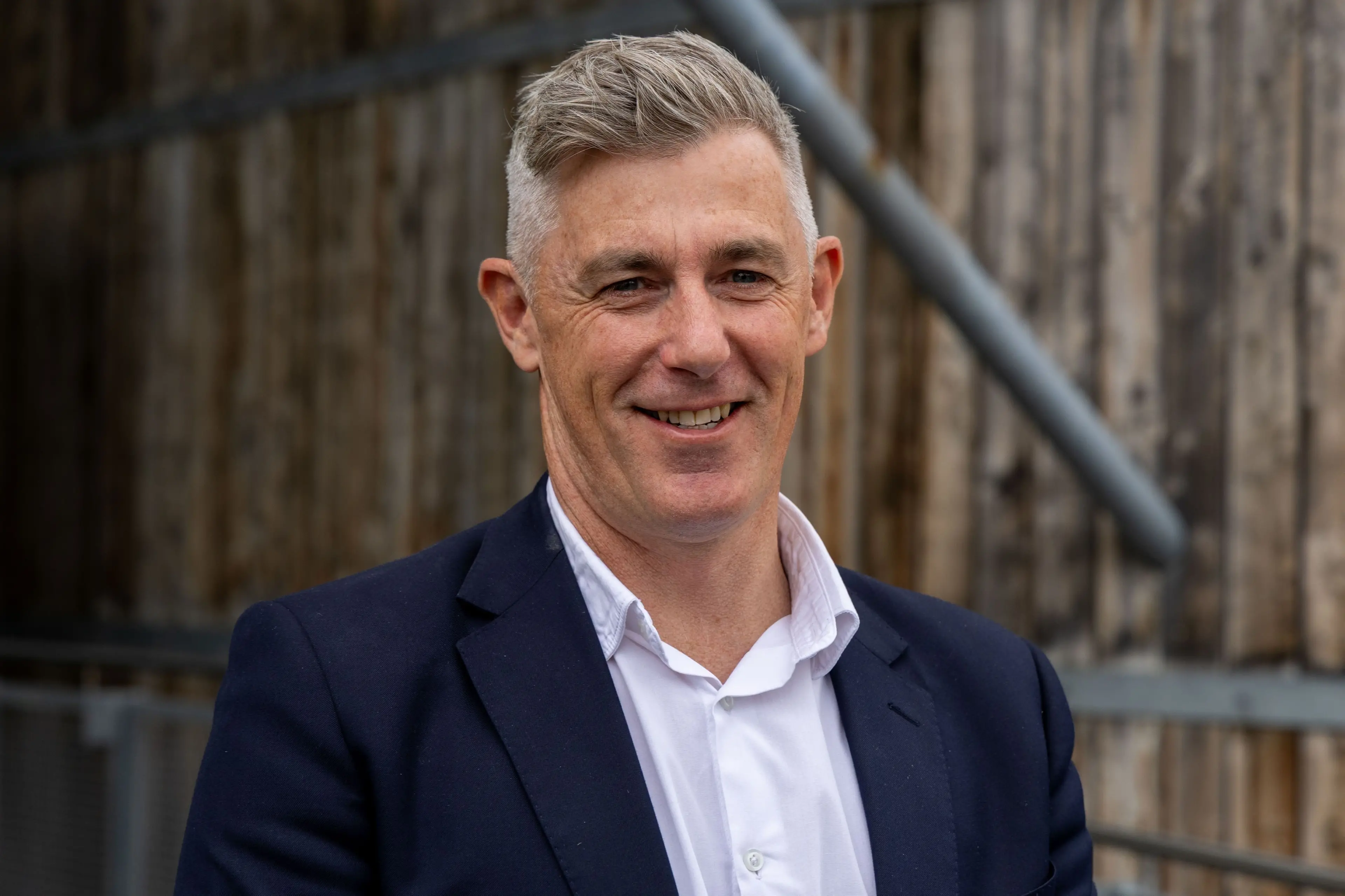
Council chief executive Steve Gibling said it required a substantial commitment of councillor and staff time over several months, which was immeasurable.
The council brought in “additional fixed-term contractors” to provide support for financial analysis and public feedback.
He said $78,000 was spent on consultants, while an in-house marketing and advertising campaign, including two community surveys, cost $38,282, all managed within existing budgets.
“We had a number of (strategy and policy) vacancies that provided the capacity to fund the extra resource needed.”
The communications campaigns were prioritised over other less critical work, Gibling said.
Mayor Lydia Gliddon said it was a necessary investment, reinforcing “it’s important Selwyn was at the table, and that we centre the community’s voice in this decision”.
“It would have been poor value for ratepayers if we hadn’t asked their views and presented them with as much information as we could.”
She said she was concerned at the substantial cost of the reform process, including “a large number of unknowns that will influence the cost”.
This included the final Canterbury unitary structure and model for regional functions, new planning legislation, and impact of rate capping.
Timaru District Council spent $106,688 developing a Head Start proposal, it revealed in an Official Information Act response.
It submitted on a proposal to merge Timaru, Mackenzie, Waimate, Waitaki, and Ashburton into one unitary council.
Timaru spent $100,025 on consultants, including for project support, proposal development and financial analysis.
The remaining $6600 was “related to consultation and engagement activities, and publication costs”.
“The expenditure was met through reallocations from existing operational budgets,” the response stated.
Timaru worked on a “collective proposal involving participating councils” and has not invoiced any other councils for shared costs so far.
Waimakariri District Council spent $128,974 developing a proposal to amalgamate with the Hurunui District.
The figure is three times more Christchurch City Council’s bill.
It included engaging consultants Ernst & Young to provide specialist support in developing the North Canterbury Council outline proposal, excludes staff and councillor time, and was accommodated within existing budgets.
Chief executive Jeff Millward said most of the cost was associated with detailed economic, financial and governance modelling undertaken by Ernst & Young.
“They provided specialist expertise, and had experience with the Auckland Super City merger, that our council does not hold internally.
“It is difficult to make a direct comparison with other councils when looking at costs because we all undertook different scopes of work.”
Minister responds to cost concerns
Local Government Minister Simon Watts told Local Democracy Reporting the Head Start process was a voluntary process.
“Central Government did not dictate what was an appropriate level to spend — this was up to councils to determine,” he said.
“The Government has not made decisions on funding for the wider reorganisation process that will follow head start.”
He added that the new unitary authorities will provide “cost savings from greater economies of scale and reduced duplication”.