PHOTO
Scientific trials haven’t cleared up how to rid a Canterbury lake of its algae issues.
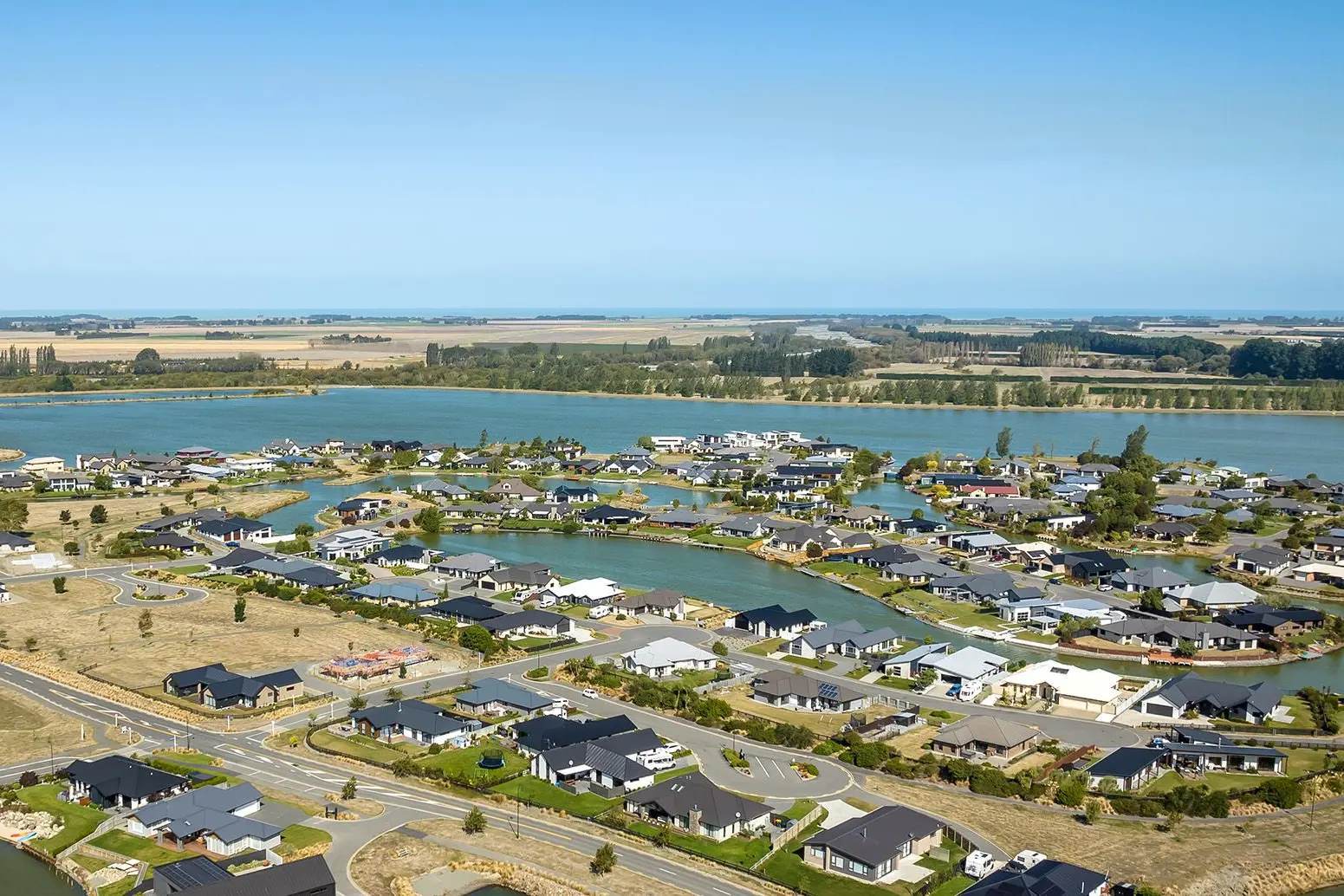
Algal bloom health warnings have been in place at Lake Hood, south of Ashburton, for four consecutive summers.
Ashburton District Council collaborated with cyanobacteria expert Professor Susie Wood and students from Lincoln University to test chemical, biological, and sonic treatments to control toxic cyanobacteria (blue-green algae) blooms at the lake.
Legal and democracy group manager Tania Paddock said Professor Wood provided an update on the three-month scientific study to the council in a public excluded session in June.
“The Lake Hood research study provided some observations, but was unfortunately relatively inconclusive due to the lack of algal bloom in the canal area where the trial was situated, Paddock said.
Six modified shipping containers were placed in a canal to act as isolated test pods for five products, and sonic devices were also placed in the lake over a three-month period.
“Due to the inconclusive trials, unfortunately there are no formal findings to support the use of these products as short-term solutions at this stage.
“We will continue managing the impact of algal blooms by managing lake flows, lake volume, and weed harvesting.”
Work is continuing on the hydrodynamic modelling, analysing water circulation, flows, and nutrient loads as part of the wider PhD study, and will be completed by the end of 2026, she said.
The research will still help guide the next steps for Lake Hood, which will be considered in the council’s long-term plan discussions.
“Work being undertaken by Professor Wood and the Lincoln University students will feed into staff recommendations for long term strategic planning, investigations, consenting and physical works for Lake Hood.
“Funding mechanisms for all activities, including Lake Hood, are currently under review with council working through its revenue and financing policy as part of its long-term plan 2027-37 process.”
Key consents for the lake are due to expire by 2031, and the council is aware preparation will need to begin well in advance in an increasingly constrained regulatory environment.
Paddock confirmed the council have now hired a Lake Hood operations manager, who will oversee the lake's maintenance, water quality, and upcoming regulatory requirements.
“We appointed a qualified, experienced, and local person to the role this month.
“They start work in October, and they will be introduced to council once they have started.”
Lake Hood's winter maintenance programme took place from July into August.
Contractors lowered the lake level to work on boat ramps, deepening the channel at the southern end of the water ski area to improve water flow, checking the outlet valve and the spillway, and removing debris from the lake.
“Debris included any foreign objects that might have fallen or windblown into the lake.
“People will also notice that a significant amount of weed around the edges of the lake died off during the lowering of the water level and that helps with weed management.
“The weed harvester is used during the warmer seasons to keep the weed levels down and away from the surface of the lake where it can impact lake users.”
Around 3000 grass carp were introduced to Lake Hood in 2004 as a biological method to control the excessive aquatic weeds.
Paddock said there is no current estimate of their numbers and the lowered water level shouldn't have impacted the carp.
In 2024, a presentation from the Lake Hood Water Quality Taskforce noted many have outlived their lifespan.