PHOTO
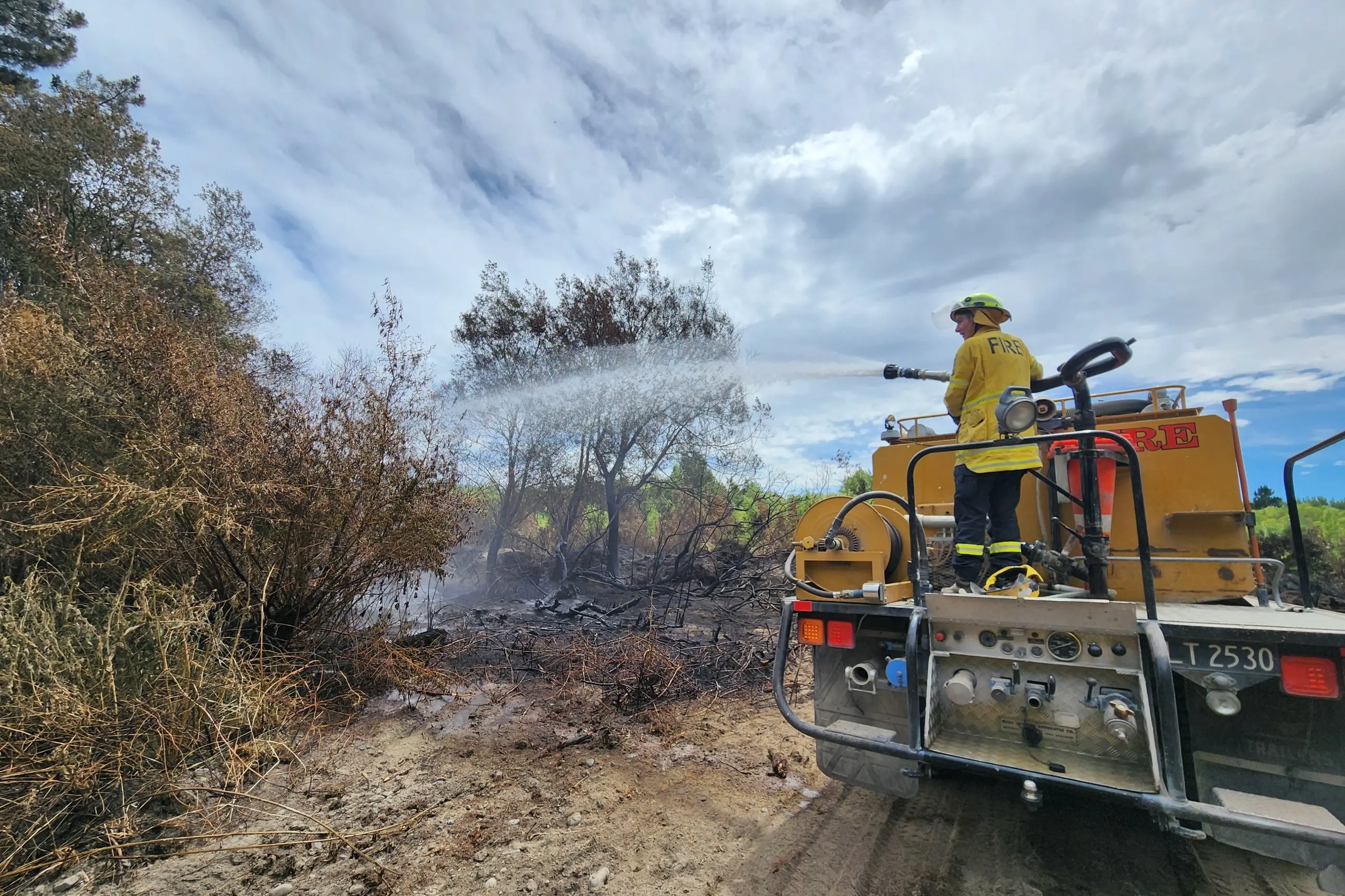
Canterbury’s regional council is preparing for the risk of wildfires this summer.
Environment Canterbury regional parks team leader Karen Elliott says staff have spent the past 12 months gearing up for a potentially challenging fire season across Canterbury's regional parks, river corridors and forestry areas.
An El Niño weather pattern is expected to bring dry conditions, increasing fire risk across region.
According to Earth Sciences New Zealand, El Niño is strengthening rapidly and has a good chance of becoming the strongest on record.
Wildfires are a real risk to regional parks because dry vegetation and recreational activity can increase the likelihood and potential impact of a fire, Ms Elliott says.
‘‘Past fires have shown how quickly they can spread in hot, dry and windy conditions, putting people, property and natural areas at risk.
‘‘Our teams have been reviewing how we manage our land, bringing planned work forward and clearing or managing vegetation that could become fuel for a fire as conditions dry out.’
‘‘Fire preparedness doesn’t start when we get the first really hot week of summer,’’ she says.
‘‘A lot of what gives us the best chance of preventing fires and responding well if they do happen is the work we’re doing months beforehand.’’
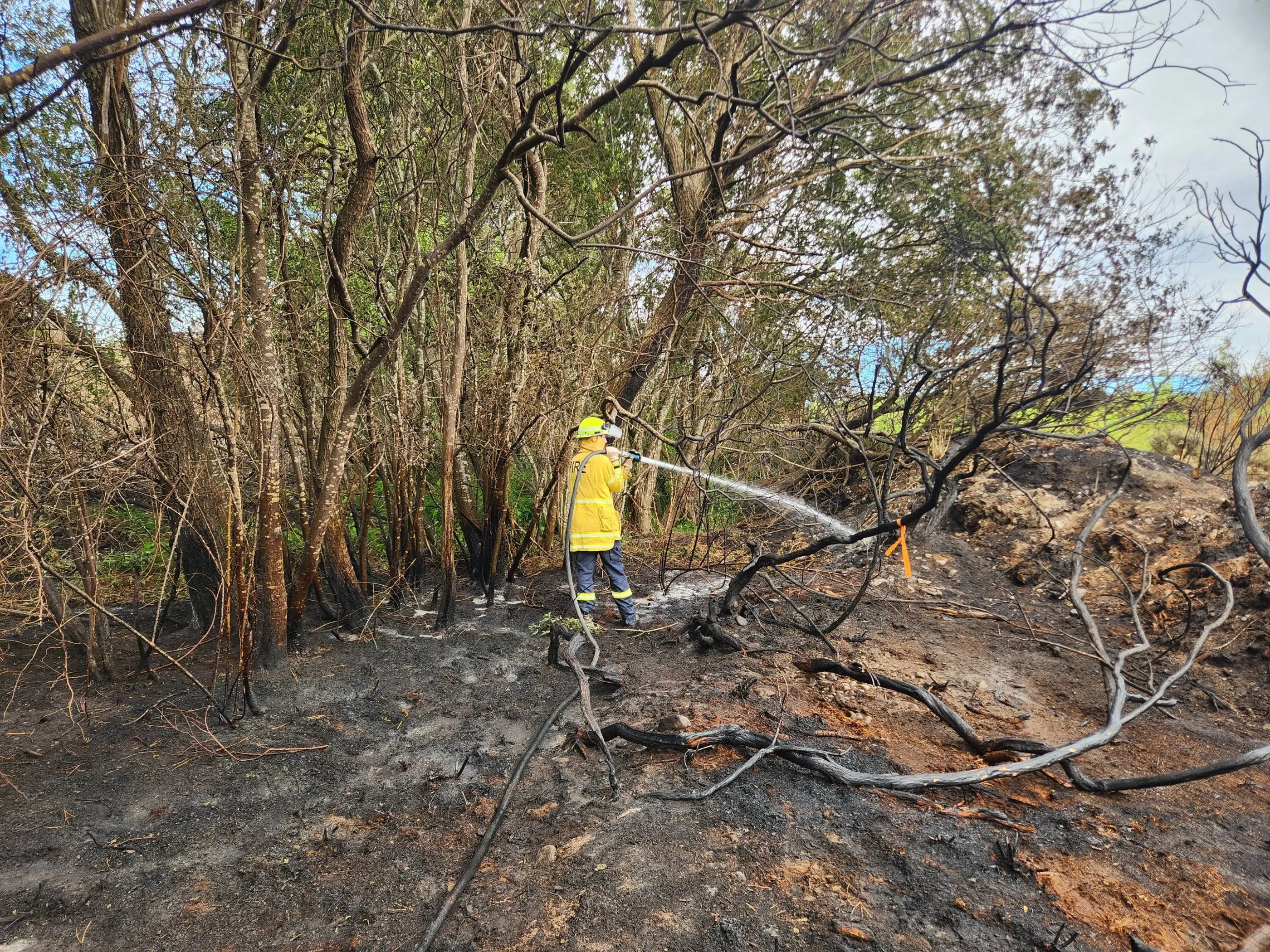
Preparation work includes more frequent mowing and vegetation clearance, establishing firebreaks in forestry areas, and extra maintenance around Kaiapoi Island to help reduce fire risk.
ECan’s rivers and regional parks teams are working together to create firebreaks alongside other planned maintenance work, making use of machinery already operating in those areas.
‘‘The benefit of planning early is that we can reduce fire risk as part of work we’re already doing,’’ Ms Elliott says.
ECan staff work closely with Fire and Emergency New Zealand, she says.
‘‘As conditions become drier over the summer months, fire weather information will be used to guide how work is carried out across regional parks and forestry areas.
‘‘As fire danger rises, activities that could create heat or sparks can be restricted or stopped.
‘‘That can include chainsaw use, machinery operations, and some trail-bike activity. In particularly high-risk conditions, areas may also be temporarily closed to the public.’’
Everyone has a role to play in preventing fires, Ms Elliott says.
A few simple actions can help keep people, property and the environment safe, including:
• checking current fire restrictions before heading out
• avoiding driving or parking on long, dry grass
• taking extra care with vehicles or equipment that could create heat or sparks
• following any closures, restrictions or signage
• reporting smoke or fire immediately by calling 111.
If you’re planning an outdoor fire, check out checkitsalright.nz first to find out what restrictions apply and whether a permit is required.
‘‘We're not asking people to be worried, but we are asking them to be prepared,’’ Ms Elliott says.
‘‘The steps we take now, both as an organisation and as a community, can make a real difference during the summer months.’’