
PHOTO
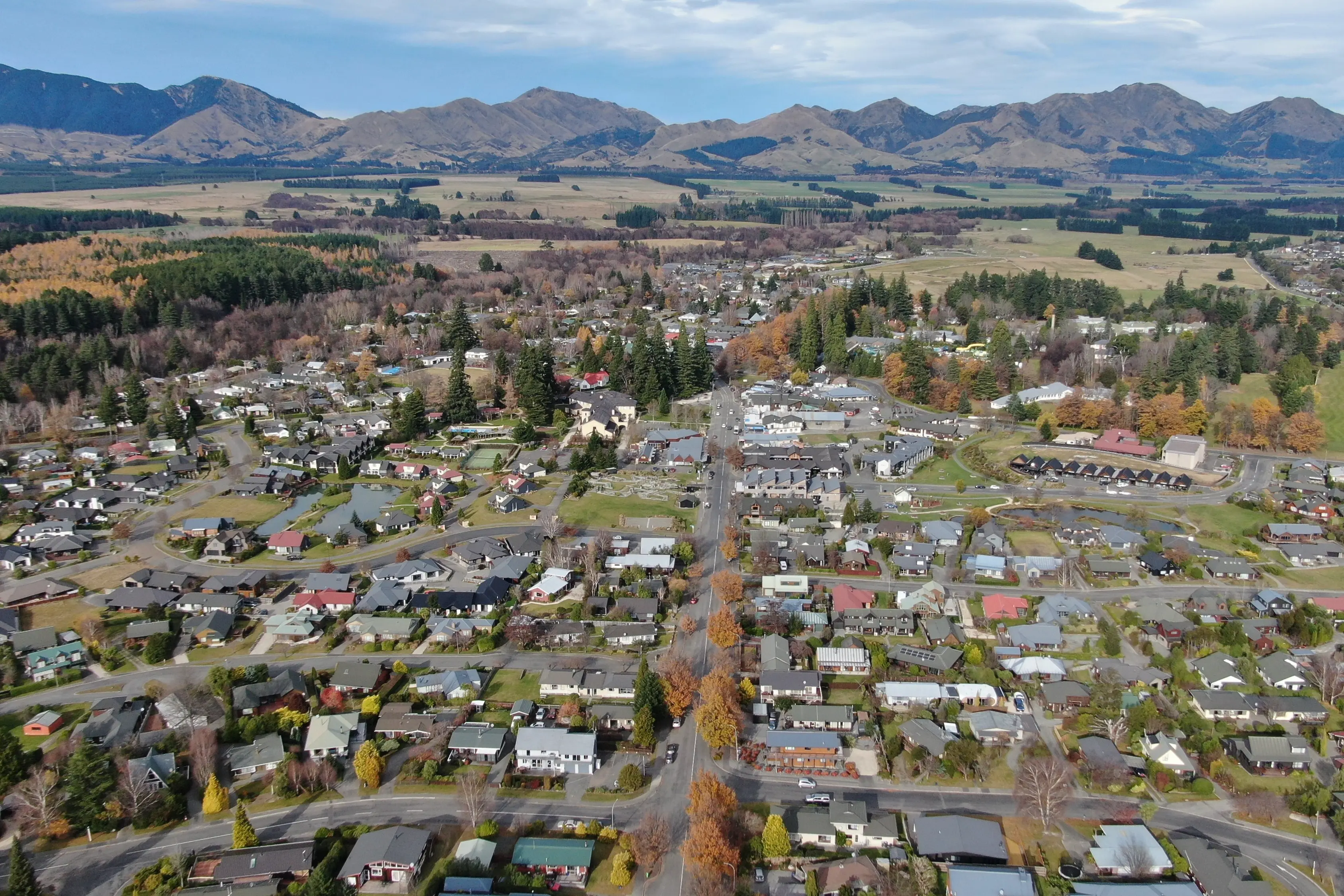
“Be prepared” is the message for Hanmer Springs residents as the Canterbury region braces itself for a hot, dry summer.
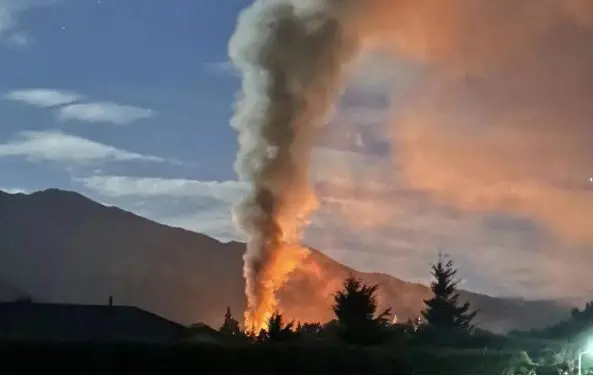
A predicted El Niño summer is expected to bring long dry periods and hot summer days, heightening fire risk and could leave Hanmer Springs residents and farmers isolated.
According to Earth Sciences New Zealand, El Niño is strengthening rapidly and has a good chance of becoming the strongest on record.
Speaking at a Hanmer Springs Community Board meeting on Monday, Fire and Emergency New Zealand (FENZ) representatives Bruce Janes and Mitch Jeffrey advised residents needed to be aware of the risks and to “have a grab bag ready”.
Hanmer Springs is no stranger to being isolated, as fires, extreme winds and heavy rain have hit the community in recent years.
“You guys are quite well prepared,” Mr Jeffrey said.
“We don’t want to scaremonger, but we haven’t had a big fire season since 2015, so it’s a matter of being prepared.”
“Hot fire days” will trigger public messaging and a tactical response, Mr Jeffrey said.
But there was a risk fire crews could be stretched across the region, Mr Janes added.
“Figures crossed, it will just be a long, hot summer.
“Be prepared to help yourselves, because if we do get a big fire season, resources will be stretched locally and nationally.
“Have a grab bag ready to go and an evacuation plan in place.”
Hurunui Mayor Marie Black said most farmers kept up to date with weather forecasts.
“But it changes so quickly.”
Environment Canterbury has spent the past 12 months gearing up for a potentially challenging fire season across its regional parks, river corridors and forestry areas.
The council’s regional parks team leader Karen Elliott said wildfires were a risk to regional parks because dry vegetation and recreational activity can increase the likelihood and potential impact of a fire.
‘‘Past fires have shown how quickly they can spread in hot, dry and windy conditions, putting people, property and natural areas at risk.
‘‘Our teams have been reviewing how we manage our land, bringing planned work forward and clearing or managing vegetation that could become fuel for a fire as conditions dry out.
‘‘Fire preparedness doesn’t start when we get the first really hot week of summer. A lot of what gives us the best chance of preventing fires and responding well if they do happen is the work we’re doing months beforehand.”
DairyNZ modelling suggests a very strong El Niño could drive up farm working expenses and it urged farmers to prepare for tighter margins and potential feed shortages.
DairyNZ head of economics Mark Storey said farmers are now facing the prospect of weather-related challenges on top of existing cost pressures.
“Three months ago, our focus was on the Strait of Hormuz and the impact of higher fuel, fertiliser and feed costs on farm.
“We now need to consider what the weather could mean for pasture growth and feed supply on farm.”
■ LDR is local body journalism co-funded by RNZ and NZ On Air.