
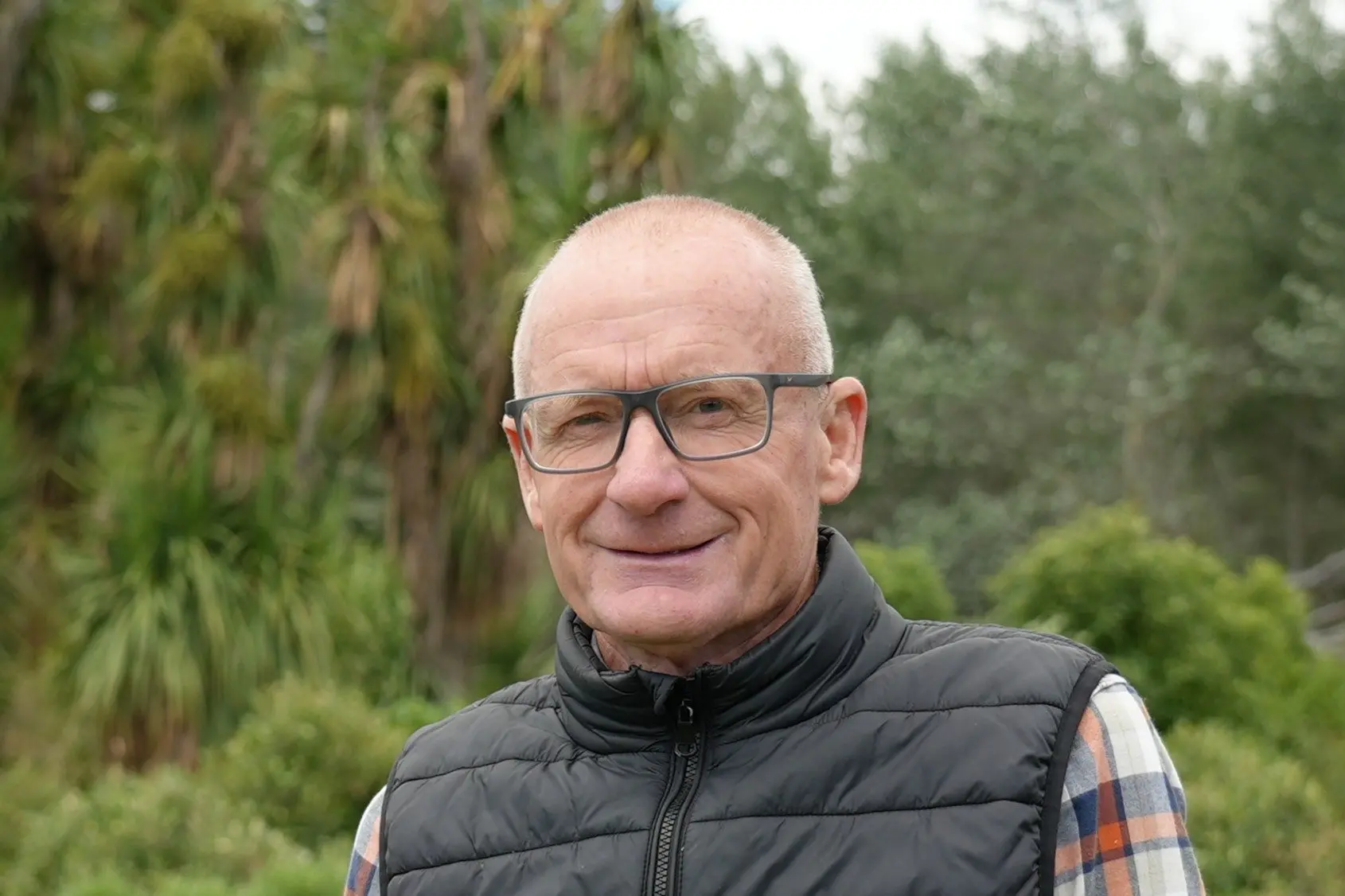
PHOTO
The views and opinions expressed in this article are those of regional councillor John Faulkner and do not necessarily reflect the views, policies, or positions of Canterbury Regional Council (Environment Canterbury).
Over my lifetime, I have had the privilege of building trusted friendships with Māori while also living the life of a Canterbury farmer.
Those experiences have never felt incompatible. In many respects they have reinforced one another.
Through farming and my years with the Hurunui–Waiau Zone Committee, I came to appreciate that Māori and farmers often begin from similar values.
We may express them differently, but we both understand stewardship, the responsibility to leave the land and water in better condition for those who follow, and the importance of relationships built over time.
That is why I have been reflecting on the Government’s decision about Mana Whakahono ā Rohe.
The Government has every right to redesign New Zealand’s planning framework, it has confirmed that Mana Whakahono a Rohe will be replaced by a new planning framework of Iwi Participation Agreements integrated into the replacement resource management legislation.
The next step is to understand how those agreements will operate in practice.
These are not questions about the Government policy direction, they are questions about implementation - good reform is measured by the confidence people have in how those decisions will work in practice.
This article is not about revisiting the decision to remove Mana Whakahono ā Rohe.
It is about understanding how the new system will achieve the same objective—building enduring, practical relationships between iwi and local government while giving effect to continuing Treaty settlement obligations.
Throughout my life I have tried to build relationships with Māori at a practical, on-the-ground level. I also know many Māori who have been doing the same.
Those relationships have never depended solely on legislation, but legislation can either support them or make them harder to establish.
Good reform should replace certainty with certainty.
If Canterbury is governed by one, two or three unitary authorities, where will those enduring relationships sit?
Will existing agreements transfer, be replaced, or be renegotiated?
How will the new agreements interact with the existing relationship agreements such as Environment Canterbury’s Tuia Agreement?
Where one statutory mechanism is removed, those who will work within the new system should understand what takes its place.
Local authorities, iwi, communities and consent applicants all benefit from clarity. The stronger the replacement framework, the greater the confidence that relationships can continue to mature rather than having to be rebuilt.
History tells us that the most difficult part of reform is often not deciding what to remove. It is ensuring that what replaces it is equally capable of delivering the intended outcome.
For me, that outcome has never been about a particular statutory provision.
It has always been about relationships. How do we create a practical framework that enables Māori, local government, landowners and communities to work together with confidence and mutual respect?
How do we honour enduring Treaty settlement obligations while providing certainty for those making decisions on behalf of their communities?
How do we build relationships that outlast institutions? Those are the questions that matter now. Perhaps they are also the opportunity.
If this reform can answer those questions well, it has the potential not only to simplify the planning system but to strengthen the relationships that underpin it.
Institutions will change.
Relationships are the legacy.
Mana is the aim.