
PHOTO
Daylight saving means being able to work outside in the evenings, giving you a chance to get on with sowing and planting tasks that dominate the garden in October.
At the same time, as flowers die on daffodils and other spring bulbs, deadheading is a worthwhile exercise during an evening potter, as the plants then put energy into next year’s flowers rather than trying to produce seed.
Don’t be tempted to cut off the leaves, as they are keeping the bulbs’ strength up.
Sprinkling a tall wildflower mixture around spring bulbs will hide the leaves and in the case of daffodils, help protect them from narcissus fly, which lay their eggs in November.
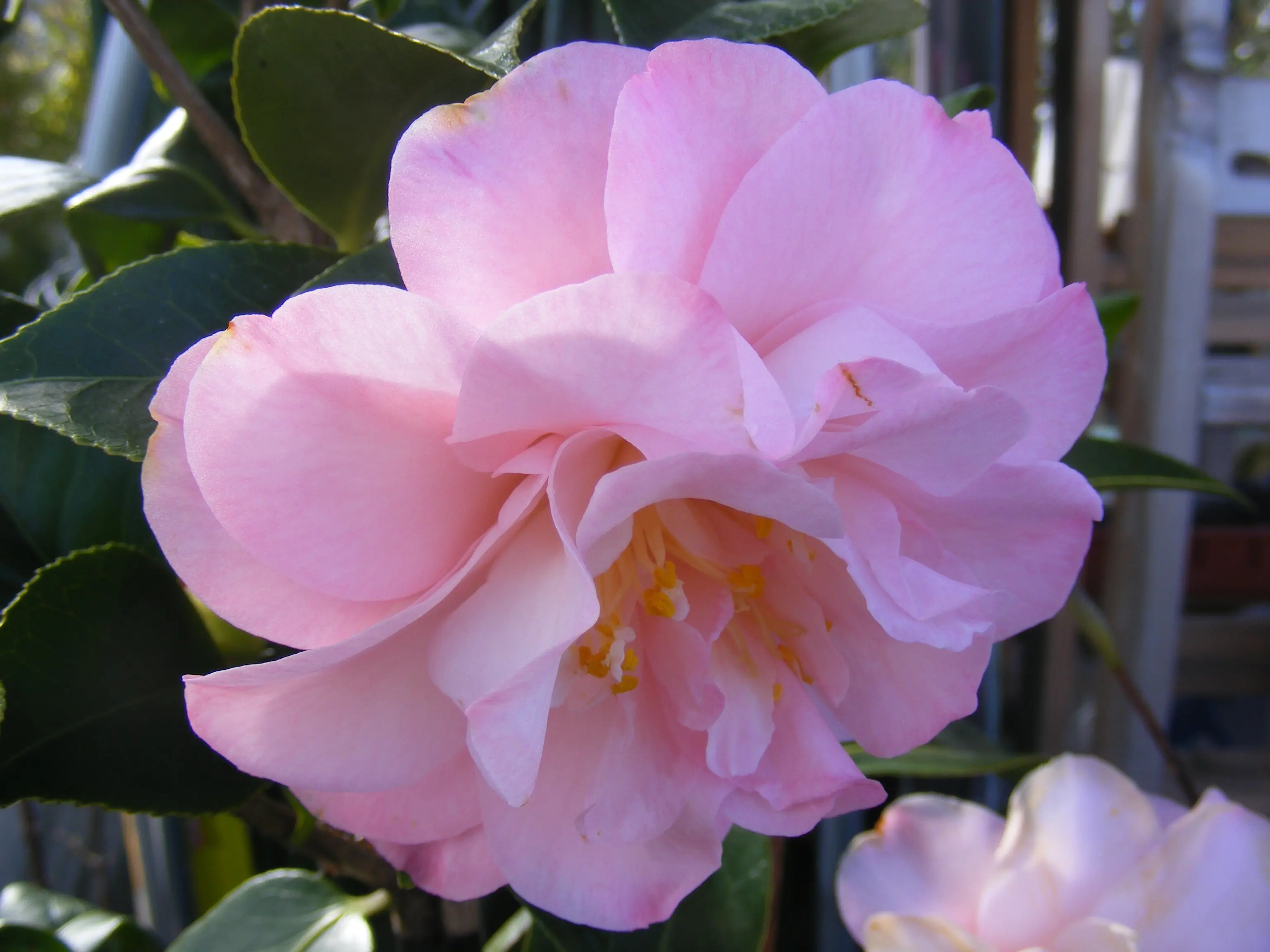
Another important task is pruning spring-flowering shrubs, such as rhododendrons, camellias and lilacs, a job best done as soon as flowering is over.
For most gardeners, though, vegetable seed sowing and planting take centre stage this month.
Main-crop potatoes go in, the first tomatoes are planted under cover and almost every type of seed can be sown.
Seed packets usually give a guide as to when and where to plant but this is only an indication.
If in doubt, sow a little later when you can be confident that the soil is warm enough for vegetables such as carrots.
Sowing in trays works best for most flower seeds, herbs and a number of vegetables.
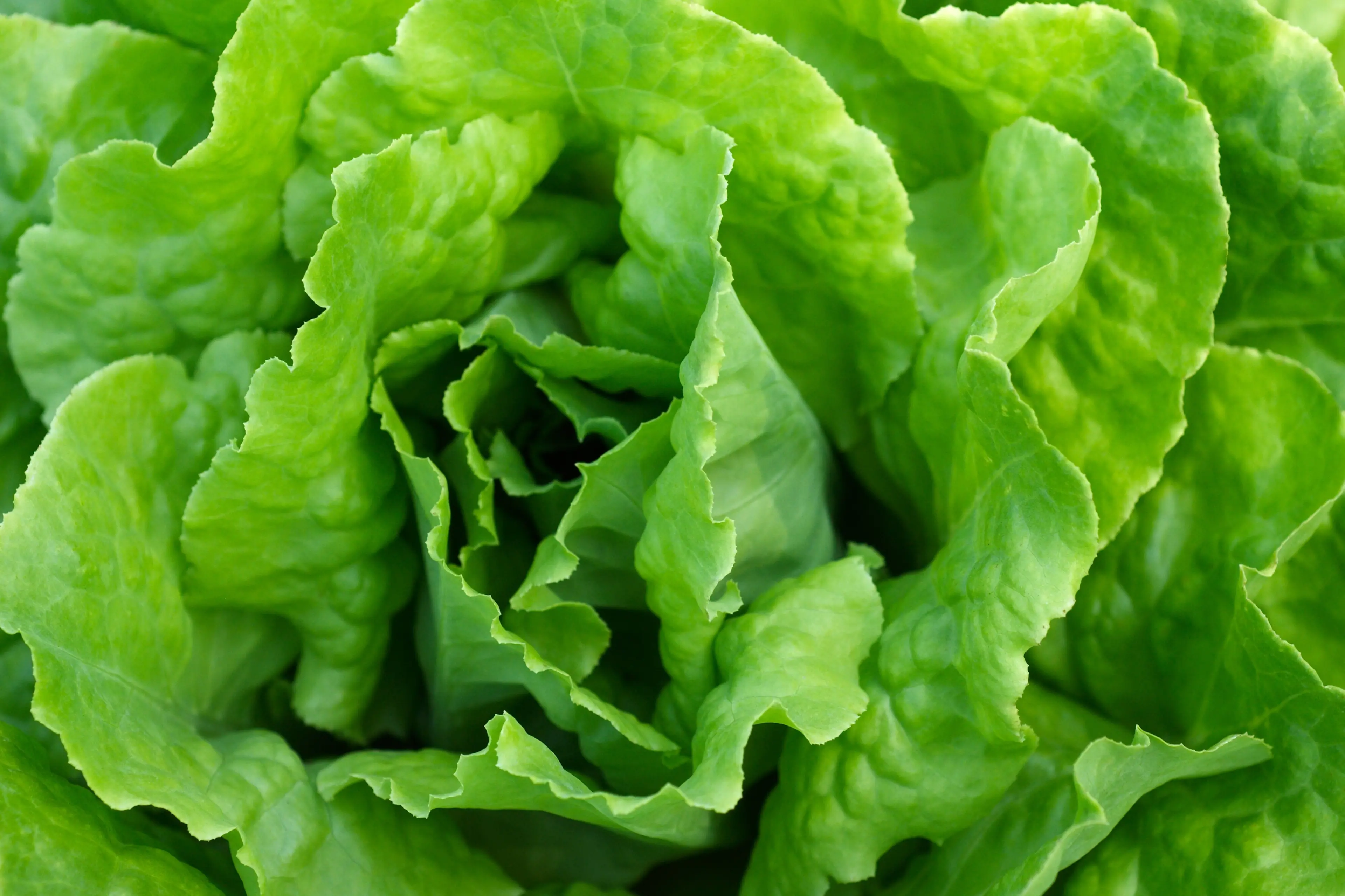
Among the latter are asparagus, runner beans, broccoli, cabbage, cauliflower, capsicum, celery, corn, courgettes, cucumbers, leeks, lettuce, melons, onions, pumpkins and silverbeet.
Egg cartons are useful for small seedlings, and 2-litre ice-cream pottles, or large yoghurt containers.
Stab some holes in the bottom of ice-cream containers and sow seeds such as courgettes and runner beans, as these do better if they have time to develop good deep roots before planting out.
Putting homemade compost in these deeper containers to about two-thirds their depth and topping up with commercial seed-raising mix keeps the cost down.
Buy commercial seed-raising mix, as it is guaranteed weed-free and some companies add fertiliser to get seedlings ticking along nicely, plus fungicides to prevent attacks by nasties that cause root-rot.
Take precautions when using any mixes, as they contain micro-organisms that may be harmful. If seed mix — or any garden product, for that matter — is dry, wear a mask to avoid breathing dust and always wear gloves when handling. Wet well before sowing seeds.
As well as using seed-raising mix in trays or containers, it can be used for direct sowing in the garden.
Just make a little trench along the row where the seeds are to go, trickle in mix, sow the seeds, then sprinkle with more mix.
Cover to keep birds and cats from digging.
Be stingy when sowing, as well-spaced seedlings grow into sturdier plants.
Vegetable seeds, best sown where they are to grow to maturity, include beetroot, carrots, parsnips, radishes, spinach, rocket, turnips and most Asian vegetables.
In the either/or category are peas and broad beans, which can be sown directly into the garden or grown in containers and put into the garden when about 3cm tall.
Whether you sow in seed trays or straight into the garden, it pays to label everything. — Allied Media