
PHOTO
Young people say political parties' social media is "so cringe, it's funny" - while a social media expert argues that trashing each other can backfire.
National and Labour spend more time on social media mentioning their opposition than focusing solely on their own work, an RNZ analysis of Instagram reveals.
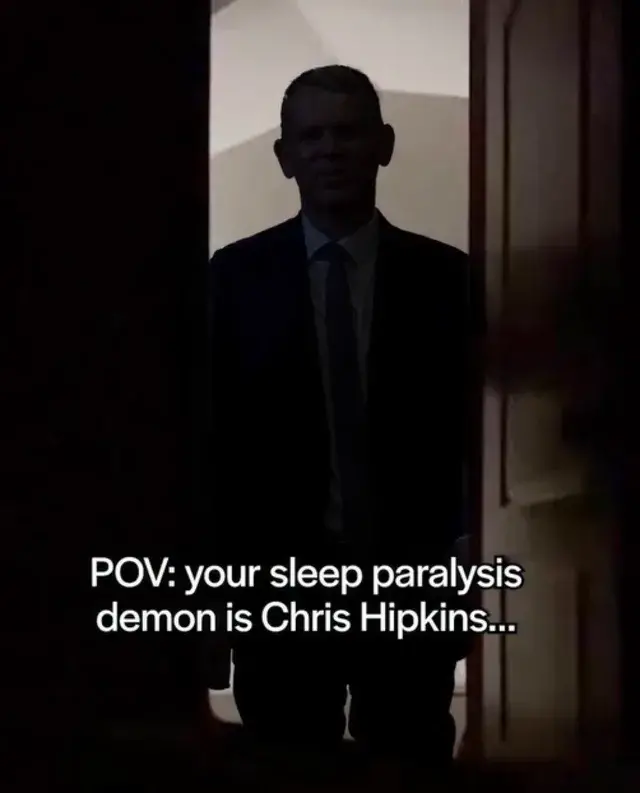
Among the posts, are memes of Chris Hipkins looming in a doorway as a "sleep paralysis demon", or Christopher Luxon taking a selfie with his tongue poked out.
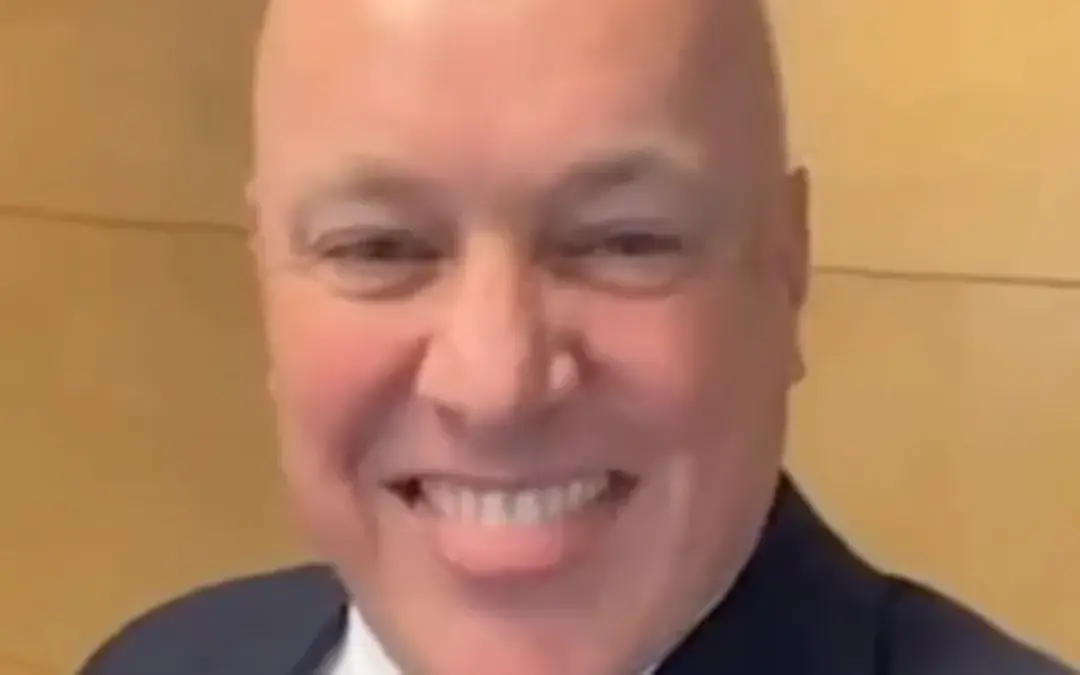
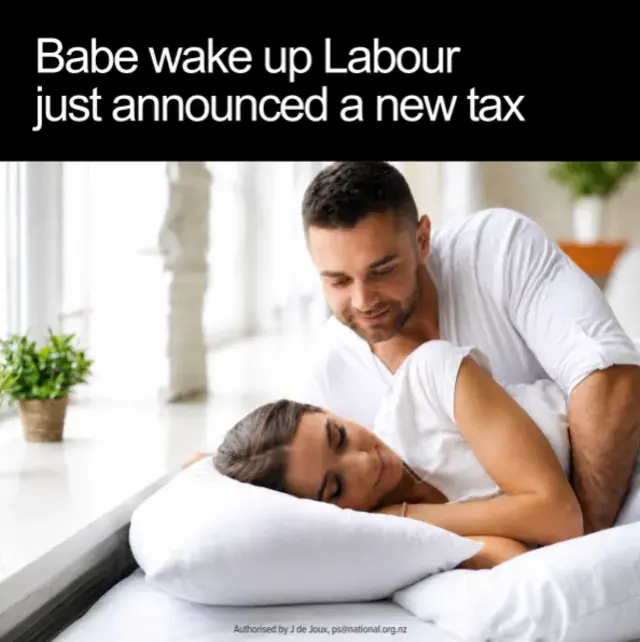
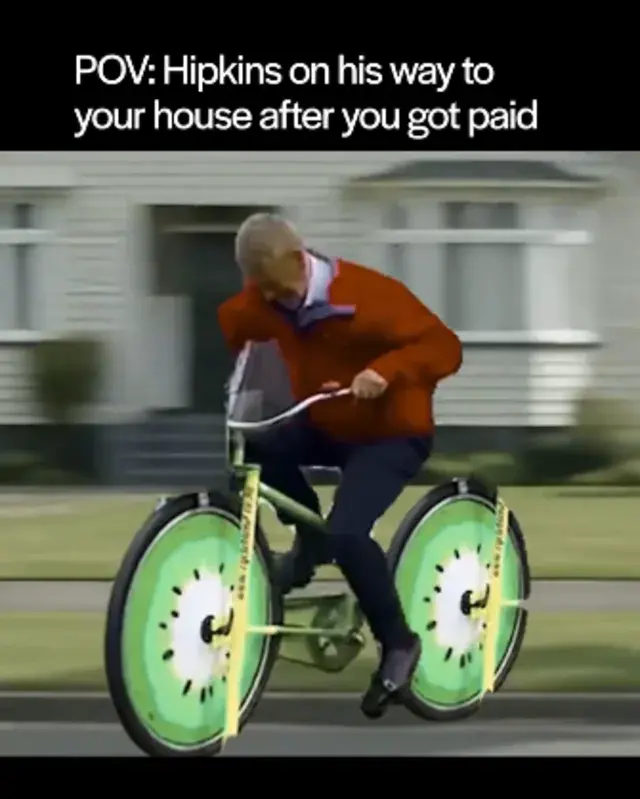
Over a one-month period, both major parties posted referencing the other over 100 times - whether it was memes, expose style headlines, or comparison.
Ben Uffindell, who runs satirical news site The Civilian, says the memes are "cringe-worthy" and have never got a laugh out of him.
"I just don't think it's their space, and I don't think they're any good at it."
Of Labour's posts, three out of four referenced National, only posting solely self-promotion 39 times in the one month period.
While National mentioned opponents the same amount of times, it balanced this out with an almost even amount of self-focused posts.
Uffindell said the messenger delivering a joke can make or break it.
New Zealand meme accounts like the Dunedin Herald and Fluff do high numbers posting political memes, often run by anonymous young people.
"The kids are having fun and then the parents show up, and it's like oh party's ruined, it's not cool anymore."
Victoria University's Mona Krewel has been analysing political parties' social media since 2020, leading the New Zealand Social Media Study.
She said both parties were using a lot of negative campaigning - that is, when a party deliberately spreads negative information about someone or something.
However, Krewel warned that this technique can backfire, with voters avoiding too much incivility.
"They want them to focus on policy ... so if they attack each other too much, this is not something that voters like".
Bagging on your opponent too much can push voters to a third party, she said.
"In a multi-party system like New Zealand, you have far more to gain from clear policy messaging and positive self-representation."
She said National appeared to be using satire to soften attacks and avoid losing voters.
Krewel said National appeared to be trying distance itself from failings by running a "distraction campaign".
But negative campaigning effects are short-lived, Krewel said, and aren't likely to change a voter's mind unless they've seen them just before voting.
Meanwhile, she said Labour's campaign is even more negative than National's - which is usually expected for the party not in government.
A Labour spokesperson said its social media uses a mix of policy content, comparisons and humour to reach people.
"We're consistently promoting our policies, including three free GP visits a year, cheaper public transport, a fuel tax freeze and action on hidden fees and grocery prices.
"We also challenge misleading claims about Labour's policies. Voters deserve accurate information about their choices."
National declined to comment on its social media strategy, while a spokesperson said the party has had more than 100 percent more engagement on social media than Labour since Monday.
Do young people laugh?
Victoria University students told RNZ memes posted by National and Labour were so cringe they had to laugh.
Tawera Anderson said, "I think it's kind of just a ploy to get young people to vote for them, but most of the time it's just cringe."
She felt it was unprofessional for political parties to be making memes about each other.
Many felt it was a poor way of communicating a party's message, and said they'd prefer to see straight forward messaging on policy and action.
Kingston Dean said the memes were "infantalising to a young audience".
"It's based on an assumption that young audiences don't want to be spoken to in a serious fashion.
"They're not comedians, stick to your lane."
Jasper Allen felt the memes treated young people like "idiots".
"You think that we care about stuff like that, but students actually care about policies."
"It's a weird format to bring a very professional group of people into."
Annie Watson said she liked memes - but within reason.
"They're tryna make light of really serious topics ... it kind of leaves a sour taste in your mouth."
Others felt humour was a good way to connect with young people and spread information.
Some said a mixture of informative and satire posts would help draw people in while educating them.
Not one student said the posts would sway their vote.
