
PHOTO
“People say: ‘What’s that?’ Are you working with dead plants in a plant morgue? And I say: ‘Wow, it’s a full-body experience working in here’.”
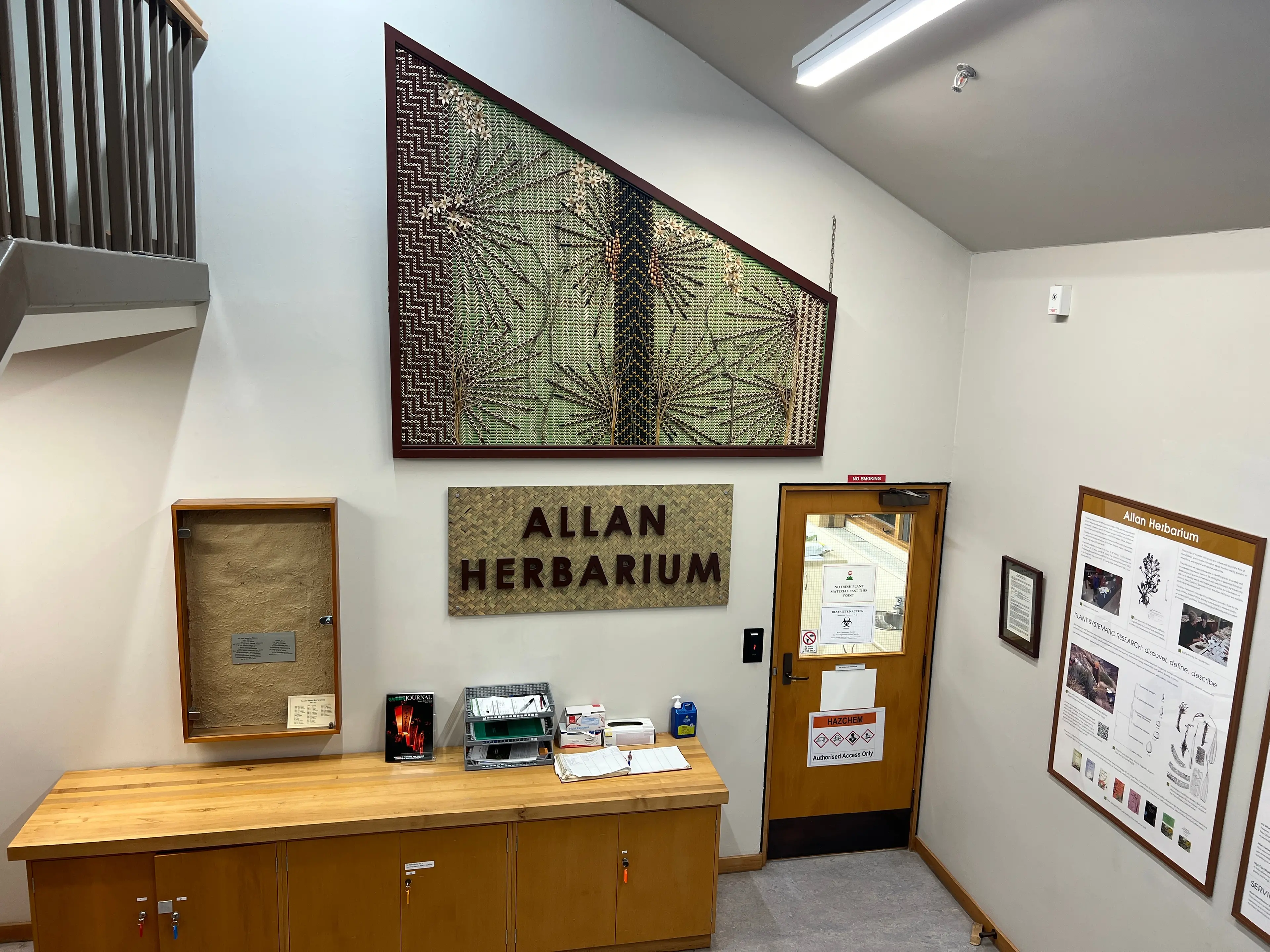
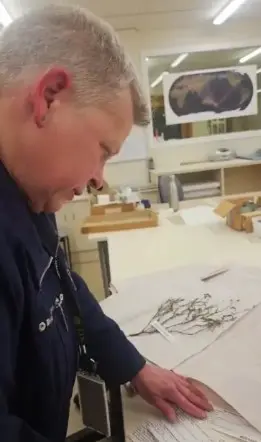
German-born Dr Ines Schönberger looks after Canterbury's Allan Herbarium and its labyrinth of botanical treasures. The Lincoln herbarium collections manager showed Kadambari Raghukumar — host of RNZ’s Here Now podcast — around the botanical archives — which contains more than 800,000 plant specimens, with about 3000 to 5000 added every year.
A herbarium — if you’re anything like Ines — can be a sensory treasure trove, and she says that almost every single specimen tells a story. Some of those stories date way back, with cabinets that store specimens collected by Joseph Banks and Daniel Solander during Captain James Cook’s first voyage to New Zealand, circa 1770.
Ines was born in South Germany and dropped roots in the South Island a few decades ago. She met her husband in Germany while working in a collection in a very small herbarium of a botanical society in Regensburg.
“We worked together and we hung out. After three months he had to go back to New Zealand and so he said, ‘Oh, you have to come with me.’ We were very lucky to arrange a scholarship from the German exchange service for me to come to New Zealand.”
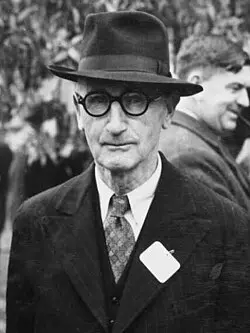
The Allan Herbarium was founded in 1928 with HH Allan as the botanist in Palmerston North. It later moved to Lincoln sometime in the late 1950s, and Ines has managed the herbarium since 2007. But it didn’t all begin with plants for her.
“I wasn’t a plant taxonomist, really, by training. I didn’t do a degree in biology for plants. I wanted to become a vet because I loved animals so much.
“But when you study zoology you have to dissect animals, and I didn’t like this. Then I had to put my sausage dog down, and I didn’t like this either. So I said, ‘That’s me done for zoology. I will turn to plants.’”
It’s a relatively quiet afternoon in the herbarium, but Ines said there’s normally a big group of volunteers helping with pressing specimens. Part of her role is to work with community volunteers who help organise and preserve specimens that the centre receives from all across the country.
They’re currently pressing some specimens of the invasive Madagascar Ragwort
A large number of specimens stored in the herbarium have historically been treated with mercuric chloride to control insect pests.
“We alert everyone coming in here that there might be still traces of mercury on some of the sheets,” Ines said. “We are very cautious about it. Every sheet which [has] ever been in contact with mercuric chloride has to be stamped.”
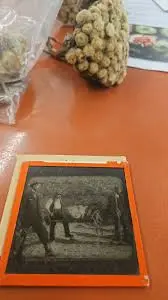
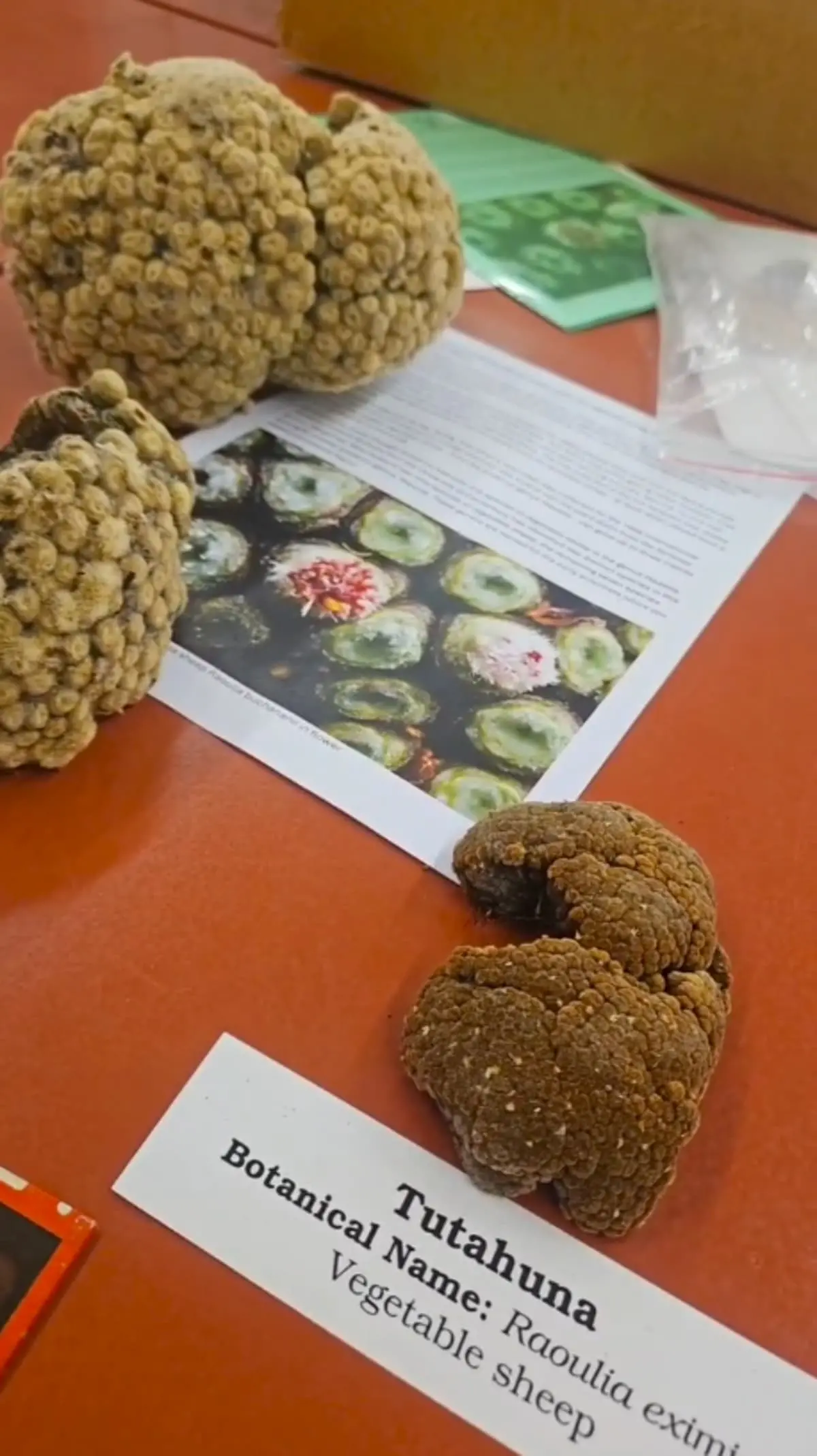
Ines pulls out a very large, fluffy, dry, yellowish ball that resembles a spongy brain. This one here is known as a species of vegetable sheep.
“This is a New Zealand native shrubby daisy,” she explains.
It’s accompanied by a glass plate negative of two men carrying something that looks like a sheep made of vegetables lying on a stretcher.
“So you can just imagine this plant, a big cushion growing in the scree fields up in the southern mountains. This picture was taken in 1906 to be exhibited in the World Exhibition in Christchurch.”
Climate change elevates the importance of this collection.
“As you see some plants, New Zealand native plants, suddenly found in places where they weren’t before. So a collection like this, with these immense samples from throughout the decades, can answer so many questions. Never know what we can do in a collection like this regarding the distribution, climate change, global warming.”
Germany is known for major historical contributions to biological taxonomy and classification methods that are even in use today, thanks to people like Adolf Engler and Alexander von Humboldt.
“A lot of our plants in New Zealand left the shores and went to Britain or to Paris or any other European collections,” Ines said. “This is a bit sad for me.
“I’m very proud to have the plants collected by Joseph Banks and Daniel Solander back in the country. I also like the plants, the early collections like the Armstrong collections.
“There are older specimens, there are older herbaria in Germany, but we shouldn’t just always think everything is better done overseas. I think New Zealand does really great now. And we’re very fortunate that collections like Te Papa, Auckland Museum, and us have funding to preserve the natural history of New Zealand.”
