
PHOTO
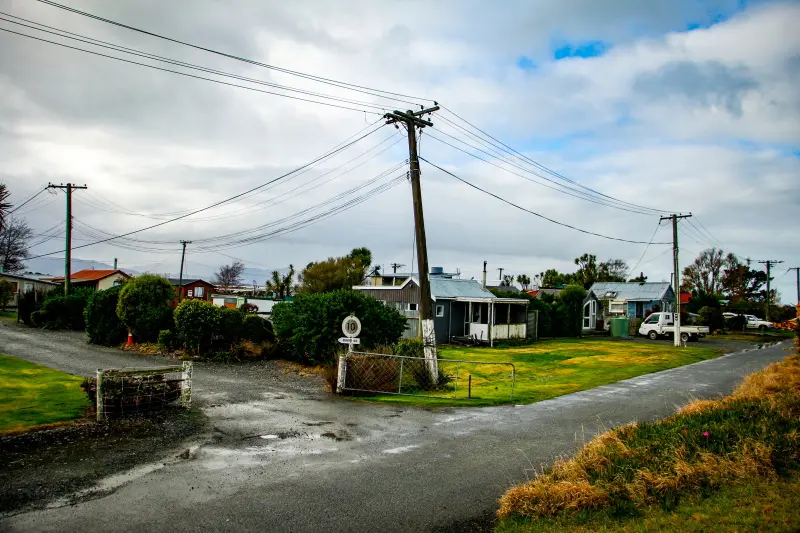
Another Canterbury lakeside settlement has started a fight to stay.
Residents of the Lower Selwyn Huts, on the edge of Te Waihora Lake Ellesmere, are asking the Department of Conservation to reconsider its decision not to renew any leases beyond 10 years.
To support their case, residents have engaged environmental lawyer Clare Lenihan, who played a key role in the Upper Selwyn Huts’ successful bid to remain at their settlement for at least 30 years.
The Lower Selwyn Huts Owners Association lodged a submission with DOC in October 2024 seeking a minimum 20-year extension to its concession.
But in March this year, DOC announced it had granted 44 bach owners a 10-year concession to occupy the land, after which they would be required to remove their structures and leave.
Unlike the Upper Selwyn Huts, most baches are not used full-time. Of the 44, four are permitted full-time residence to provide security for the remaining huts.
In July last year, nearby Greenpark Huts residents were forced to leave after failing to secure a deal with Ngāi Tahu.
Legal documents provided to the Selwyn Times outline seven grounds for reconsideration, including alleged legal misinterpretation, failure to properly consider a 20-year option, and claims there is no evidence of a material difference in sea-level impacts between a 10-year and 20-year concession.
“The principal long-term issue, sea level rise, is not expected to become material until the latter part of this century,” the documents state.
Lower Selwyn Huts Owners Association president Colin Hewson believes the community has a strong case to remain.
“The community feels DOC’s decision was predetermined, and we have proof to support that, and proof the community has not been treated fairly, and no goodwill was shown during this process,” he said.
“Providing a 10-year lease with a sunset clause attached makes the residents feel like they are being let down and abandoned by DOC.”
The reconsideration request also states residents provided expert evidence from a registered surveyor which was not presented to the decision-maker, DOC regulatory services director Phillipa Fox.
DOC permissions lead Christine Butler said she could not comment while the reconsideration process was under way.
Following the decision, Fox said the huts community had flooded eight times since 2013.
“Long-term occupation of this site is not viable due to sea and corresponding lake-level rise. When considering the term of the lease, we also wanted to give the hut owners an appropriate amount of time to demolish or move their huts,” she said.
Hewson said the settlement has existed for more than 100 years and residents have invested heavily in it.
“We paid for the original street light in the settlement, paid for the well to be put in for water, which has just been upgraded to New Zealand community drinking water standards.
“We have a tractor with a mower on it to mow the grass in the reserve and have used it to mow 3km of roadside grass, holding tanks in place for grey water and septic, that get pumped by an outside contractor.
“All we are asking is to be given a 20-year lease... so we can pass it on to our children and grandchildren like in the past, or sell to new families that want to enjoy the area.”