
PHOTO
The Automobile Association (AA) is urging decision-makers to commit to the gradual four-laning of State Highway 1 through Timaru.
In a statement AA South Canterbury District Council chairman Antoni Facey said while completing the full project in one go would be ideal, it would put a significant burden on transport budgets.
“A staged approach would allow for progress over time while remaining affordable.
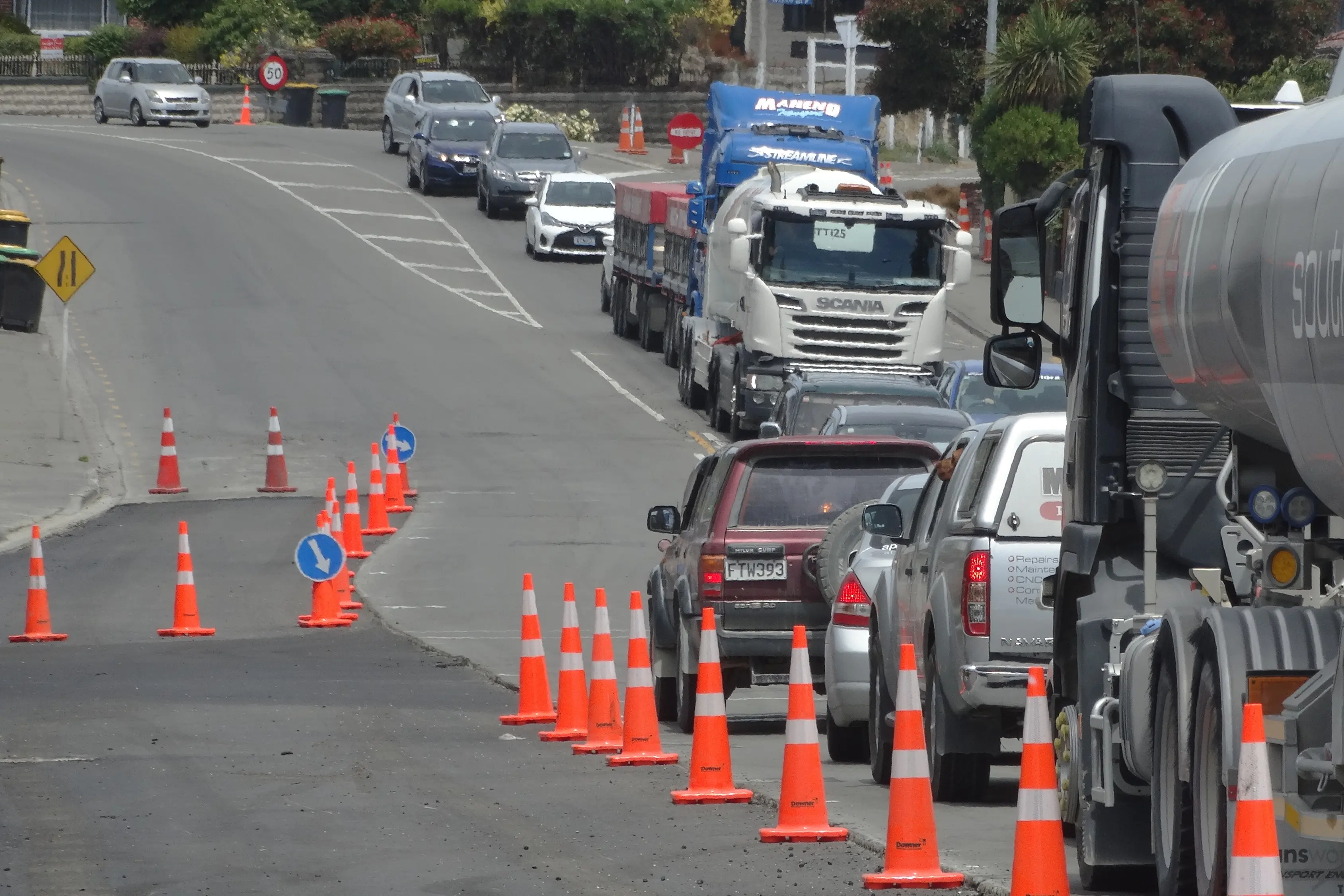
“Timaru is growing, and so are the pressures on SH1. Every morning and evening at peak hour, we’ve got traffic crawling through the centre of town to the tune of about 2100 vehicles per hour.
“It’s clear we need extra capacity to safely allow for increasing volumes of local, freight and through traffic.”
Congestion in the city’s centre was particularly bad when there were big events in Christchurch or Dunedin, while south of Wai-iti Rd could get up to 24,500 vehicles per day, Mr Facey said.
“SH1 is the country’s main transport artery.
“Through Timaru, it’s critical for freight moving to and from the port, for local commuting, business and for travel between Christchurch and Dunedin. Thousands of people rely on it every day.
“A staged four-laning programme would give the community certainty that the region’s transport needs are being addressed while acknowledging the fiscal realities facing the government and transport agencies.”
The AA noted the 2007 Timaru Transportation Study identified a long-term goal of four-laning SH1 between Wai-iti Road and Washdyke Bridge, over cost-prohibitive alternative bypass proposals which also carried substantial environmental impacts.
“Nobody is suggesting the entire route should be widened overnight,” Mr Facey said.
“But by improving the road in sections, as maintenance opportunities arise, we can steadily improve safety, reduce congestion and support growth without placing an unrealistic demand on public funding.”
The AA is calling on the NZ Transport Agency Waka Kotahi (NZTA) and Timaru District Council to protect the land to four-lane SH1 through its existing route by planning for the staged delivery of the project over coming years.
The organisation is also seeking a preliminary design from NZTA that would allow for land designations if or where needed as a first stage to implement the widening.
Mr Facey said an update to the 2007 report, to reflect changes in the network, and a preliminary design would enable long-term planning and a progressive, cost-effective staged implementation.
“The significant interruptions caused by the Timaru Showgrounds development show why forward planning of this critical local corridor is necessary.
“The AA welcomes engagement with local communities to combine advocacy to push for these improvements to local roading network resilience in the Regional Land Transport Plan review this year.” — Allied Media