

PHOTO
A fowl sight is ruffling feathers along Saltwater Creek walkway.
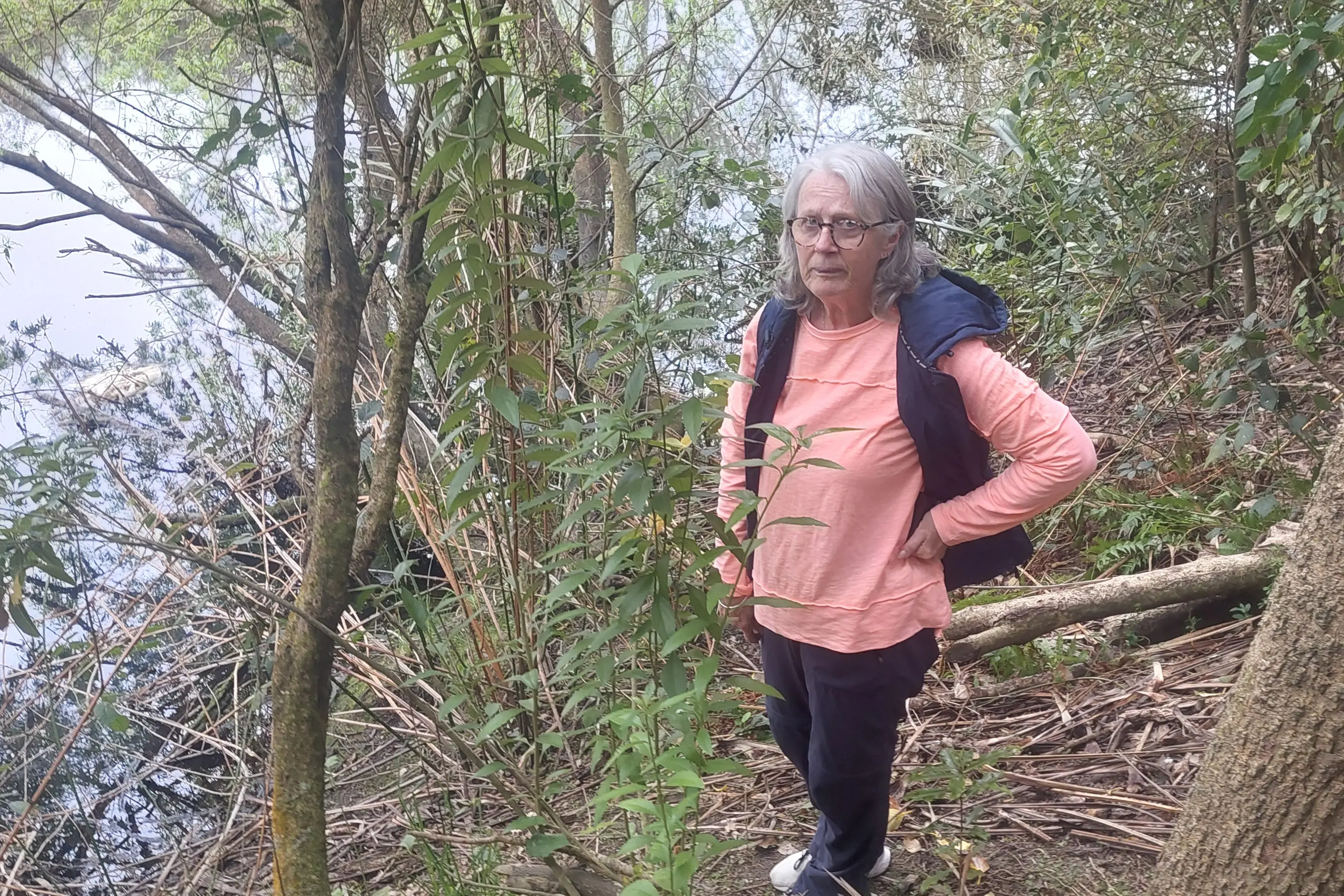
The discovery of a dead goose along the water’s edge on September 8, had a regular user of the walkway — Michelle Taylor — calling the exotic pest and disease hotline.
“I was probably catastrophising a bit, but I saw it there and thought ‘bird flu?’.”
Upon discovering it was only one bird, Ms Taylor said the person on the other end of the phone took her details and “didn’t seem interested”.
A few days later, Ms Taylor approached Environment Canterbury about the dead goose.
The person she spoke to listened to where the carcass was and took her number and told Ms Taylor they would get on to it in a day or so and they would let her know when it was completed.
She soon discovered it was not the only dead goose on the waterway, spying two more and a very large detached wing.
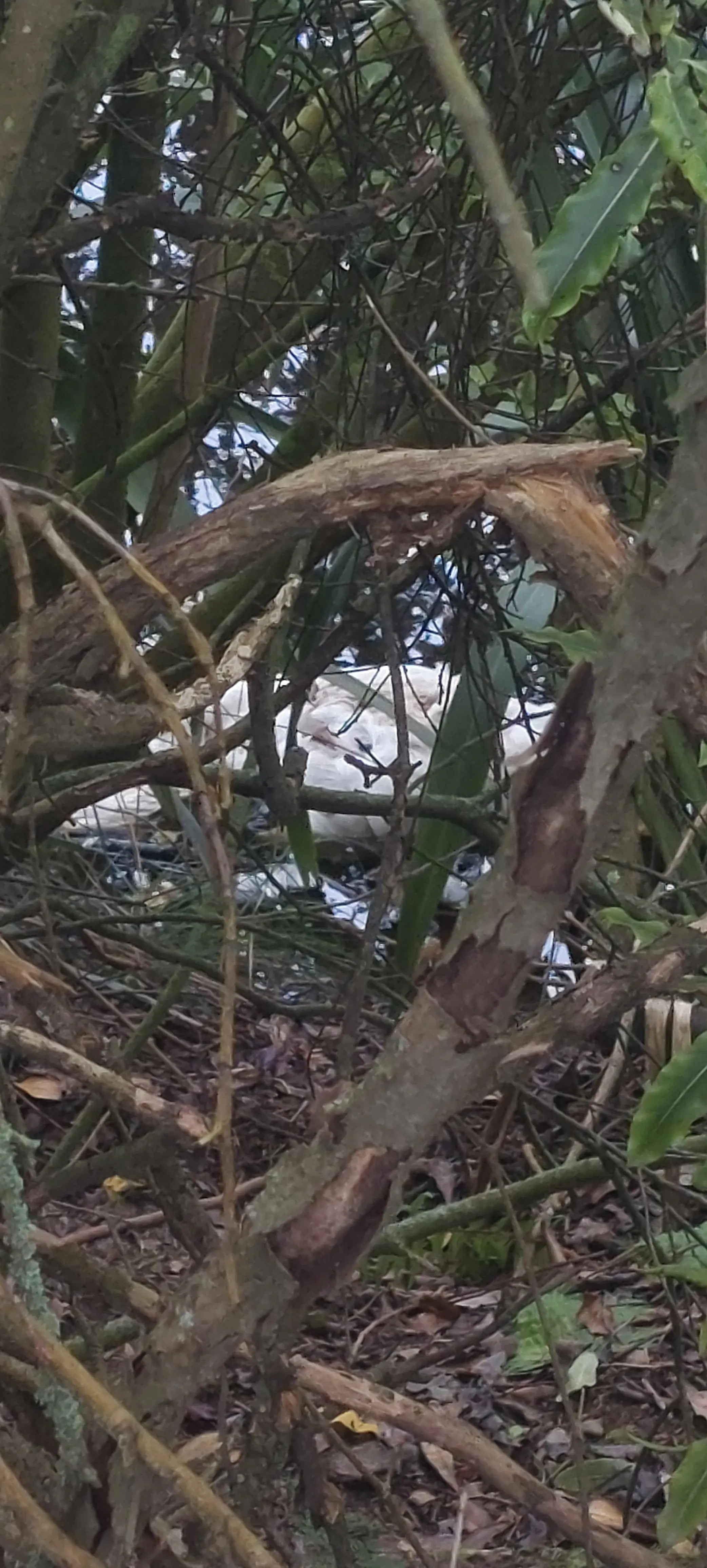
The bodies were snagged into fallen trees and branches and washed up along the shoreline.
They were not likely to dispose of themselves as Ms Taylor had found out, as “dead birds float”.
She had a pet bird at home, so she was not going to risk touching any of the bodies and carrying something back, and besides — “I don’t do dead animals”.
After a couple more visits and phone calls with the Timaru District Council and Ecan, they were still floating a month later (as seen at the location on October 9 by Courier reporter).
When approached for a comment last Friday, Ecan’s acting southern compliance manager Steve Firth said the organisation was aware of the situation, which he said was now resolved.
“We received a report of one dead goose on Saltwater Creek Track and referred it to Timaru District Council for action, [as removing dead carcasses is the landowner’s responsibility],” Mr Firth said.
“We understand council staff removed the carcass and disposed of it at the nearby landfill.”
Following an additional complaint, compliance staff also visited the site on October 9 to check for any further issues, he said.
They found the walkway clear and noticed no smell.
“Although this incident appears to have involved one goose, we encourage people to take bird flu-based precautions if they find sick or dead wild birds.”
Ecan understood that the council had notified the Ministry for Primary Industries (MPI) of the situation, Mr Firth said.
When visiting the walkway over the weekend, she noticed the original goose was gone, however the other two remained, including the goose decaying across the river, Ms Taylor said.
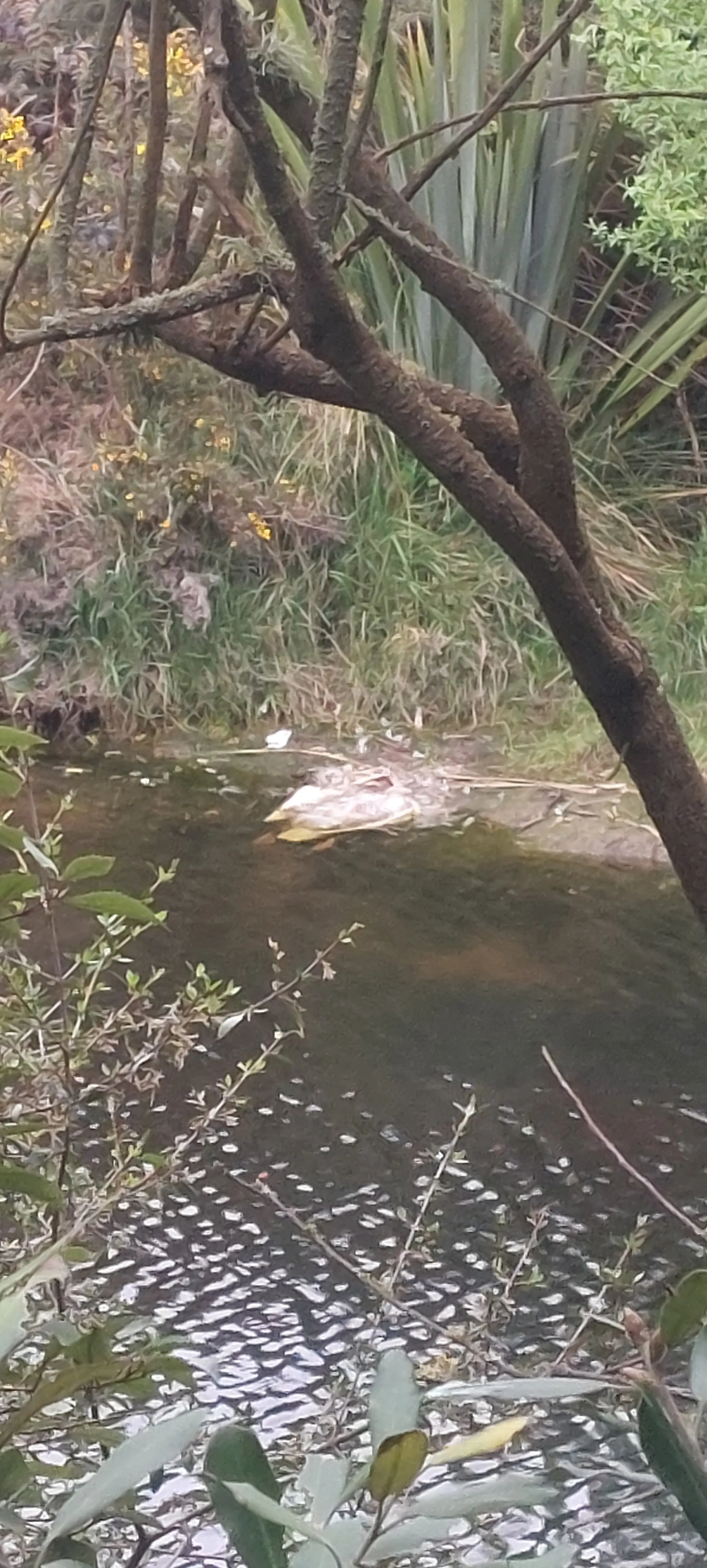
Ms Taylor had been contacted by someone at Ecan on Tuesday who she said was very helpful and had explained to her that removing the bodies posed health and safety issues, as the wet banks running down to the river — and the tangle of native trees along the water — made it difficult to reach the carcasses.
Ms Taylor had slipped down the bank while checking on bodies, so she could see it could be a problem.
She had appreciated the woman’s explanation and had wished she had simply had that explanation from the start.
Ecan was working to resolve the problem, Ms Taylor was told.
When finding dead or sick birdlife:
* Keep your distance. Do not approach sick or dead wildlife, and keep pets away.
* Keep clean. Wash your hands and clean any gear after spending time outdoors.
* Know when to report. If you find three or more sick or dead wild birds together, report them immediately to the exotic pest and disease hotline on 0800 80 99 66 or online at report.mpi.govt.nz.
shelley.inon@alliedmedia.co.nz