
PHOTO
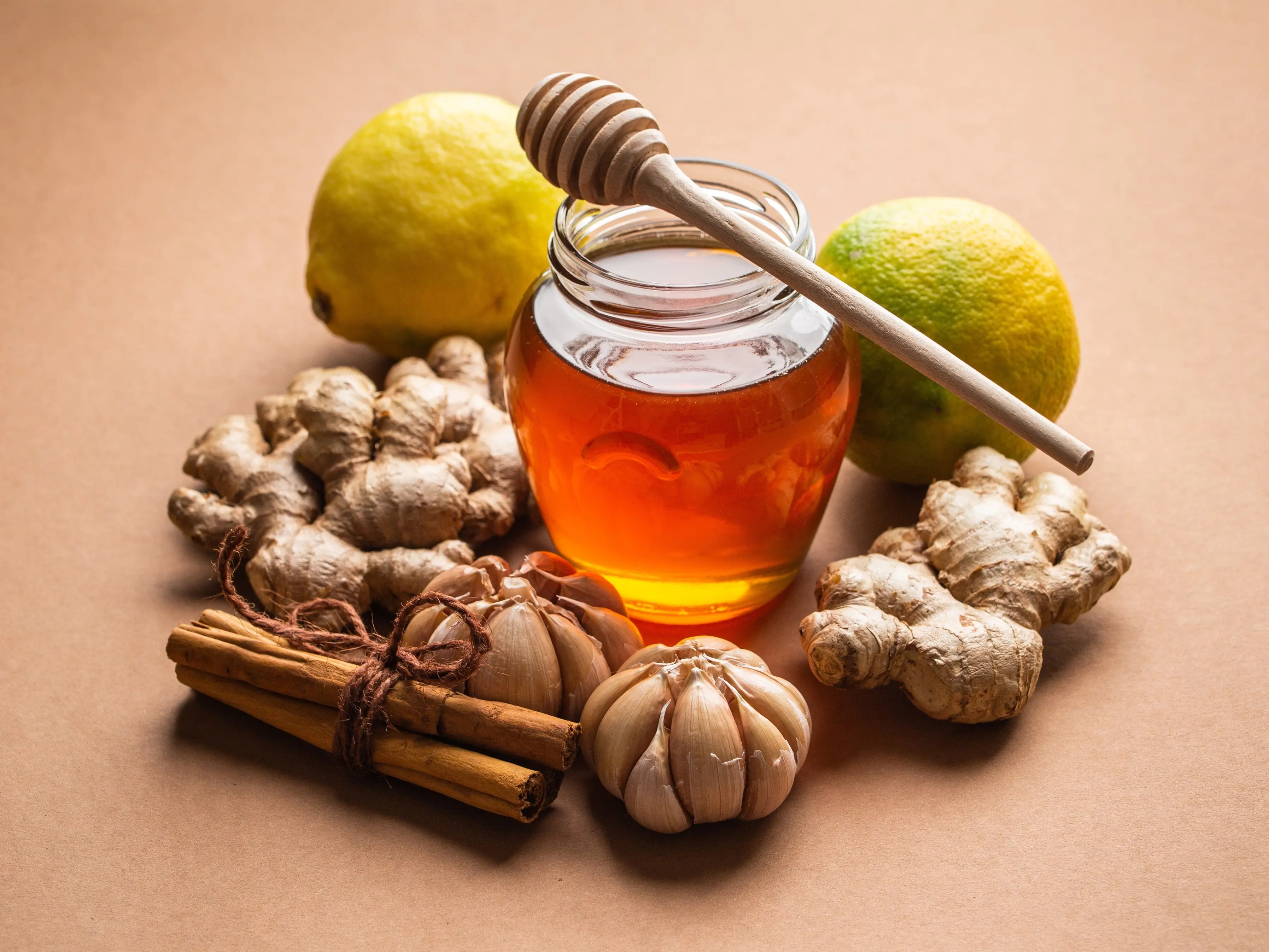

The infective bugs that cause colds, flus and other illnesses are always and have always been around us, but when faced with a pandemic it is a timely reminder to ensure you are supporting a healthy immune system wherever possible.
While some people catch just about everything going around, others seem to get through unscathed. So much of this comes down to your immune resilience. Your immune system is a complex collection of organs, cells and processes designed to fight off invading micro-organisms such as cold and flu viruses. The healthier your immunity, the less severely the sniffles, coughs and other cold and flu symptoms will affect you. And the stronger your immune response, the faster all those symptoms subside.
To support a healthy immune system, we need to be getting the foundations right. Here are some of my naturopathic tips:
1. Daily movement
Get outdoors in the fresh air to get vitamin D from the sun and support mental wellbeing. You could do a workout in a park or meet a friend for a walk. A moderate to challenging workout three times a week has been shown to enhance immunity. Intensive training can lead to chronic inflammation so isn’t recommended.
2. Adequate sleep
Aim for seven to nine hours’ sleep per night, for adults. This is when our body does most of its repair work. Less than six hours per night impacts the adaptive immune response.
3. Healthy weight
A body mass index (BMI) higher than 25 creates chronic inflammation (a doctor or personal trainer can work out this number for you).
4.Fresh fruit and vegetables
Capsicums, lemon juice and kiwifruit are good sources of vitamin C so could be added to a snack platter for afternoon tea.
5. Garlic
Fresh garlic bulbs are best so can be added to a dressing for a salad, in hummus or used in soups and curries.
6. Immune boost
Include mushrooms, onions, turmeric, thyme and oregano in meals for their immune-boosting chemicals.
7. Inflammatory foods
Reduce deep-fried or high-sugar foods. Sugar depletes minerals in the body and raises blood sugar levels, making us more prone to infection.
8. Vitamins and minerals
Research shows that adequate vitamin D and zinc, as well as selenium, can improve your response when exposed to infections.
It can be worthwhile speaking to a naturopath, doctor or pharmacist to see if these are right for you
9. Chronic stress
Chronic stress negatively impacts immune defences. Social support interventions and meditation reduce immune dysfunction.