
PHOTO
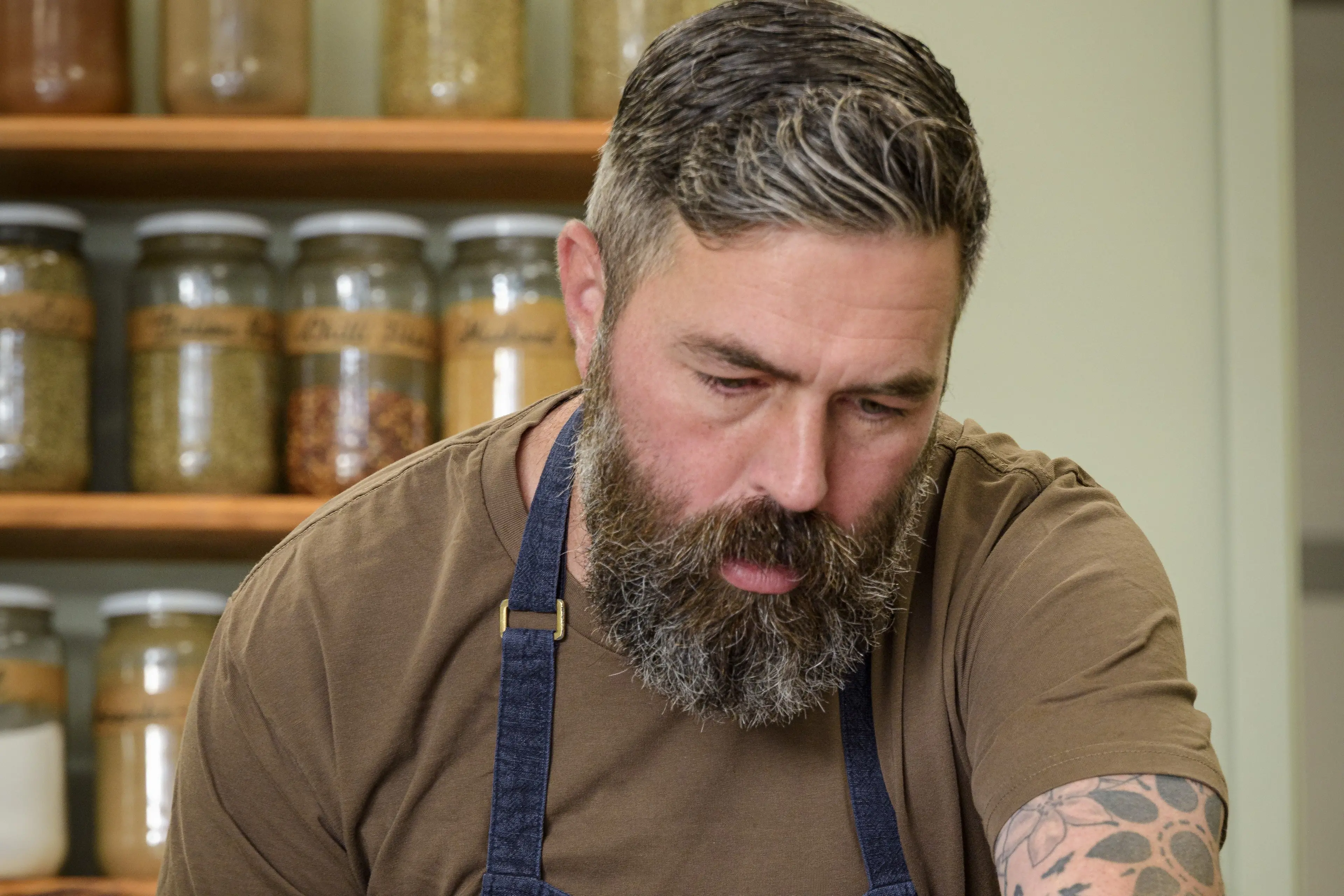
Nick Thomson is an Auckland butcher who is inspired by the concept of whole-animal eating.
“It’s not an often-heard term these days, because somewhere along the way offal,
and finding ways to use and create with every part of it, has been lost,” he says.
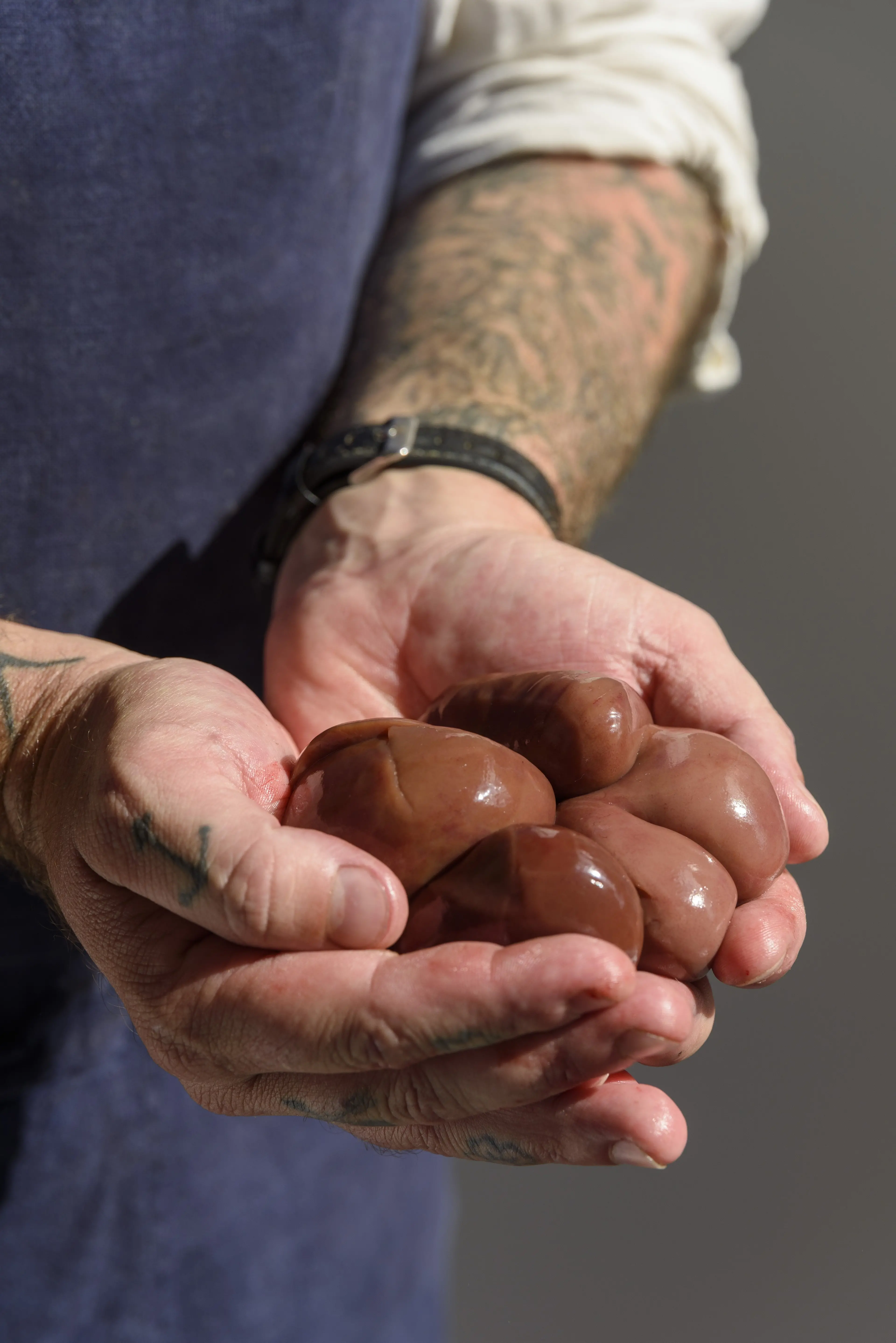
But generations past grew up with liver and kidneys considered a treat.
“When tripe soup or lamb’s fry and bacon were the staples in living rooms across the country.”
These are the people who still enjoy meat and three veg, and it is a way of life.
“These people roast a chicken and then use the bones to make soup, wasting nothing. They are the ones who adapted and experimented with different cuts to
create different dishes because they had to.”
Thomson’s grandmother was one of those generations and he can remember as a small child watching her clean the kidneys for a potato-top steak and kidney pie.
“Nan would say things like: ‘Muscle, organs — its all the same’.”
He always knew he wanted to work somewhere in the food industry and chose butchery, starting his apprenticeship at 15, catching the end of the “old-school era of butchery”.
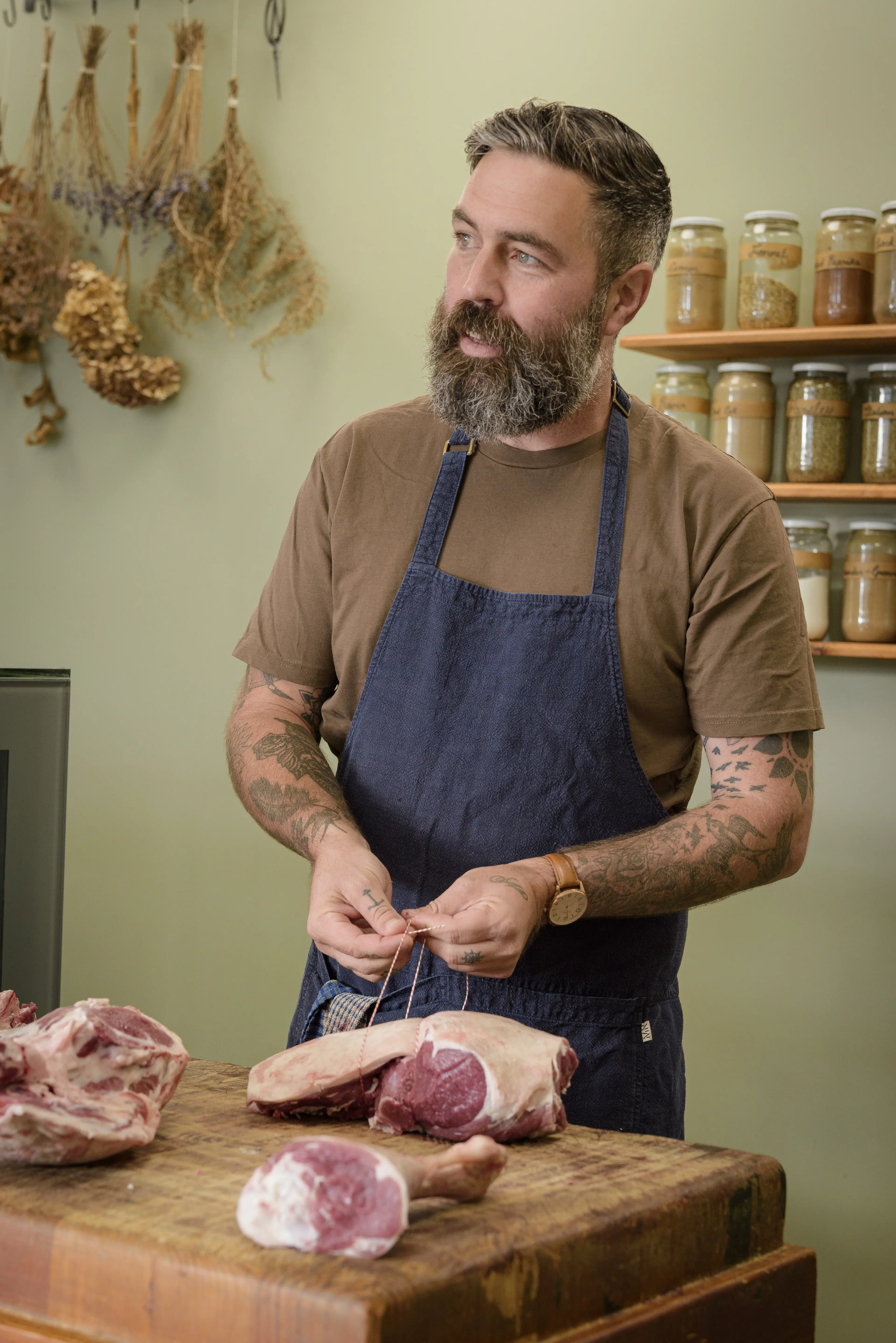
After finishing his apprenticeship he headed for Australia, before returning to New Zealand and opening his first butchery with a friend in Ponsonby.
“We introduced ideas from our travels … Along with our beards and tattoos we had a distinctive and eye-catching butchery.”
Thomson then headed for London to pick up more ideas and his passion for cooking developed watching and learning from chefs.
When he returned, he opened Marrow in Orewa where he lives and later a store in Devonport — spaces to carry out traditional butchery within a modern interior as he seeks to bring back the “high street” butcher.
“I strongly believe that food is medicine, and returning to the eating habits of those who came before us can only lead to a more sustainable and beneficial approach to cooking and eating.”
In his book Marrow: Whole Animal Eating, he goes through the nose-to-tail philosophy and provides contemporary recipes using those muscles and cuts.
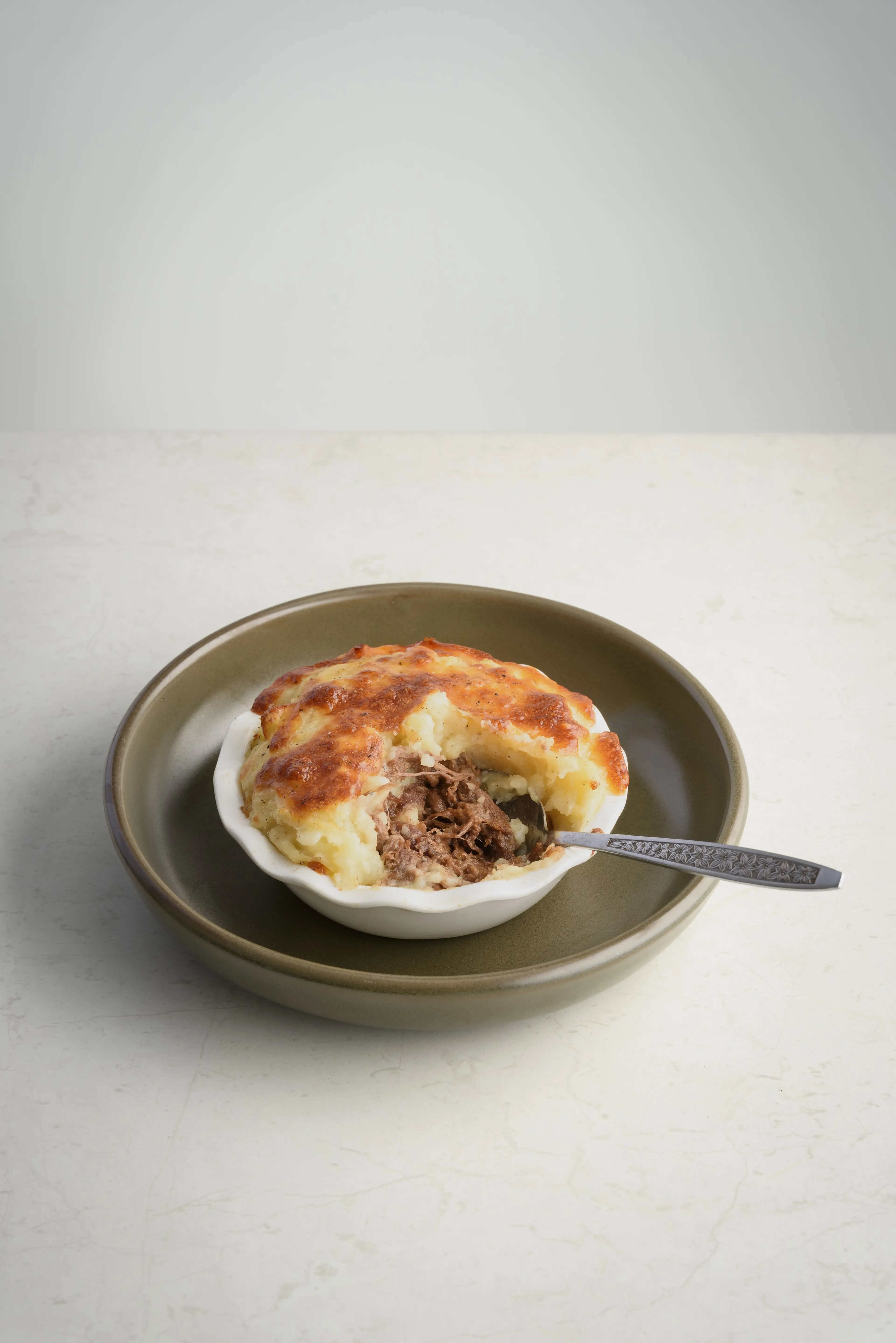
“Cheeky” cottage pie with parsnip mash
Let me paint a picture. The fire is roaring, the family has arrived. Coats hang at the back door, and the shoes are in front of the fire to dry as the rain shoots bullets against the window pane. As you gather around the table, the senses are heightened with the aroma of this winter warmer before you tuck into it.
There’s pie, and then there is this beef-cheek-and-parsnip cottage pie. The dense richness of the beef cheek is matched with the sweetness of new season’s parsnips.
2 beef cheeks, trimmed
1 litre beef stock
1 bay leaf
1 can Guinness/porter/stout
1 carrot, cubed
1 cup frozen peas
4 cloves garlic, crushed
1 onion, diced
Salt and pepper
5 good-sized parsnips
Knob of unsalted butter
Dash of milk
Sprinkle of grated parmesan (optional)
Cornflour or rice flour as needed
Method
Heat the oven to 150°C.
Into your Dutch oven (a slow cooker would work, as would an oven dish covered with foil) place the beef cheeks, beef stock, bay leaf, half a can of Guinness, porter or stout (you can drink the rest while you create), carrot, peas, garlic and onion and season generously. Cook for 3 hours. Your home will begin to smell amazing around the 40 minute mark. That aroma will linger and add to the coziness of the evening.
Chop the parsnips (you don’t need to peel them) and boil them for 15 to 20 minutes, using a fork to check. Remove from the heat once softened.
If the beef cheek liquid hasn’t reduced and thickened enough, sprinkle in a little cornflour or rice flour and stir to thicken. Shred the beef cheek but leave it chunky and stir it through the liquid. You can either prepare this the day before and refrigerate it (the flavours will only become more heightened), or you can simply let it cool slightly and put it into your pie dish.
Drain the water from the parsnips then add a good knob of unsalted butter and a dash of milk and proceed to mash with a fork or masher. (Don’t be afraid to leave it a little chunky for texture). Spread the parsnips evenly on top of the beef, then place it into a fan forced oven at 180°C for 20 minutes. Remove to cool. This is where I like to add a touch of grated Parmesan to finish. The heat of the parsnips allows the cheese to sink in, just like we do into our duvets on winter evenings.
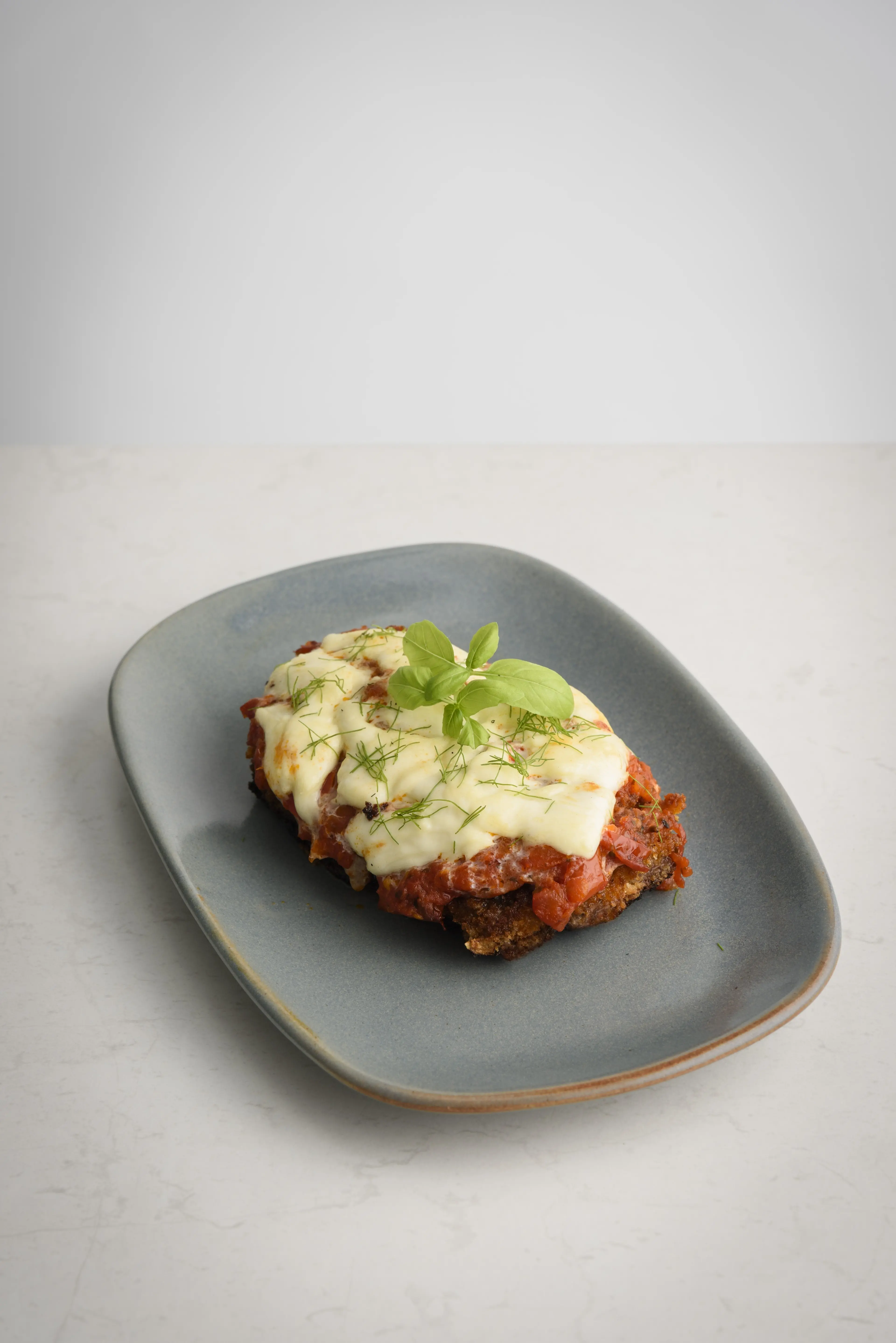
Lamb Heart Parmigiana
Parmigiana is a classic dish. In most Italian towns, you will see a lightly coated Veal Parmigiana included on thoughtfully designed menus. In Australia, the Chicken “Parma” is a tradies’ favourite. There’s something about the combination of a crispy crumb, soaked in rich tomato sauce with the subtle accompaniment of cheese and prosciutto, or “parma” ham.
With a strong philosophy of using all parts of the animal, I’m constantly looking for ways to create an “everyday dish” with items that are often overlooked. Enter this melt in the mouth Lamb Heart Parmigiana.
1 lamb heart (per person)
½ cup flour
2 eggs, beaten
1 cup panko breadcrumbs
1 cup sunflower oil, or any other cheaper oil
2 heirloom tomatoes, quartered
1 Tbsp tomato paste
½ shallot, finely chopped
1 tsp crushed garlic
5g dried basil
2 thin slices prosciutto
½ cup grated mozzarella
Method
Slice the lamb heart almost in half so it can be opened up as a butterflied piece. Opening the heart will make cleaning the inside effortless. Take 2 sheets of cling film (big enough to cover the heart), place the heart between them and lightly tap with a rolling pin or mallet.
Create a crumbing station of flour, egg and panko breadcrumbs. Lightly dust the heart in flour, before dipping in the egg and then the panko, allowing a thick crust of panko to cover and coat it (add chopped tarragon or thyme to your crumb as an option).
Heat a pan over a high heat and add a generous pour of sunflower oil. Shallow fry the heart for 2 minutes each side or until it begins to brown. Once fried, set it aside to rest. Take the tomatoes, tomato paste, shallot, garlic and dried basil and add to your pan. Reduce the heat to a low to medium simmer and gently stir, breaking up the tomato (this should take 10-15 minutes).
Take the prosciutto and lay it on top of the lamb heart. Spoon your tomato sauce on top, ensuring you cover all the edges and surfaces. Sprinkle over a light coating of grated mozzarella and bake at 200°C fan forced for 10 minutes.
This dish goes well with a simple fresh salad or sweet potato mash.
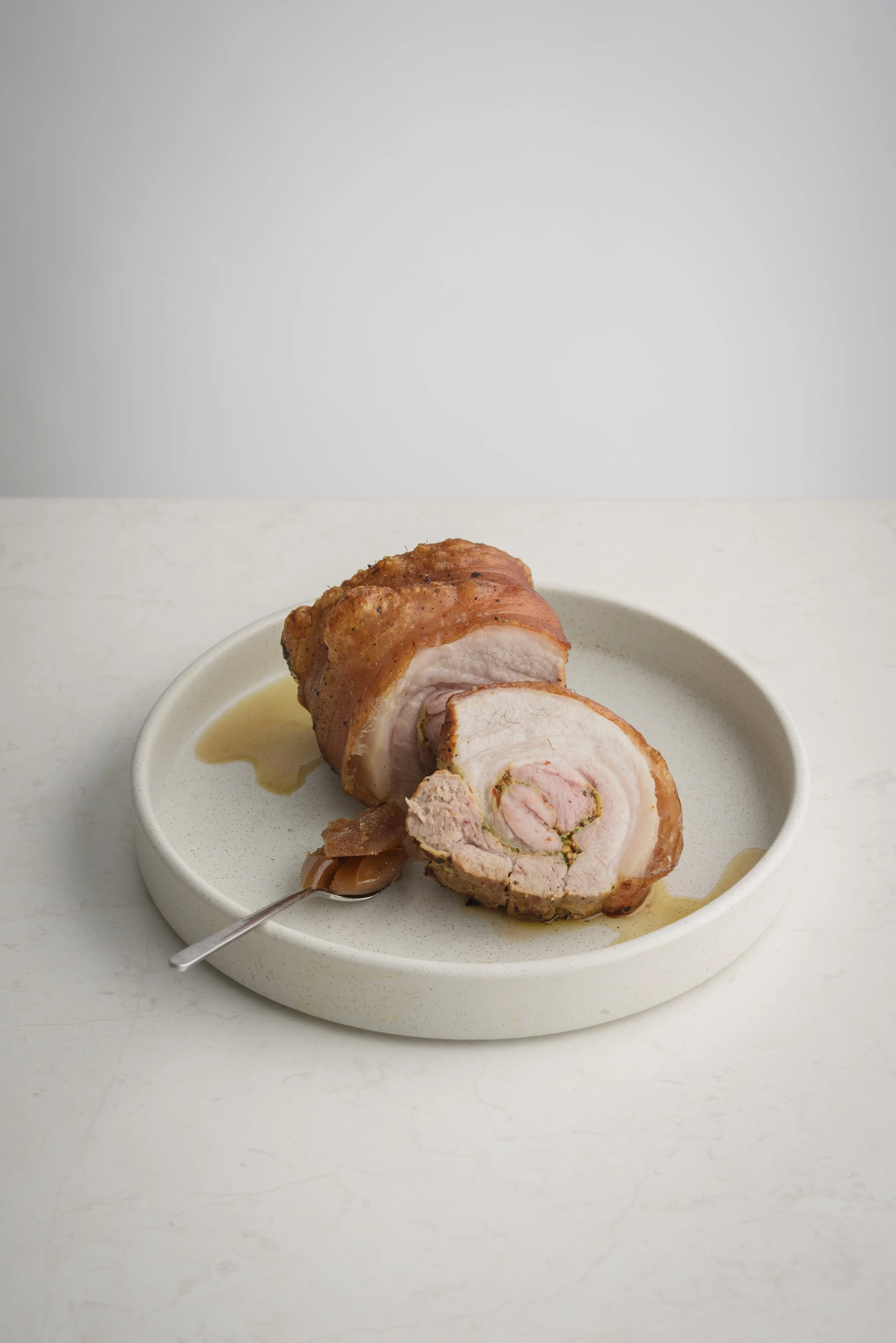
Porchetta with Pear Chutney
Porchetta is a boneless cut of pork, seasoned, tied and rolled, originating from central Italy. There are a lot of different options when it comes to porchetta. For starters, the cut. Some people use the whole middle of pork (eye and belly attached), while others use a boneless pork belly. For this recipe, we have a deboned pork belly (your butcher will do this for you). And always take the bones. You can use them to make a gravy.
1.2 kg boneless pork belly (serves 4)
10g salt
5g cracked black pepper
2 lemons, zested
10g fennel seeds
1 Tbsp crushed garlic
5g fresh thyme, chopped
20ml white wine
10g fresh or dried sage
3 ripe pears
Method
Starting with the flat boneless belly (I buy 300g per person to allow a little leftover for lunches), place skin side down so we can season the meat. This will become our centre. Spread the salt and pepper evenly across the meat. Combine the lemon zest, fennel seeds, garlic, fresh thyme, white wine and sage. Spread evenly over the meat before rolling it tightly, rolling away from you. If you are confident with a butcher’s knot you can tie your roll tightly. You want your roll to be even for cooking time. If you don’t have access to tying, you can simply place some skewers through to hold it together. I score it at the end.
While the meat comes to room temperature (roughly 20 minutes), preheat the oven to 230°C. Season the pork well with salt and place into your oven for 35 minutes.
Remove the pork from the oven and lower the temperature to 160°C. Slice the pears and scatter on to the roasting dish before placing the roasting joint on top and back into the oven for 45 minutes.
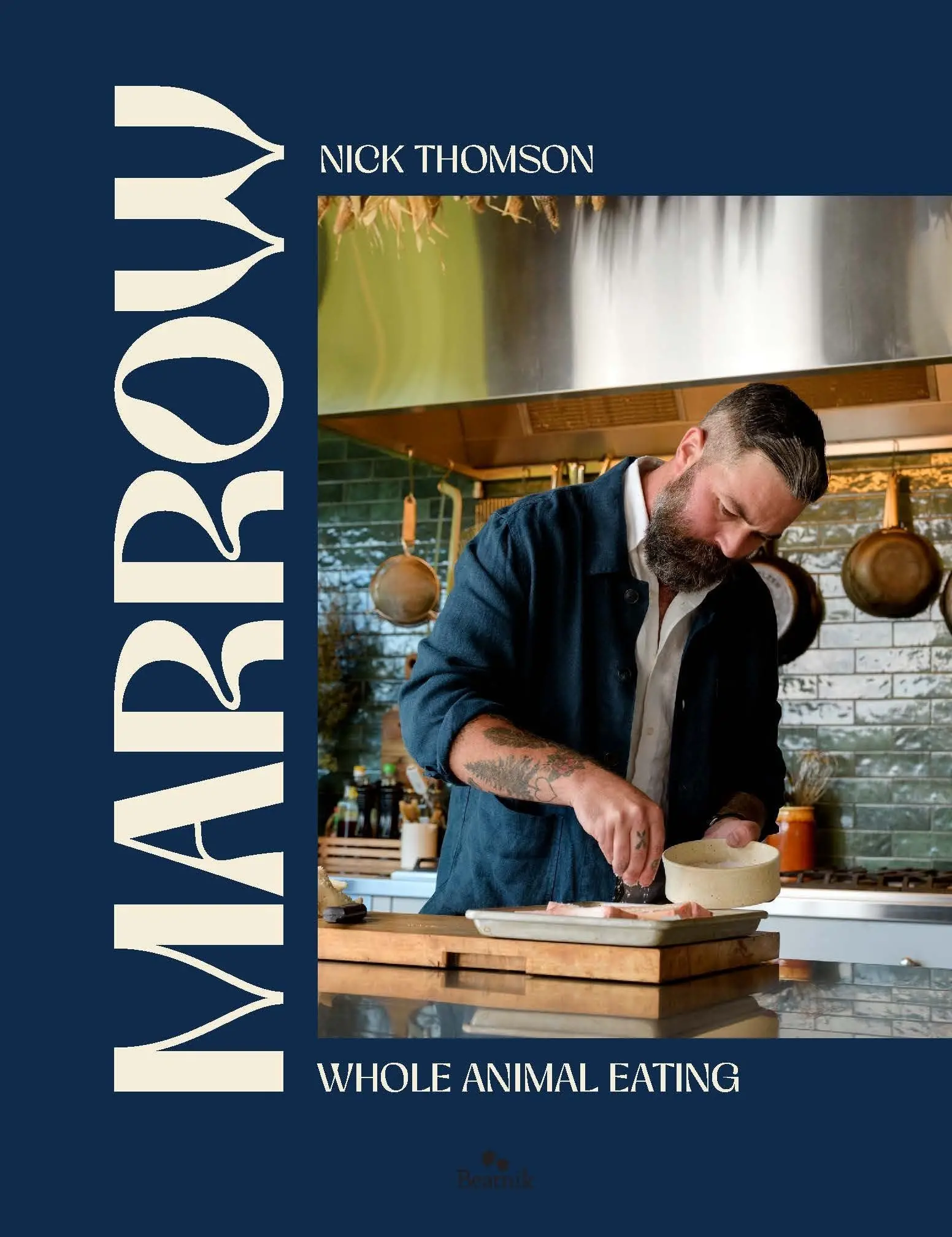
The book: Marrow: Whole Animal Eating, Beatnik, RRP $59.99