
PHOTO
Those scraps you throw away could become tomorrow’s tasty ingredients, write the folks from Love Food Hate Waste.
Most of us have a few foods we automatically throw away without a second thought, such as potato peels, broccoli stalks, bread crusts, cauliflower leaves, and overripe fruit. But what if some of the tastiest, most useful ingredients in your kitchen are actually the parts you're discarding?
As the cost of living continues to put pressure on household budgets, more Kiwis are discovering the value of making the most of every ingredient they buy. It's a timely reminder ahead of the International Day of Awareness of Food Loss and Waste on September 29, a global day that encourages us to think differently about the food we buy, prepare and throw away.
In fact, many of these overlooked ingredients were once regularly used by previous generations. Today, they're making a comeback as home cooks look for creative ways to save money, reduce waste and get more value from their weekly shop.
Take broccoli stalks, for example. While the florets usually get all the attention, the stalk has a sweet, crunchy flavour that's perfect sliced into stir-fries, grated into slaws or blended into soups. Peel away the tough outer layer and you'll find a tender centre that's every bit as tasty as the top.
The same goes for cauliflower leaves and stalks. While the head of the vegetable usually gets most of the attention, cauliflower leaves can be roasted until crisp, added to tray bakes, stirred into soups or blended into pesto. The stalk can also be sliced and added to curries, stews or transformed into pickles.
Celery leaves are another part worth saving. Packed with flavour, they make an excellent addition to salads, soups, pesto, sandwiches and garnishes. They work much like parsley and can add freshness to a wide range of dishes.
Herb stems are valuable ingredients too. Soft herb stems, such as parsley, coriander and basil, often contain just as much flavour as the leaves. Finely chop or blitz them into sauces, pesto, curries, dressings and marinades, or freeze them to add to cooked dishes later.
Vegetable peels are another hidden opportunity. Potato and carrot skins can be tossed with oil and seasoning, then roasted until crispy for a simple snack or side dish. Carrot peels can also be added to homemade stock or blitzed into baking for a sweet option, such as carrot cake or muffins.
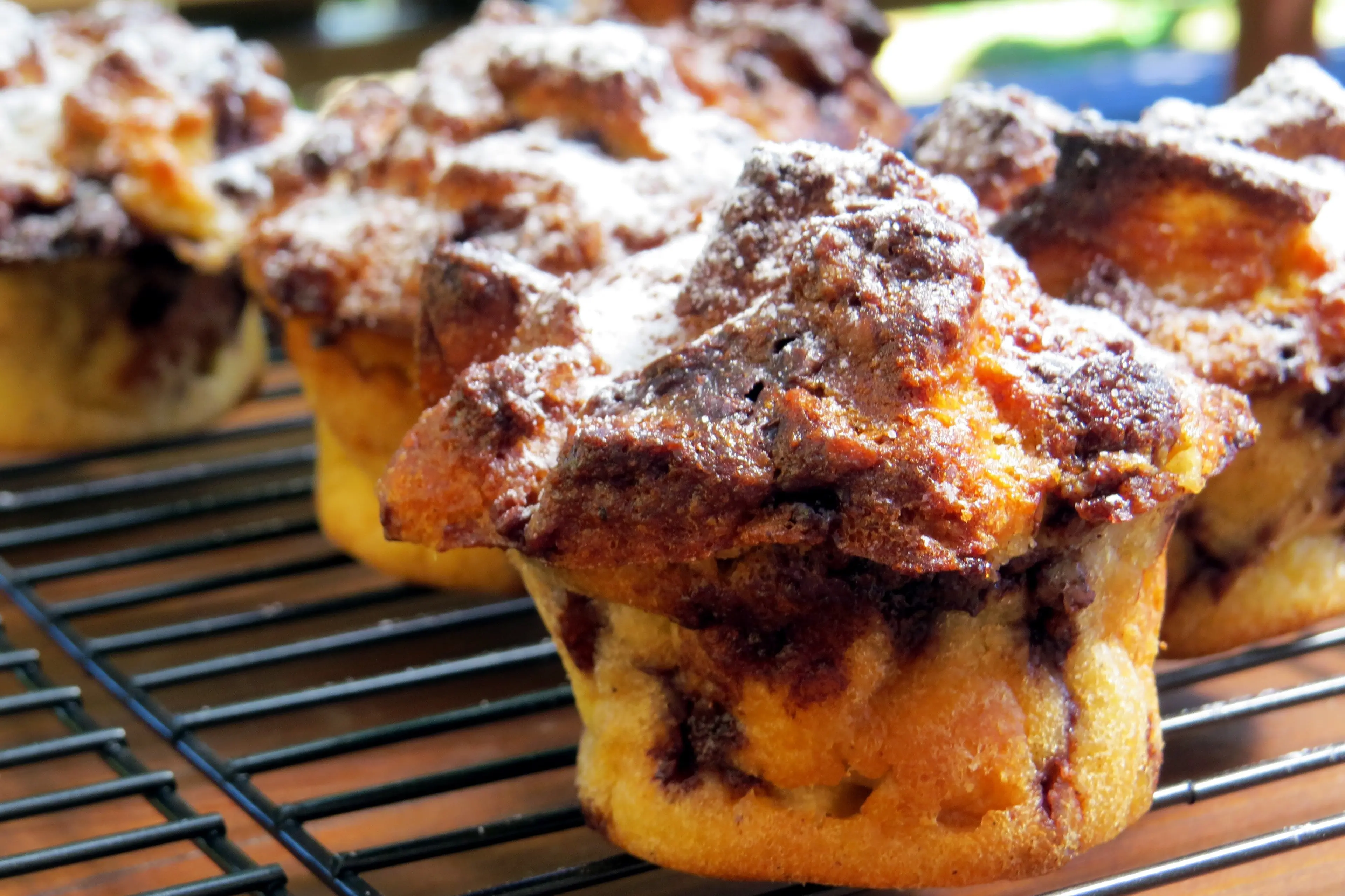
Then there are bread crusts. Save them to make sweet or savoury bread chips, perfect for snacks, lunchboxes or grazing tables. They can also become croutons, breadcrumbs, bread-and-butter pudding, stuffing, panzanella salad, choccy bread muffins or even cake.
Overripe fruit offers plenty of opportunities too. Bananas are the classic example, transforming beautifully into banana bread, muffins, pancakes or smoothies. Soft apples can be stewed into porridge toppings, crumbles or desserts, while citrus peels can be candied, made into syrups for drinks, zested and frozen, or dried and ground into powder to add flavour to baking, sauces and marinades.
Cheese rinds are another surprising ingredient worth saving. Hard rinds from parmesan cheese can be added to soups, stews and pasta sauces while cooking to create extra depth of flavour. Just remove the rind before serving.
Making the most of food often aligns well with curiosity. The next time you’re preparing dinner, pause before throwing something away and ask yourself a simple question: could this be part of another meal?
This International Day of Awareness of Food Loss and Waste, challenge yourself to rescue just one ingredient you would normally throw away. You might save a few dollars, reduce your household waste and discover a new favourite ingredient along the way.
• For more tips, inspiration and recipes, visit lovefoodhatewaste.co.nz or follow @lovefoodhatewastenz on Facebook and Instagram.
Chocky bready muffins
Ingredients
7 cups of bread crusts
½ cup milk
300ml cream, heated (or milk)
4 eggs
100g butter, softened
¾ cup white sugar
2 tsp vanilla
1/3 cup flour
2 tsp baking powder
1/8 tsp salt
½ tsp cinnamon or nutmeg
½ cup chocolate chips
½ cup fresh or dried fruit (optional)
Icing sugar, to serve
Method
1. Preheat oven to 180°C and line or lightly grease medium-sized muffin tins.
2. Cut crusts into 1cm-2cm chunks. Measure 3 cups of crusts and mix with milk, soak for 2-3 minutes and mush with the back of a fork.
3. In a separate bowl mix together cream, eggs, butter, sugar and vanilla. Combine well and add to the soaking bread crusts.
4. Add sifted flour, baking powder, salt, cinnamon, chocolate chips and fruit (if using). Mix well.
5. Finally, add remaining 4 cups of bread crusts and fold quickly until well coated.
6. Spoon into muffin tins and top generously for a high mound on each.
7. Bake for 25-30 minutes until golden brown. Check to ensure the bread tops are crunchy but don’t burn.
8. Cool, sprinkle with icing sugar.
Cooking tips
• 7 cups equates to about one loaf of sandwich bread, trimmed crusts only (not ends).
• Collect crusts and save them in an airtight container in the freezer until you have enough to make the recipe.
• It will appear to be a “sloppy” mix but don’t be concerned! These muffins won’t rise like a traditional muffin recipe, so don’t be afraid to fill each muffin tin to the top then spoon extra to create a generous mound.
• They are very filling and make a snack or lunch-box filler to keep you going throughout the day.
• Store in an airtight container.
• Heat them lightly and serve with ice cream for a dessert.