
PHOTO
“Enter freely and of your own free will!’’ said Count Dracula, welcoming the solicitor Jonathan Harker into his castle. We all know the story of Jonathan Harker and his fiance Mina in Bram Stoker’s novel, and we all know what happens when you invite a vampire into your own home as Mina did — you gift them the freedom to mesmerise you and drain you of your lifeblood.
But it is not only the vampires in human form that we should be alert to. Right now “energy vampires” are hovering around and seeking to establish a hold over us while people are struggling with energy hardship, and power prices continue to rise. However, they haven’t yet succeeded in bending us all to their will.
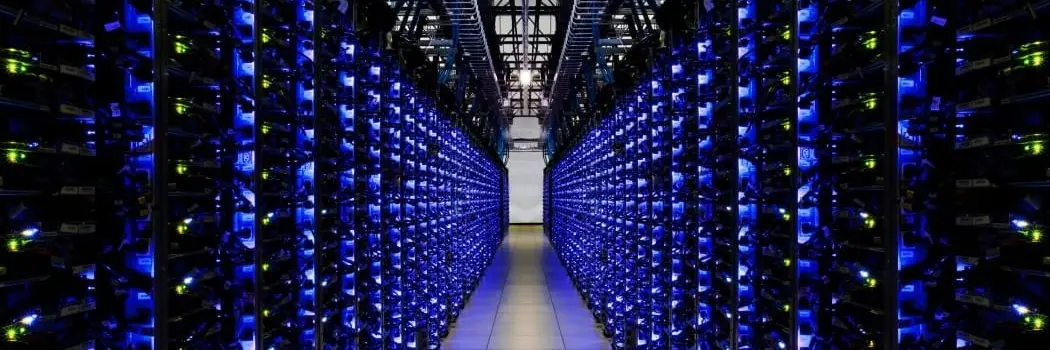
The door is being held open for those very energy vampires here in New Zealand, and none of us were asked. The AI data centre boom is already driving a huge surge in electricity demand around the world and threatening climate goals with it.
We’re about to find out what that means for our power bills and emissions, if we can clear our minds and focus.
The Prime Minister admitted this past week that he had received no advice on how these power-hungry industries could push up prices for everyone else. That has not slowed the government down though, with InvestNZ pushing ahead with an open invitation to AI companies to set up shop here.
Datagrid, a Singapore-based company, has already secured resource consent for a $3.5 billion AI data centre on a 49ha site at Makarewa, near Invercargill.
The hyperscale facility is expected to use about 6% of the country’s total electricity supply — more than 300,000 households use. Some of that will come from new wind generation. Back-up supply may come from as many as 84 diesel generators, the consent tells us, with the emissions that go with them.

Mercury Energy has agreed to supply Datagrid with 1.2TWh of wind generation a year, citing the data centre’s demand as the reason to build more renewable capacity, rather than lowering power prices for families. More generation built for one corporate customer, with no commitment that ordinary Kiwis see even a cent of relief in a cost-of-living crisis.
Plenty of people are touting the benefits of AI, and some of them are real. It can help run electricity grids more efficiently, manage congestion in our cities and speed up research.
But when the owners are offshore, the customers are global tech firms, the jobs are few, the local economic benefit is thin and there’s zero requirement for these data centres to provide their own renewable power, we should ask what value we are actually getting. Are we sleepwalking into a future where global corporates make decisions that belong to local communities?
That is the risk in the government’s open invitation. Community concerns overseas have already produced rules for AI data centres. Here, we are leaving it wide open, as if market forces will deliver public benefit on their own.
What we need is a proper robust national conversation before we go any further. As Green Party co-leader Chloe Swarbrick says, ‘‘If we are going to let these things be built, we should at least understand who is benefiting and ensure we protect our natural resources and communities. That’s why the Greens are calling for a one-year pause, to allow intentional regulation to be developed.’’
The question in front of us is simple enough. What matters more, affordable power for all of us, or free rein for a global corporate to draw on our energy and local water for its own gain? Are these things draining cheap renewable electricity at exactly the moment households need it most? Or can they be made to work for the country that hosts them?
At the very least, any future data centre should have to prove it will not worsen electricity affordability, dry-year security or emissions. That is a floor, not a ceiling.
We should also look seriously at publicly owned or publicly controlled data centres for the infrastructure that matters most: public services, health, education, research, archives, disaster recovery and sensitive data that should stay under New Zealand jurisdiction and accountable governance. Other countries are doing this. There is no reason we cannot.
So, let’s not rush into gifting our energy to global corporates. Let’s have a say in our own future and invest in the democratisation of our energy system, so the benefits land with households and communities here.
Sunlight is the best disinfectant and just as vampires lose their power when exposed to sunlight, more transparency would benefit us all, before our renewable energy supply is drained any further, while Kiwi households are doing it tough.
Scott Willis is an Ōtepoti/Dunedin-based Green Party List MP. Each week in this column writers address issues of sustainability.