
PHOTO
One’s first sight of the Caucasus takes one’s breath away. Elbrus, the highest mountain in Europe, towers up to 5642m and is permanently snow covered.
Maikop is an archaeological gem that lies on the northern side of the Caucasus and it was there, in 1897, that an excavation took place that has generated controversy and fascination ever since.
Maikop is a kurgan — a raised mound that covered a human grave. To this day, the kurgan stands 11m high and 100m across. Opening it revealed a virtual Aladdin’s Cave because, unlike so many of these mounds, it was never looted.
There were three stone-lined chambers, each with wooden walls and a roof, so the dead were entombed in an open space.
The central grave contained a middle-aged man on his back with his legs contracted and his arms over his upper body. The other two, another man and a woman, were laid out in a similar way. We now know, thanks to radiocarbon dating, that they were interred about 5800 years ago — that is over a thousand years before the famous royal graves at Ur in Iraq.
Imagine the awe experienced when the archaeologists began uncovering the man’s skeleton. He had been dressed in a garment covered with golden plaques of bulls and lions. He wore 5671 golden beads and hundreds of silver, turquoise and carnelian.
Models of golden bulls accompanied him, along with his copper dagger with silver rivets and his spears. The golden bands under his skull probably supported a headdress.
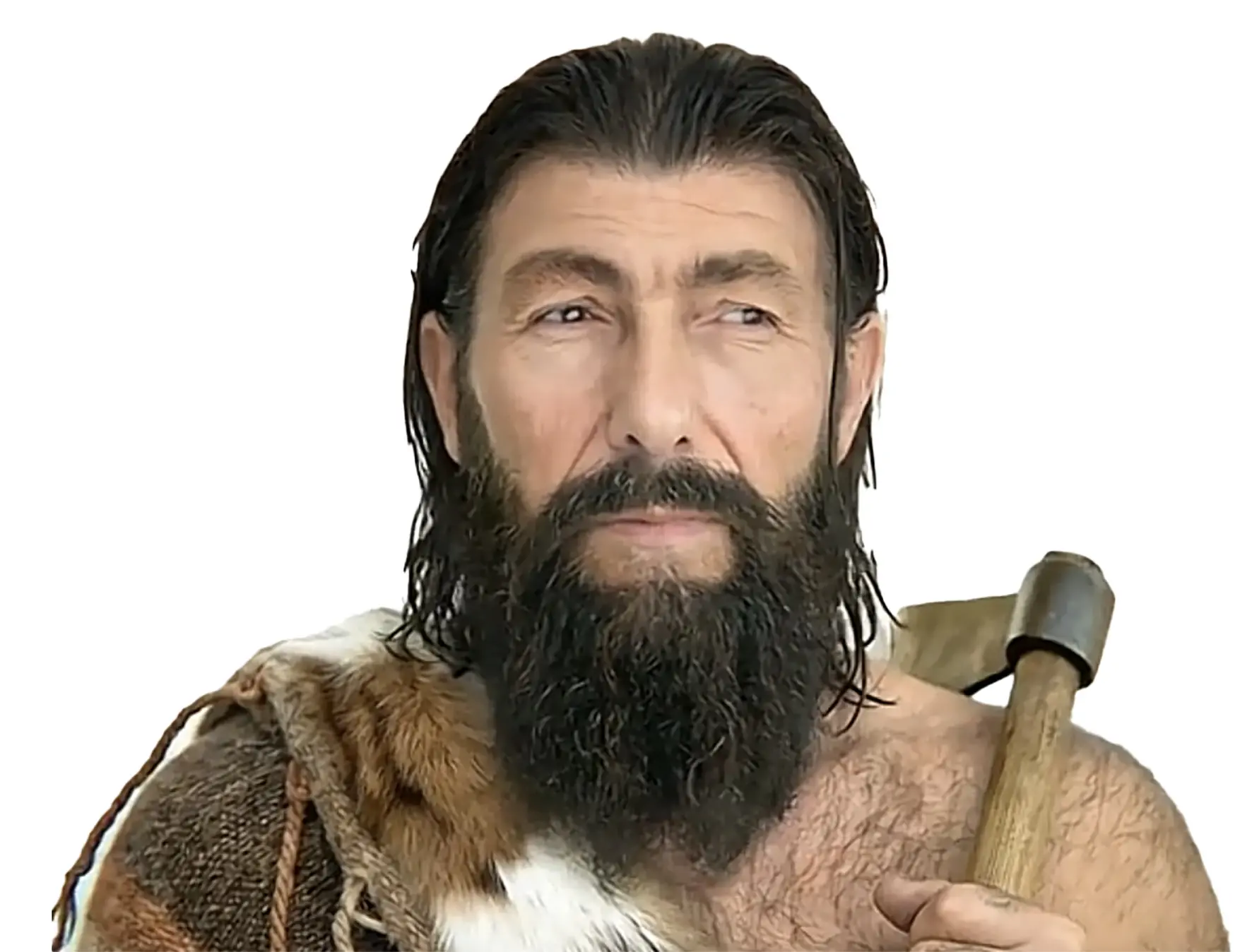
He was surely a warrior prince, but the eight gold and silver tubes that had been placed directly on his right side have long been enigmatic. They were long, at 1.12m, and decorated with gold and silver bull figurines, but what purpose did they serve?
They were once seen as supports for the roof of the burial chamber, and then as sceptres to symbolise exalted status. However, archaeology is constantly advancing, employing new analytical methods, and we now know that they were, in fact, drinking straws.
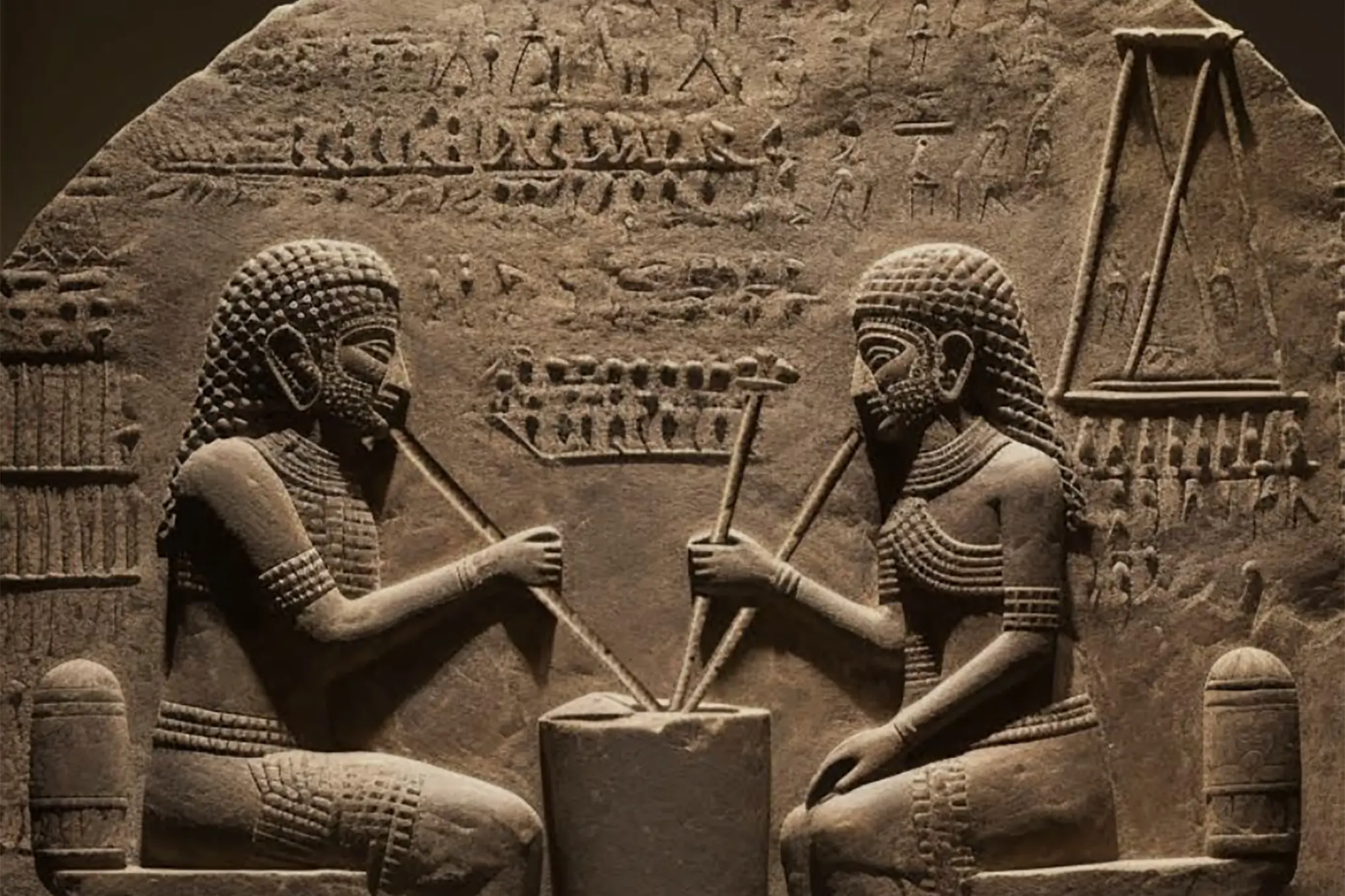
First, they were fitted with a filter to trap unwanted particles in the drink and, most importantly, fragments of barley residue lurk within the straws. So, the Maikop aristocrats would feast together, drawing their beer through silver and golden straws from the bronze cauldrons that had been placed in this tomb. We even have an image of such a drinking bout from the later Sumerian civilisation.