
PHOTO
How we weave culture into our children’s lives matters, Wahineata Smith writes.
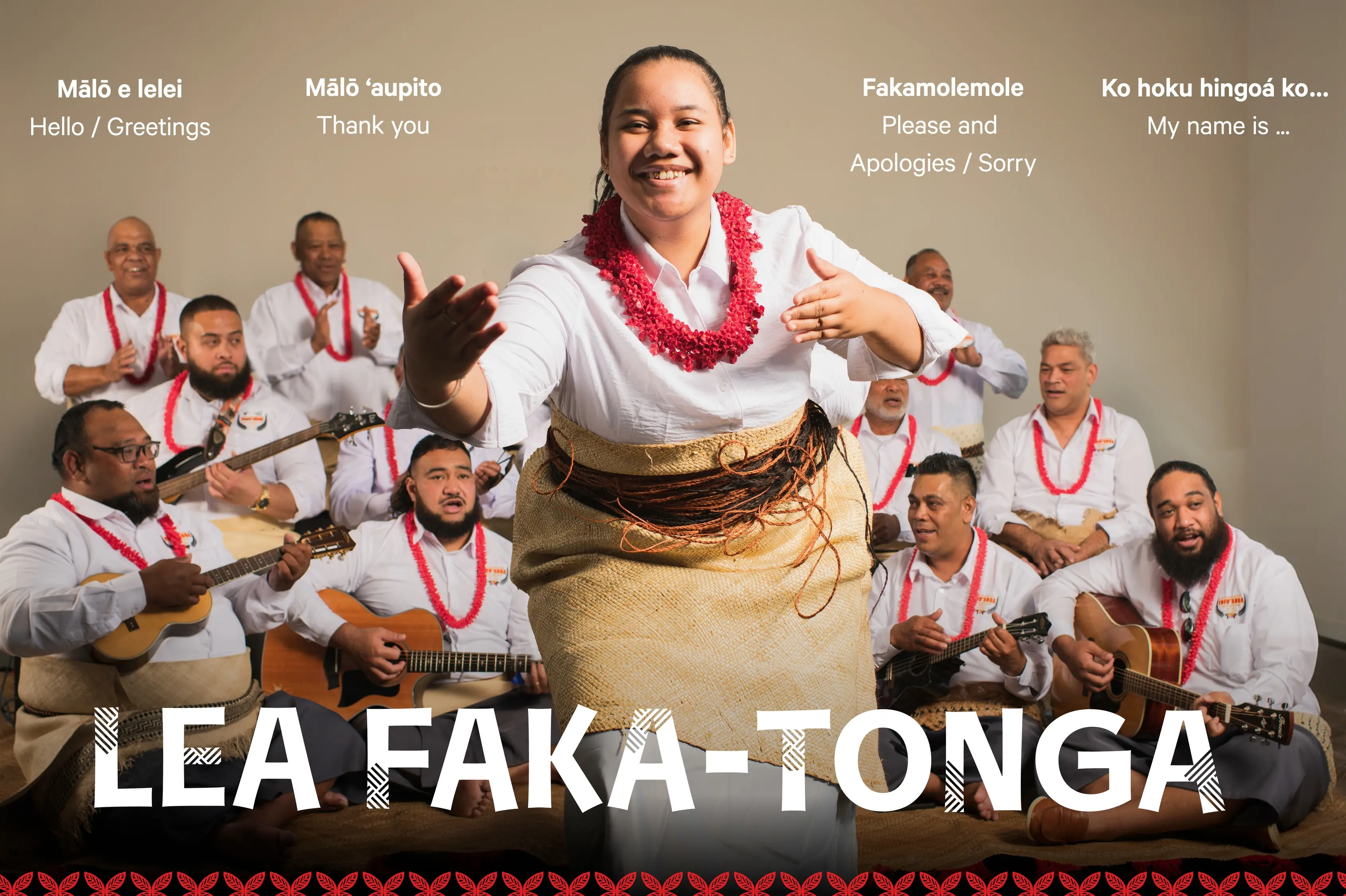
Last week, our whare had a little more lea faka-Tonga in it, a little more of the Tongan language. I was more intentional about speaking to my children, encouraging them to respond and making space for conversations that might otherwise be hurried past in the busyness of everyday life. We talked about Uike Kātoanga’i ’o e lea faka-Tonga, Tonga Language Week, and in some cases, the children themselves shared with their schools that it was happening.
That is not a criticism. It is simply the reality of raising children who carry more than one culture and language in Aotearoa — and in my case, of my children being proud Tongan (and Māori) and being in an educational environment that allows them the space to share that piece of who they are.
Part of an academic role is to research, and my research looks at Māori and Tongan whānau raising children in Aotearoa. It explores the ways cultural and linguistic knowledge is maintained and passed between generations. It began as a small, localised study with whānau here in Ōtepoti, but it has grown into something much bigger. I have secured research funding to continue this work through to 2030, giving me time to sit with more whānau, listen to their experiences and better understand what happens inside homes where more than one culture is being carried.
But I am not researching this kaupapa simply because I am a researcher, I am a māmā too. The stage of life I am in, raising children who carry Māori and Tongan whakapapa, is the reason these questions matter so much to me. My children and the generations that come after them are part of the reason I want to understand what we are doing well, where the gaps are and what we might do differently.
The whānau who participate in my research are not simply people I collect stories from and then walk away from. They are co-creators of the research. We share experiences, knowledge and questions because we are not that different. I am a participant whānau and a researcher. I am in this with them, not standing outside looking in. And being more intentional with Tongan culture and language learning, especially during Tonga Language Week, has been one of the outcomes of that research for me. What I am learning through the research is coming home with me.
And in a few weeks from now, it’s Te Wiki o te Reo Māori.
That week has a different feeling in our whare. Te reo Māori features a lot more than lea faka-Tonga in my home. I am Ngāti Korokī Kahukura, Waikato, Ngāti Ranginui — I work in a space where Māori and Pacific cultures are taught, valued and lived. One of my children attends a Māori medium school, and at home I am the māmā, often carrying the cultural labour of our whānau, sometimes without even realising it. Sometimes, it is simply in the way I speak, the people I connect with, the things I prioritise and the way I live. Our children are more likely to encounter te reo Māori without having to explain why it matters.
One finding that has continued to sit with me from my preliminary research is the role of mothers. I have written about the role of mothers in this column before, but amongthe whānau I have spoken with, it is often mothers who are the instigators of language and cultural transmission. Culture is not only passed down through formal teaching. Mothers often initiate it through the everyday decisions they make: the language spoken at home, the people children spend time with, the places they are taken, the stories they hear and the practices that are made part of family life.
And yes, sometimes it is intentional. I might decide we are going to practise lea faka-Tonga, I might take my children somewhere because I want them to know a particular person or place, or I might take the time to explain why something matters. Other times, children are simply just quietly observing.
When parenting, children notice what we make time for and what we don't. They hear what is said and what is not said. They notice which language we use, who we visit, what we celebrate, which stories we tell and what we leave out. They learn what we value by what we prioritise, and what we don't value by what is absent.
These quiet observations matter because identity, belonging and wellbeing are shaped through these everyday experiences. For children, like mine, growing up with multiple cultures, it can also influence which parts of themselves they feel confident to carry, proud to share and pass on to their own future children.
For Aotearoa, this matters too. As our population becomes increasingly culturally diverse, the cultural knowledge, languages and traditions our children carry will shape the communities and generations that come after us. Yes, language weeks provide an important opportunity to celebrate and create visibility, but language and culture cannot be sustained in a single week. They have to be lived at home, with our whānau, and integrated in our everyday lives.
So, as we move from lea faka-Tonga towards Te Wiki o te Reo Māori, the learning in my whare is less about what I need to teach my children and more about recognising what they are already learning from me. As parents, we don't have to pass everything on perfectly — is there even such a thing? But we do have a responsibility to make sure our children know who they are, where they come from and that their languages and cultures are valued and worth passing on.
What are your children seeing you intentionally pass on?