
PHOTO
There’s a story of continuity playing out at Uenuku, the wharenui at Moeraki Marae.
At one end of the whare, upoko David Higgins stands next to a photograph of the storied rangatira Matiaha Tiramōrehu, sharing the hall’s recent history. It’s a tale of preserving connection and the active work of belonging.
At the other end of the whare, just inside the entrance, Ana Faau sits in front of a wall of photographs, her tūpuna, describing how her young family chose to embrace legacy and be part of Moeraki’s future.
They kōrero separately, Higgins and Faau, uncle and niece, one after the other, but the storylines weave together to create something cohesive and whole.
Kia whakatōmuri te haere whakamua, they walk backwards together into the future.
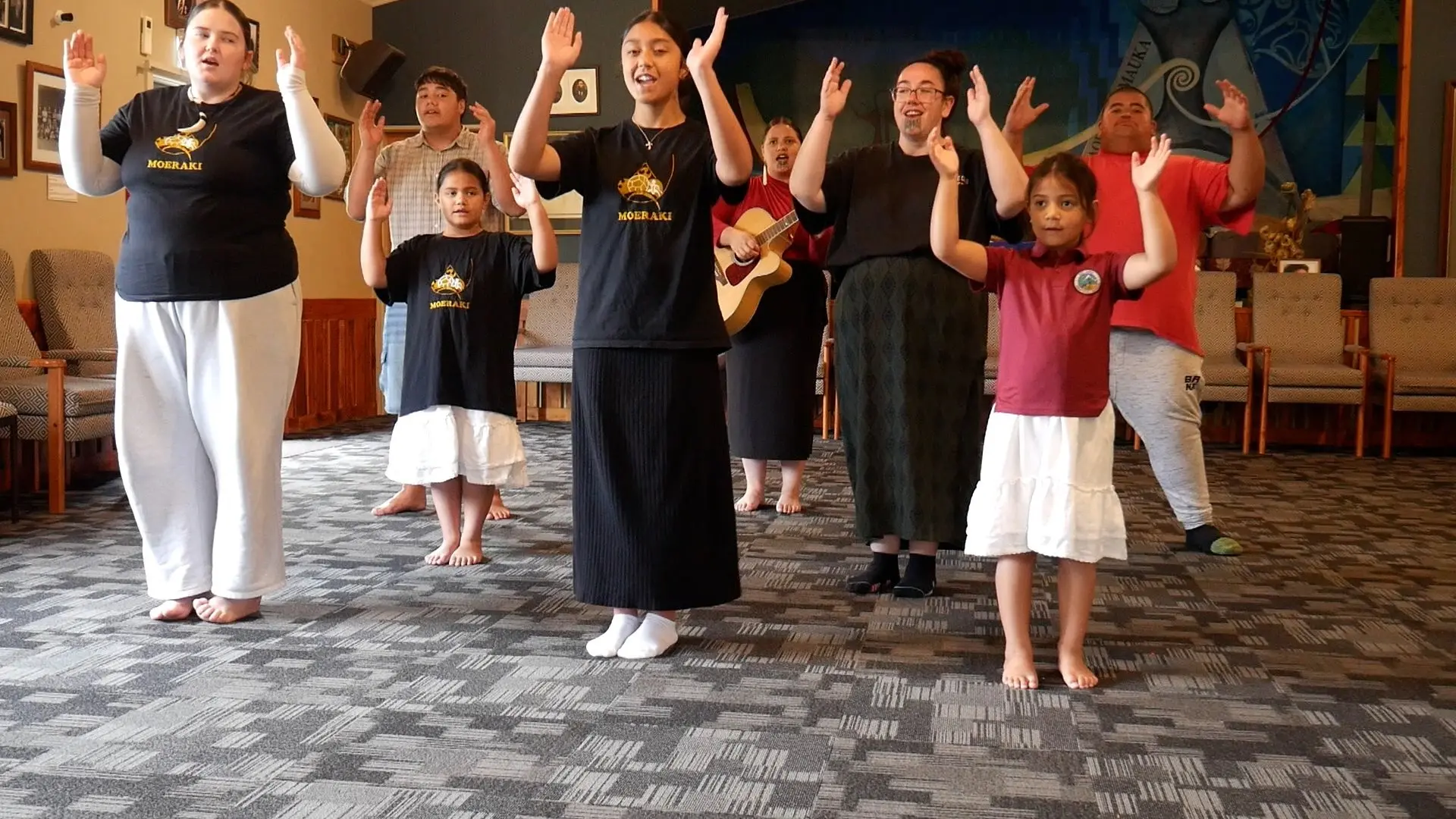
“Ko Te Rapuwai, ko Waitaha, ko Kāti Māmoe, me Kāi Tahu whānui ōku iwi,” Higgins begins, listing his iwi.
“Nō Moeraki ki te tūrakawaewae.”
Moeraki is his home.
“Nō te whānau Mamaru me te whānau Tipa ōku tūpuna.”
Higgins’ tūpuna were Moeraki and Kakaunui rakatira, Rawiri Te Mamaru, and Moeraki rakatira, Teo Pita Tipa.
“Kia ora tātou katoa.”
Higgins reaches back to events witnessed only by those who now adorn the walls, a past that in a very real way provides the foundation for today’s Uenuku.
‘‘Initially, the old hall was built at the kāik, the original settlement of Moeraki,’’ Higgins begins, sketching an outline for the imagination to colour.
It too was called Uenuku, named for a tupuna from far distant Hawaiki.
Although Uenuku himself didn’t come to Aotearoa or Te Waipounamu, his son Paikea did and that genealogy is further remembered in the marae’s wharekai — its dining hall is Wairutuatai, named for Paikea’s first wife.
‘‘I remember a number of years ago, I had Dame Te Atairangikaahu here, the Māori Queen, and her husband,’’ Higgins recalls.
‘‘When we drove past here, before we stopped, she saw the name Uenuku and thought it was the Waikato-Tainui rainbow story.’’
Uenuku, the rainbow, is an important figure in Waikato legend, connected also to an ancient carving.
‘‘But I explained to her that it wasn’t. This was our atua, and well-known up the east coast of both islands.’’
The Queen was visiting the whare where it stands today, at the southern edge of the peninsula’s fishing village.
The old hall stood further south, where Tiramōrehu established his settlement, his kāik, in the early 19th century.
‘‘As time went on, we found that access to the kāik was becoming more difficult,’’ Higgins says.
The butcher, the baker and the doctor were all finding it hard to access, the doctor in particular refusing to travel down the grass access track.
So, the decision was made by a number of families to move from the kāik closer to the Moeraki fishing village.
‘‘I guess, in time, our people decided that it was not appropriate to leave the old hall, Uenuku, and our church, the whare karakia, down at the kāik alone. So, what they did was they decided to actually transport the hall to this site. The reason why the hall is sitting on the site is that this is the boundary, the northern boundary of Moeraki reserve, Moeraki Native Reserve, which was allocated in the 1840s.’’
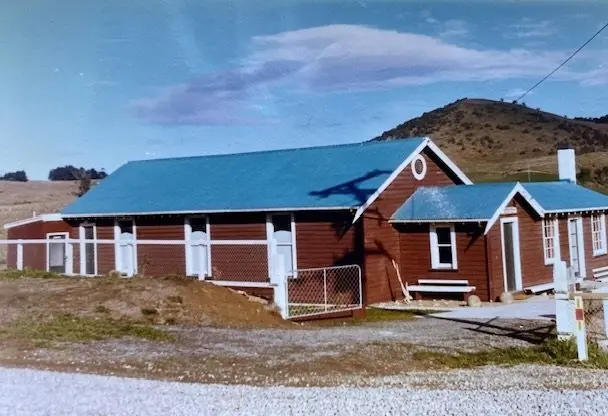
And there the old hall stood for the next half century, through to about 1980.
But by that time it was old, cold and draughty, so the marae elders decided it was time for renewal and plans were drawn up for Uenuku 2.
‘‘The old hall is buried underneath this floor,’’ Higgins says of where he stands.
‘‘We opened this whare in 1986.’’
It was a community effort, rūnanga members bringing the skills they had and donating the time they could afford, their work co-ordinated by a single registered builder.
‘‘Many of us had never strapped on a nail bag in our lives. We would be out fishing in the morning, come home, take off our gumboots, put on a decent pair of boots, put on a nail bag, and come up here and build this.’’
Then there is the story of the wharekai, Wairutuatai, which stands along the northwest wall of Uenuku to catch the sun. It was brought in from Twizel.
‘‘It was cut in half by myself, with a chainsaw, and the other half is actually the wharekai at Waihao, at Morven, just up the road. They were both delivered here by truck.’’
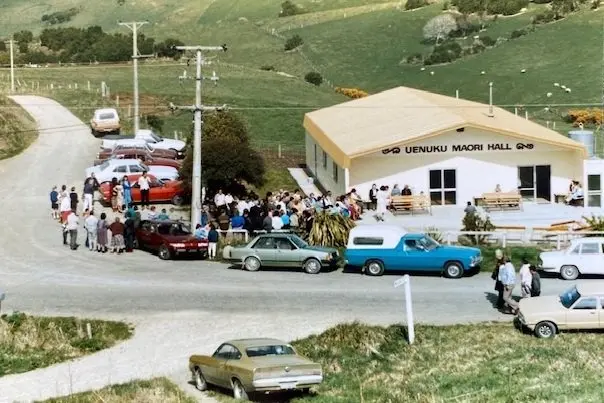
Work at the marae has continued, and is continuing, building on its capacity as a hub for the community.
‘‘The marae itself has developed over time to become a fully-fledged and consecrated marae. We use this facility for all sorts of events, and we’re pretty happy with what we have at the present time.
‘‘We are going to have some quite substantial refurbishments going on outside shortly, so we look forward to that happening.
‘‘But that’s the story of Uenuku. And as you can see, our tūpuna have looked down upon us from around the walls. Many of us haven’t put up our family loved ones yet, but in due course we will.’’
Higgins then passes the rākau to Faau, who has positioned the chair on which she sits for a particular tupuna on the wall behind her, Aunty Flo.
‘‘Kia ora, ko Ana tōku ingoa, ko Ana Faau ahau,’’ she says by way of introduction.
‘‘Nō Ngāi Tahu ahau, nō Moeraki, nō konei.’’
She is from Ngāi Tahu, from Moeraki, from here.
‘‘Nō te whānau Rehu me te whānau Te Au.’’
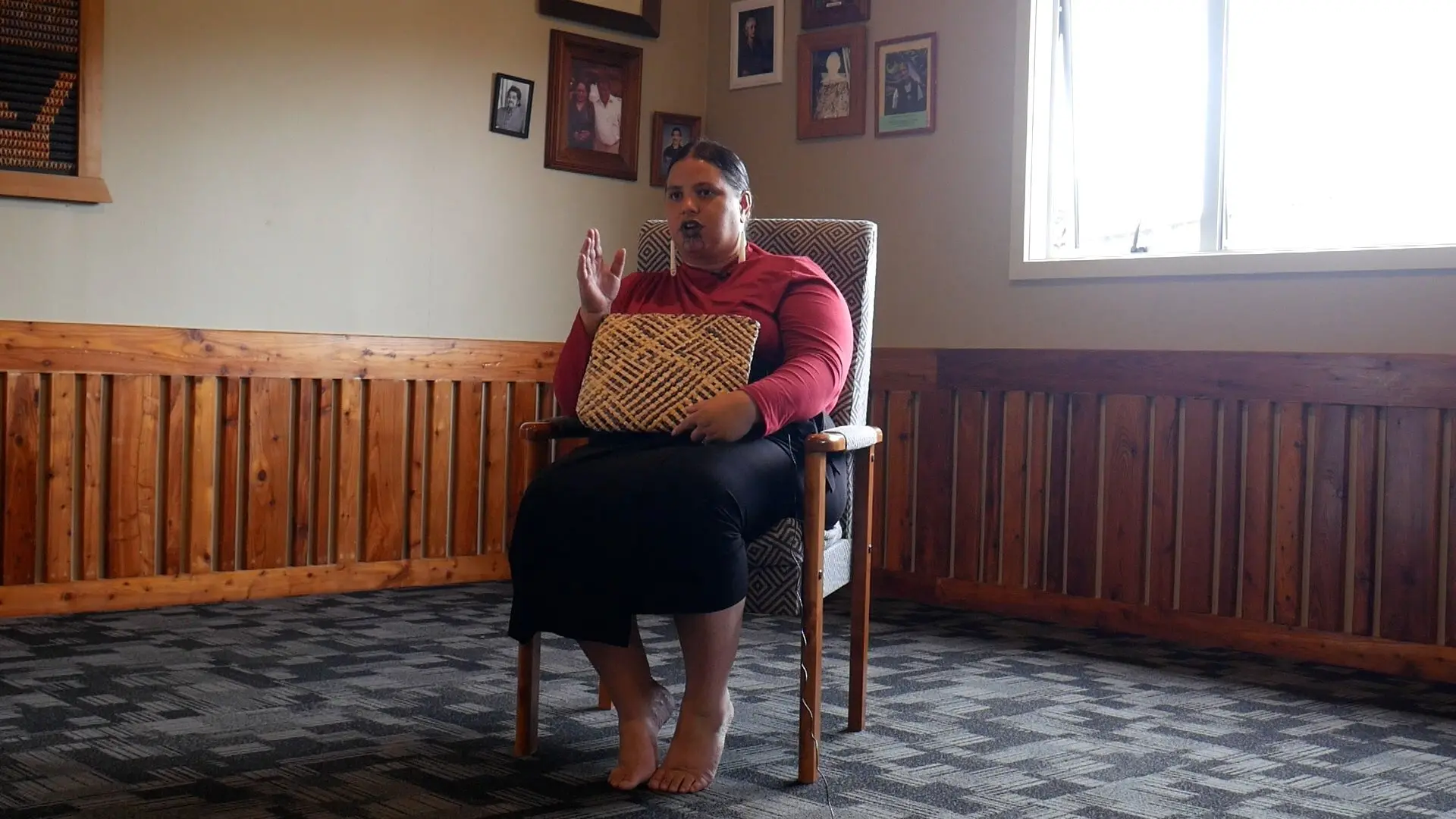
These are her families, Rehu and Te Au, whānau who have lived here for generations, as Ana Faau and her family do now.
Faau and her whānau, her husband and five children, relocated from Christchurch back to Moeraki just a year or so ago.
‘‘I say back because our family, the Rehu family, we came down from Kaiapoi after the sacking of the pā there and came here to Moeraki as safe haven.’’
That was the sacking at the hands of Te Rauparaha, during the wars with Ngāti Toa.
‘‘And over generations we lived here.’’
But of course, for there to be a return, there also has to have been a leaving.
That story goes back some time too. Her great-great-grandmother and great-great-grandfather left to find work, Faau says.
‘‘There wasn’t a lot going here at the time. So, my great-great-grandfather, he ended up working on, I believe, a Doc [Department of Conservation] contract down in Tuatapere cutting scrub.’’
That was the last time her family were ahikā, those who kept the home fires burning, at Moeraki, she says.
But they’ve continued to have ahi teretere, to light a fire there from time to time over the years, as they’ve gone back and forth from various homes.
‘‘And thankfully, we’ve not become ahi mātao in our whānau,’’ she says.
The fire was never allowed to go cold.
Much of the credit for that lies with her great grandmother, her taua Flo, she says — who looks down from the wall behind, a red cardigan wrapped around her shoulders. It was her parents who had moved to Tuatapere.
Taua Flo’s path through life tracked north to the Wairarapa, to Masterton, where she raised a family.
‘‘There were lots of Moeraki whānau who moved to Masterton. There’s still a lot of Moeraki whānau who live in Masterton, many who are in shearing gangs.’’
But Taua Flo continued to visit south.
And Faau’s nana, Pam, a member of the Te Au whānau, was raised by Taua Flo’s parents down around the south — Tuatapere, Bluff, Colac Bay and Pahia.
It meant the family could make regular visits to Moeraki.
Then, finally, it made sense to bring the family back for good.
‘‘I hiahia ahau kia hoki Māori mai mātou ki tō mātou pā, kia noho Māori mai mātou i tō mātou whenua Māori, i konei, i Moeraki, i te pā i tipu ake ai ōku tīpuna, a Neni Pani mā, i tēnei pā o Moeraki.
‘‘I wanted to bring Māori back to our pā, to bring Māori back to our Māori land here in Moeraki, to the pā where my ancestors grew up, Nanny Pani’s pā in Moeraki.’’
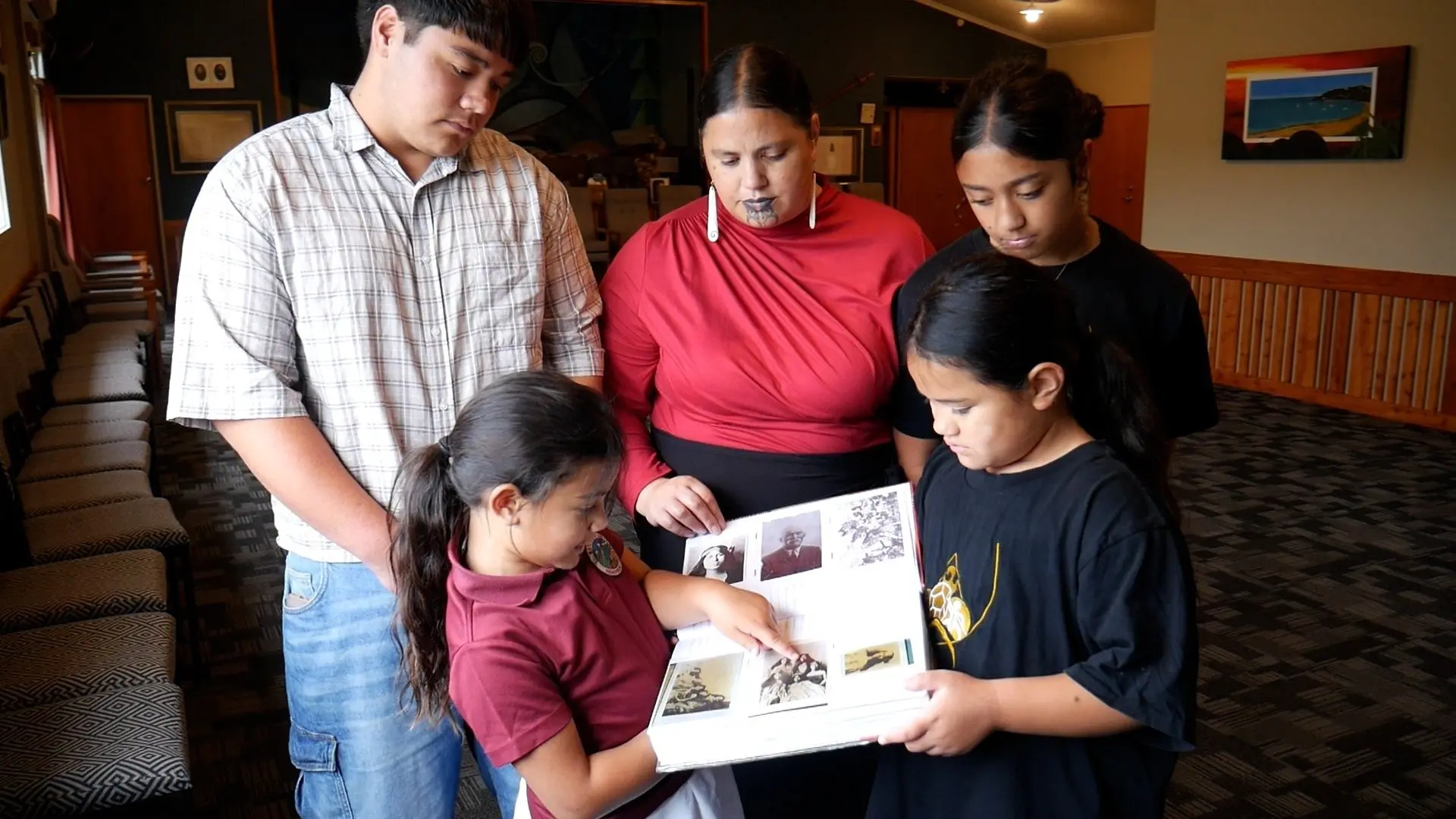
For Faau, it’s not just a matter of moving to be closer to these memories of her ancestors, but also to live among the names that narrate the land.
There’s always been a strong spiritual connection to Moeraki, she says, something she has always felt.
‘‘I accepted that that was part of being from here.’’
But in recent years, Te Rūnanga o Moeraki kaiwhakahaere Justin Tipa had brought to her attention a resource of Moeraki place names credited to her great, great, great grandfather, Henare Te Kooti Rehu.
‘‘We know him as Pōua Scotty.’’
The names were recorded by ethnographer William Anderson Taylor over a series of conversations early last century.
‘‘Recently, late last year, we had a wānanga with Takerei Norton, from the Ngāi Tahu Archives, and he referred to William Anderson Taylor’s notebook. And then he turned to me and shot a look at me and said, ‘from your pōua’, so that was really, I suppose, another full circle moment. So, you know, trawling over W.A. Taylor’s handwriting and seeing my great, great, great grandfather’s name up in the top margin, Scotty Rehu, and having a deeper understanding now about what these place names mean, now that my family and I aren’t just visiting for a weekend anymore, but are seeing the changing tides and seasons, has been really quite meaningful.’’
These names are now part of the family’s everyday lives. At the school in Hampden, her children sit in classrooms with the names Kurinui, Kuriiti and Koekohe, referencing local rivers and the beach — all names talked about by her pōua.
‘‘Really, really cool for our kids to know that they have some history here, that they can actually reach out and touch, and that they are living those names in their everyday lives.’’
Living the names has become a way of serving the rūnanga, to keep the language alive, keep the traditions alive, to maintain connections to people and the land.
Their children are being brought up with Kakaunui and Kohurau, the original names for Kakanui and Kurow, and the meaning behind them — it will be their responsibility to uphold them for the future.
‘‘One way that we’ve done that is to sing about them, because it’s easier to retain information if it’s in a song. It’s more fun. There’s more connection.
‘‘We’re really blessed to have lots of composers from here. So, we’re never short on a song or a ditty.’’
Last year, she says, they had three Moeraki hotshot composers come down to lead a songwriting wānanga, Dr Hana O’Regan, Marlon Williams and Mara TK.
‘‘Usually, you’d be lucky to do one song in a day, and there was quite a crowd in here and we didn’t have many spaces to break up the different composition groups, but we ended up having four songs come out of that wānanga.’’
Sometimes, it’s less formal.
‘‘Other times, I’ll just walk over from one house to the other, my house to my cousin Jamie’s, and say, ‘cousin, we need a whakaeke (entrance song) for this performance coming up’. And so, we’ll sit together, and between her and I, we’ll start talking about all the different — mainly her, she knows a lot about the area, so she’ll talk about, ‘oh, there’s this type of species in this water’, and I’ll say, ‘oh, how does it move? What way does it wriggle? Does it have a friend? Where do they find one another?’
‘‘And then I’ll put some words together, and then we’ll run it past our kaumātua, make sure it gets the tick of approval, and then we put it out to the rōpū.’’
It all helps to deepen the mātauranga shared by the Moeraki community.
‘‘You know, these old people,’’ Faau says of the faces behind her, ‘‘they went through a lot, a lot of sacrifices.’’
It was their hard work and fundraising, their mahi aroha, that built Uenuku, so the generations that followed had somewhere to gather.
‘‘So, we’re really fortunate to be in the position that we are.’’
This work of generations also offers an opportunity to the wider community, Faau says, to engage with the mātauranga of the rohe that’s captured by its names.
Have a go, she says.
The pronunciation might not be easy at first and mistakes will be made, but that’s how learning works.
‘‘We all gain from it, we all learn from it and we all grow from it together as one people when we give life to those important, meaningful names, what they represent and who was a part of that naming process when it took place all those generations ago, back before the time of cell phones and recording devices, when all we had was our tongue and our ears to pass that information on from one person to the next. It’s in the connection and the relationship with each other that we serve each other in that way.’’