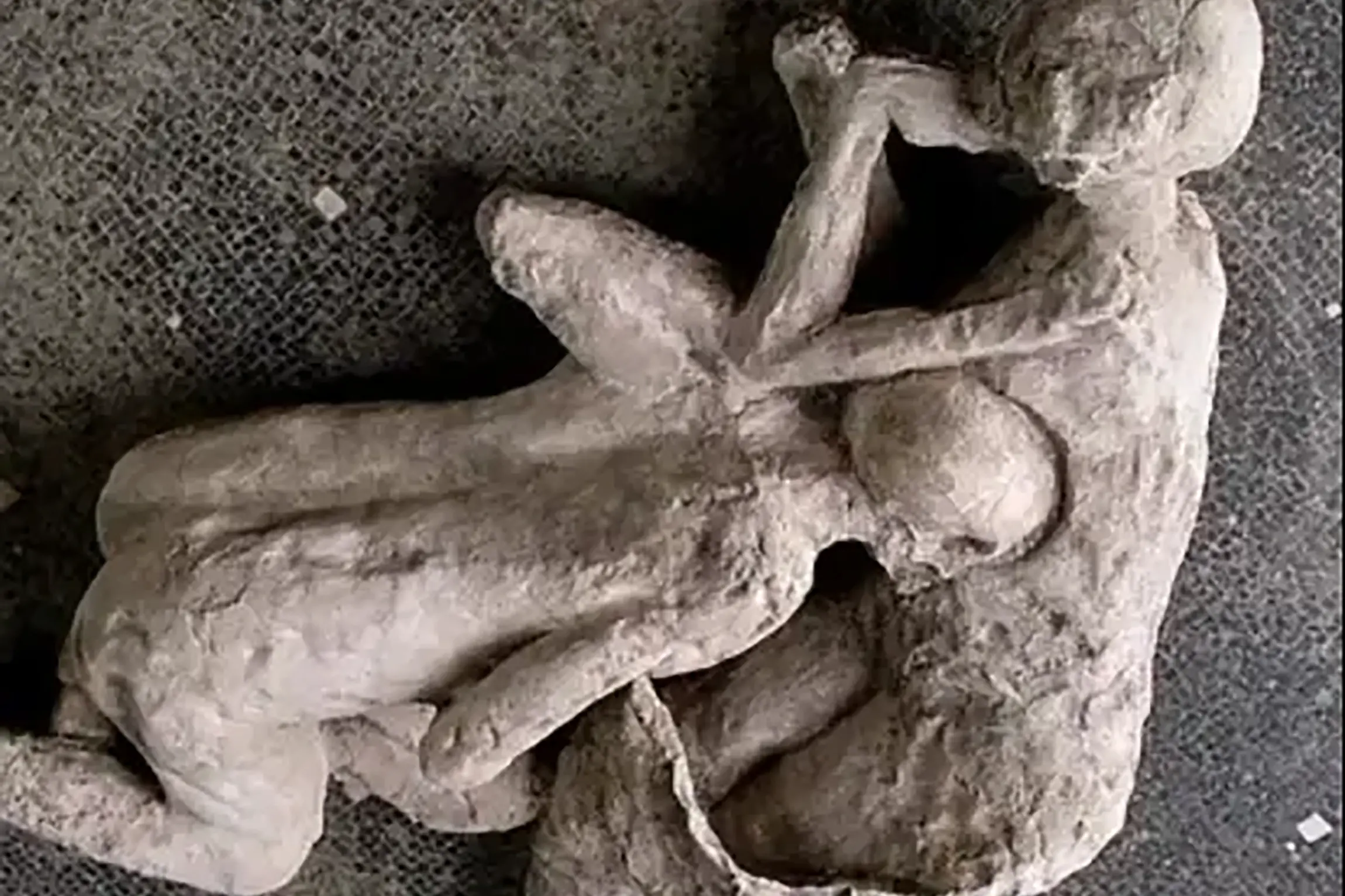
Last October, there was a brief furore over a report that the leading classical scholar Mary Beard had said that it was a good thing that Cambridge University no longer gave preferential entry to “thick white rugger buggers”. As a Cambridge rugby blue, and urged on by my surviving team mates, I sent her an email simply pointing out our successful careers in many fields and extolling the truth of “mens sana in corpore sano” — a healthy mind in a healthy body. I received an immediate and most courteous reply that lead to more friendly exchanges and last month, we met at my college for lunch. That morning, I bought a copy of her prize-winning book on Pompeii which she duly signed, and which passed many hours on the long flight home. There is so much to learn here about the tragedy of August 79 AD. There had already been warnings of pending disaster from a series of earthquakes. Some fortunates had fled but when Vesuvius erupted, there was panic and immediate flight. When excavators encounter a hollow in the volcanic ash, they pour in plaster that takes the form of the victims in their death throes. Mary sets the scene by describing a family led by a burly father with bushy eyebrows who had pulled his cloak over his head for protection from the scorching ash, followed by his two daughters and wife, who had hitched up her dress to speed her fruitless dash for safety. He carried a couple of keys and some small change. Did he hope to be able to return home? Then there was a doctor found still holding his box of instruments, and a slave doubtless struggling to escape the city despite the manacles that bound his ankles. I had not realised, before I turned to the next chapter, that not long after the ash settled, looters had returned to burrow into the metres of volcanic debris to seek valuables and enrich themselves. Then we learn of the great houses, the wall paintings, the magnificent mosaic pavement portraying Alexander the Great defeating the forces of the Persian King Darius III at the battle of Issus in 333 BC. Prior to the eruption, Pompeians could choose between a variety of fast food shops and be entertained in the amphitheatre. If you want to explore the intimate details of life in a Roman town, there is no better advice than to read this book. No detail is spared — even down to the phallus carved into one of the roads that some say was pointing to the nearest brothel.