


PHOTO
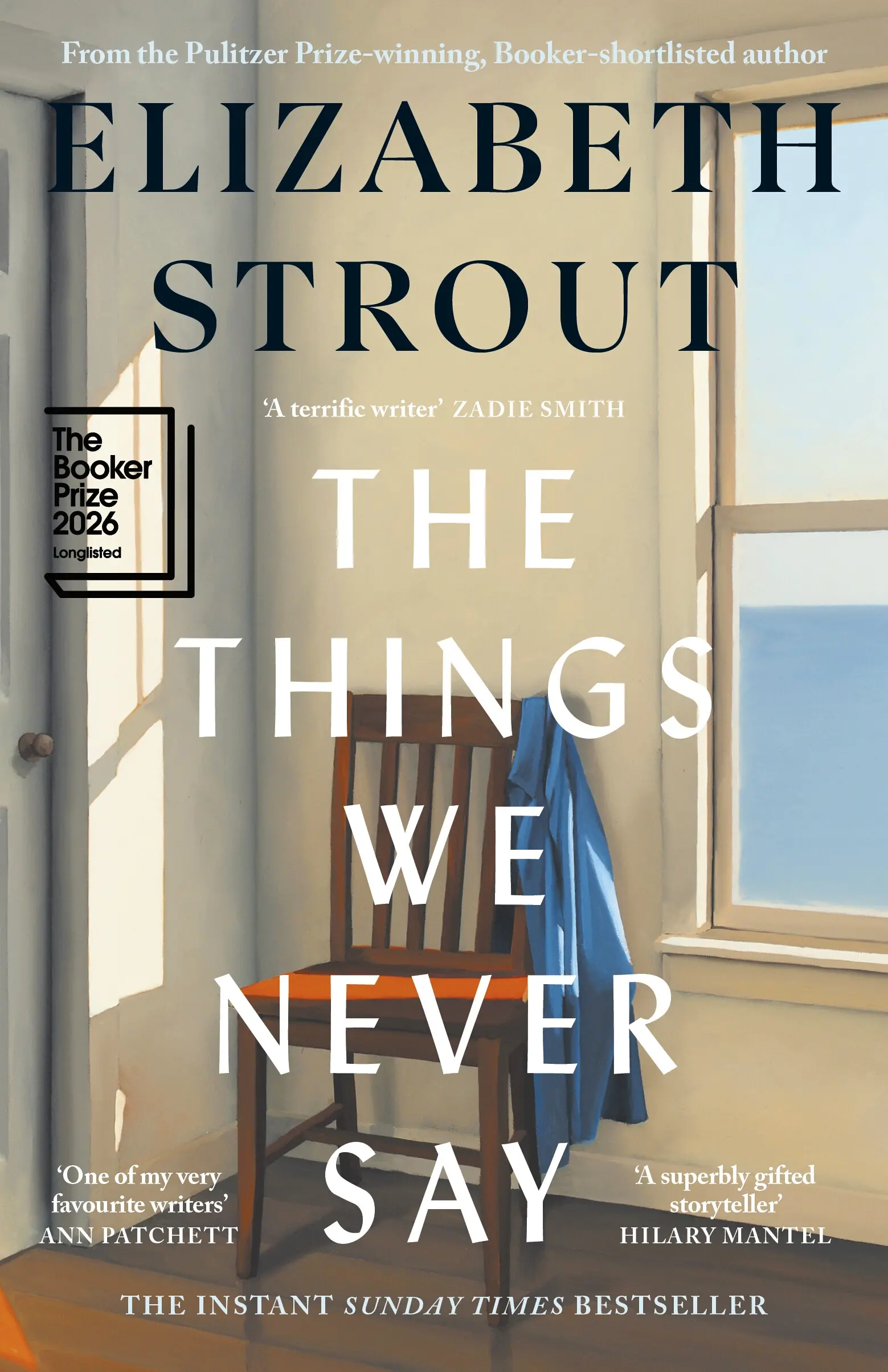
The Things We Never Say
By Elizabeth Strout
Penguin
Reviewed by Elspeth McLean
Elizabeth Strout’s strength is in creating everyday characters in which we can see ourselves.
We might not always like everything about them, such as the acerbic and cranky Olive Kitteridge, but there are parts of them which might be uncomfortably familiar.
Strout has done it again with Artie Dam, the central character of her latest novel The Things We Never Say.
Dam is a 57-year-old high school history teacher, regarded as being good at his job and affectionately known by his students as Damn-dam.
On the face of it everything seems OK.
He has a longstanding marriage to Evie which seems happy enough, even if his constant wearing of white socks drives her crazy.
He gets on with the neighbours and goes sailing in his spare time.
He worries about his relationship with his adult son Rob which has not been helped by a tragedy thatoccurred when Rob was a teenager.
But underneath the surface, Dam is feeling isolated and distant, agonising over whether people have free will and why they are not honest about things that matter, hiding behind small talk rather than addressing issues openly.
He becomes more positive about living after being saved from drowning, but the revelation of a family secret puts the spotlight on how honest he is prepared to be himself.
It is an age-old conundrum, the question of why people choose to hide something even when they have the opportunity to do otherwise, and the impact that can have on them and those nearest to them.
Strout shows how it can sometimes be easier to tell secrets to someone more distant.
It is less perilous because that person is not going to be affected or the relationship threatened.
While readers might find Dam’s position irritating, contradictory and hard to understand, it is still believable.
Strout also explores the sort of friendship you can have with someone who holds vastly different political views, where any tension about that is sidestepped by not talking politics.
She skirts around the divisive issues of the Trump era, but this aspect of the book seemed like an afterthought.
It was too superficial to be successful and might have been better avoided altogether.
Occasionally, Strout lapses into unnecessarily underlining the point she is trying to make by sermonising, as in: “All of us live with a huge blind spot before our eyes, meaning that no matter what we think we know we can never fully understand how we appear to others. That was true for Artie Dam.”
Given Strout’s track record, it is possible we will see further books fleshing out some of the characters from this one.
While many readers might look forward to that, I was disappointed not to learn more about some of them in this novel, particularly Evie.
Elspeth McLean is an ODT columnist and former health reporter