

PHOTO
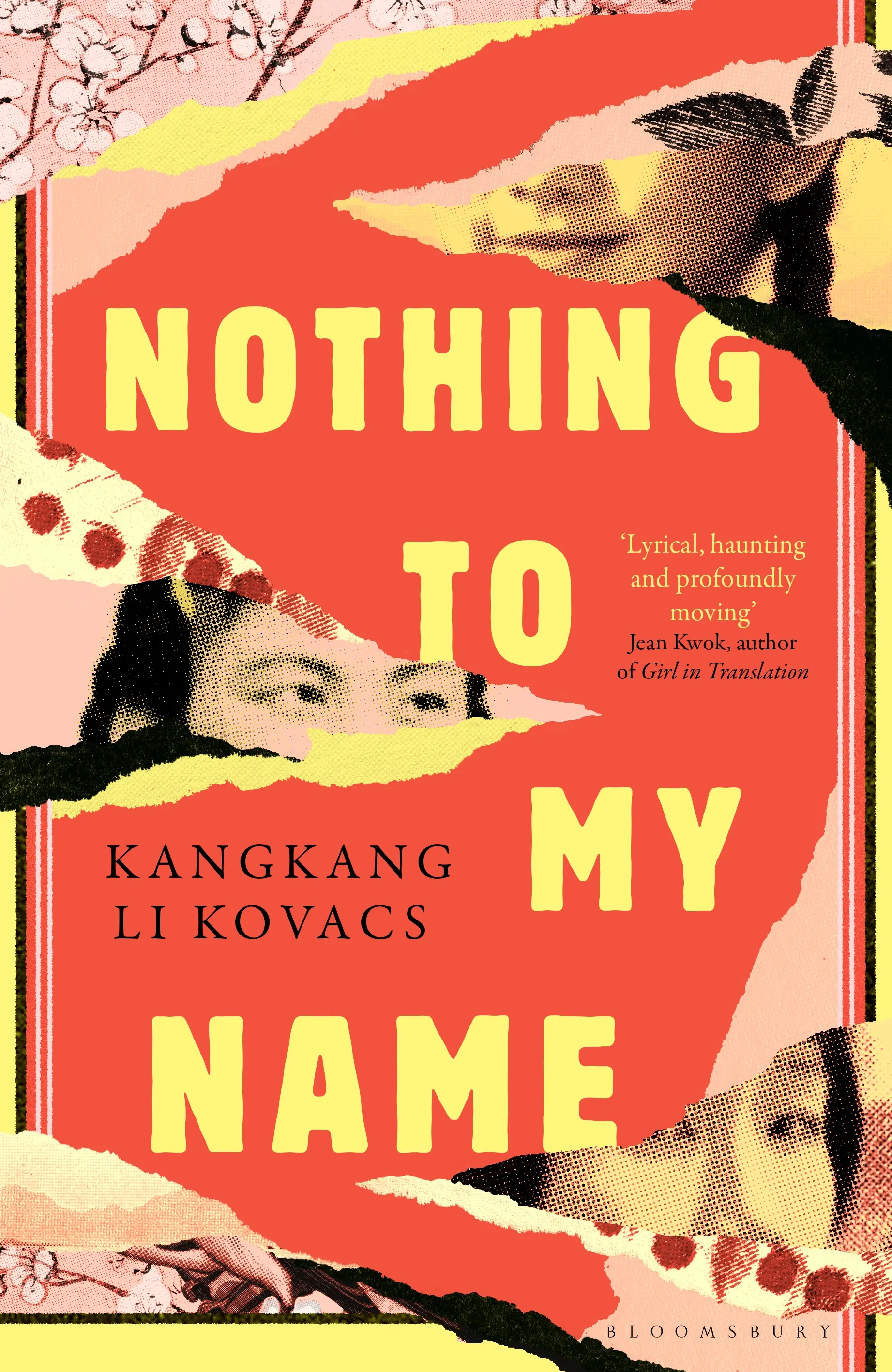
Nothing to My Name
By Kangkang Li Kovacs
Bloomsbury
Reviewed by Peter Stupples
Kangkang Li Kovacs’ novel Nothing to My Name is a saga following four generations of women living through the social and political traumas of the late 20th century in China.
The story begins in 1948 in the central Chinese coastal town of Zhoushan.
13-year-old Ah Xue’s mother is the hair comber of a landowning family’s matriarch, Lady Shi.
Shi’s grandson is newly married to Yan, also 13, from the far north, with whom Ah Xue forms a close friendship, before herself being seduced by Yan’s husband.
These interrelationships are sensitively and subtly handled from various points of view.
We are introduced to the main topics of the novel — the social and sexual relations of men and women as well as broader questions of class and power.
In the midst of a bombardment, as the Red Army attack the city, overwhelming the Nationalist defenders, Ah Xue gives birth to a son, soon to be given up to French nuns in the hope that his life can be saved as they escape to Taiwan.
A commander of the Red Army, Wan Chun, marries the now 15-year-old Ah Xue.
We flash forward to 1966.
Wan Chun, retired from the Red Army, is now the manager of the No. 5 Light Bulb factory, inland from Nanchang.
They have a 12-year-old daughter, Mimosa.
The family becomes caught up in the Cultural Revolution.
Wan Chun is arrested by Little Red Book-carrying Red Guards for standing up for humane values when a widow is accused by others of obtaining clothing coupons illegally at a struggle session, where the villagers are encouraged to tell tales on their neighbours.
Wan Chun, already limping from a shrapnel wound as a Red Army warrior, has his leg broken and is badly beaten up.
Flash forward again to 1989.
Mimosa is married to Han Wen, a chemistry professor at Nanchang University.
He encourages his students to take part in the events leading up to the occupation of Tiananmen Square in Beijing.
He is found out and loses his job.
Their tomboy daughter, Feifei, is caught up in the turmoil but is bright and, in the 1998 chapters, receives a scholarship within the Accelerated Programme of the Gifted Young.
These bare bones of the novel are interwoven in a complex patterning of chapters.
The first chapter is set in 1948; the second in 1989.
The following 14 chapters fill in the back and forward stories, always focused on the way these events bear upon the four women.
The first, Ah Xue’s mother, having no name and no freedom; the last, Feifei, makes freedom from the clutches of men, conservative social norms and politics her aim.
The title, Nothing to My Name, is the refrain of a hopeless love song everyone on Tiananmen Square knew by heart.
It is sung nine years later at a student party attended by 17-year-old Feifei.
Kangkang Li Kovacs herself grew up in Nanchang.
She later qualified as a nuclear physicist in the United States.
A published short story writer in English, this is her first novel.
It is a remarkable achievement, enabling us to have some inside knowledge about the impact of these significant events in China’s recent history.
Peter Stupples, now living in Wellington, used to teach at the University of Otago