
PHOTO
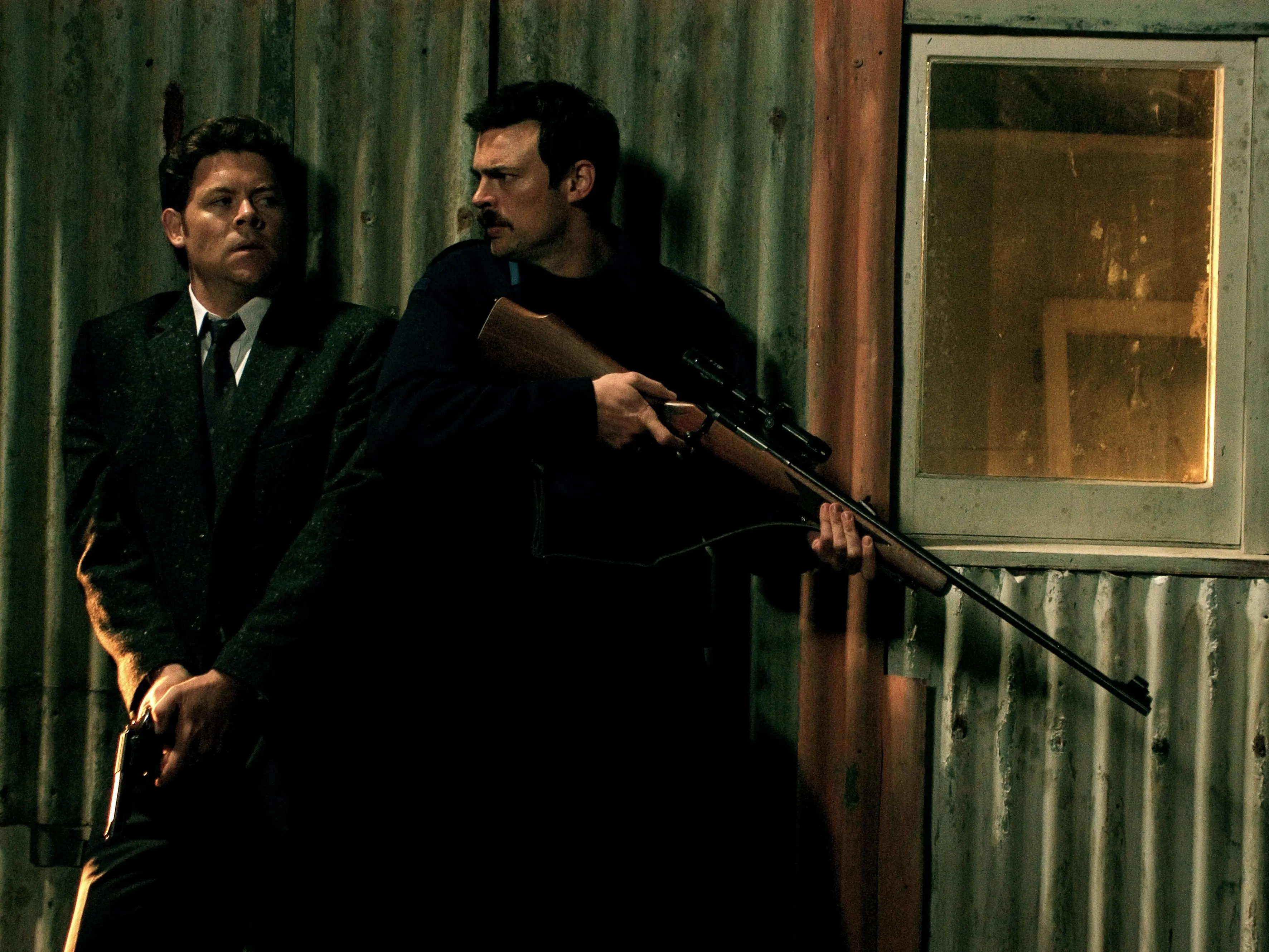
For the first time in 20 years, director Rob Sarkies settled into a cinema seat in Auckland’s Hollywood Cinema, to rewatch Out of the Blue, his 2006 film about the Aramoana massacre.
Having not seen the film since its release, there were some nerves.
“Even though you’re not actually seeing your own face up on screen, you’re seeing all of the decisions you made when you were 20 years younger, up there. So, it’s a weird version of a
giant mirror; even if it’s not reflecting you, it’s reflecting your sensibilities.”
The film is screening up and down the country as part of the New Zealand International Film Festival (NZIFF). Sarkies says it’s an honour to have had it selected.
“You make these things, you want them to be seen. And if a film is deemed good enough, or interesting enough, or important enough — or all of the above — to be screened again 20 years after its release, then I’ll take it.”
Out of the Blue is undoubtedly a significant film, and it’s still as painfully poetic as it was at the time of its release.
The Dunedin-raised director explains that despite the darkness of the story, the film’s focus is the community spirit and sense of care.
“In the end, I think that’s really what resonates in this film. It’s a tragic event, but there’s hope in there too. It’s about people and how they respond in the most trying of circumstances, and
there’s a sort of quiet, unheroic selflessness in how everyone responded.”
Sarkies admits that the story is, for both good and bad, as relevant today as ever. Despite the fracture lines running through contemporary society, he says the fundamental care that New Zealanders have for each other hasn’t changed.
“We’ve seen a lot of incredible selflessness — in the mosque attack, and we also saw it in the Australian attack last year. There were people who risked their lives for others, and, gosh, I think that’s worth acknowledging.”
The film’s message is also still crucial, he says.
“A film like Out of the Blue can and should make people think about gun laws.”
Although those laws have changed considerably since the events of the film, Sarkies says they are still fragile.
“Those laws can easily be whittled away by successive governments … I’d like to think humanity can learn, but I’m really not sure if we’re very good at that.”
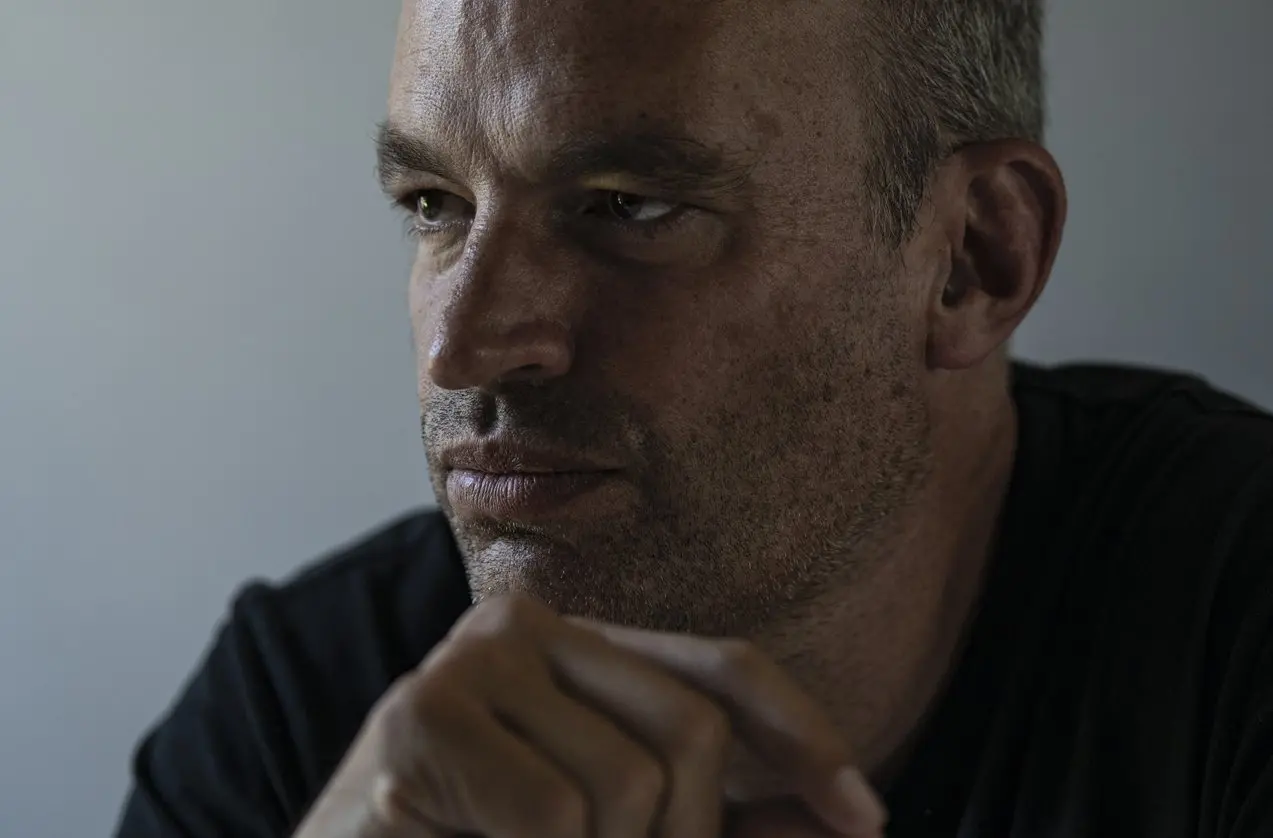
Sarkies knows the importance and privilege of telling such powerful stories, especially those so delicate and so raw. In the case of Out of the Blue, it meant taking the time to talk to people in Aramoana who wanted to share their story.
“That process informs the film that you make in a very meaningful way, in a way that an audience, and even me, 20 years later, can feel. I can feel that kaupapa.”
The time and compassion Sarkies put into his film is evident.
“Sometimes the truth of what you are told sits between the words. It sits in the feeling of an event.”
The experience of making Out of the Blue has guided Sarkies through many of his subsequent films.
“When you’re dealing with these tragic stories, I believe it’s the only way to do it. Otherwise, all you’re doing is imposing and assuming. And when people have gone through an event like Aramoana or Pike River, mostly they just want to be heard. Like, actually heard and understood. And what greater privilege for a storyteller than to be that conduit?”
Sarkies’ says that seeing Out of the Blue back in a cinema after 20 years is what film-makers dream of. Not only as an
accomplishment, but also in light of the difficult changes the film industry has faced. Changes in the film industry’s financial models, streaming services and national funding decisions have all made film production significantly more difficult. And on top of that, Sarkies emphasises that film festivals are tenuous things.
Born and raised in Dunedin, Sarkies has treasured memories of the New Zealand International Film Festival.
“I was going to the film festival in Dunedin when I was a student back in the late ’80s, and saw some of my favourite films — films that still resonate with me to this day. I mean, it’s a gift.”
However, the director knows that the future of the NZIFF isn’t certain.
“You cannot assume that it’ll be there forever, and it’ll only be there in Dunedin with the support of Dunedin people.
“Without the NZIFF playing in Dunedin from the 1980s, I probably wouldn’t be a film-maker, or I certainly wouldn’t be making the kinds of films that I make today. My aesthetic, I guess, or the DNA of me as a film-maker, was sewn way back then, at the NZIFF in the old Octagon Theatre, somewhere in the late ’80s.”
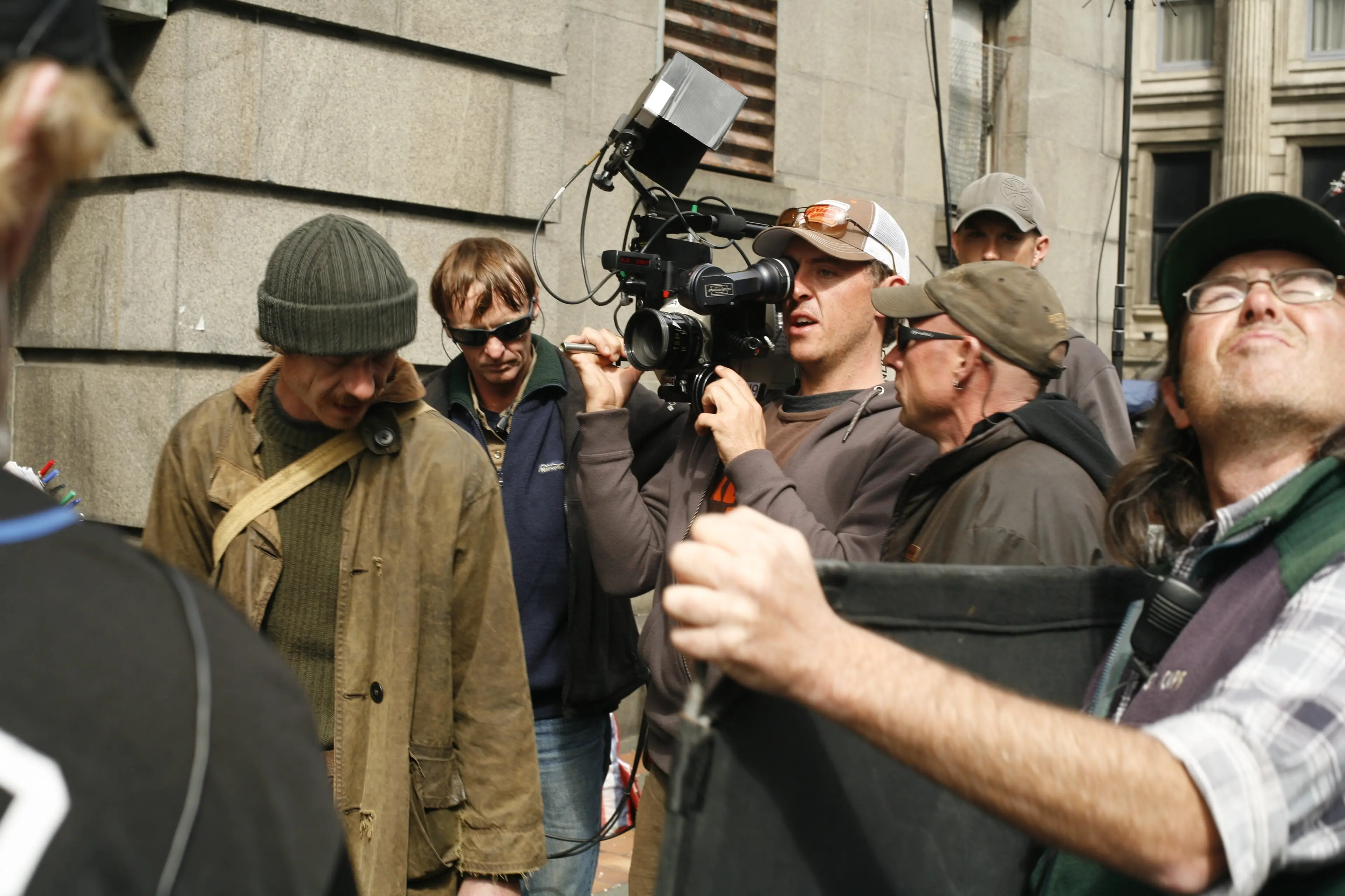
Today, Sarkies hopes that many more people continue having those experiences.
“I’ve got a decent set-up at home. I can watch anything via a streaming network or on-demand. But it’s an entirely different experience to the collective experience, and when I think of the film festival, for me, that’s my opportunity to have that collective experience again.”
To make it even more special, the initial Auckland NZIFF screening of Out of the Blue was projected from its original 35mm film.
Sarkies’ excitement about and gratitude for the opportunity to see his film again that way is palpable.
“In the quiet scenes, you could hear the clatter of the projector up in the projection room, behind me. For a film-maker, that’s quite romantic, for want of a better word. It’s what you dream of, really. Well, what I dreamt of when I was a kid in Dunedin.”
When asked how he felt as the Out of the Blue credits rolled, 20 years later, Sarkies pauses.
“A gentle and a warm sense of pride. It’s definitely what I was feeling.”
• Out of the Blue will screen at the Regent Theatre, Dunedin, August 16 at 7.30pm, as part of Whānau Mārama NZIFF, followed by a Q+A with director Rob Sarkies.