
PHOTO
Restoring ecosystems is the work of decades but there are opportunities to identify the wins along the way, Manaia Pearmain-Fenton writes.
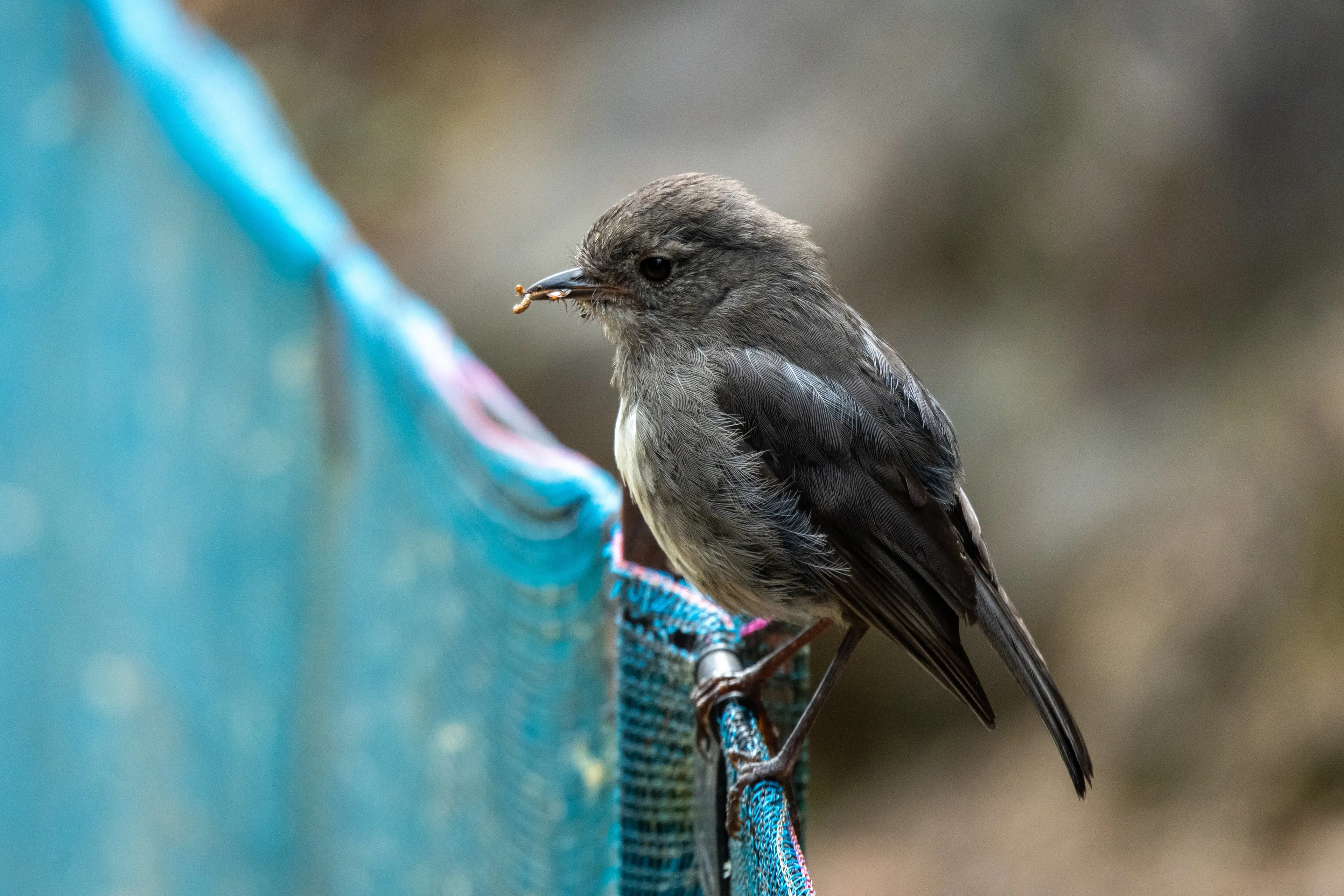
In an 1894 edition of the Otago Daily Times, Aparata Renata observed of the kakaruai, or native South Island robin: “nor can any imported bird sing and keep up a morning anthem like the native robin before sunrise, and seldom do they waste their melody to the sluggard”.
More than 130 years later, the fact that this song can still be heard at all in parts of Ōtepoti is remarkable. Once widespread across the eastern South Island, kakaruai have vanished from much of their former range, leaving Ōtepoti as home to one of only two remaining east coast populations.
To strengthen the species’ future in the region, birds from the surviving populations of Silver Stream and Silver Peaks were first translocated to Orokonui Ecosanctuary in 2010. The sanctuary has since become an important stronghold for the species, but the topic of my masters research through the University of Otago asked: “would kakaruai be able to reclaim the landscape beyond the fence one day?”.
By monitoring kakaruai populations outside Orokonui over multiple years, I investigated whether the sanctuary was functioning not only as a refuge, but also as a source population for the surrounding environment.
The discoveries were encouraging. Over time, kakaruai were found in more locations, some individuals persisting year after year and new areas being colonised. In other words, the sanctuary appears to be doing more than protecting birds within its boundaries. It may also be helping drive the gradual spread of wildlife beyond them.
But this story isn’t just about robins.
Kakaruai were chosen as the focus species for monitoring the outcome of predator control outside the sanctuary because their presence (or absence) can help us understand broader patterns of ecological recovery.
Their inquisitive nature makes them relatively easy to monitor, while their sensitivity to predators and habitat conditions means their success often reflects the health of the wider environment. What benefits kakaruai is likely to benefit many of our other native species as well.
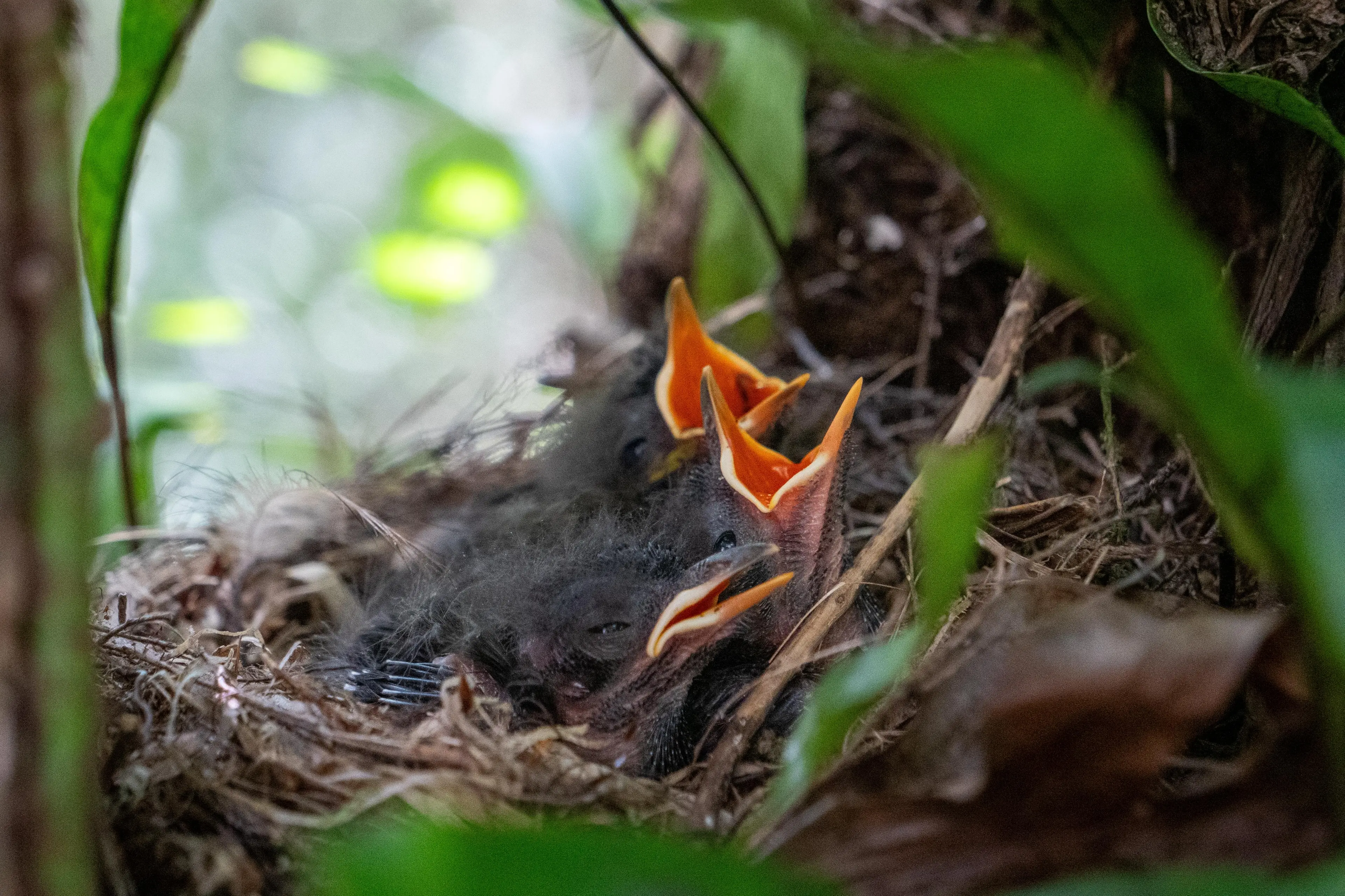
Perhaps the most important lesson from this research is not that sanctuaries work. We already have good reasons to believe they do. The real lesson is that we need to measure what happens next.
Across Aotearoa New Zealand, communities invest enormous amounts of time, money and effort into conservation. Volunteers set traps in reserves and backyards. Ecosanctuaries protect vulnerable species. National initiatives seek to transform entire landscapes. But why are we doing all this work?
Ultimately, it’s not just about removing predators. Predator control is a means, not an end. The goal is a thriving ecosystem and landscape that can be passed on to future generations.
Without biodiversity monitoring, however, we cannot know whether we are achieving those goals. We can count traps checked and pests removed, but unless we also track the wildlife we are trying to protect, we risk measuring effort instead of outcomes.
Monitoring provides the evidence. It tells us whether birds are returning, where they are succeeding, where they are struggling and which conservation actions are making the greatest difference. Just as importantly, it helps ensure that conservation investment, whether through public funding or volunteer effort, delivers real gains for nature.
There’s also a longer perspective of which we should not lose sight.
Many of the people setting traps today may never see the full results of their work. Ecosystem restoration happens over decades, rather than years. Conservation asks us to be unselfish. It asks us to act not only for ourselves, but for those who come after us.
Whether through scientific research, community projects, or a backyard trap, we contribute to something larger than our own lifetime. Monitoring helps us understand whether we are moving in the right direction, but the motivation remains the same: creating a future where our mokopuna inherit landscapes alive with birdsong.
Manaia Pearmain-Fenton (Ngāti Awa, Ngāti Pūkeko, Te Whakatōhea) is a teaching fellow in the ecology programme and a PhD candidate at the Centre for Sustainability Research at the University of Otago. Each week in this column writers address issues of sustainability.