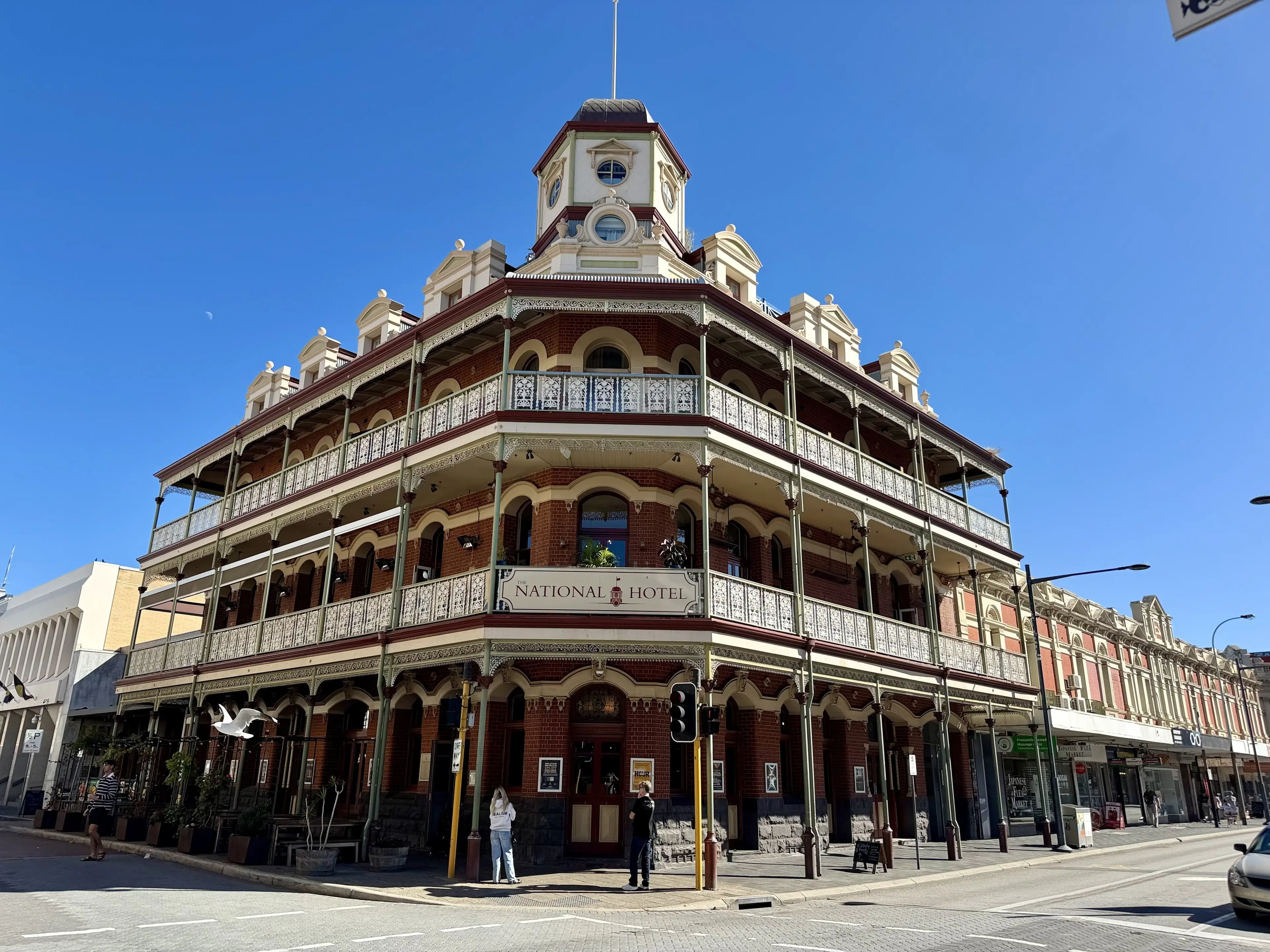
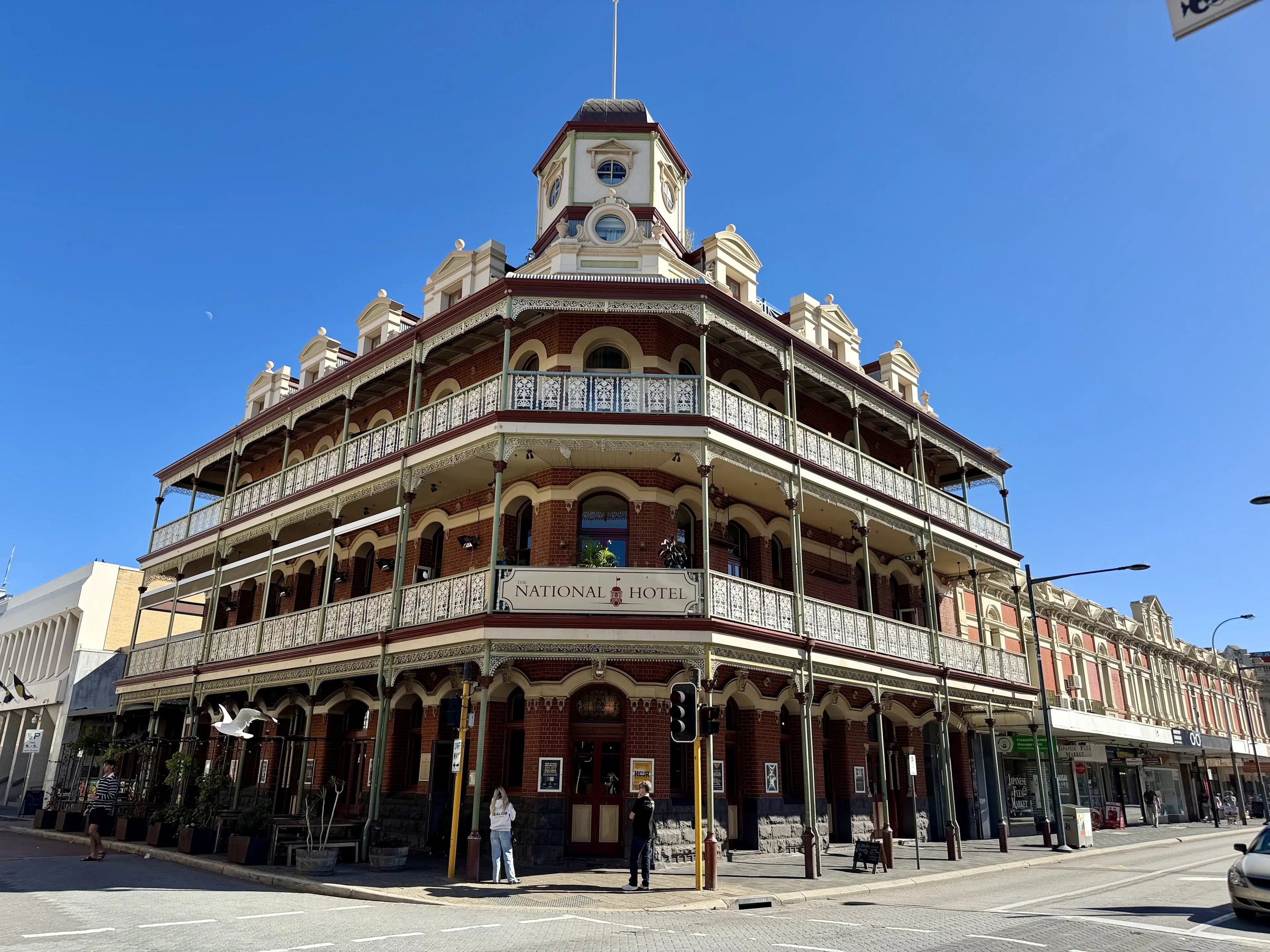
Pristine beaches, dense forests and stunning vineyards are just a few of the gems on offer in Western Australia. It’s understandable why this region might be overlooked given its relative remoteness, but the rewards far outweigh the distance. The general expectation is that long flights should equate to discovering new territory and possibly a different language or cultural experience. At just over seven hours, the flight from Auckland lands in Perth and, although the language is the same, I soon discover it’s like no other place I’ve visited in Australia. A 30 minute drive south-west gets you to Fremantle, a region with plenty to offer. Given its location on the Indian Ocean and how it is blessed with white sand beaches, aquamarine water and well preserved history, it’s undoubtedly a desirable destination. The rich blend of historic and contemporary architecture gives the city a lively pulse. An impressive number of original buildings have been preserved and now function as creative design spaces, retail outlets, restaurants and bars. Original buildings like the iconic National Hotel and the Commercial Hotel have been reincarnated as hipster Sundancer Backpackers & Resort accommodation. The Garde Hotel, located in Fremantle’s historic district and listed as a Unesco world heritage site, is a classic example of heritage revival. Once known as the city’s prison and warders’ accommodation, the cottages have been uniquely restored to form part of the modern luxury hotel. suppliedGimlet Bar at Garde Hotel. Photo: Supplied Just a short walk down the street is the stylishly curated Gimlet aperitivo bar, an ideal spot for a sundowner cocktail. Curiosity and recycle shops are popular in the heart of Fremantle, especially vintage clothing stores, antique jewellery, old books and classic records. Stopping for coffee at sustainable eatery Moore and Moore, the narrow alley is wallpapered in hanging plants, with cafe seating constructed from old church pews and carriage seats. Art and creative design is prominent in Fremantle, with regular exhibitions at the Japingka Indigenous Fine Art Gallery and the Walyalup Fremantle Arts Centre. The West End precinct has a distinctly European vibe, with bustling Italian and French eateries tucked down narrow laneways. We eat at Vin Populi, an authentic Italian restaurant with an extensive European wine list, home-made pastas, fresh baked sourdough and burrata. The Fremantle Markets are held in one of the city’s landmark heritage buildings, attracting locals and visitors to buy fresh farm produce. It’s an institution that’s been operational since the building was finished in 1897. The town centre livens up early evening with live jazz, folk and blues, drawing an eclectic student demographic and hipster grunge. The waterfront precinct is ideal for an evening wander, with various bars and micro-breweries. Victoria Quay is the spot to take the ferry to Rottnest Island, one of the city’s most popular day trips. The island’s name originates from Dutch captain Willem de Vlamingh, who visited in the late 17th century and mistakenly identified the resident quokkas as an infestation of giant rats. He described it as “Eylandt ’t Rottenest”, meaning “Rats Nest Island”, and the name subsequently stuck. It’s just a 30 minute ferry ride on the Rottnest Express across turquoise blue water and myriad reefs. Once you reach the island there are plenty of short walking tracks for those who don’t want to venture too far from the main wharf. We opted for e-bikes to explore as much of the island as possible. The main road wraps around the coastline, making it virtually impossible to lose your way. The beaches here are unparalleled, with white powdery stretches of sand, craggy rock and clear turquoise water. Designated marine reserves around this region clearly help preserve various species. We make a stop at the stunning Henrietta Rocks, before cycling to Oliver Hill. This has historical significance, being the strategic site for Western Australia’s defence during WW2. There are underground tunnels, a naval gun battery and the military railway. We continue on past Strickland Bay, Parker Point and Little Salmon Bay, each more stunning than the previous. Western Australia is known for pristine beaches, making it inconceivable to visit Rottnest without taking a swim. The water is the clearest I’ve seen anywhere in a long time. Stopping for lunch at Havza, a cute Greek pop-up cafe overlooking the ocean, I’m made aware of the meet-and-greet team lined up near our table. Getty ImagesQuokka with baby in pouch foraging on road in Rottnest Island. Photo: Getty One of the quokkas is enthusiastically nibbling a pine needle like its corn on the cob. He stops momentarily to smile, revealing two pearly white teeth at the front. They aren’t phased by human presence on the island, and as our meals appear, one opportunistic one hops on my backpack waiting for scraps to fall from my plate. After lunch, it’s a cycle uphill to visit the stone lighthouse. The huge structure was built in 1842 by First Nations people. It took nine years to complete, albeit the final three years were spent waiting on a lightbulb to be installed. For anyone wanting to spend more time on the island, there are cultural tours, snorkel and sailing trips, bus and bike tours and a variety of accommodation from eco-tents and heritage cabins to more luxurious lodgings. We make it back just in time for a sunset cocktail before taking the return ferry to Fremantle. A late night discovery brings us to South Terrace and what was once The Old Fremantle Synagogue. The legendary underground bar is accessed through a “secret” library entrance. The intimate lounge bar is known for its expertly curated cocktails referencing all time music legends Nina Simone, Ella Fitzgerald, Louis Armstrong and Billie Holiday. Given the appeal of good wine and the hype around Margaret River, it’s a no-brainer to visit this region. It’s close to a three hour drive from Freemantle, but there are some worthwhile stops if you appreciate history and heritage. Being so close to the Indian Ocean, the Mediterranean maritime climate, along with granite soils in this area, makes it ideal for growing grapes. Many family-owned wineries feature Cabernet Sauvignon, Sauvignon Blanc, Semillon and Chardonnay, all worthy of the accolades. suppliedSingle File Wines in Scotsdale. Photo: Supplied There are several smaller vineyards to explore on Caves Rd, the first stop being Cullen Winery, an organic bio-dynamic vineyard. Owners Diana and Kevin Cullen were pioneers of the region, planting the first acre of vines in 1966 in Wilyabrup. The family-owned business has since expanded to include wine tasting and tours of the Spiral Garden. Just a few minutes away is Vasse Felix, a vineyard estate noted for its Chardonnay and Cabernet Sauvignon. We sample a comprehensive wine flight and enjoy a farm-to-table lunch overlooking the vineyard. suppliedVasse Felix vineyard. Photo: Supplied Further south in the small town of Witchcliffe is the iconic winery, Leeuwin Estate. This impressive vineyard, with beautiful landscaping and fine art gallery, is outstanding from a design perspective. Sampling a flight of the vineyard’s most notable vintages, several are exceptional, including the Art Series Chardonnay, recognised as one of Australia’s most applauded wines. Having a sober driver is useful when you need to cram multiple vineyards into 48 hours. Aside from wine, there are many other attractions in the area worth seeing. One of the biggest draws to Augusta is for whale watching, especially during the migration from June to August. You can view pods from the foreshore or choose to take a charter cruise from Flinders Bay. gettyValley of the Giants' tree-top walk. Photo: Getty Another worthwhile stop is the Valley of the Giants Tree Top Walk, a 600m engineering feat that offers extensive views from the eucalyptus forest canopy 40m above ground. Many of the ancient red tingle trees are estimated to be over 400 years old, standing around 70m tall with a girth span of up to 20m. A large number are hollowed out at the base as a result of insect or fungal attack, followed by fire which burns out the dead wood. Rather surprisingly, they remain connected to the earth by a layer of living tissue that sits under the bark. Denmark is known for its beautiful beaches. One of the most stunning spots wedged between Madfish Bay and Mazzoletti Beach is the legendary Greens Pool and Elephant Rocks. It’s definitely worth the walk through William Bay National Park to swim in the turquoise water around these aptly-named massive granite boulders bordering the pristine sandy beach. Beyond Margaret River is The Great Southern region, known for picturesque vineyards in the Denmark, Mount Barker and Albany regions. The Southern tour finishes in Denmark with a session in the tasting room at Single File Wines. It’s one of the more unique and natural vineyards in this region. The family-run winery is focussed on producing the best quality wine from the Southern region. Their 2015 release “The Vivienne” Chardonnay was voted Australia’s Best Chardonnay in the 2019 Australian Wine Companion. The vineyard welcomes guests for cellar tastings, cocktail classes and vineyard tours. Single File doesn’t charge a fee for tastings and welcomes families to use the vineyard for picnics. Their philosophy being that their wine speaks for itself. gettyDenmark in Western Australia. Photo: Getty Reluctantly leaving the Southern region, I realise there is so much more to explore in Western Australia. Other than seeing nature at its best, there’s also the huge upside that so few people are here.