
PHOTO
These secret wonders often escape mass attention as some are out of reach — too remote or dangerous even for the more adventurous traveller — others are overshadowed by more famous sites or just too bizarre.
So Lonely Planet writers have sought out these overlooked sights many of which give a different twist to art and how you view it.
NINE MILE CANYON
UTAH, USA
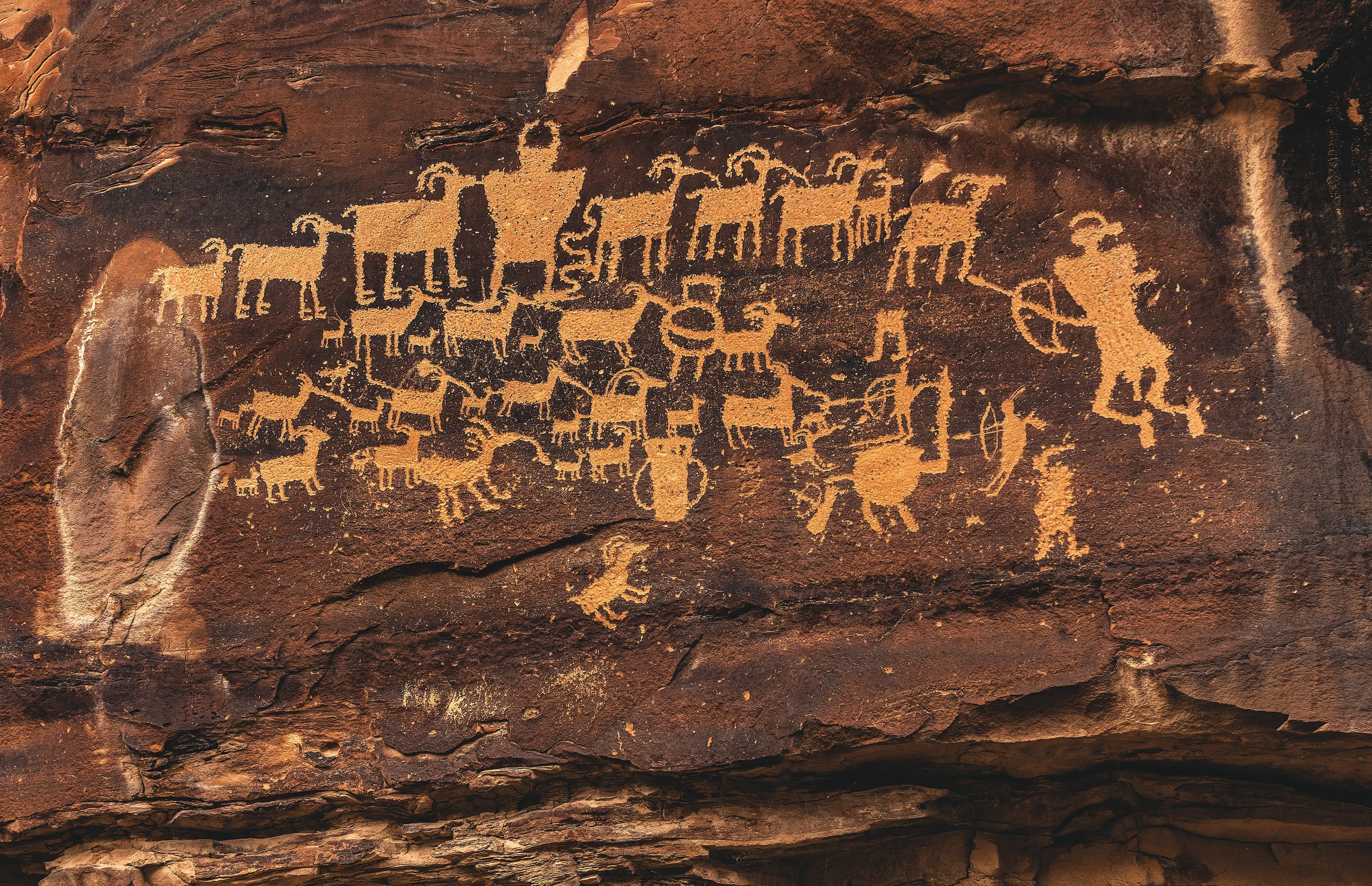
Tucked away in the fiery sandstone mountains of rugged Utah is one of the world’s largest — and oldest — outdoor art galleries. Nine Mile Canyon (which is actually 74km long, but was originally formed by Nine Mile Creek), contains thousands of ancient petroglyphs, carved by the native Fremont and Ute tribes between 600 and 1300 CE.
The scenes — scattered throughout the canyon and easily accessible from the road running through it — depict everything from war and sacrifice to animal husbandry and family dynamics.
This spectacular visual storytelling is best explored with a local guide, who will help you peel away the respective layers (historically, not literally — there are signs everywhere reminding people not to touch the fragile rock art). A guide will also be able to point out petroglyphs, which you might otherwise have missed, as well as a number of (remarkably intact) ancient dwellings called pit houses.
One way or another you’ll need transport, but the canyon is a great day-trip option, with plenty of picturesque picnicking spots along the 160km (99 mile) round-trip from the town of Price.
Visitors are advised to pack plenty of provisions for the journey (there are no shops or restaurants en route), as well as the free brochure detailing the canyon’s main sites, which can be grabbed from the Carbon County Visitors’ Centre in Price.
MUSEO SUB- ACUATICO DE ARTE
CANCUN, MEXICO
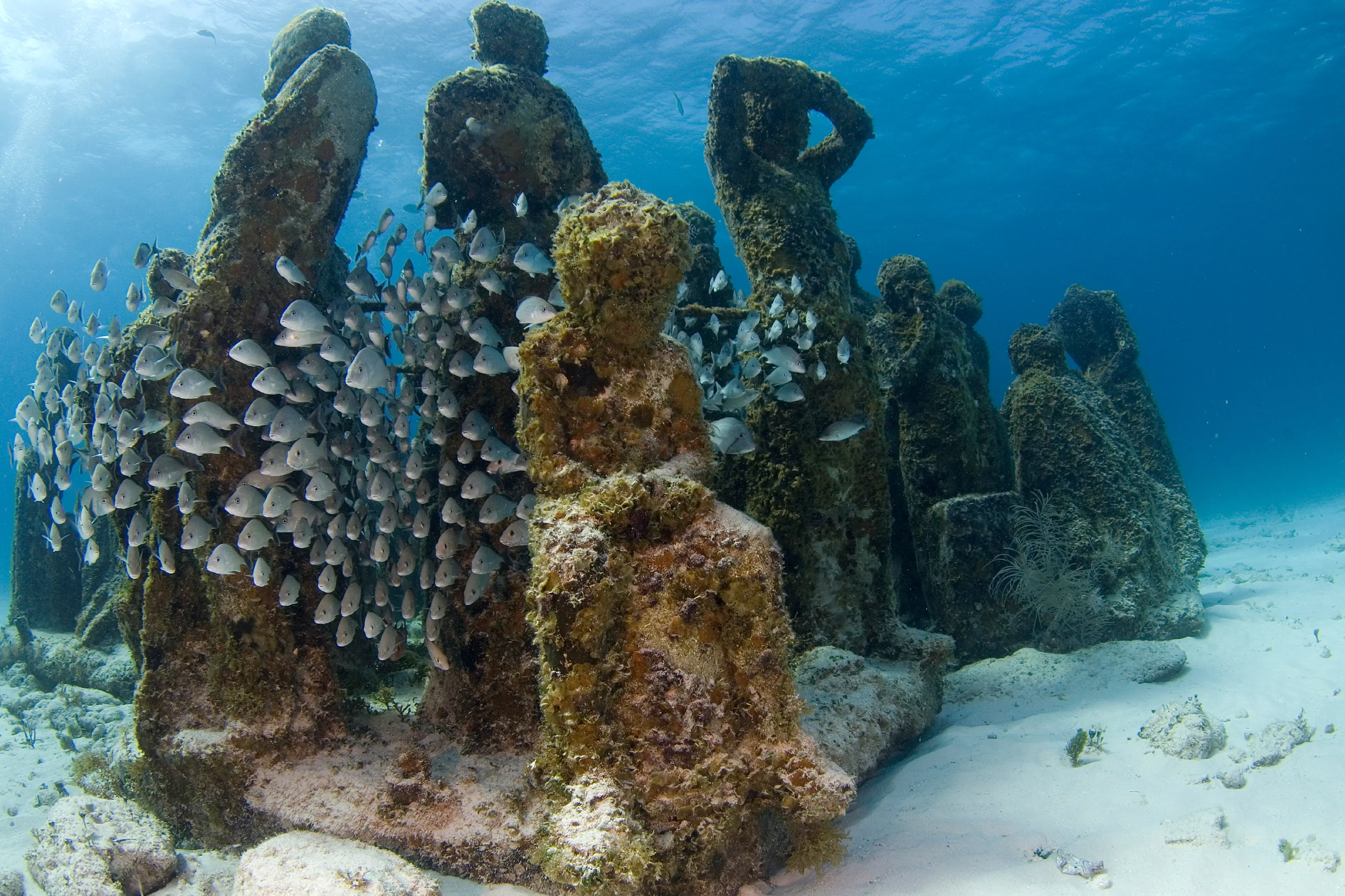
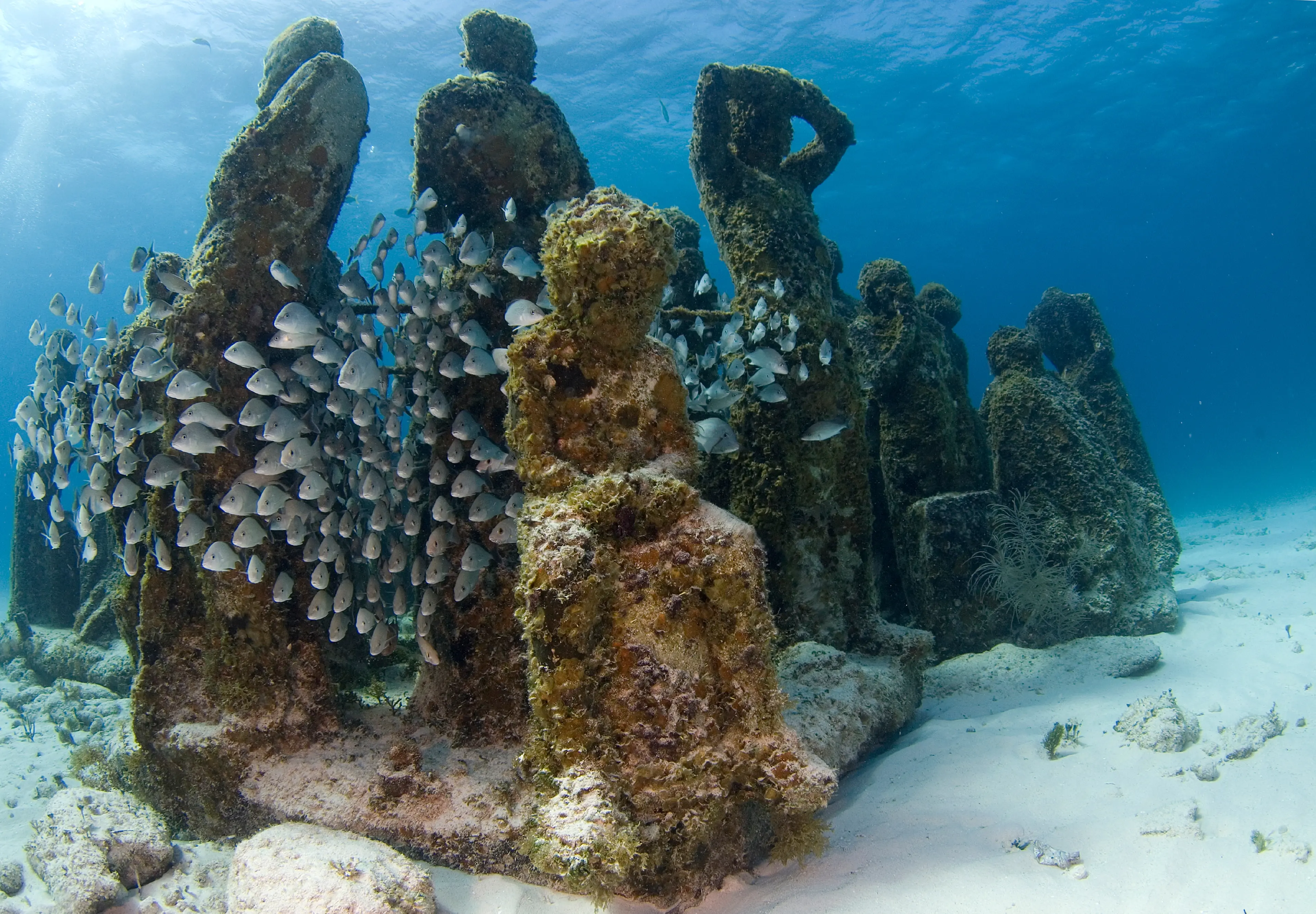
Most art lovers pick up a museum audio-guide rather than a snorkelling mask — but the Museo Subacuatico de Arte (MUSA) takes immersive art literally. Its galleries lie deep in the gin-clear waters of Isla Mujeres and Punta Nizuc off Cancun, where shoals of silvery fish flit past more than 500 permanent sculptures on the seafloor.
These life-sized figures raise their hands high, or slump despondently on the pearly sand. Creating them doesn’t end when the sculptors — underwater art pioneer Jason deCaires Taylor among them — put away their chisels and casting moulds. After the artwork is lowered into the sea, colonies of marine-dwellers get to work: corals and sea anemones take up residence on the sculptures, softening their concrete features and making them one with the ocean. Lobsters make themselves at home inside an 8-tonne (9-ton) VW Beetle sculpture and eels slither beneath praying figures.
This intermingling of art and nature is by design: MUSA was dreamed up as a way to draw visitors away from over-visited natural coral reefs. And the experience is almost euphoric: propel yourself with flippers to float above enigmatic figures like DeCaires Taylor’s Void and Gardener of Hope, or Elier Amado Gil’s meditative Threshold. In DeCaires Taylor’s The Silent Evolution, 400 statues, many of them modelled on local people, stand up in protest to protect their seas — a message that lingers as you ponder your own effect on Mexico’s fragile ecosystems.
CAVE OF THE CRYSTALS
CHIHUAHUA, MEXICO
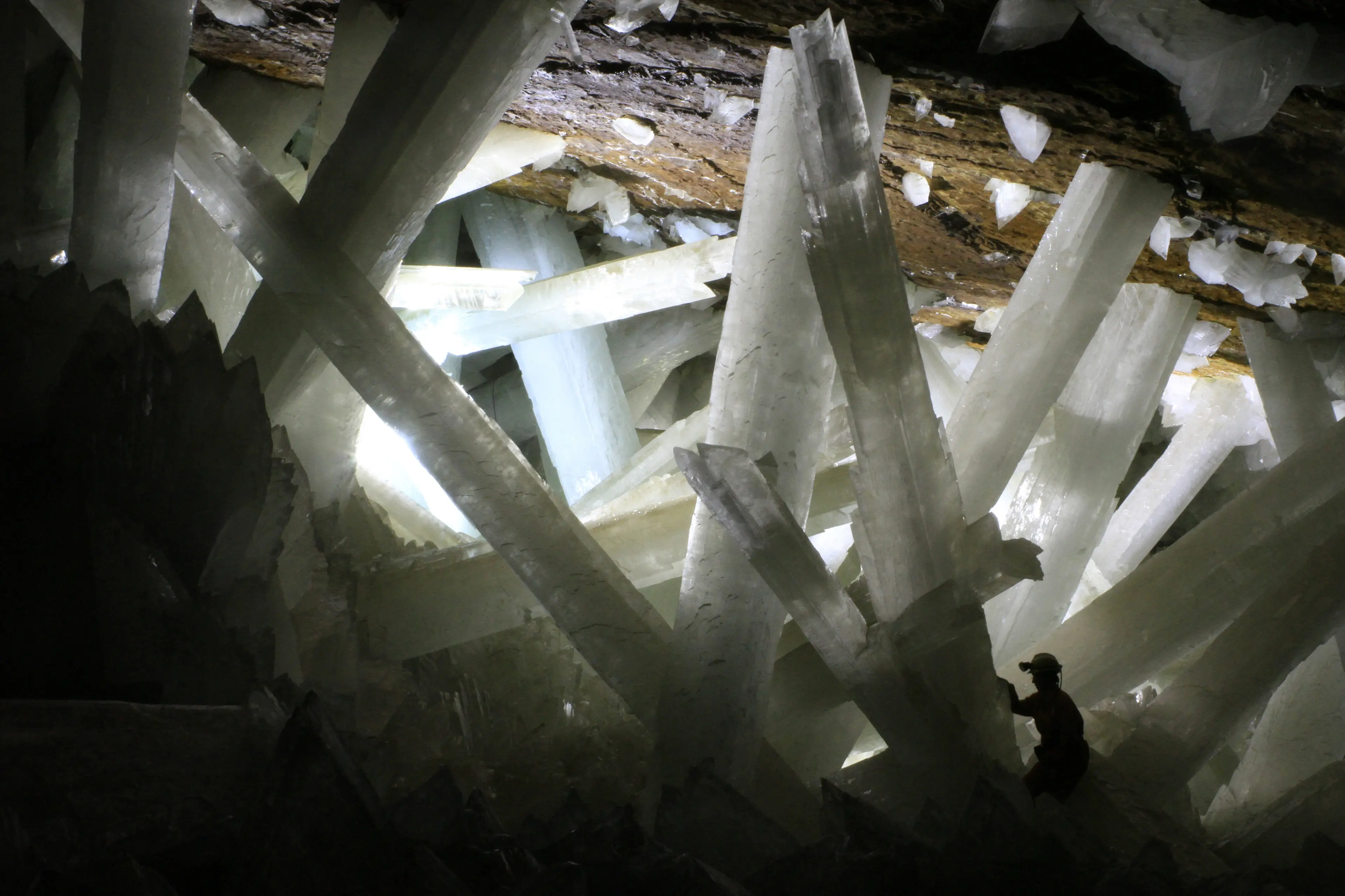
If you were to journey deep below surface level at Chihuahua’s Naica mine, descending some 300m towards the centre of the Earth, you’d find yourself in a science-fiction-worthy cave of translucent, gargantuan crystals. Humans are dwarfed by glistening pillars — some up to 4m thick — that criss-cross the cavern like Escher staircases; other blocks of shorter obelisk-shaped shafts line the walls.
Some say the cavern looks like a cathedral, others are reminded of Superman’s icy lair — but everyone agrees that it is one of the most astounding spectacles on the planet.
Anyone who enters requires a helmet, a respirator and an ice-packed suit to protect against the 50°C temperatures and high humidity — but even with the proper attire, humans can only survive in here for around 20 minutes. Unsurprisingly, the cave was closed to the public shortly after its discovery in 2000, when a mine worker snuck in and was roasted alive.
Some of the crystals are estimated to be around 500,000 years old and are likely the largest specimens ever discovered by humans. The mineral is selenite, a soft substance that’s easily damaged — it can be scratched by a fingernail. The caves were naturally filled with water but were pumped dry by the mining company. When, or if, the mine floods the chambers again, the crystals will begin to grow anew, but they will also be lost to human sight and research, possibly forever.
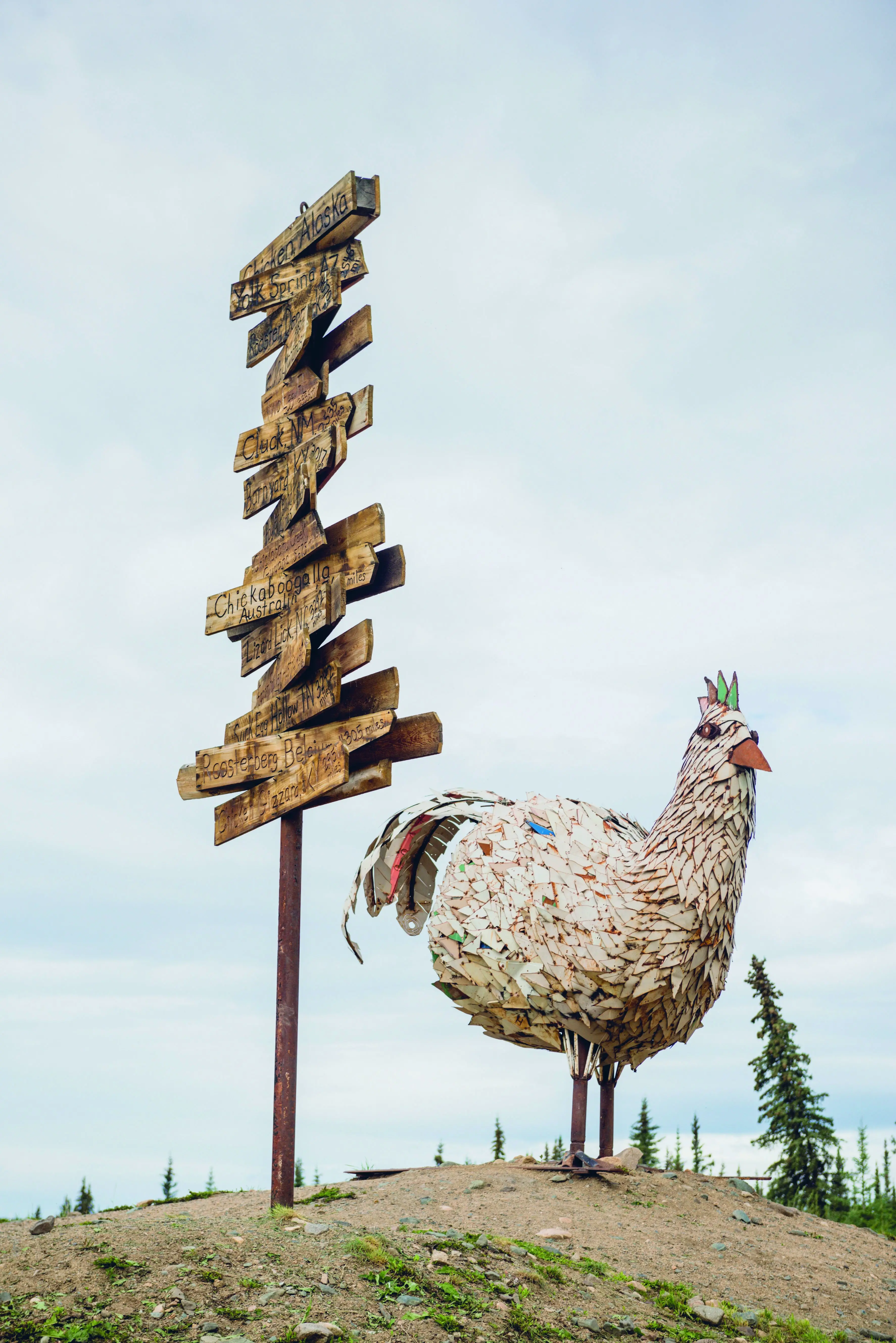
THE VILLAGE OF CHICKEN
ALASKA, USA
I wanted wilderness. I wanted adventure. I wanted to drive the open road. Heading through Alaska on the Top of the World Highway, a summer-only mountain byway, seemed like the ideal plan. Until I arrived in Chicken.
A handful of log cabins in the middle of nowhere, Chicken is a tiny speck in a landscape that is colossal, unforgiving and raw.
And, oh, it has a bar with a cannon that shoots underwear into the air; its saloon festooned with knickers, baseball hats, licence plates and handwritten notes.
Chicken is one of Alaska’s last gold-rush remnants — when the highway closes in October, the population drops to single figures and the village succumbs to isolation and the Arctic winter. In summer a trickle of prospectors, intrepid four-wheel-drive enthusiasts and thrill-seekers visit to try their luck in the creeks, to learn about frontier history or tick off one more kooky adventure.
Early prospectors arrived here in the late 1800s and only survived their first winter thanks to the abundance of ptarmigan (a type of wild grouse). By 1902, the tent city needed a name. The miners wanted to call it after the local bird but no one could agree on the spelling, so they opted for Chicken. The gift shop is full of “I got laid in Chicken” mugs and “Cluck it” T-shirts, the creeks still spit out gleaming nuggets and you can tour a working mine or pan for gold (you can also cheat via a hired metal detector or a bag of gift shop gold flakes).
It’s a weird and wonderful place, populated by oddballs and eccentrics, and ideal for kayaking down isolated rivers where your only company are moose and bears. That is, if you don’t arrive during Chickenstock, the annual music festival, when almost 1000 revellers descend on the village to listen to folk and bluegrass and, yes, do the chicken dance. With music blaring, merry punters stumbling to the public outhouse under the midnight sun and knickers blasting from a cannon, there’s a strong whiff of the old Wild West. Anything goes when you’re this far from civilisation.

The book: Secret Wonders of the World by Lonely Planet, $55 RRP.