Chef Alesha Bilbrough-Collins features her favourite recipes.
Known for her market stall and then organic eatery BearLion Foods in Christchurch, chef Alesha Bilbrough-Collins has tried to distil her years of knowledge into a cookbook.
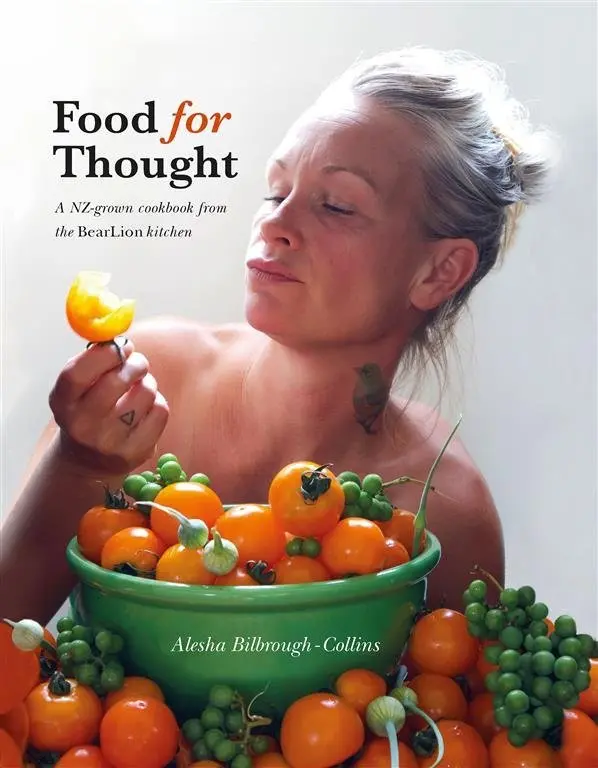
Food for Thought: A NZ-grown cookbook from the BearLion kitchen features her favourite recipes and words of advice on everything from head injuries and chemical use to questioning alcohol.
Having grown up with a father who was a keen hunter, grandparents who ran a farm with vegetable garden, bees and an orchard and a mother who was a preserver of the seasons, Bilbrough-Collins had a typical Kiwi introduction to all things food. She went on to travel overseas, doing stints with Ottolenghi and Ramsay Holdings in London before returning home.
These days she is worried about how disconnected people have come food.
"In this crazy, fast world it seems food has lost its worth and convenience has become too convenient. We have lost the basic knowledge. We’re not really letting it sink in that we are what we eat."
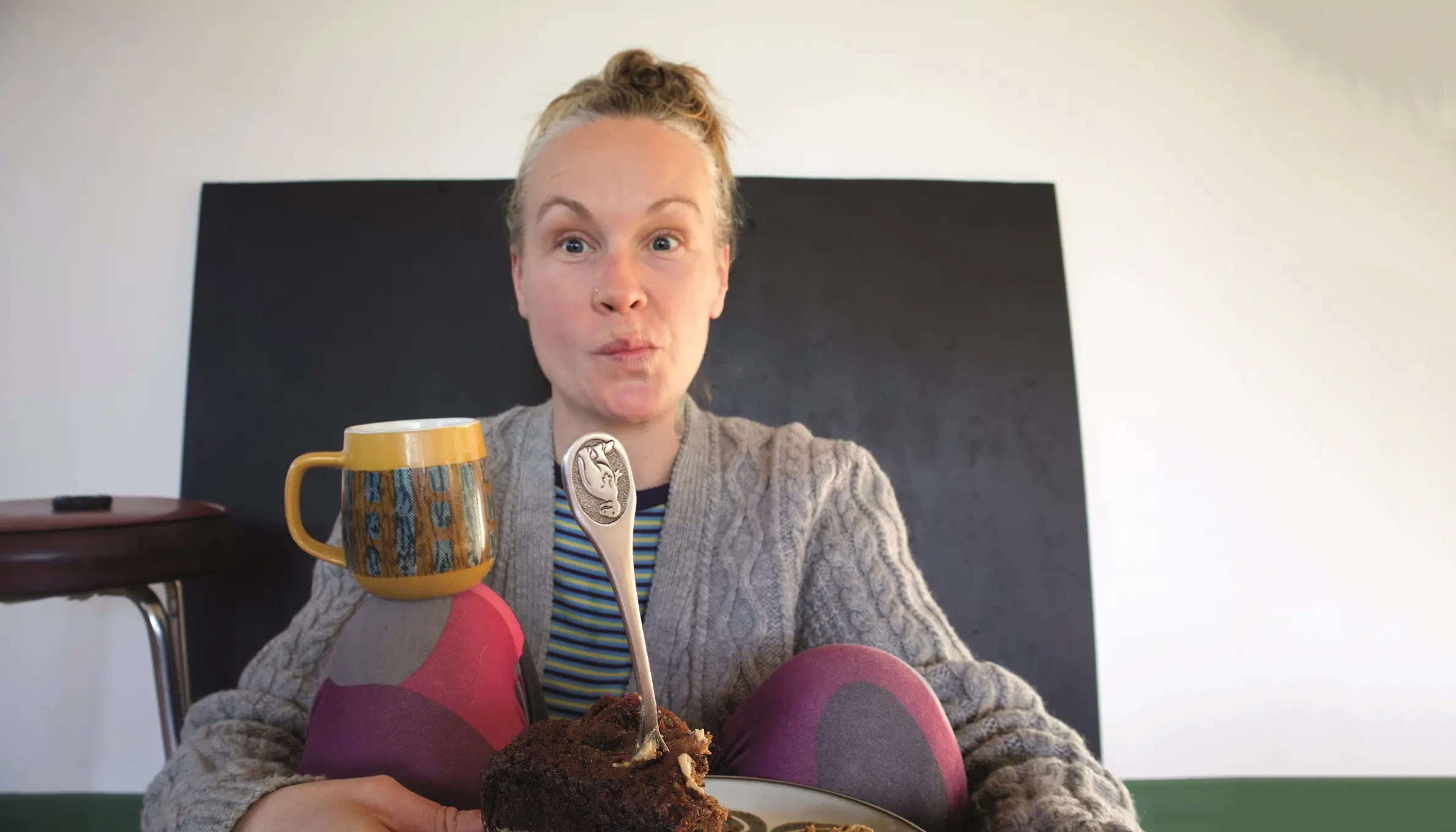
As well as creating the recipes, she has taken the photos, which include several humorous ones of herself.
She starts the book with a section on tips and tricks urging all cooks to "please remember to taste, taste, taste".
"Build your palate, educate it. Get to know what you like. More salt? Sweetness? Acidity?"
Never one to follow a recipe herself, as she sees them as inspiration.
"Most of my meals come from what I have on hand."
She hopes the book provides an opportunity for cooks to learn more. "It’s you advancing your skills and knowledge when it comes to seasoning."
But things can go wrong and when they do, Bilbrough-Collins says do not beat yourself up over it.
"It happens. Don’t put pressure on yourself for perfection. Just take some breaths, to outside, take a walk and come back to it. Mushy potato or other overcooked vegetables or grains are great in bubble and squeak, soups and fritters."
It is also nice to have time to cook, something she did not often have in her days in a commercial kitchen. First things first though — read the recipe through from start to finish.
"It’s a beautiful thing not to be rushed, to take your time and enjoy the experience of simple prep and cooking methods."
The book starts with a section on "the little things that really matter" — that is the pickled, preserved, dried, stewed and pre-made flavour enhancers.
"These little gems pop up over and over again to make a magic meal with ease."
There is another chapter on sides and soups, another on salads which she says do not have to be a side dish.
"With increased prices for food you’d be silly not to fill up on the nourishment of something at a lower cost to yourself and the environment."
Bilbrough-Collins, who now lives in Upper Moutere, Tasman and operates a sustainable and organic food, catering and private chef business, is not vegetarian or vegan. She has "given it a crack" but meat always comes sneaking back in there. But she is aware of where her meat comes from, how it’s raised and killed and what might be in it.
She does not like having a label attached to her.
"I’m everything; I eat real food. Not eating animal products for a month educated us on how a little protein can go a long way, that our bodies feel better for it and to keep trying new things."
The final chapters are on drinks and "having your cake and eating it too".
The book
Food for Thought: A NZ-grown cookbook from the BearLion kitchen by Alesha Bilbrough-Collins, photography by Alesha Bilbrough-Collins, published by Bateman Books, RRP$55. Release date April 10.
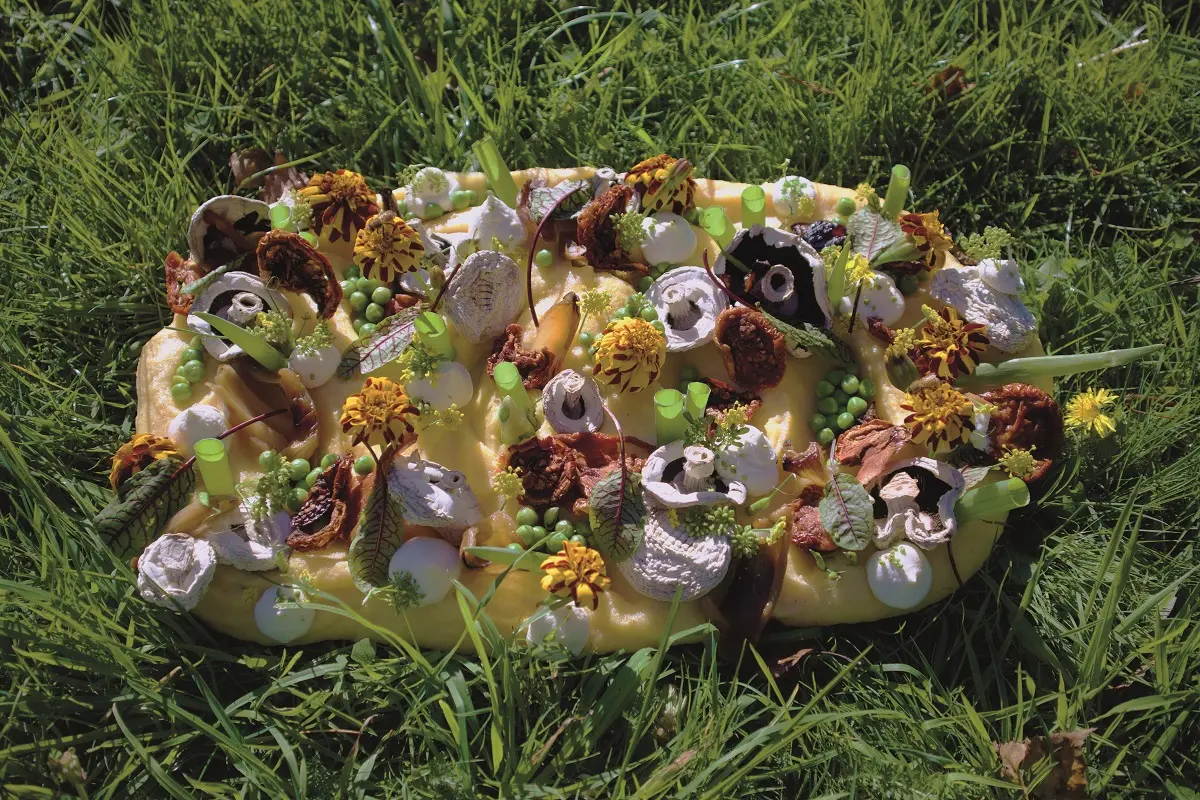
Polenta slab
Impress anyone with this visual delight — it’s so much fun putting these together. The end result reminds me of a pixie garden or, well, yes, somewhere I’d like to live. Let your imagination go wild. I’d love to see your combos, so please tag and share on socials if you have the time. I’ve included a wee list of toppings, so knock yourself out. There is always the option of flavouring the polenta also. Use herbs, garlic, nutritional yeast, sweet onion jam. Anything you like.
Serves 4-6
Ingredients
4 cups water (or chicken/vege stock)
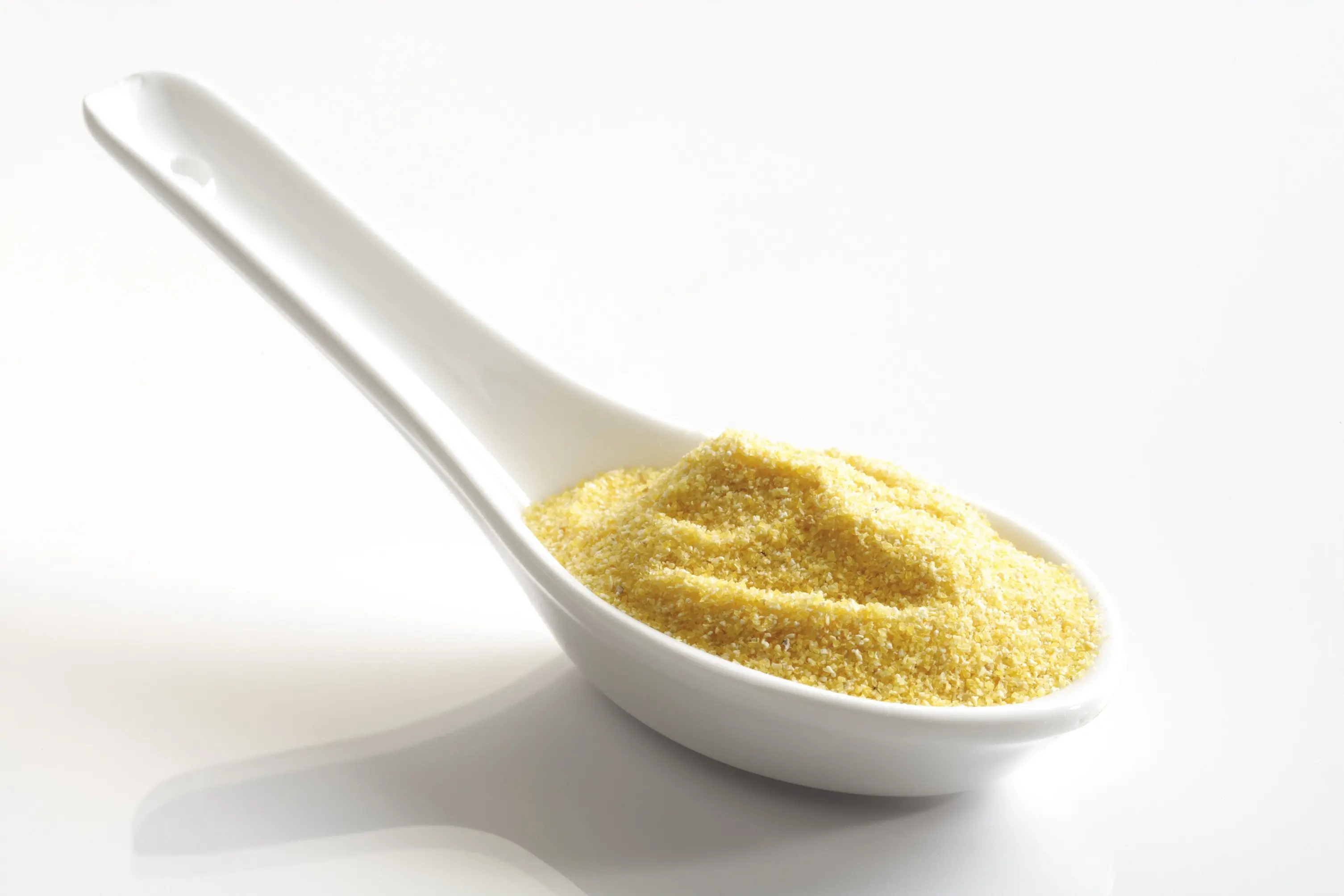
1 cup quick-cook polenta
2 Tbsp extra virgin olive oil
½ tsp each salt and pepper
Photo: Getty ImagesTopping ideas
Peas, walnuts, any nuts
Blue cheese, feta, sundried tomatoes
Herbs, labneh
Pickled onion and pesto
Mushroom parfait
Roasted onions, mushrooms, zucchini, pumpkin
Method
Bring the water or stock to the boil in a medium-sized pot, turn the heat down to medium, be whisk-ready.
Slowly start adding your polenta while stirring in with the whisk at the same time. Simmer on low for about 5 minutes, stirring with a spatula. Add oil and seasoning, then mix.
Tip on to a wooden board or platter of choice. Push down lightly with a spatula to spread polenta out a little.
Now the fun begins! Simply press what topping/s you would like on to and into the polenta.
Serve warm or cold.
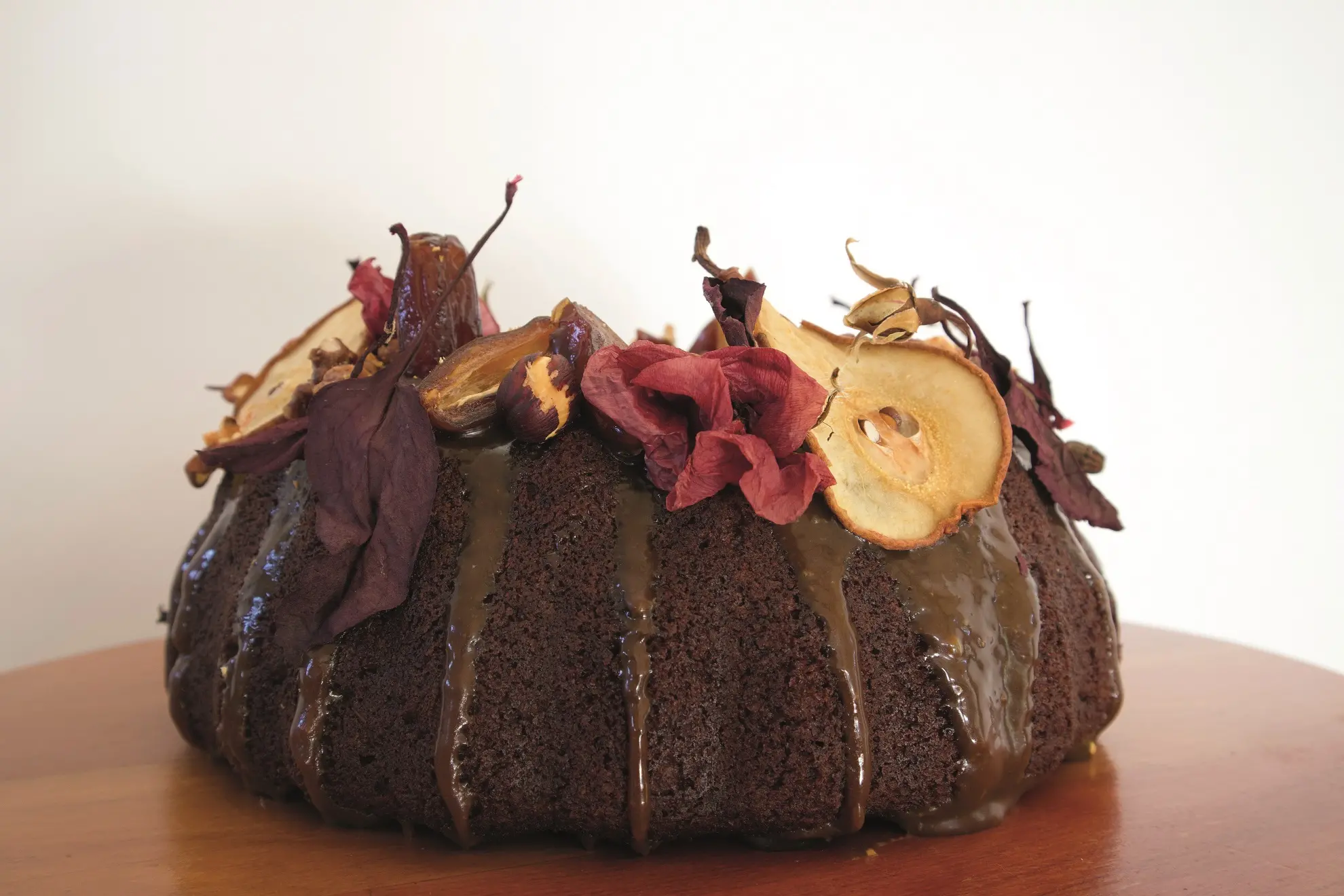
Date pudding with espresso syrup
Puddin’, dessert, cake — whatever you want to call it, this one is here to give you that hug you know you need. It’s a big middle finger to lockdown. If you like a bit of spice, feel free to add a teaspoon or two of ground ginger, cinnamon, etc. Gluten-free, dairy-free and vegan if you want.
Serves 8-12
Ingredients
300g pitted dates
300ml water
½tsp baking soda
1 egg (vegan option: 1 Tbsp psyllium)
1 tsp baking powder
200g almond meal (or leftover cashew pulp from making milk)
100g caster sugar
2 Tbsp coconut or olive oil
Method
Place the dates and water in a pot, bring to the boil and reduce on a medium heat until the liquid has almost gone. Add the baking soda. Let sit for 10–15 minutes.
Place in food processor, add the other ingredients and blend well for 1–2 minutes. Tip into a cake tin. These can be cooked as individual muffins (six), a 20cm x 20cm tin if you please, or a mini bundt or cake tin. Bake for 30–40 minutes for small and 40–60 minutes for larger cake. Skewer should come out clean.
If you’re a coffee fan, do try this recipe — it’s a great way to get a second round out of your coffee grounds with the espresso syrup, otherwise the coconut caramel recipe (page 236) is a winner combo.
Espresso syrup
½cup coffee grounds
2 cups water
75g caster sugar
Boil these together until reduced by half. Strain and place back in the pot and reduce for a further 5–10 minutes or until it coats the back of a spoon.
Makes 500ml.
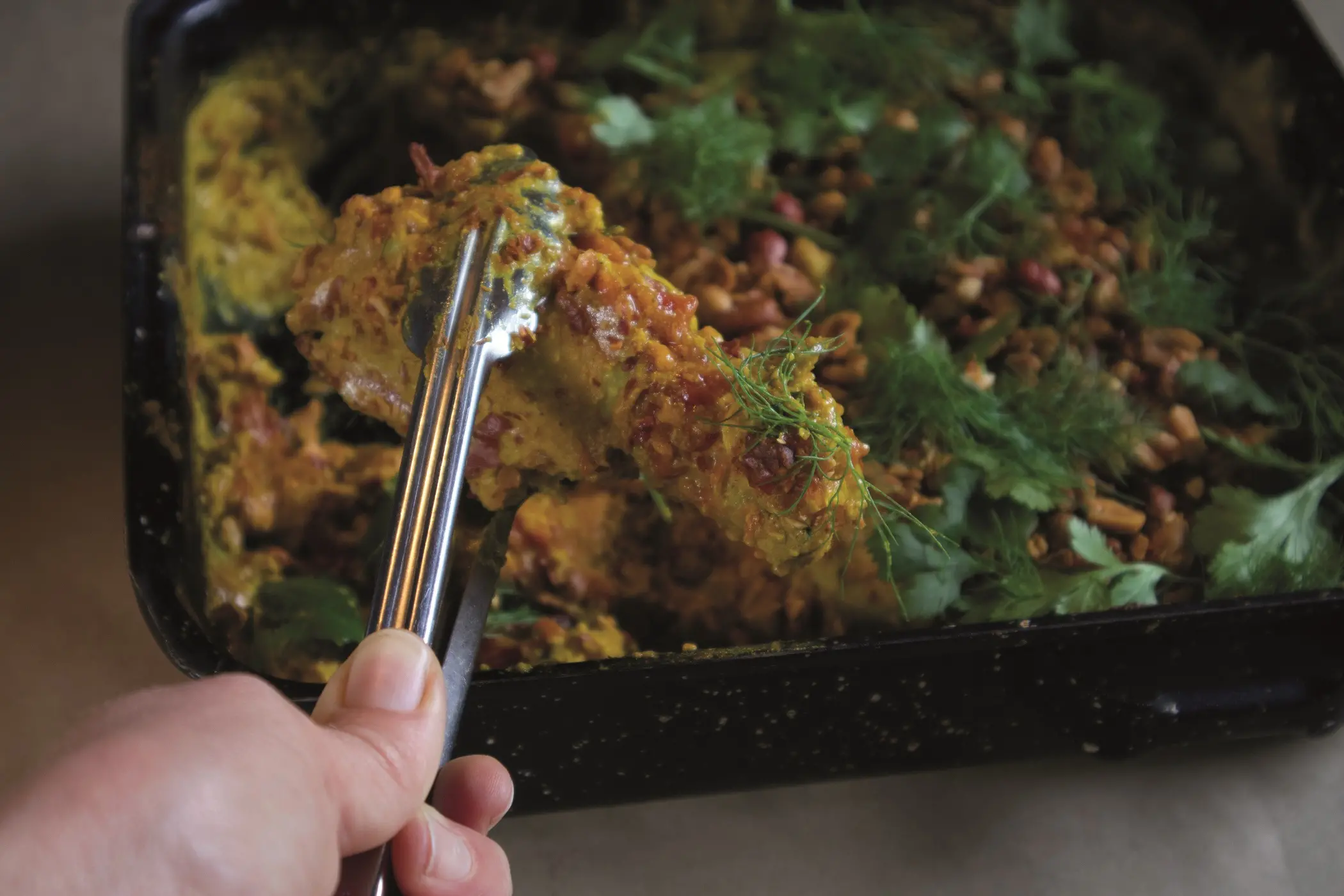
Chicken drumstick curry
You will need to make the curry paste first (recipe below). This is a great paste to have in the fridge if you want a quick and easy meal with some bang.
Serves 6
Ingredients
4 Tbsp curry paste (below)
440g can chopped tomatoes, or fresh
2 Tbsp sesame oil
440g can coconut cream
1 large tsp salt or fish sauce
12 chicken drumsticks
½ cup toasted peanuts
bunch coriander
Method
Preheat oven to 200degC fan bake.
Mix the curry paste with tomatoes, oil, coconut cream and salt in a roasting dish. Add your chicken pieces and stir to coat it all. Place in the oven and cook for 30–40 minutes, depending on how close together the drums are.
Let rest for a good 5 minutes. Garnish with chopped peanuts and coriander.
You could add different vegetables to bulk this curry up, such as cooked potato or kumara. Throw a few frozen peas in, perhaps some halved boiled eggs on top.
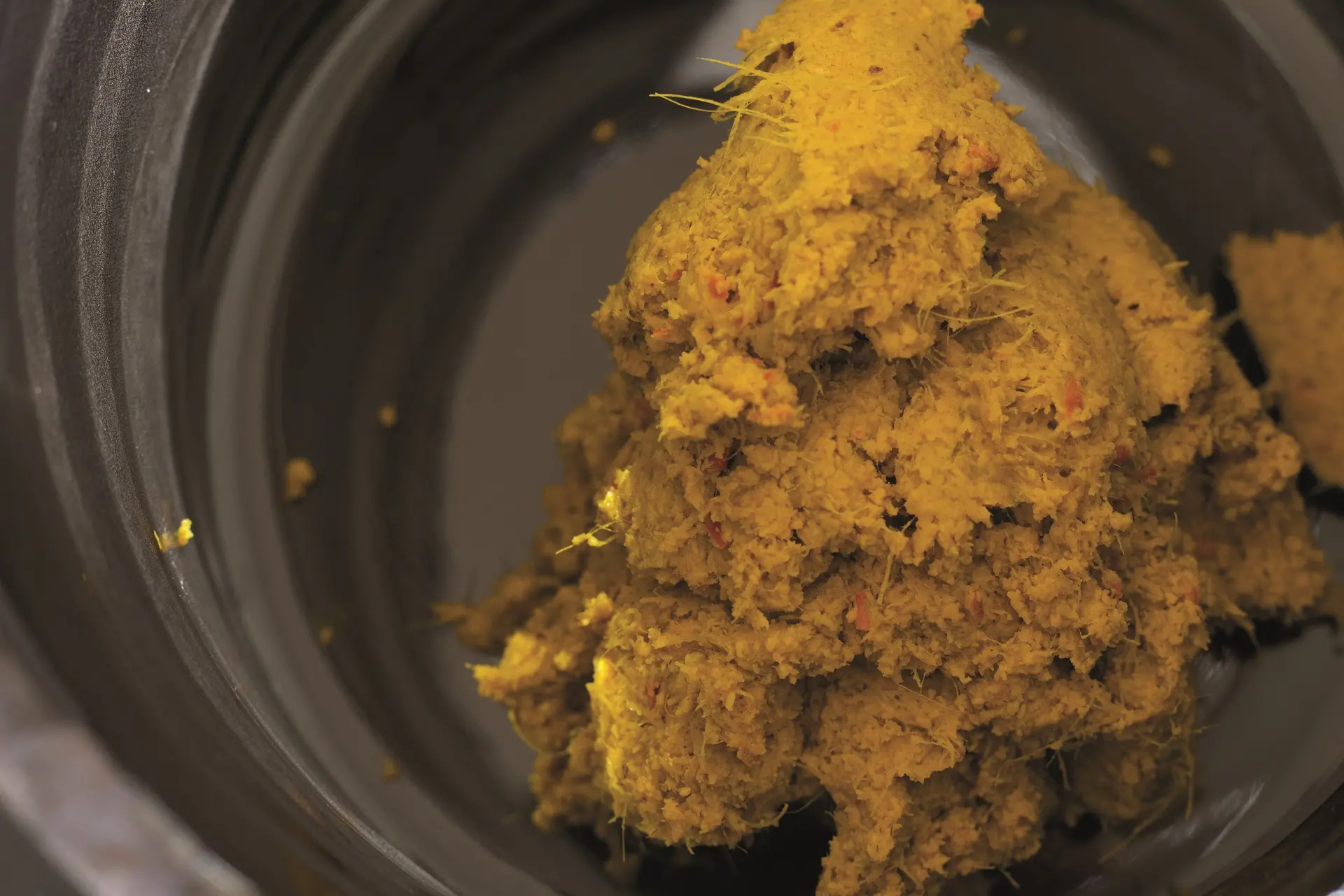
Curry paste
It really is worth the effort to make your own curry paste. Packed full of all-natural goodness and none of the bad. Once it’s done, it lasts for months in the fridge and you’ll be so stoked when you’re time-short and want a quick, easy meal with lots of flavour. It’s also a great way to use up coriander roots instead of tossing them in the bin. Every part of coriander is edible, like most plants.
Makes 5 cups
Ingredients
80g fresh chillies, keep seeds if you like it hot
225g onion, red or white
125g garlic
250g fresh ginger
150g coriander roots
3 Tbsp turmeric (grated fresh is best but dried will do)
250g coconut oil, melted
1 tbsp fenugreek
2 Tbsp chopped lemongrass
Method
Chop chillies, peel onions and garlic, and clean up the ginger, roots and turmeric if need be. Ensure all fresh ingredients are chopped small to make blending easier. Also make sure it’s all at room temperature otherwise the coconut oil will set hard and then you’re in trouble.
Put everything into a high-powered blender and keep pulsing until you have a smooth paste.
You will have to keep stopping the blender and scraping the sides down. Store in a jar with a lid in the fridge.
When you are using this paste in a meal, depending on whether it’s a dry curry or a cream or tomato base, don’t forget a salt element. Fish or soy sauce, or just salt.
I include a little coconut sugar when I’m doing a tomato base; it just adds that little something extra.