From concrete to comfy

On-site wastewater is treated and dispersed to garden beds while roof run-off is directed to soak...
On-site wastewater is treated and dispersed to garden beds while roof run-off is directed to soak pits to support groundwater recharge. PHOTOS: BIDDI ROWLEY AND ANDA BULGAKOVA
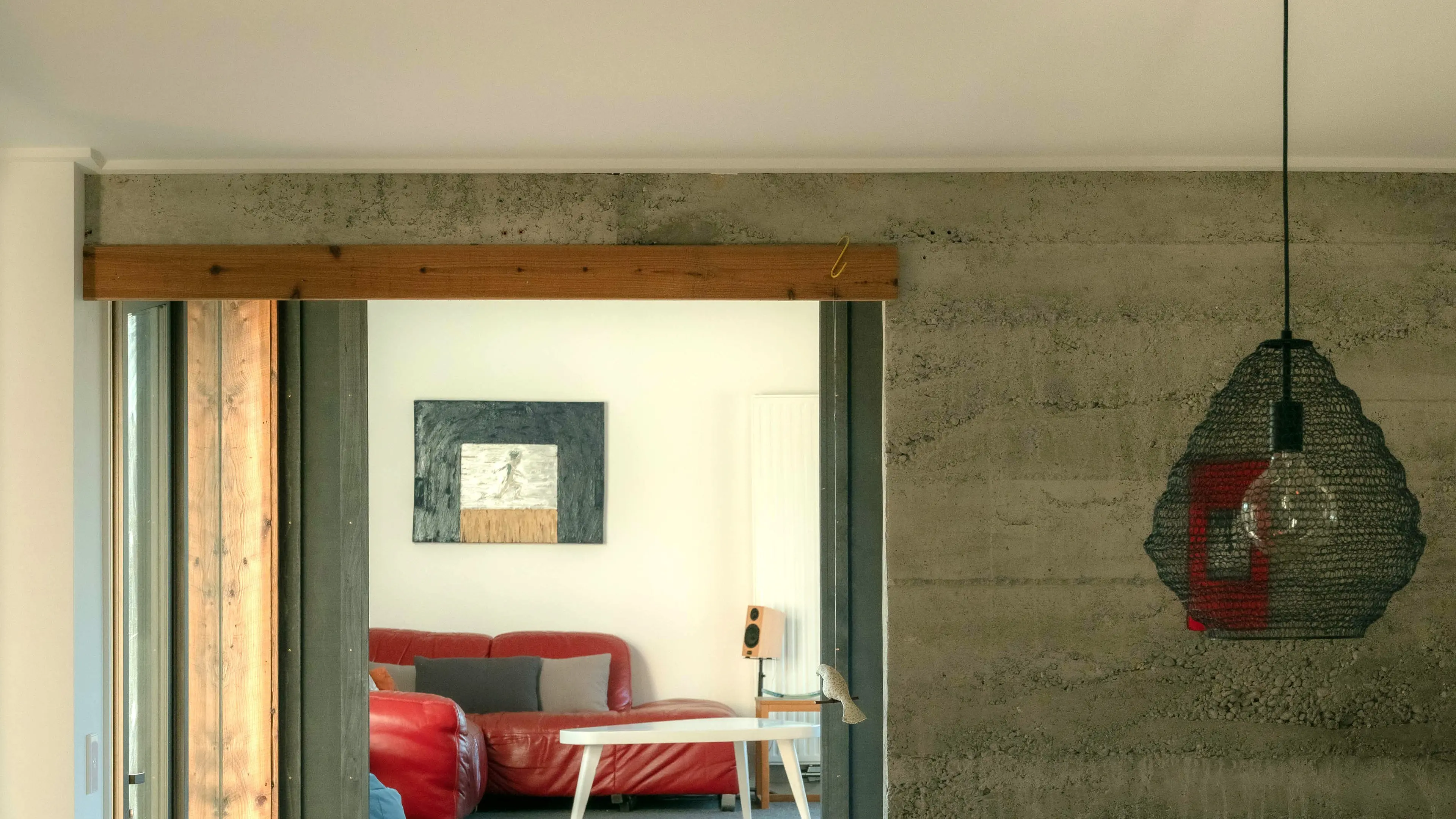
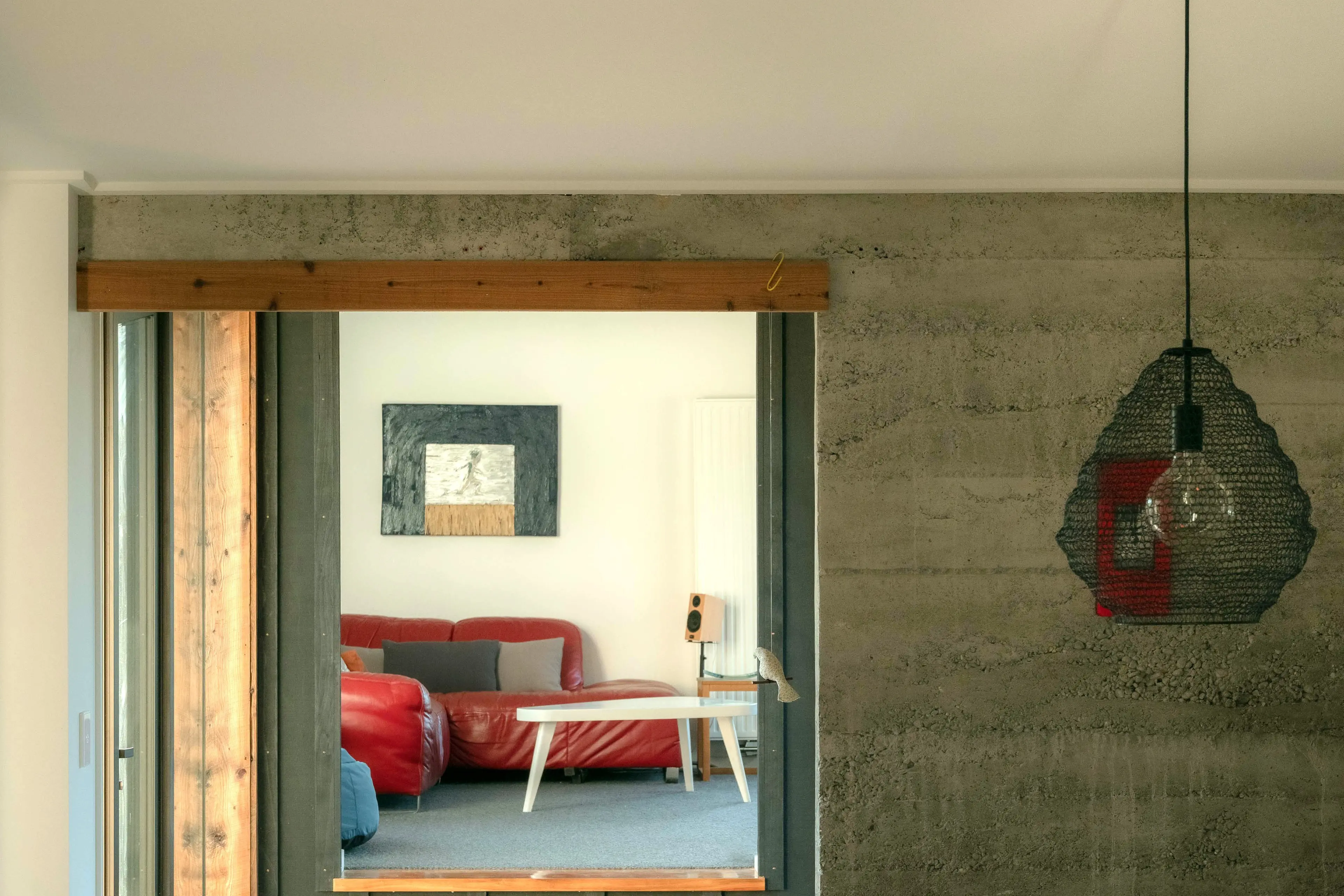
The dining area is in the original part of the house.  PHOTOS: BIDDI ROWLEY AND ANDA BULGAKOVA
The dining area is in the original part of the house.
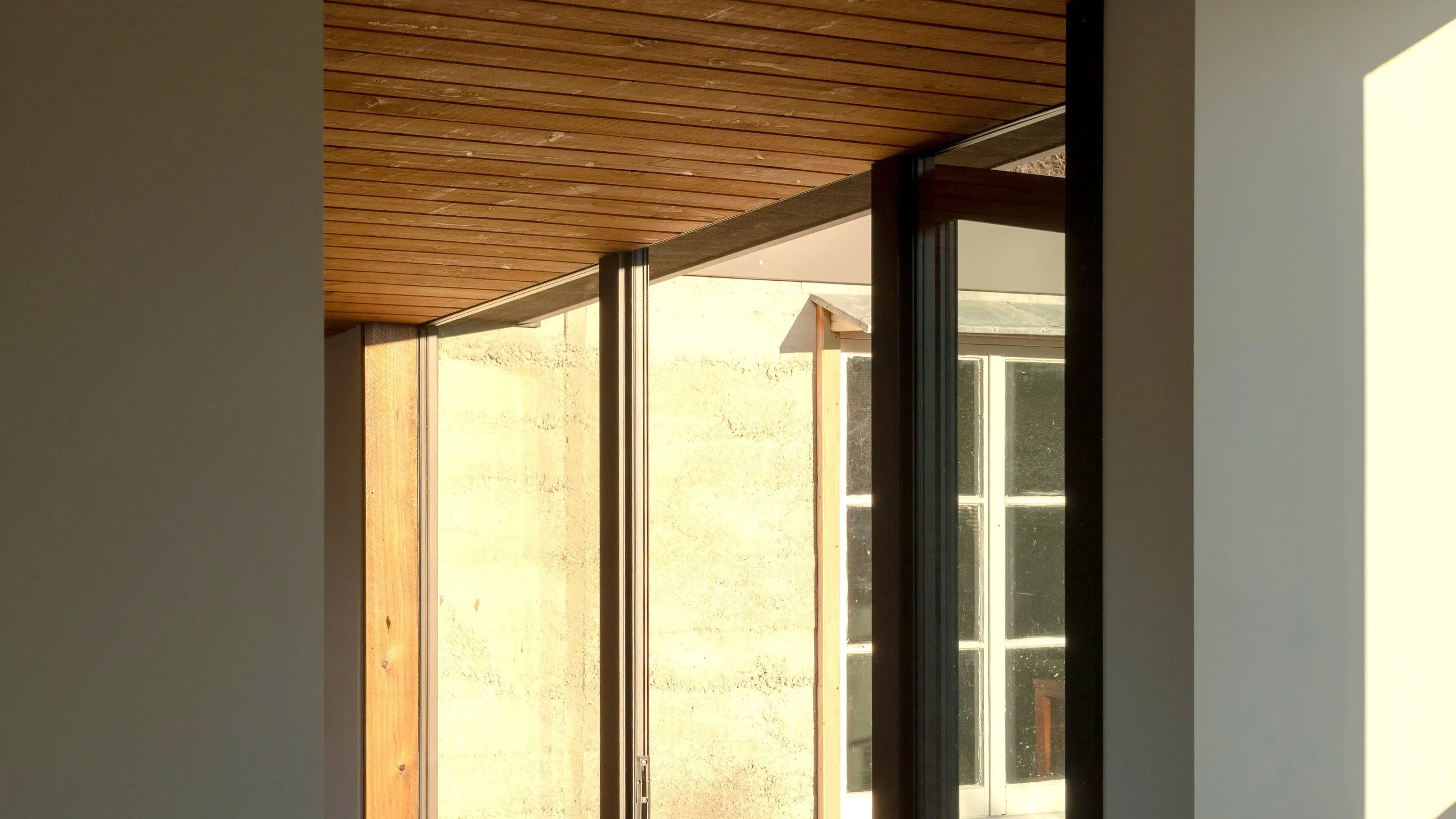
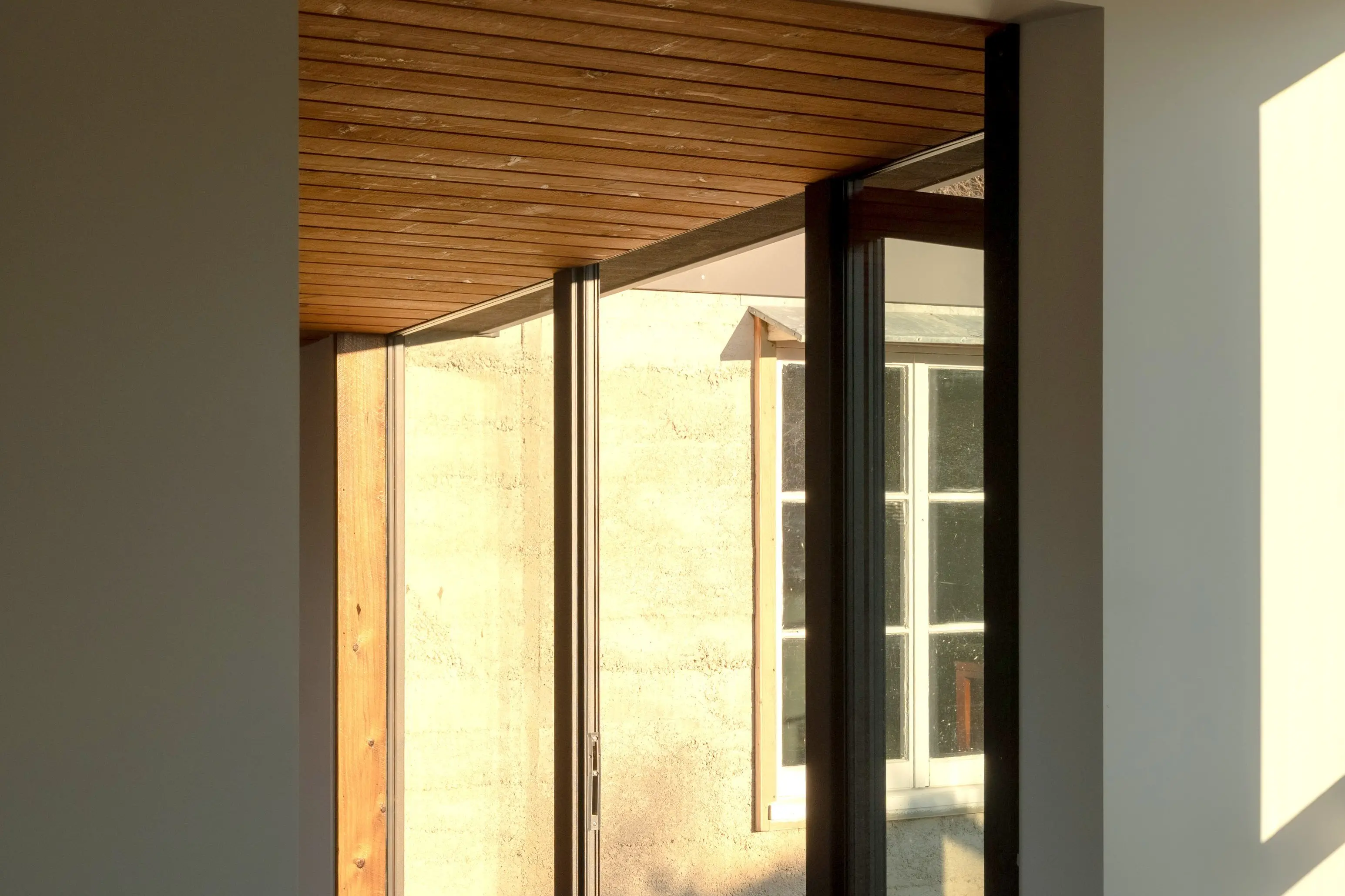
The view from the living room, looking through to the glazed link, which has recycled timber on...
The view from the living room, looking through to the glazed link, which has recycled timber on the ceiling. In the background, afternoon winter light hits the concrete wall of the original farm shed, which is now the guest bedroom.
Chaney & Norman Architects ‘‘amplified the existing lean-to language’’ with angular, mono-pitched...
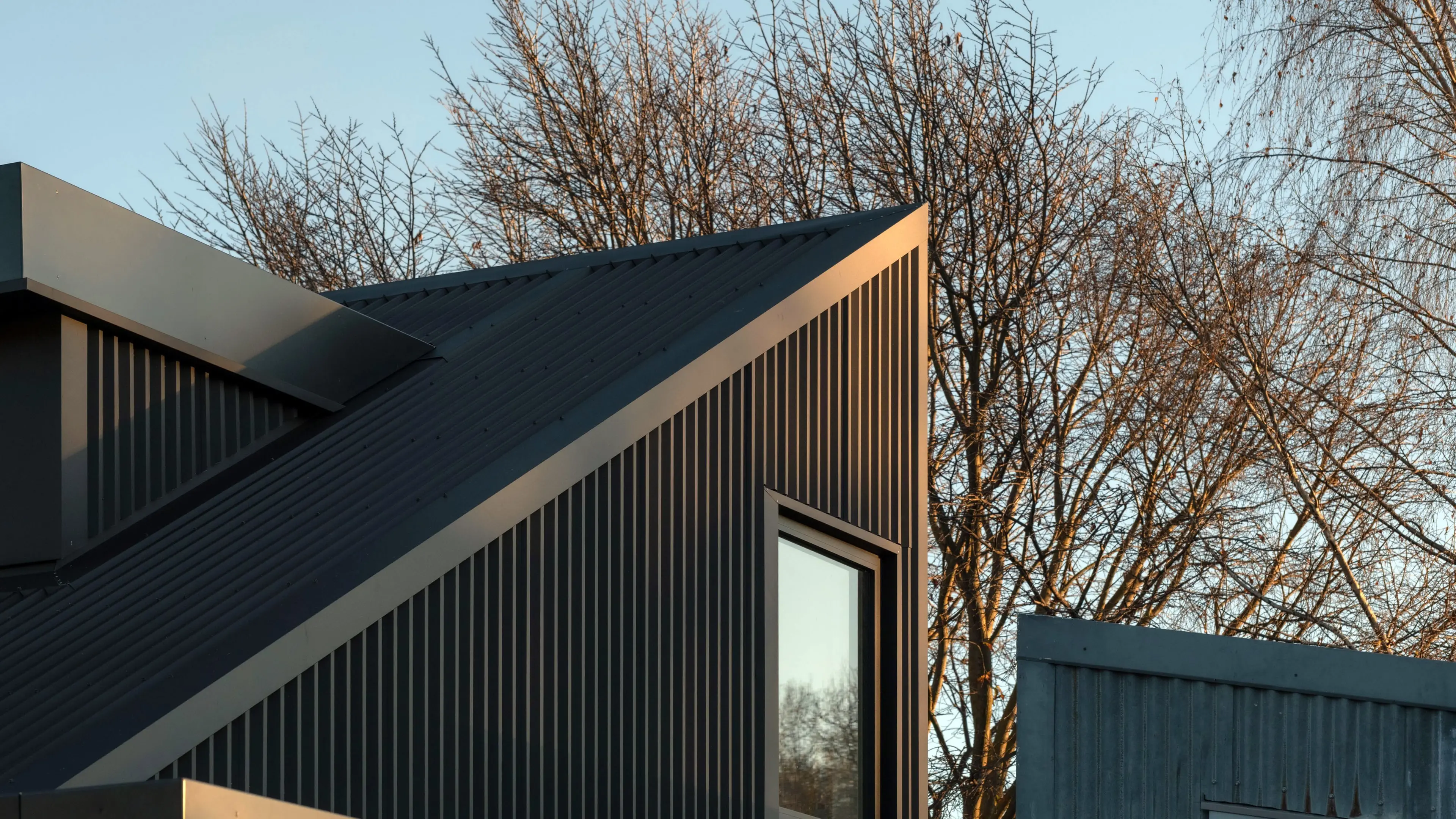
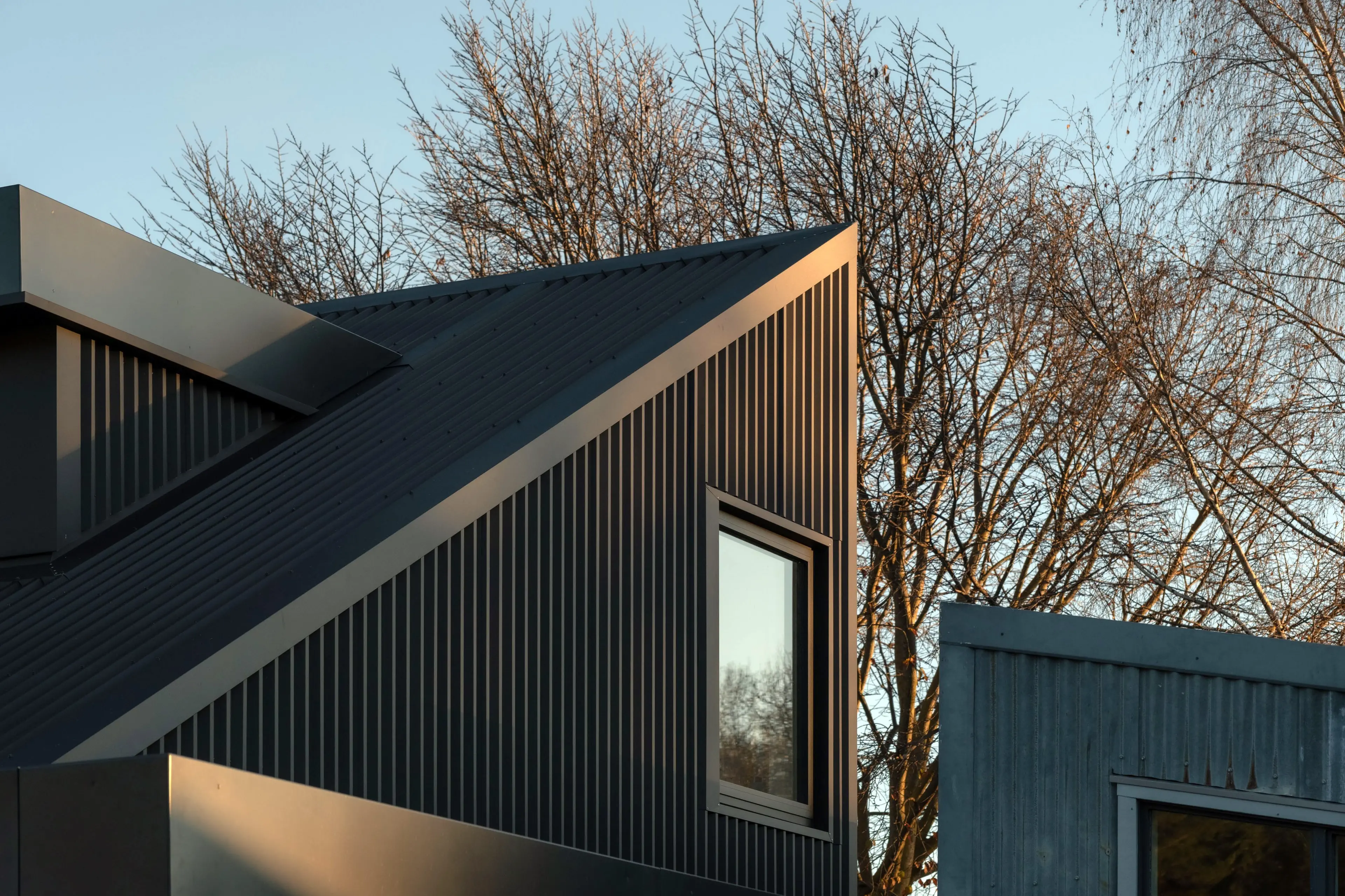
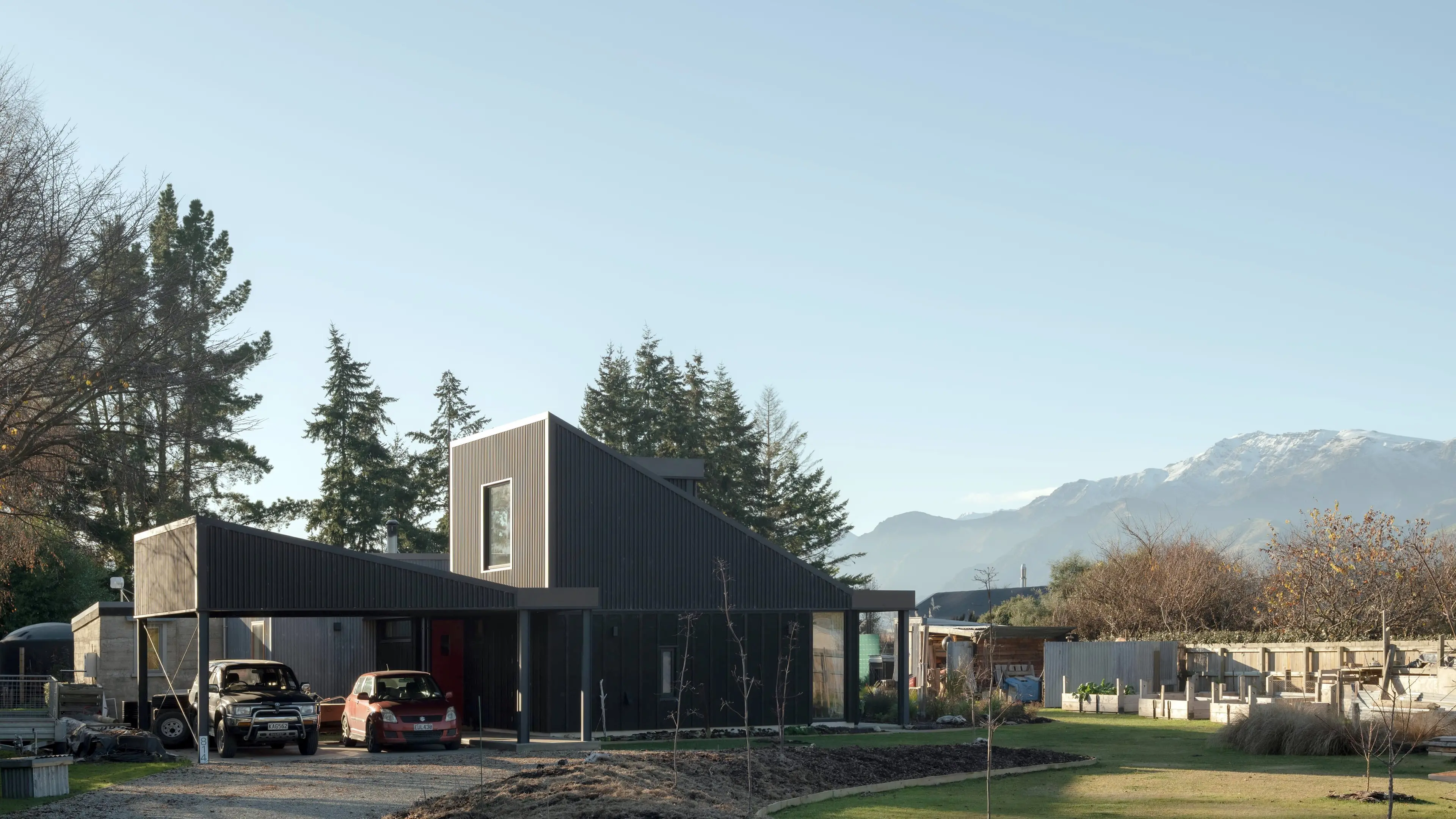
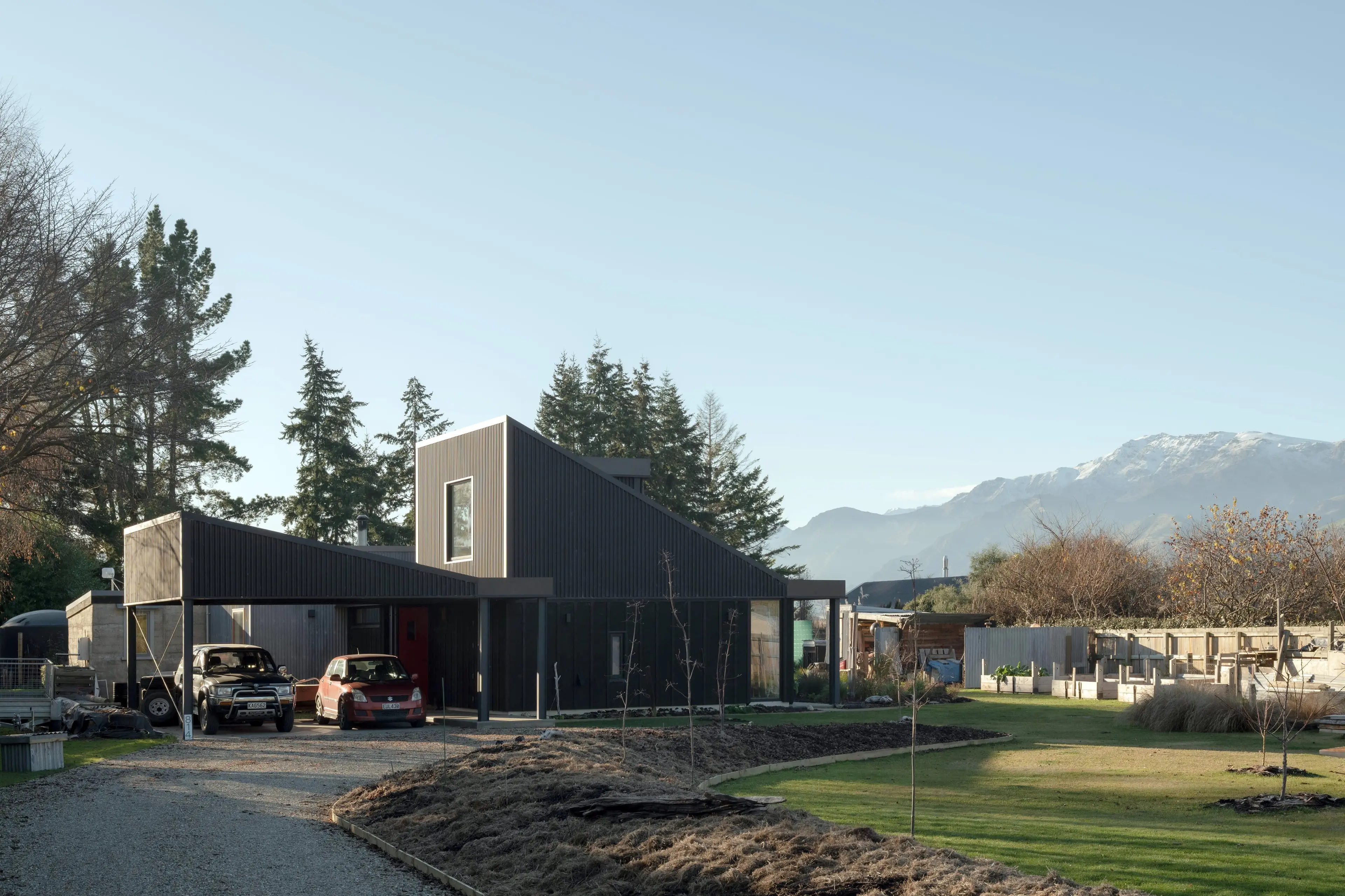
Chaney & Norman Architects ‘‘amplified the existing lean-to language’’ with angular, mono-pitched roofs.
Openings were carefully designed for winter solar gain, daylight and cross-ventilation.

A clever conversion fits beautifully into its rural setting, Kim Dungey reports.

A concrete shed is probably the last thing you’d expect could be converted into a comfortable home.

But that’s exactly what the owners of this Hāwea Flat property have done, with the help of Chaney & Norman Architects.

The owners of this Hāwea Flat property transformed a rustic farm shed into a warm, sustainable...
The owners of this Hāwea Flat property transformed a rustic farm shed into a warm, sustainable home. PHOTOS: BIDDI ROWLEY AND ANDA BULGAKOVA
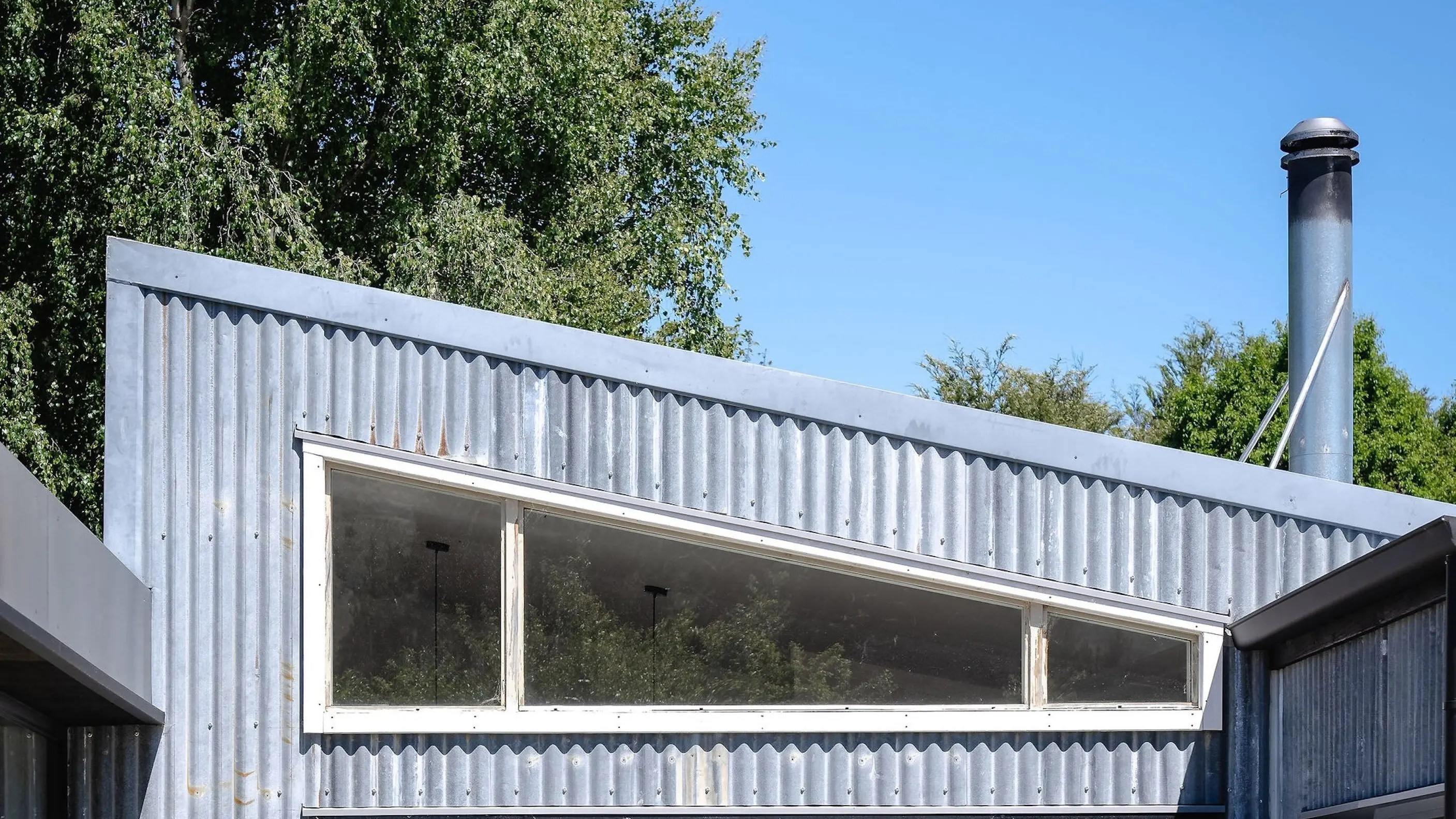
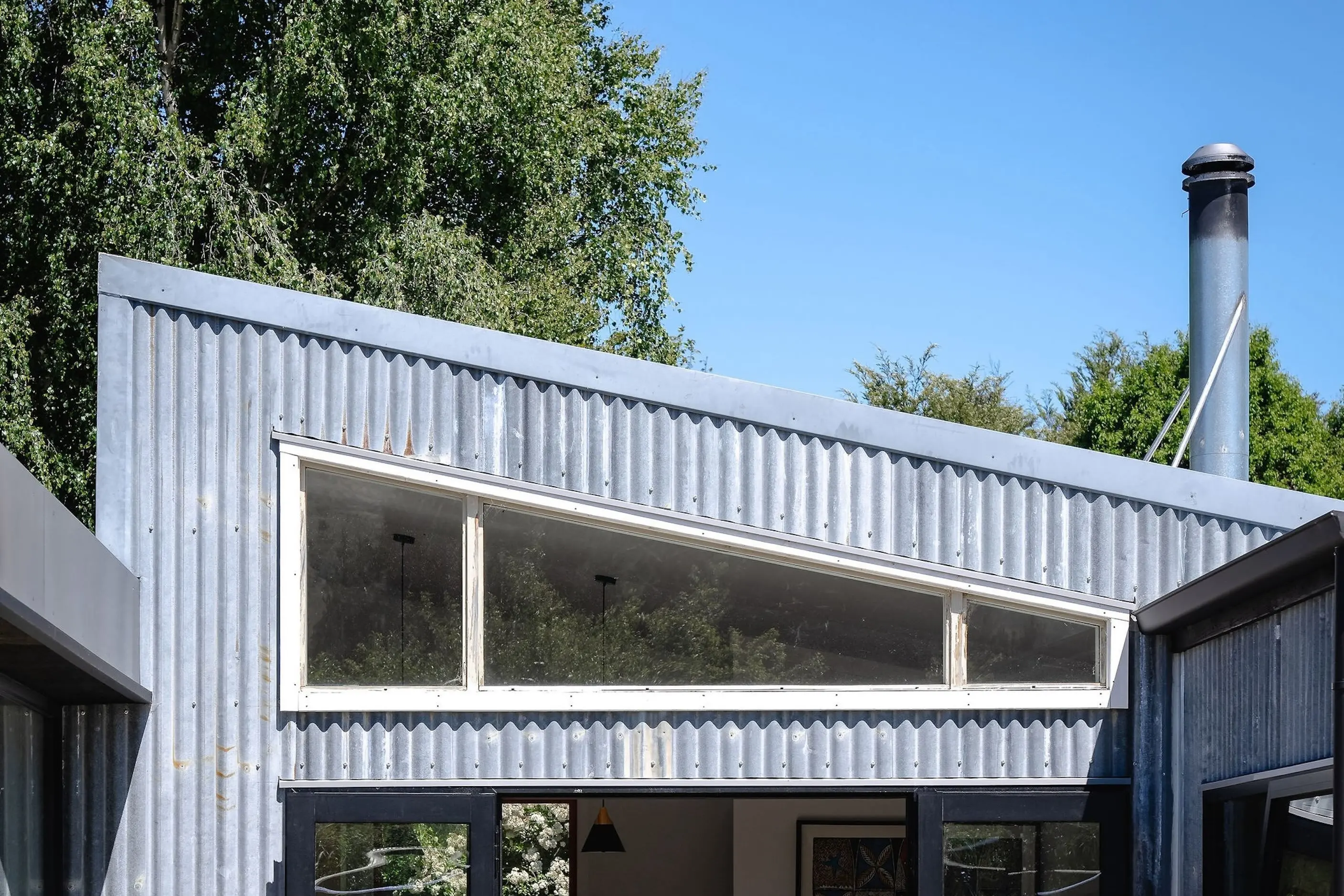
Located in a small, semi-rural community at Windmill Corner, the concrete shed was originally used for farm purposes and later became a modest crib, with the addition of a timber lean-to.

Now, it has been extended again to become a permanent home.

The architects said the owners wanted to retain and celebrate as much of the existing building as possible while transforming it into a warm, efficient ‘‘forever home’’.

The house reflects the personality of its owners and features pops of colour.

‘‘Alongside high levels of insulation and careful use of thermal mass, they prioritised generous natural light, healthy indoor air quality and recycled and sustainable materials.’’

‘‘They also wanted a simple design with moments of delight - in their words, something with a ‘wow factor’ that ‘didn’t feel boring’.’’

The design builds on the character of the original structures while adding two new ‘‘pods’’.

One of these includes the main bedroom, laundry and storage, with a mezzanine workspace above capturing the morning sun.

The other contains a private living space that makes the most of the afternoon sun and long rural views to the rear of the property.

The new wings were connected to the existing structure by glazed links which reference an existing conservatory that couldn’t be saved due to its condition.

Openings were carefully designed for winter solar gain, daylight and cross-ventilation.
The compact additions are clad in board and batten up to the ceiling datum and above this, in Metalcraft Kahu - a more modern take on the traditional corrugate of the original building.

The original structure houses everyday living areas and guest bedrooms, with a flexible workspace that can be closed off and accessed independently when visitors are staying.

The contrast between the earlier and new sections is deliberate, allowing the development of the site to be clearly read.

Positioned to frame views of the mountains, the new wings have a strong connection to the surrounding landscape.

Sustainability was also a key part of the project, which cost less than $600,000.

Retaining the existing concrete shell avoided demolition waste and substantially reduced the volume of new materials required; its thermal mass also helps regulate indoor temperatures.

Second-hand materials were incorporated where appropriate and the alterations were carried out carefully so existing elements could be reused - one example is the original concrete porch posts which were repurposed as garden steps.

A balanced heat-recovery ventilation system, paired with efficient heating and cooling systems, maintains year-round comfort while reducing energy demand.

The property before alterations began. The existing conservatory was structurally unsound and had...
The property before alterations began. The existing conservatory was structurally unsound and had to be demolished, but the architects recreated its form in a new glazed link.
The additions incorporate high levels of insulation and airtight construction, with taped plywood on the interior serving as both an air barrier and structural bracing.

A winner at the Southern Architecture Awards and a national finalist in the Colorsteel Awards, ‘‘Pointy Flat House’’ might be modest in scale but it is warm, sustainable and full of personality.

Every choice was made for the owners’ way of life, not for the market, the architects said.

‘‘The ambition was not to build bigger, but to build better.’’

kim.dungey@odt.co.nz