It's not to late to sow winter vegetables, writes Gillian Vine.
Even if the drought breaks soon, there will be ongoing costs, as food prices are expected to rise in coming months. Gardeners, even if they have only a tiny plot - or none at all - can keep costs down by growing some vegetables.
Cabbages and cauliflowers planted now will not be ready until spring but silverbeet and spinach such as Perpetual will give greens in the cold months, while broccoli should give a reasonable amount of green heads, especially the mini types like Green Midget. An advantage of silverbeet and spinach is that they are good for growing in pots.
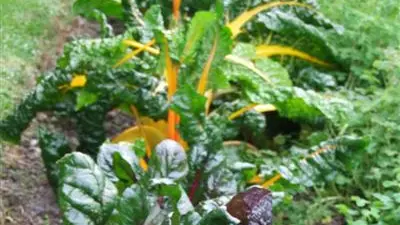
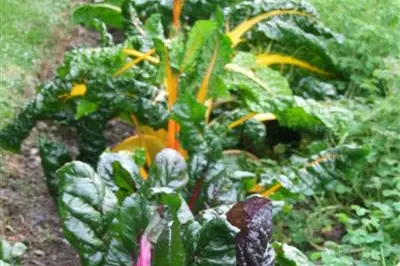
Bright Lights and Rainbow Lights have coloured stems (red, pink, orange, gold, purple or white), while the Bright Yellow and Golden Sunrise varieties have yellow mid-ribs. Plants can be tucked into flower beds for some winter colour.
To keep silverbeet and spinach producing, pick the outer leaves each time and the plants will last for months.
You could pop in a few celery plants, too. They may not be particularly impressive, planted so late, but will still give enough stems to flavour soups and casseroles.
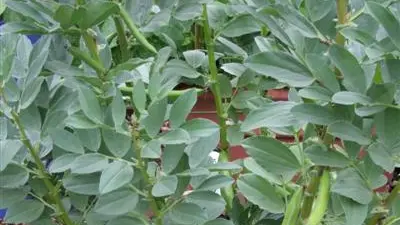
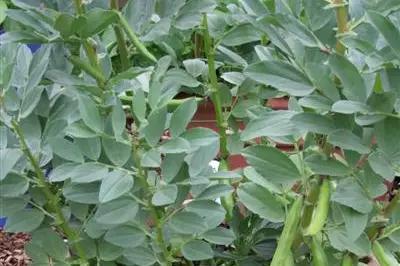
In the south, broad beans are traditionally sown on Anzac Day, although they can go in any time from mid-March until the middle of May. Broad beans - unlike runner and butter beans, which belong to another family entirely - are extremely hardy.
Seeds will germinate at surprisingly low temperatures and although young plants seem to stand still over winter, they come away quickly in spring. If space is limited, look for lower-growing types, such as Dwarf Early Green, that can be grown in pots but be aware that even so-called dwarf broad beans will still grow to about 1m tall and will therefore need some support.
Some Asian vegetables are very tough, too. Tatsoi, mibuna, mizuna, misome, pak choi and mustard streaks are among the many Asian brassicas that can be sown now and eaten over winter. Most can be harvested from the seedling stage, while mizuna and the slightly stronger-tasting mibuna lend themselves to the ''cut and come again'' treatment.
Winter does not mean salads are off the menu. Kings Seeds markets what they call Mesclun Winter Greens, a mixture suitable for growing in pots or in shady plots. That mixture includes Claytonia, or miner's lettuce, which also can be bought separately. Native to western North America, it is believed gold miners brought it to New Zealand - possibly via Australia - and it was once a common sight growing wild around old huts in the south.
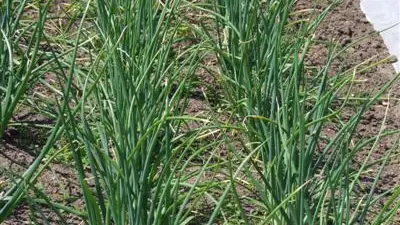
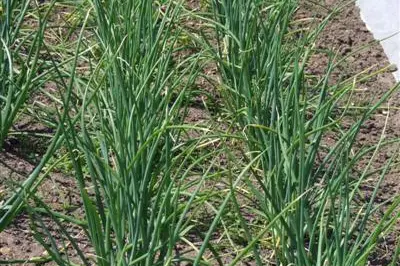
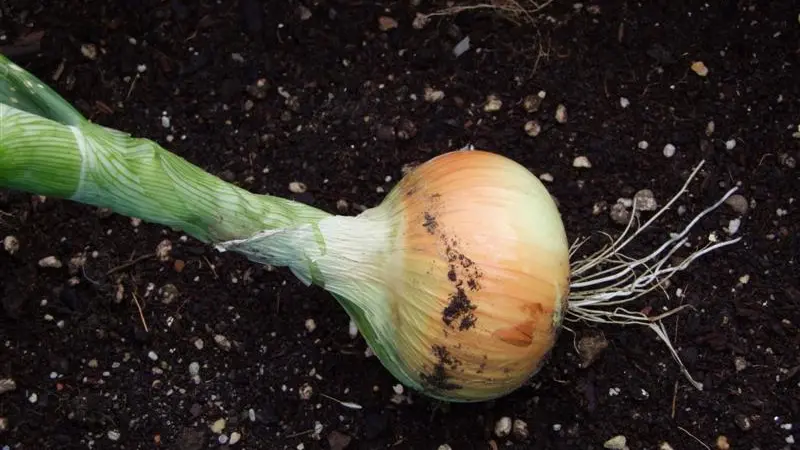
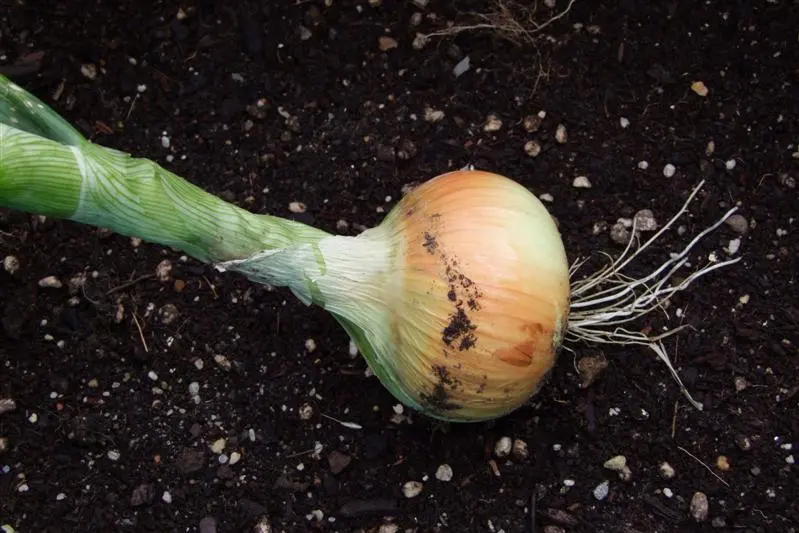
Other seeds to sow now for harvests next season include brown onions and peas. Unfortunately, shallot seed is rarely available but if you can get it, now is the time to sow it. Otherwise, grow shallots in winter from ''sets'', the bulbs garden centres sell.
The patient gardener with black, red or white currants that need a tidy-up can save the prunings and put straight pieces about 30cm long into pots of rich soil to strike. Inserting cuttings close to the edge of the container encourages better root formation. Patience is needed, as it will be next autumn before the new bushes will be ready to plant out and another year or more before they crop.
For those wanting faster results, runners of strawberries can still be taken off mother plants and planted in well-fertilised, lime-free soil or in a strawberry planter. The little plants will produce small crops next season, then good amounts of fruit for at least a further two years before the plants will need to be lifted and divided.
Given the gloomy forecasts about food costs, a little effort in the garden now will pay off in savings at the supermarket.