How a couple turned a coal pit into a park impresses Gillian Vine.
It takes a rare talent to see the potential of a rubbish dump.
Dave and Maria Sanderson wanted to buy a farm, but nine years ago prices had become so high that the only land within their reach was a 17ha block 23km from Invercargill on the Southern Scenic Route.
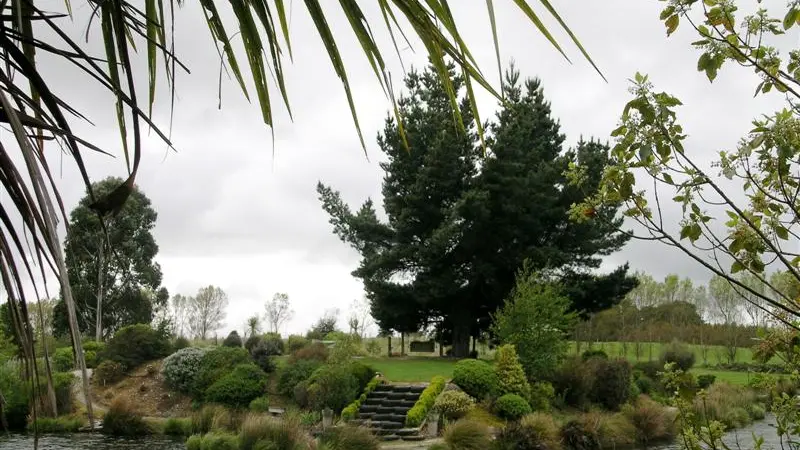
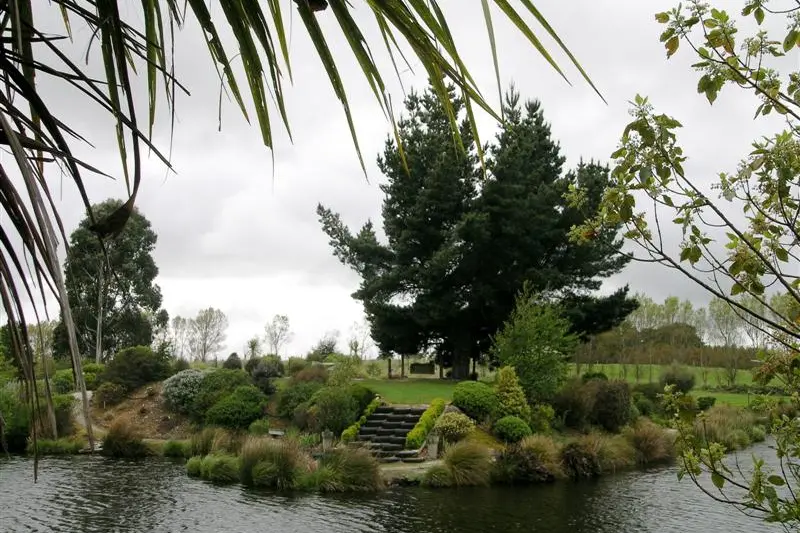
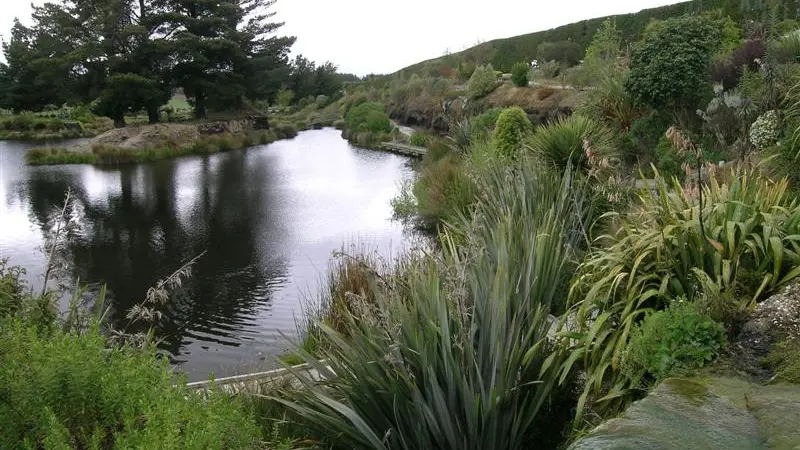
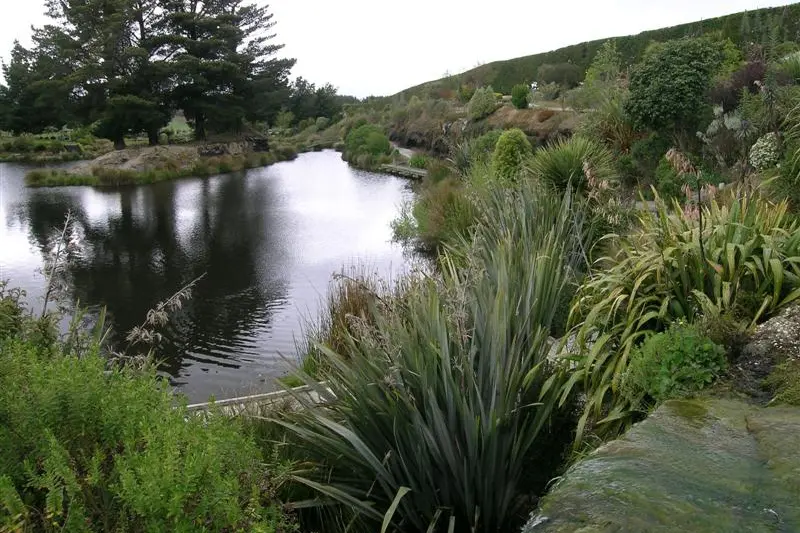
Almost half the property - now called the Lignite Pit Scenic Stop - was an old coal pit, Ashers, with a black-water pond created when the open-cast workings flooded following the abandonment of mining almost 40 years earlier.
''It was a rubbish dump and was covered with wilding pines and gorse,'' Dave says.
He and a nephew spent three weeks labouring to remove or bury old fridges and other junk before creating paths.
After that, 3500 cuttings, mainly of natives, went in.
''Then gorse and broom came up like hairs on a dog's back'', Dave recalls.
The desirable plants had to be tough because the area is very windy.
''The most challenging thing is the wind. Big pines had had the tops blown out, so you can see what the wind is like,'' he says.
Hedges put in almost four years ago had been ''a lifesaver''.
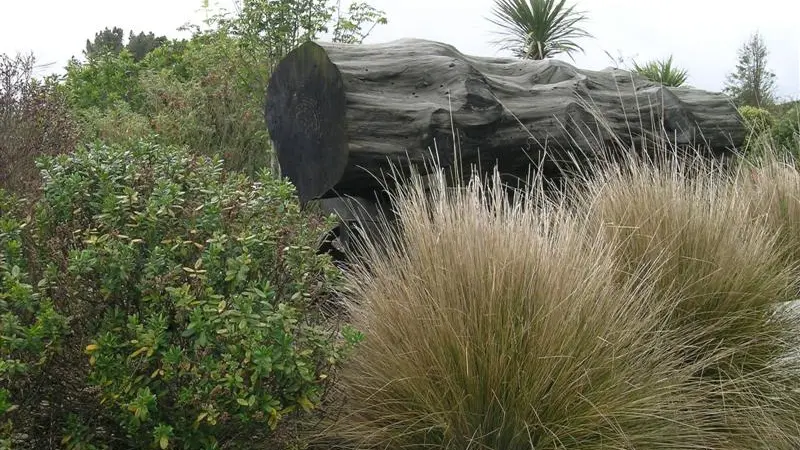
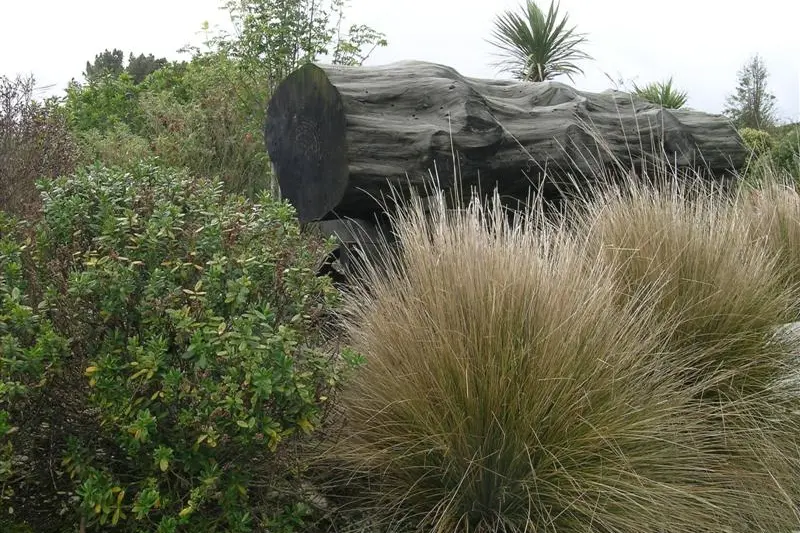
In the main, the plants are South Island natives, with lots of flaxes, cabbage trees, hebes, pittosporums (including one from Stephens Island in Cook Strait), rushes and grasses.
Dave is not a purist, as he has retained some of the pines and developed a paddock with samples of trees used in forestry.
And a ''very challenging'' dry bank proved the perfect spot for proteas and grevilleas, which survived one winter when the pond froze over.
The Sandersons have introduced a variety of birds.
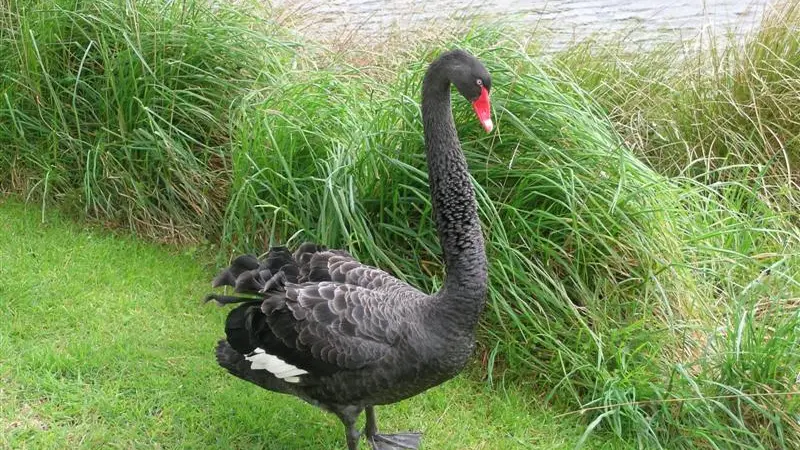
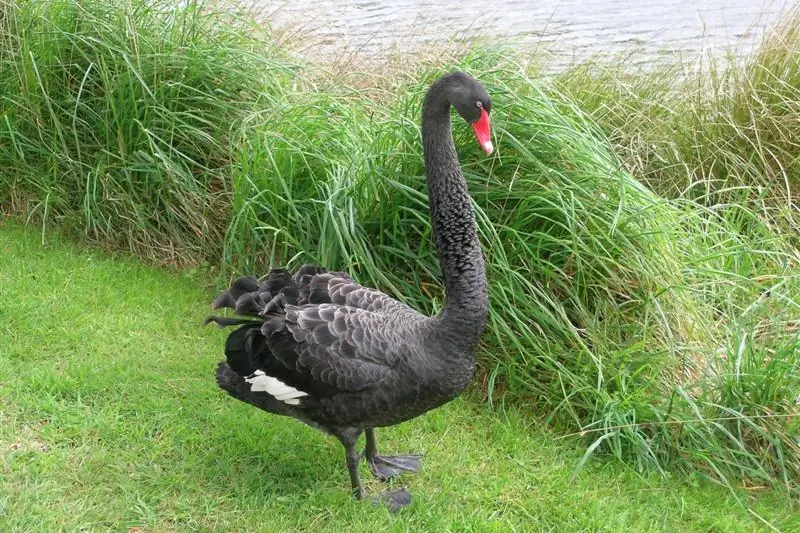
The initial intention was they should all be lignite-coloured, so there are black swans and Cayuga ducks, supplemented by self-introduced tui and blackbirds.
Other birds include fantails, mallards, shoveller ducks, bellbirds ''and the odd cattle egret'', most of which flew in to check for food and stayed.
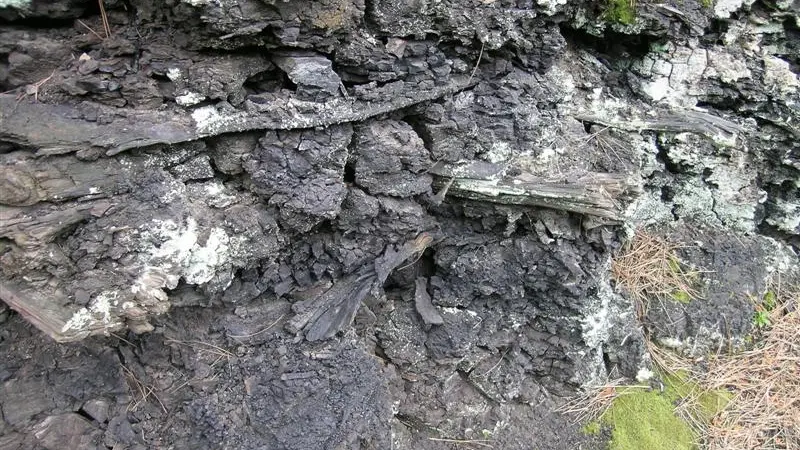
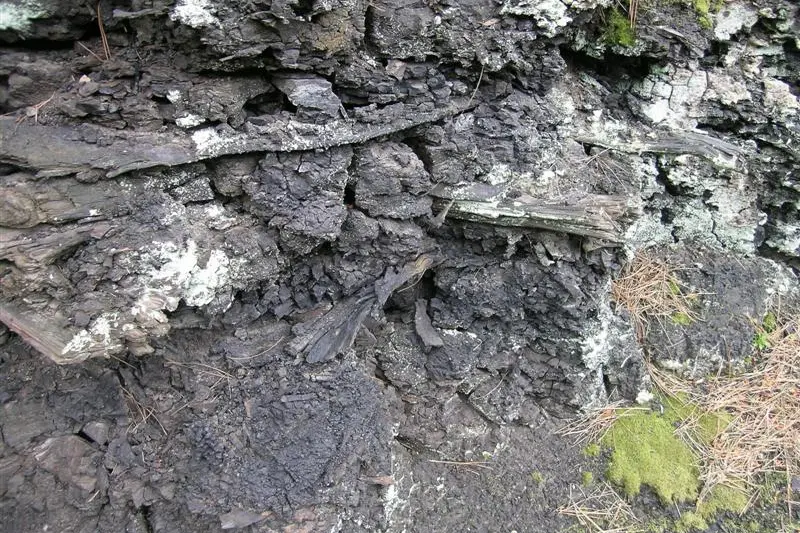
Fascinated by the history of the Ashers pit, Dave is a mine of information not only on its history but on lignite coal and how it is formed, something he loves sharing with school groups and individual visitors.
He explains that part of the reason for Ashers' demise was the coal was ''very shallow'', in some places less than a metre under the surface. This made removing the overburden easy but the downside was low-grade lignite, as the deeper it is found, the better the quality.
After winning a Southland environmental award, the Sandersons opened a café on the upper part of the property, as well as a farm museum, which was developed so children and younger adults could see how shearing sheds and milking operated 70 years ago.
''We never had any intention of doing this,'' Dave says.
Had they not, Southland would be the poorer.
The pit
Believed to have been one of the first commercial lignite pits in Southland, Ashers began operations in 1904.
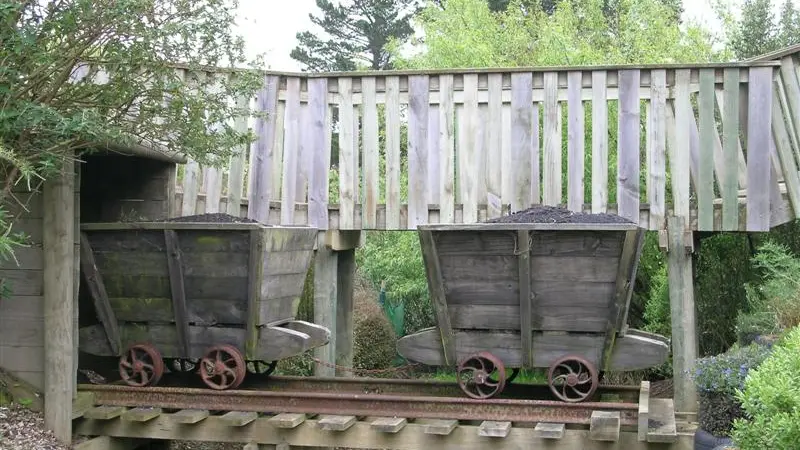
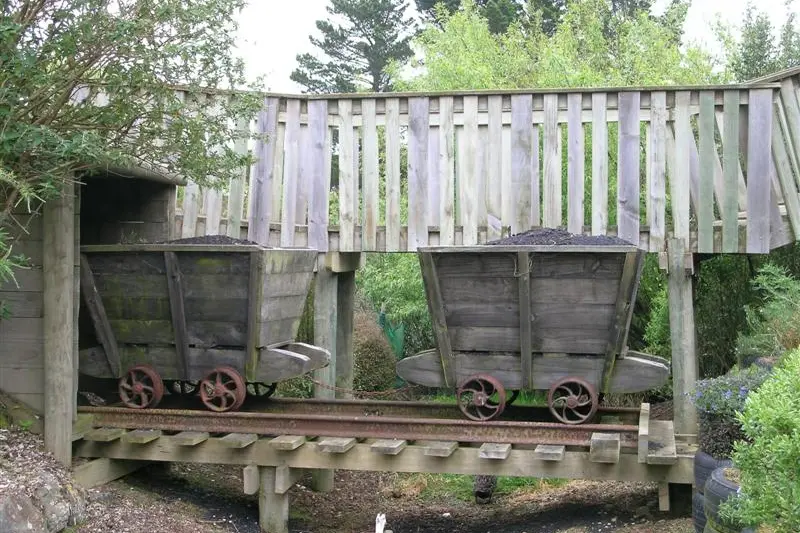
At its peak, a dozen men were employed. A tramline crossed the present road and under a railway viaduct to Ashers Siding where the coal was transferred to railway wagons.
Until 1940, horses were used but gradually the operation became more mechanised.
The closure of the rail line and, from 1960, the wider use of diesel saw low-grade lignite increasingly uneconomic and Ashers was closed in 1971.
Water was pumped out while the pit was worked but when it was decided the operation was no longer viable, the pumps were turned off and water filled the pit, creating the large pond that forms the centrepiece of the Lignite Pit Scenic Stop.