
PHOTO
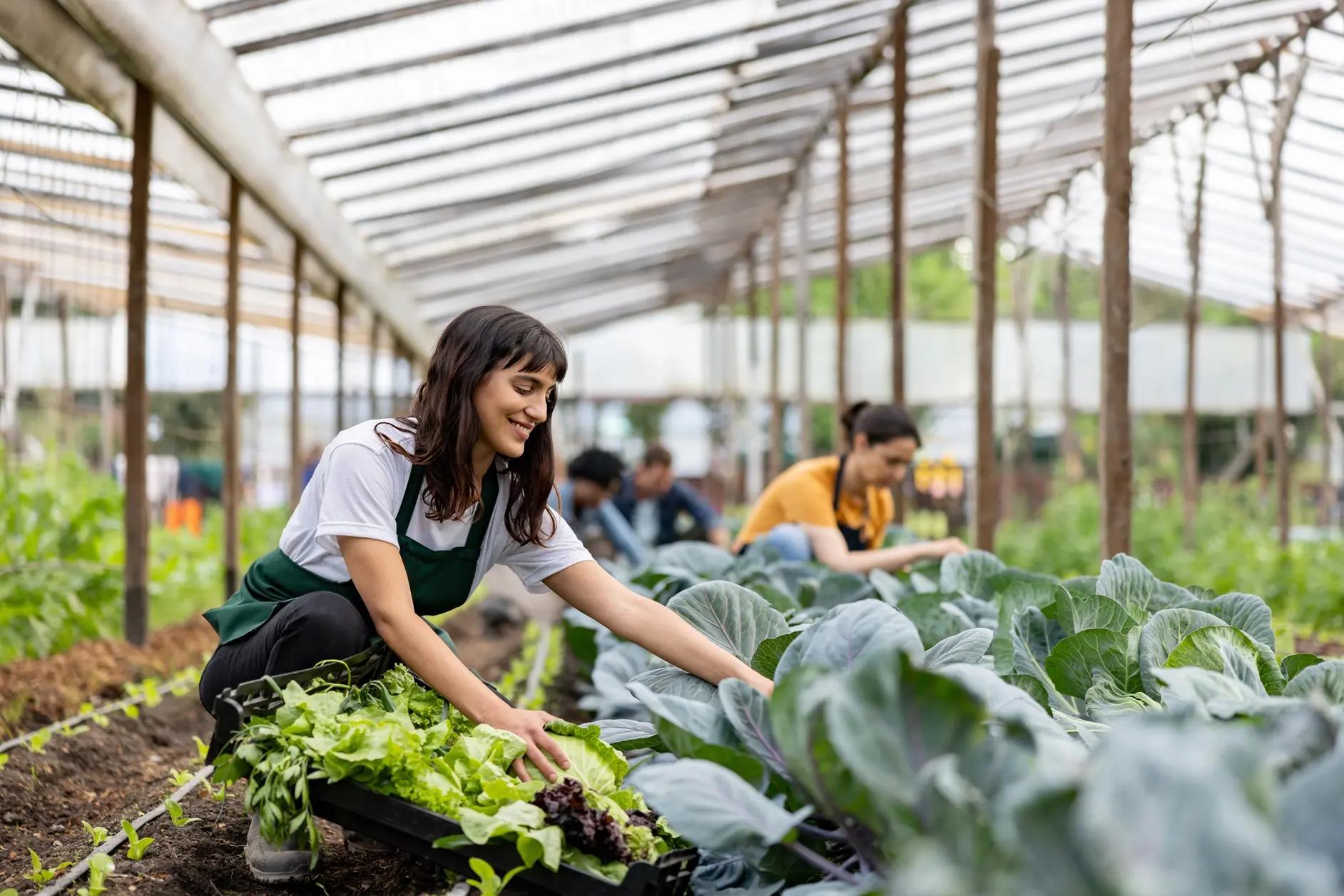

There are many things wrong with our food system, and most of them are well documented. We know about our food system’s contribution to greenhouse gas emissions, the declining quality of our water and the reality that many people in our communities still go hungry. Critique is easy. Building alternatives is harder.
The good news is that we can point to all kinds of "seeds" that are out there. There are a multitude of examples that already exist and offer compelling lessons for how we might bring our food system more into alignment with environmental and social realities.
For example, we have Kore Hiakai — Zero Hunger Collective, which is a collection of people and organisations who are committed to addressing the root causes of food-related poverty and to working together to create a food-secure Aotearoa. It has taken the initiative to measure and document the level of food insecurity and hunger in Aotearoa in the absence of any action by the government.
It collates and issues monthly statistics on hunger based on the number of food parcels distributed across Aotearoa. During the month of May, more than 20,000 food parcels were distributed, which assisted 84,000 people by providing the equivalent of 1 million meals. Its data demonstrates that hunger is on the rise, with more people requesting support compared to the previous year and that requests for food parcels consistently outnumber the available resources. This work provides a vital picture of the growing scale of hunger across Aotearoa and helps inform practical responses. Beyond documenting and raising awareness about hunger, it seeks to bring people together around solutions. Through its Kitchen Table Talks initiative, it is engaging communities in kōrero about kai and food sovereignty in the build-up to the general election.
Elsewhere, there are calls for public grocery stores, where research from the Canadian Centre for Policy Alternatives has demonstrated that a public option for groceries could reduce grocery prices by 30%-45%, depending on where you live. The authors acknowledge that public grocery stores are not a complete solution — addressing food security involves addressing poverty, which requires government action. But public grocery stores can help with food affordability, support supply chain resilience, strengthen local food production and provide well-paying jobs.
Closer to home, Our Food Network is establishing a pilot local food co-operative with the goal of providing more certainty to local producers to access consumers beyond existing outlets such as the Otago Farmers Market. The long-term goal is to expand access to fresh, healthy and locally produced food by distributing some of the risk and uncertainty away from growers.
Whether it is documenting hunger and engaging communities in conversations about food security or creating public and co-operative grocery stores or local food co-ops that support local producers, these are examples of seeds with the potential to give communities greater influence over how food is produced, distributed and accessed.
Other examples include community gardens that have evolved into incubators for food-based businesses or partnerships with local schools that build awareness about food and resilience. Catchment groups have also brought together producers and communities to tackle water quality challenges that extend beyond farm boundaries.
These initiatives differ in their focus, but they share a common purpose: increasing community control over how food is produced, distributed and accessed. On their own, these seeds may seem small compared with the power of the global food system. They are unevenly distributed across the landscape. They are often focused on discrete projects with limited connections to the broader systems and the interconnections between them. Yet seeds matter precisely because they contain the possibility of something larger.
Collectively, they provide glimmers of hope, or seeds, that can be used to take back some control over our food system so it is better aligned with the environmental and social outcomes we value. They are more than just oppositional and represent more than just reactive resistance to the food system as it is.
As we reflect on the recent Matariki holiday, we are reminded not only to look back, but also to look forward. Matariki is a time for renewal and across Aotearoa, people are already creating practical alternatives: food co-operatives, māra kai, community-supported agriculture, local food boxes and growing clubs. These initiatives may not solve every problem in our food system, but they remind us that change rarely begins at scale. It begins with people coming together around shared values and shared needs.
If criticism helps us understand what is broken, these initiatives help us imagine what might grow in its place. They are the seeds of a food system that is more democratic, resilient and connected to both people and place. That is something worth taking the time to celebrate.
Sean Connelly is an associate professor in the University of Otago School of Geography. Each week in this column writers address issues of sustainability.