
PHOTO
Unsung heroines in the community were the focus of the International Women’s Day breakfast at Parliament this week.
So it is a good time to sing the praises of Dunedin woman Harriet Morison, the unsung heroine of the suffrage campaign.
Morison was cancelled so the government could present Kate Sheppard as the leader of the campaign for the suffrage centenary in 1993.
Until late last year the Ministry for Culture and Heritage’s NZHistory.net.nz website said ‘‘Kate Sheppard travelled the country ... holding public meetings ...’’. But Sheppard did not give a major speech on suffrage to a big audience and left Canterbury only once a year — mainly to attend the convention of the Women’s Christian Temperance Union, whose franchise department she headed.
On the other hand, Morison travelled and organised big public meetings. She started the Women’s Franchise League — the only dedicated suffrage organisation in New Zealand — in Dunedin and then Auckland. Others followed in smaller places.
In 1940, an official history published by the historical branch of the Department of Internal Affairs said the league was ‘‘the effective factor’’ in the campaign. But the branch did a big turnaround half a century later — following Patricia Grimshaw’s 1972 book Women’s Suffrage in New Zealand, which claimed that the Women’s Christian Temperance Union was the key element.
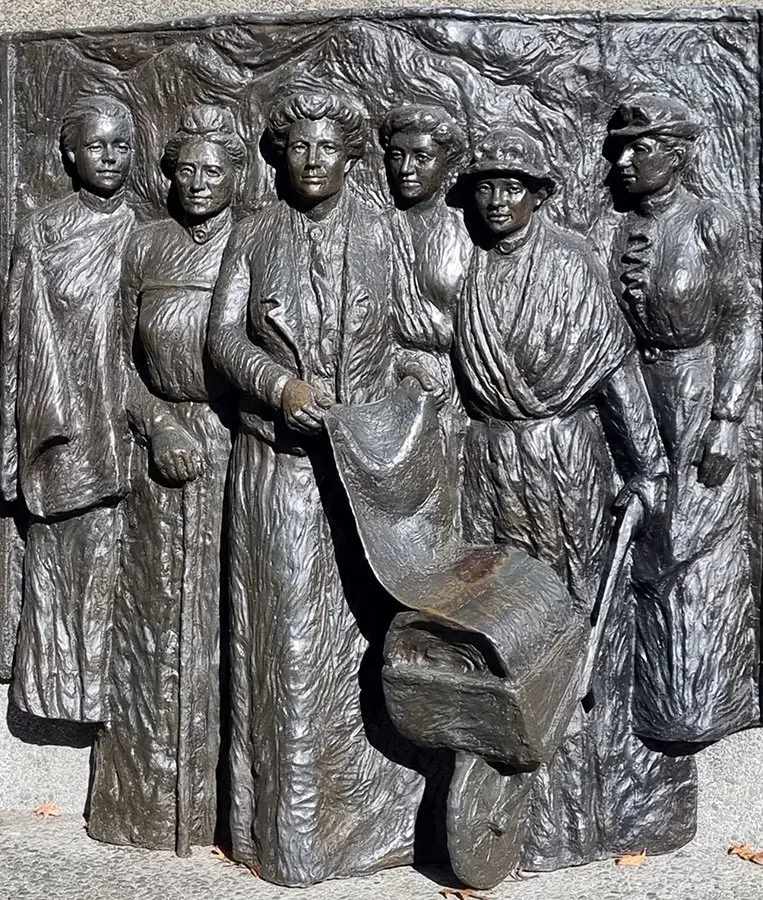
The historical branch commissioned a book on women’s groups for the centenary. Women Together: a history of women’s organisations in New Zealand had no chapter on the league. The Ministry for Women erased mention of the league when it checked the wording for the plaque of the Kate Sheppard National Memorial — though the Christchurch group put it back in.
Sheppard’s face was put on the $10 note and her bust placed inside the front door of Parliament. The government doubled down on this message in its second big commemoration, Suffrage 125 Whakatū Wāhine, in 2018.
Archives New Zealand held an exhibition on the 1893 petition that claimed the Dunedin Tailoresses’ Union and the ‘‘franchise leagues’’ joined Sheppard’s campaign. But reality was somewhat different.
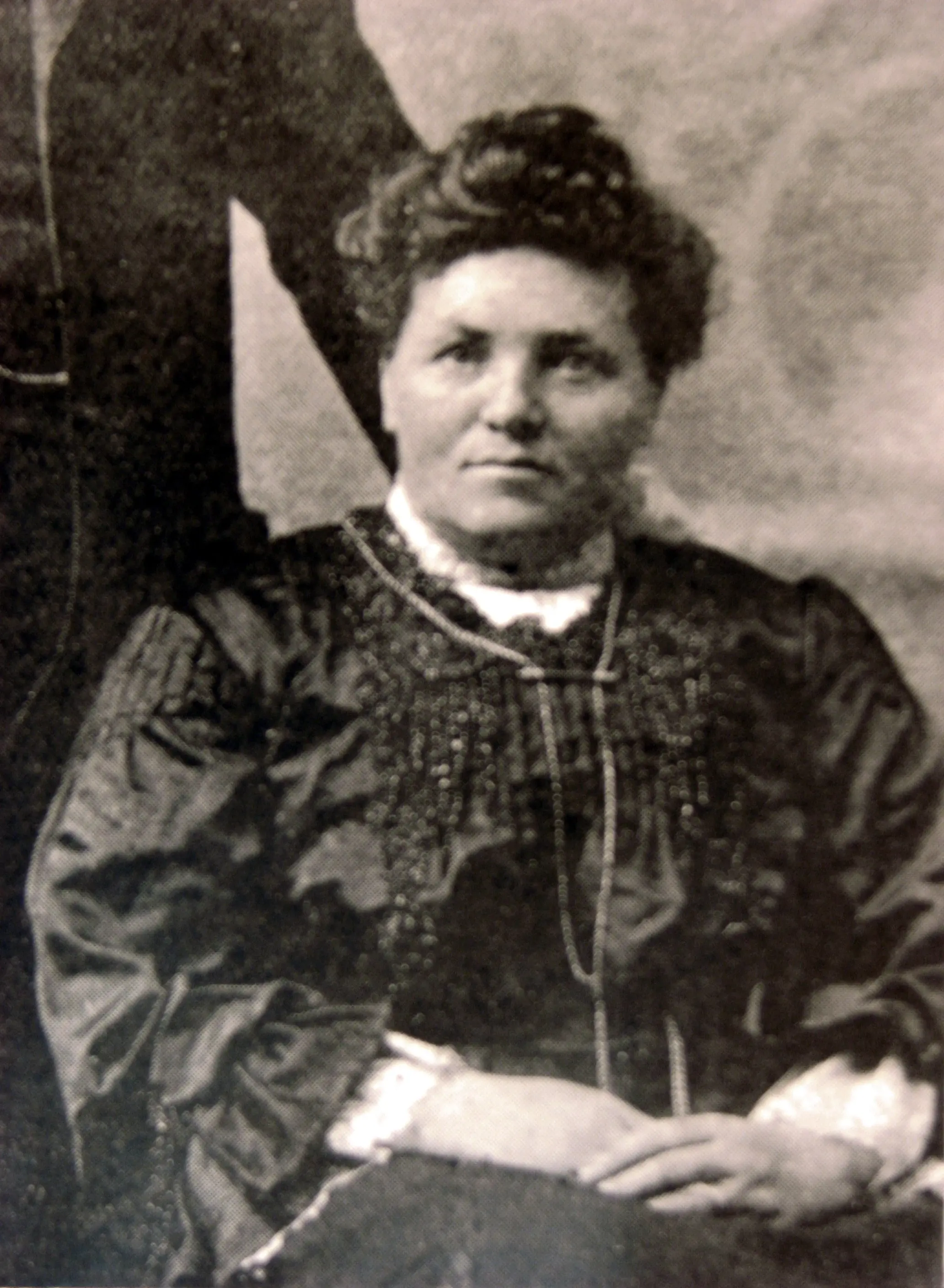
Morison, whose day job was secretary of the Dunedin Tailoresses’ Union, formed the Women’s Franchise League.
Morison had arrived in Dunedin in 1874 at the age of 13 from Northern Ireland. Her father was a tailor and trained her in the industry. She became the vice-president of the tailoresses’ union and then the paid secretary.
Unsung heroines in the community were the focus of the International Women’s Day breakfast at Parliament this week.
So it is a good time to sing the praises of Dunedin woman Harriet Morison, the unsung heroine of the suffrage campaign.
Morison was cancelled so the government could present Kate Sheppard as the leader of the campaign for the suffrage centenary in 1993.
Until late last year the Ministry for Culture and Heritage’s NZHistory.net.nz website said ‘‘Kate Sheppard travelled the country ... holding public meetings ...’’. But Sheppard did not give a major speech on suffrage to a big audience and left Canterbury only once a year — mainly to attend the convention of the Women’s Christian Temperance Union, whose franchise department she headed.
On the other hand, Morison travelled and organised big public meetings. She started the Women’s Franchise League — the only dedicated suffrage organisation in New Zealand — in Dunedin and then Auckland. Others followed in smaller places.
In 1940, an official history published by the historical branch of the Department of Internal Affairs said the league was ‘‘the effective factor’’ in the campaign. But the branch did a big turnaround half a century later — following Patricia Grimshaw’s 1972 book Women’s Suffrage in New Zealand, which claimed that the Women’s Christian Temperance Union was the key element.
The historical branch commissioned a book on women’s groups for the centenary. Women Together: a history of women’s organisations in New Zealand had no chapter on the league. The Ministry for Women erased mention of the league when it checked the wording for the plaque of the Kate Sheppard National Memorial — though the Christchurch group put it back in.
Sheppard’s face was put on the $10 note and her bust placed inside the front door of Parliament. The government doubled down on this message in its second big commemoration, Suffrage 125 Whakatū Wāhine, in 2018.
Archives New Zealand held an exhibition on the 1893 petition that claimed the Dunedin Tailoresses’ Union and the ‘‘franchise leagues’’ joined Sheppard’s campaign. But reality was somewhat different.
Morison, whose day job was secretary of the Dunedin Tailoresses’ Union, formed the Women’s Franchise League.
Morison had arrived in Dunedin in 1862 at the age of 12 from Northern Ireland. Her father was a tailor and trained her in the industry. She became the vice-president of the tailoresses’ union and then the paid secretary.
In June 1891, new Liberal premier John Ballance introduced an electoral Bill without a suffrage clause. Morison sent him a telegram from the Dunedin Tailoresses’ Union asking for the vote. In response, local member Henry Fish said women did not want the vote and attacked Morison personally.
‘‘Mr Fish made a venomous attack on the womanhood of Dunedin in general, and myself in particular, which had the effect ... of hardening up the supporters of women’s enfranchisement in this City,’’ Morison would write later.
‘‘Our answer was the holding of a monster meeting in the Choral Hall,’’ Morison would write. This was the first big suffrage meeting in New Zealand. Men and women spoke from the stage — and some participants continued to meet as the Dunedin Women’s Franchise Committee.
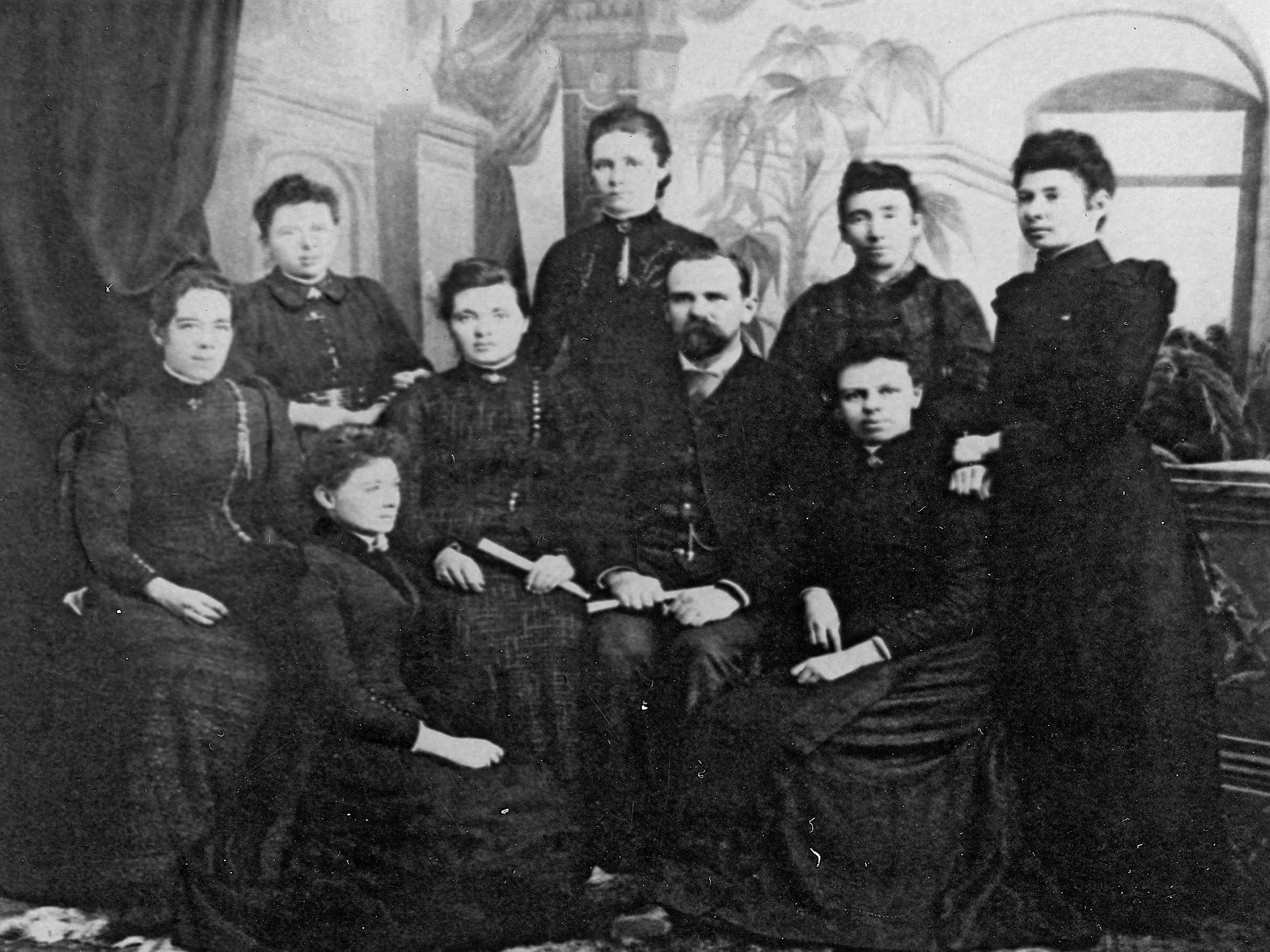
In early 1892, Morison learnt that young male canvassers were tricking women into signing an anti-suffrage petition being promoted by Fish.
This sparked her second public meeting, which attracted about 1200 people to City Hall on April 12. It was a jolly night. The Otago Daily Times recorded the ‘‘laughter and applause’’.
Former premier Sir Robert Stout, legislative councillors William Downie Stewart and Richard Oliver, storeman William Bolt (about to be added to their ranks by the egalitarian Liberals) and American evangelist Richard Booth spoke. Among the women were Barbara Brownlie, who ran a women’s and childrenswear shop near the Octagon and kept petition forms on her counter, and Jane Macdonald, a 30-year-old doctor’s wife. One paper thought her speech was the best. Inclusive Morison had invited Sheppard to speak but she did not attend.
Morison’s close friend, Helen Nicol, was the local WCTU franchise superintendent but did the secretarial work for Morison’s new movement.
‘‘It is only the barest justice to say that that lady had for years patiently sown seed which was so soon destined to ripen and bear such excellent fruit,’’ Morison would write.
Morison was ‘‘on the eve of leaving for Auckland on union business, but I felt very strongly the need of an organisation, with a strong executive at its head, to meet the hostile attacks of those who were opposing us’’.
She was supported by men rather than women. ‘‘My views were not shared by some of my co-workers, who thought it too soon to take further action in the direction suggested; but my hands were considerably strengthened by [Mark] Cohen and Booth (the former of these two gentlemen had been ably assisting me from the beginning), both of whom strongly urged immediate action, saying that there was nothing like striking the iron while it was hot.’’
Morison organised a meeting in the Choral Hall on April 28, to set up the Dunedin Women’s Franchise League — with Anna, Lady Stout as the honorary president and Marion Hatton as the working one. Morison was one of 10 vice-presidents. Another, Rachel Reynolds, whose husband was a legislative councillor, made a point of saying that the league had ‘‘nothing to do’’ with the WCTU. The committee included the wives of parliamentarians and media men. A male ‘‘council of advice’’ assisted.
Nicol slid from her WCTU role to league secretary with no fuss. Women paid 1 shilling to join. Men paid 5 shillings to be honorary members.
Morison also sought the support of the Auckland Star. An editorial asked why the city did not have a league like the one in Dunedin whose executive members were collecting petition signatures in the ‘‘back lanes and alleys’’ — poor inner-city neighbourhoods.
Morison formed the Auckland league with about 20 invited participants in early June. Sir George Grey pledged a huge donation. Men were invited on to the committee, including the Anglican bishop and the Catholic monsignor.
The Auckland Star congratulated the new league for having provided a suffrage organisation that was non-sectarian, not prohibitionist and homegrown — not the WCTU, obviously.
The Auckland league held its first big public meeting on July 4.
Morison organised the tailoresses to turn up to big suffrage meetings and the league leaders to support the union. She was in the vanguard of the new labour movement that would result in William Pember Reeves’ Industrial Conciliation and Arbitration Act in 1894 — after Seddon’s Liberals won a landslide victory in the 1893 election, the first in which women voted.
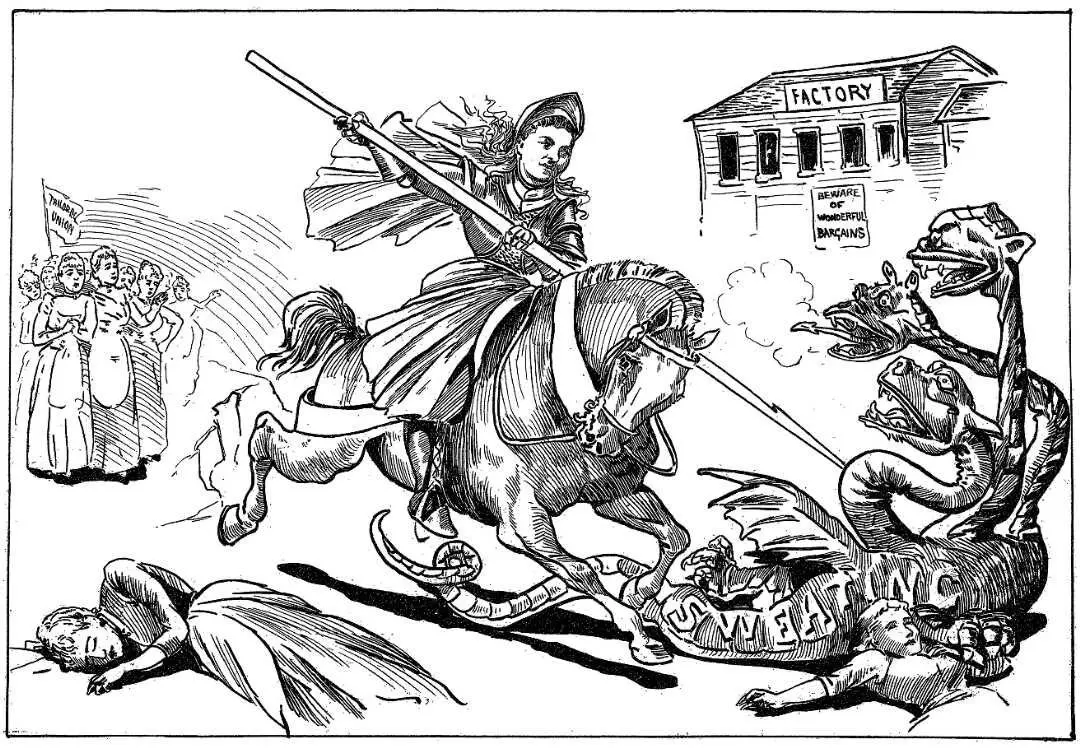
Morison was only 30 when she formed the league, 15 years younger than Sheppard. An Observer cartoon in mid-1892 showed her as St George skewering the dragon of ‘‘sweating’’, exploitative labour practices.
She is forgotten as a suffrage leader today largely because Patricia Grimshaw attributed the league’s role to the WCTU. Grimshaw said the two Auckland Star editorials were about the WCTU, not the league. She said the WCTU formed the league. She said the WCTU held big public meetings at which local women spoke from the stage with national leaders, though that was the league’s modus operandi — as seen in Gore and Waimate, where branches were formed by Hatton and Nicol.
Grimshaw claimed that suffragists all worked under ‘‘one leadership’’ — that of the WCTU and by extension, Sheppard — by the end of 1891. A major mistake.
The historical branch accepted Grimshaw’s view. Christine Dann had said in the 1991 Book of New Zealand Women that Morison co-founded the league with Nicol, but the 1993 Dictionary of New Zealand Biography entry downgraded her to a ‘‘founding member’’.
During Suffrage 125 in 2018, the Council of Trade Unions made a short documentary that hailed Morison as a union leader but did not even mention the league.
Morison fell out with the league after the suffrage win in September 1893 and before the election in November. It came as a shock to many league members when she backed an argument with mention of having started the league. Some women contested this in letters to the editor. But Cohen, by then editor of the Evening Star, published Morison’s clinching letter laying out the history.
Morison left the union, having been accused of not keeping proper accounts after fundraising events in 1896, and opened a shoe shop. Later, she worked for the Department of Labour in Auckland, where she died in 1925.
Millions of taxpayer dollars have been spent on gaslighting the public to accept Sheppard as the leader of the campaign — but Morison was better known at the time. No photo or cartoon of Sheppard appeared during the campaign but national and Auckland league leaders appeared in two editions of the New Zealand Graphic.
New Zealand could do what the United Kingdom does: hail two leaders. Moderate Millicent Fawcett’s statue is in London. That of the more radical Women’s Social and Political Union leader, Emmeline Pankhurst, is in Manchester.
If Dunedin women would hail Morison, that would help. My work on the suffrage campaign shows that suffrage happened so early here because men and women worked together in three movements. I gave a paper at the University of Otago in 2019, saying that — but my book on the subject apparently cannot be published because this is heresy.
However, the record can be corrected. The ministry’s preparedness to respond to my challenge and change Sheppard’s short bio is a chink in the armour of the powerful propaganda effort that sank Morison’s claim to fame as the woman who started the organisation that was ‘‘the effective factor’’ in the campaign.
- Jane Tolerton ONZM is a Wellington-based biographer, journalist and historian.