
PHOTO
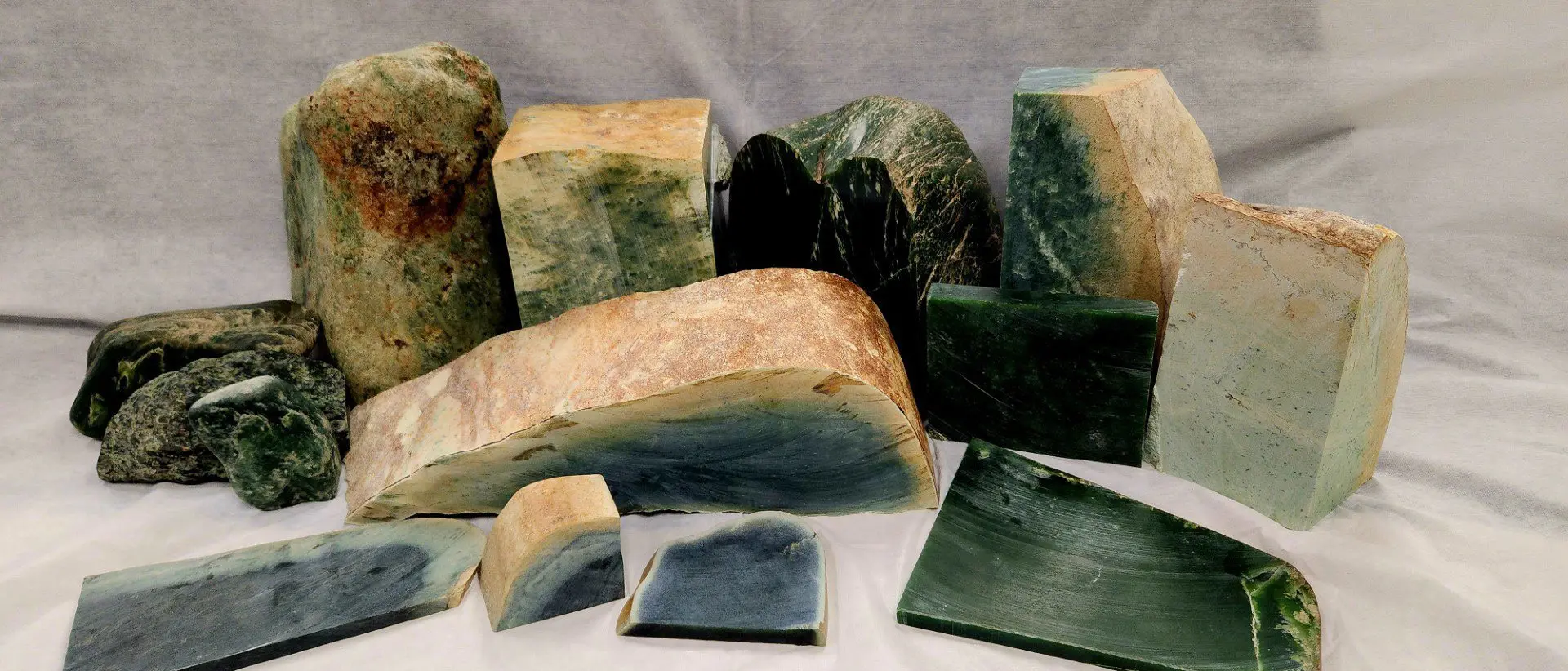
Humans have been intrigued by brightly coloured stones and minerals for tens of thousands of years, and we still are.
Some are rare, and have considerable ability to display wealth, status and social affiliations. So it wasn’t altogether surprising to read last week that a Chinese visitor was arrested with a large haul of pounamu, our very own jade, en route for the departure gate at Auckland Airport.
This conviction has an nice irony about it, for about 3500BC, there were migratory movements from the coast of China to Taiwan by rice farmers already well familiar with wearing jade ornaments. This set in train the remarkable voyaging that saw their descendants migrate across the Pacific, and ultimately reach these islands and discover the pounamu that gave our region its name.

As we all know, this began a “gold rush” in which jade was converted into prestigious weaponry and ornaments that displayed the owners’ social status.
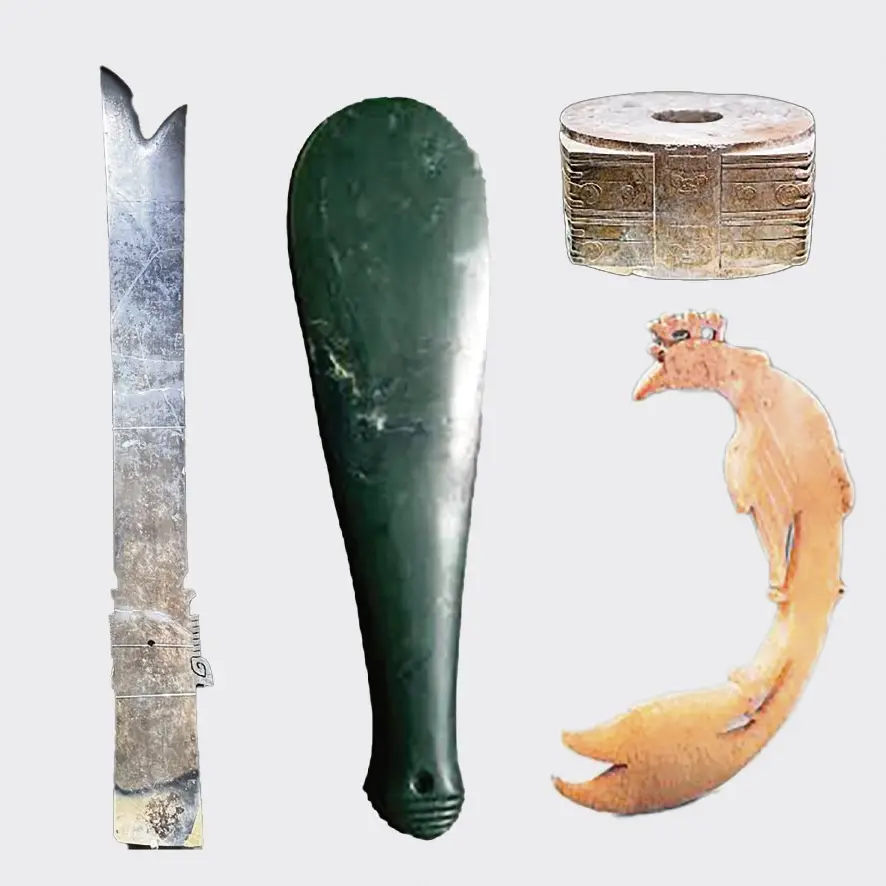
Back in the Chinese homeland, jade was valued even more than gold. Leaders of the earliest civilisation there, centred in the lower reaches of the Yangtze River, were buried in elite graves at the capital, Liangzhu. Excavations have uncovered their graves dating to about 2500 BC, and found that the dead were accompanied by many jade discs, and remarkable symbolic items known as cong. These had a circular interior and a square exterior, and were engraved with humans wearing feathered headdresses and god-like creatures that symbolised power and divine authority.
Move forward 1300 years to Yinxu, the last capital of the Shang Dynasty, and we have just one complete aristocratic grave that has not been looted. It contained the skeleton of a remarkable woman, Fu Hao, who is mentioned in the royal texts as being favourite wife of the Emperor Wu Di. She was among other things, a notable military leader.
A staggering 755 jades accompanied her, the most famous in the form of a phoenix. Many other animals are also found, all needing supreme skill by specialised lapidaries: water buffaloes, tigers, dragons and parrots. She was also an antique collector, her jades included cong from Liangzhu. Many ceremonial weapons, known as yazhang, were found all over China.
In 1956, the first excavation of an imperial Chinese tomb took place. The Wanli Emperor ruled from 1573-1620, and he was buried with many outstanding offerings, including his gold and jade crown.
For at least 10,000 years, the Chinese have had a passion for jade, and obviously it has not abated.