

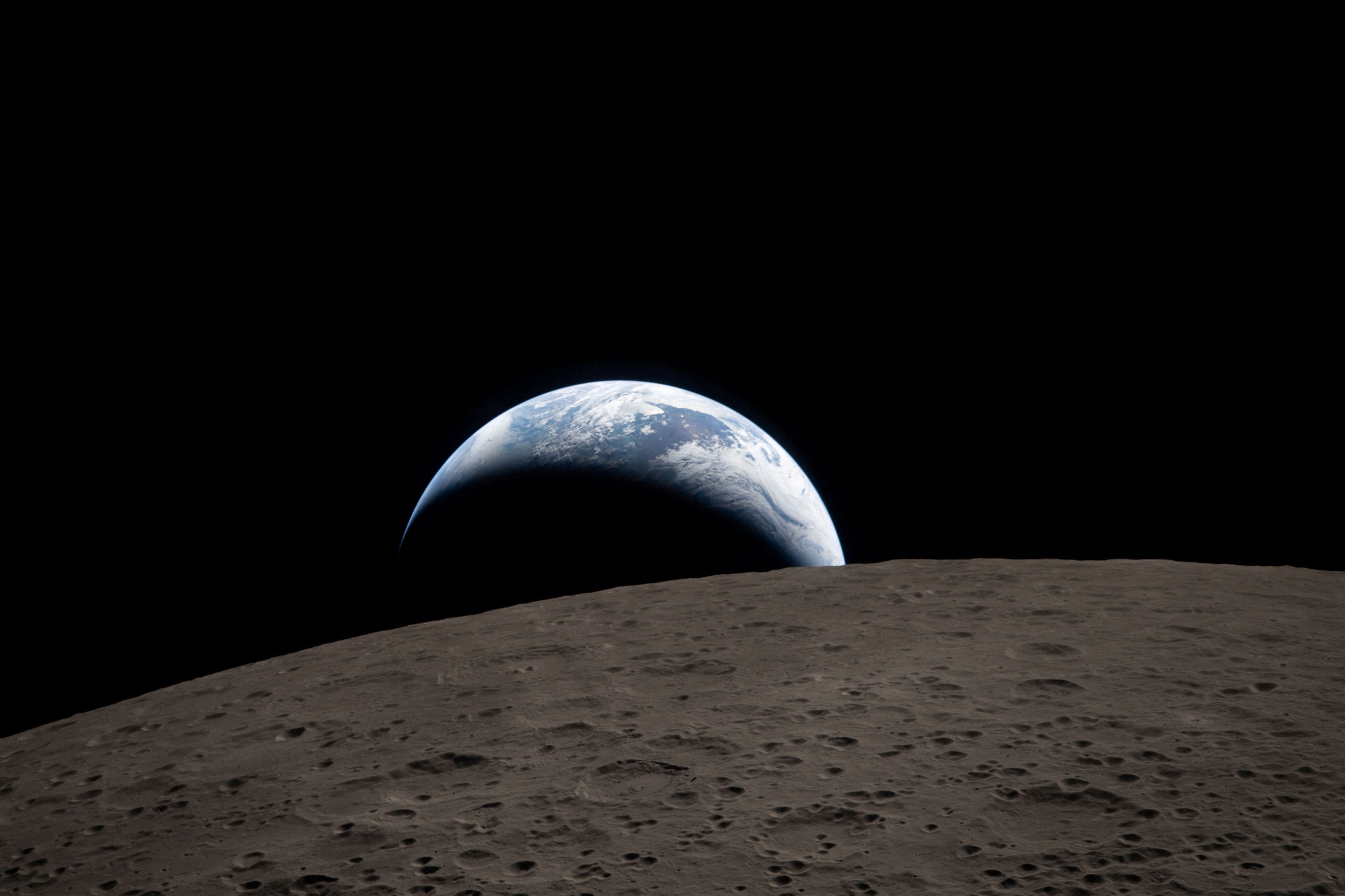
When Nasa launched Artemis II on April 1, 2026, sending Reid Wiseman, Victor Glover, Christina Koch and Jeremy Hansen on a 10-day lunar flyby, it sent humans beyond low Earth orbit and back into the deep-space radiation environment for the first time since the Apollo programme.
Radiation is one of the mission’s core scientific and operational questions. Along with four astronauts went cabin monitors, crew-worn dosimeters, an upgraded German heavy-ion detector, organ chits, saliva and blood sampling, and performance studies.The flight is testing Orion and the Space Launch System with a crew aboard, but it is also characterising the radiation field inside the spacecraft, measuring how that environment field changes with trajectory and shielding, and linking those physical measurements to biomarkers, performance data and biological experiments.
RADIATION ENVIRONMENT
The first thing to get right is that "radiation level" is not a single number. Beyond Earth orbit, astronauts face three overlapping hazards: trapped particles in the Van Allen belts of the Earth’s magnetosphere, solar particle events from the Sun, and galactic cosmic rays from outside the solar system.
Radiation science in space is hard because none of this reduces to a single number. Raw absorbed dose is only the beginning. A gray — the unit for a dose of radiation — tells you how much energy is deposited and how much biological trouble that energy will cause. There are more than fifty shades of gray (Gy) in space. Dose rate matters. Particle type matters. Direction matters. Shielding matters. Artemis II is flying in the unsettled aftermath of Solar Cycle 25’s maximum, which creates a useful paradox: the chronic galactic cosmic ray background is somewhat lower around solar maximum, but the chance of a disruptive solar storm is higher.
A proton storm from the sun and a background field of heavy ions are therefore biologically different problems, even if a headline number makes them look comparable. Radiation teams therefore care about quantities related to radiation quality, including quantities such as linear energy transfer, because densely ionising particles do more biological damage than the same absorbed dose delivered by sparsely ionising radiation.
Shielding adds another layer of complexity. For solar proton events, extra material helps considerably. For galactic cosmic rays, the benefit becomes more counterintuitive: it is much smaller when very energetic ions hit the spacecraft wall — or a body itself — they can fragment and generate secondary radiation, including neutrons — and interactions in shielding generate secondary particles that complicate the picture further.
Artemis I already demonstrated why that nuance matters. The uncrewed mission found that Orion’s shielding was effective for a lunar flight, but exposure varied by location within the cabin and by spacecraft orientation. During one passage through the radiation belts, a change in orientation during an engine burn reduced measured radiation levels by nearly half.
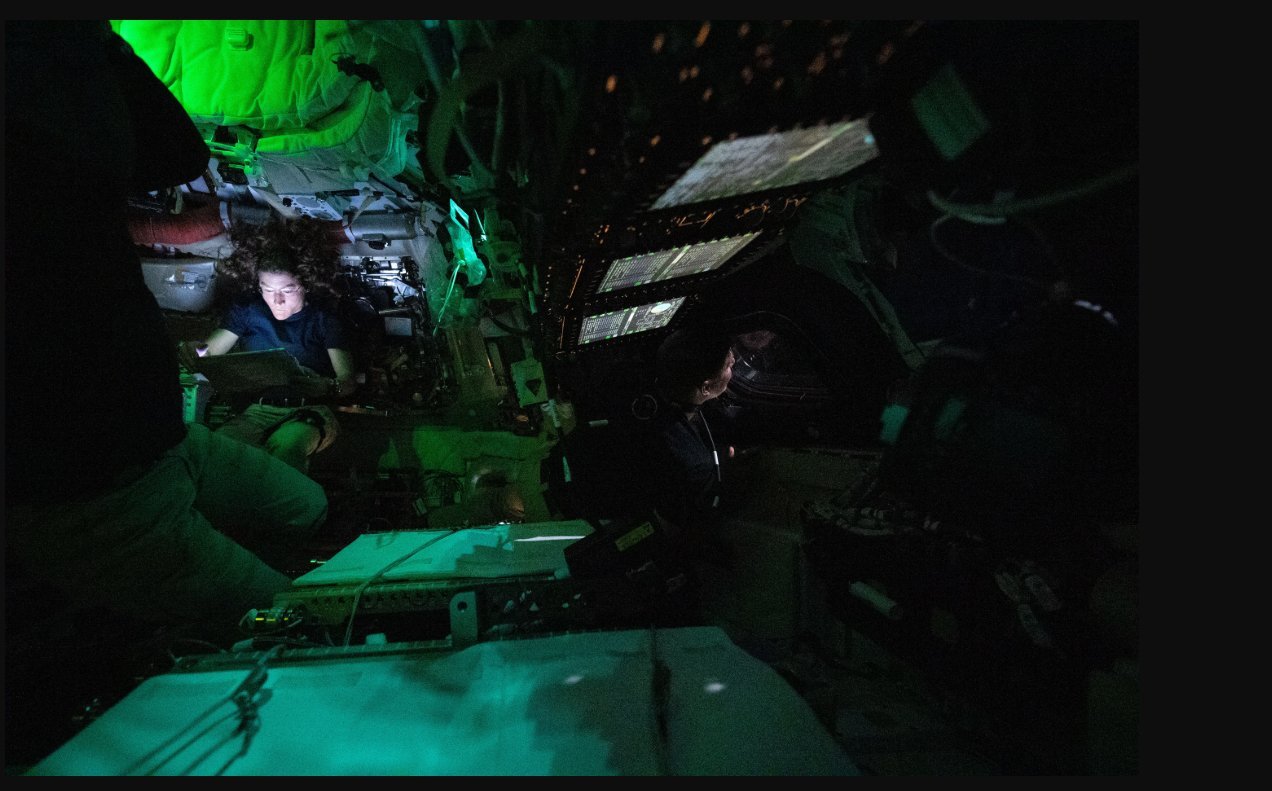
Orion carries six Hybrid Electronic Radiation Assessors, active crew dosimeters worn by the astronauts, and updated M-42 EXT detectors from the German Aerospace Centre with much finer energy resolution than the Artemis I version. Together they provide time-resolved measurements of the environment where the crew actually live and work.
If the Sun produces a significant solar particle event during the mission, they help Mission Control decide when the crew should shelter and where inside Orion is safest. In practice, that can mean decisions about turning response: whether to change activity, how to use available stowage and water as a makeshift storm shelter inside the vehicle, additional shielding, and where the best-protected volume inside Orion really is.
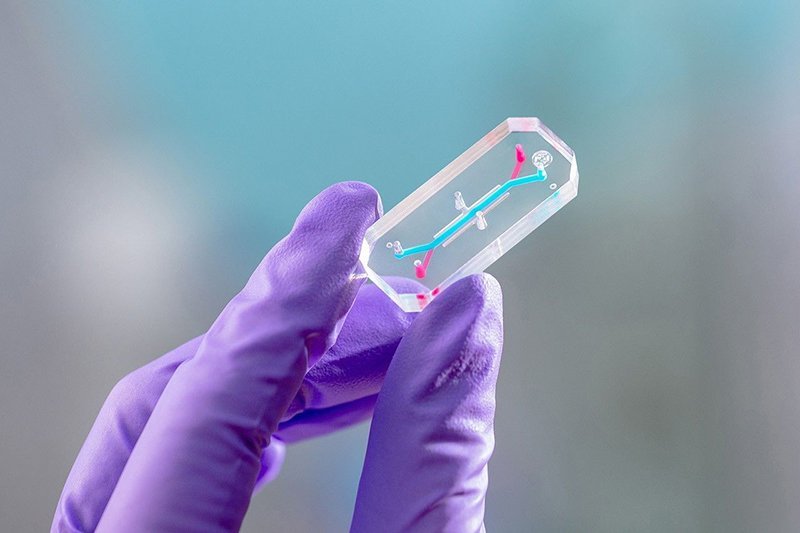
For living systems, Artemis II goes beyond counting particles. The Avatar experiment is flying bone-marrow-derived organ chips made from each of the astronauts’ own cells inside a self-contained payload. Bone marrow is a logical target because it is central to immune function and particularly sensitive to radiation.
Nasa is also collecting immune biomarkers through saliva and blood sampling, while Archer (Artemis Research for Crew Health & Readiness) and Standard Measures track sleep, stress, cognition, performance and other physiological responses. One of the most interesting questions is whether the same physical dose field translates into the same biological injury in different people. Radiation never acts in isolation. On a real mission it is layered with microgravity, confinement, altered sleep, workload, heat, carbon dioxide, and distance from Earth. — Australian Nuclear Science and Technology Organisation


