
PHOTO
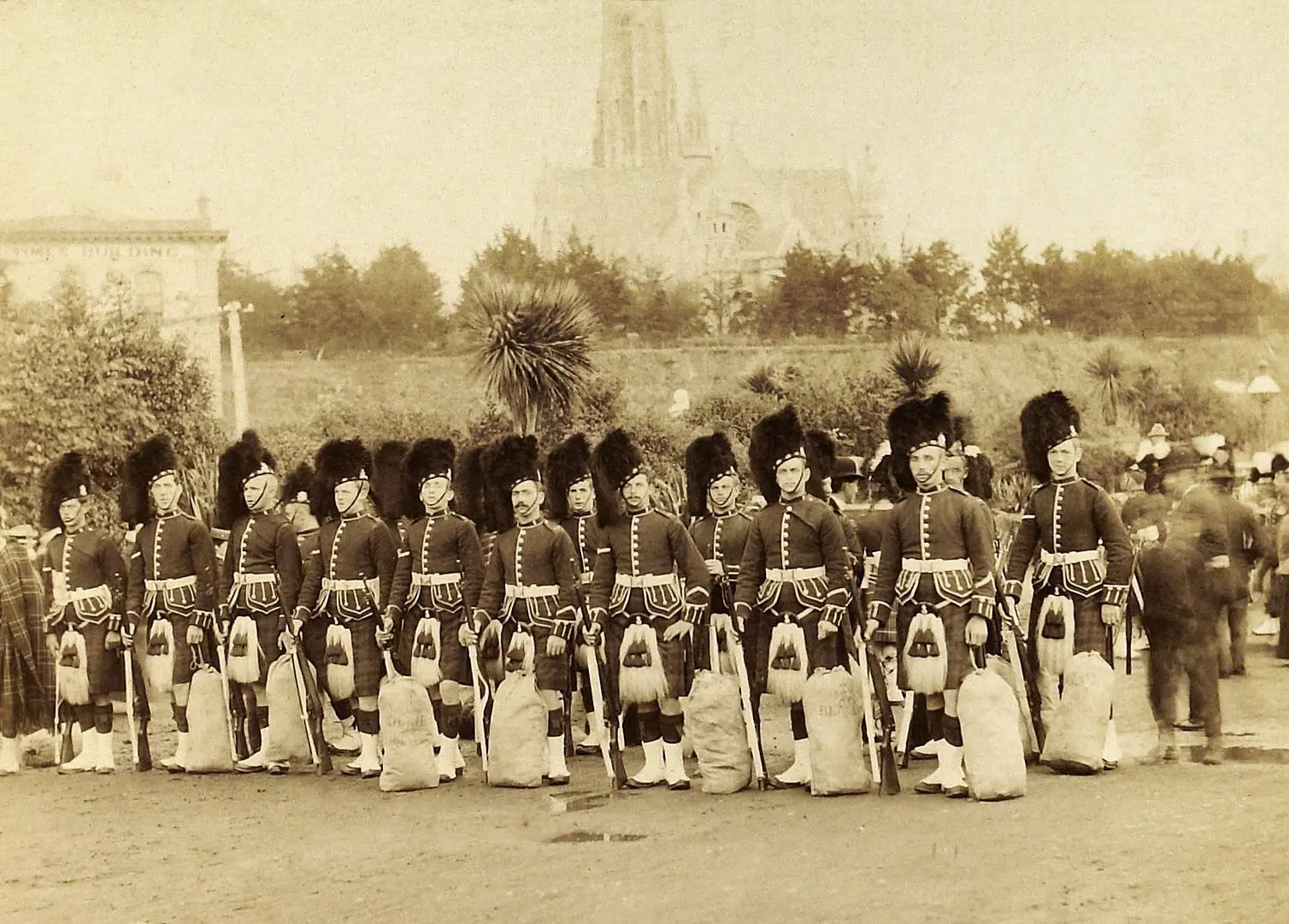
Settlers from Scotland brought their military traditions with them to Otago. When units of volunteer part-time soldiers were established in Dunedin, the No. 2 Company Scottish Rifle Volunteers was the second to be formed, in 1863. Purloining the motto of the Royal Scots Greys Regiment, they held themselves to be "Second to None".

The following year the first kilt-wearing unit was planned and stated its intention of wearing the famous Black Watch Regiment’s tartan. But difficulties sourcing the requisite uniforms made this "Highland Company" of the Dunedin Rifle Volunteers short-lived.
Defence concerns, prompted by a scare over Russian ambitions in the Pacific, led to the establishment of a second Dunedin Highland unit in 1885. This time a kilted uniform was sourced, with the Black Watch tartan again preferred. The Dunedin Highland Rifles continued as a proud expression of local military Scottishness until the whole volunteer system was abolished in 1910.
The Territorial Army that replaced it was a modernised khaki-wearing force with no room for ethnic distinctions. The same was true when an Expeditionary Force was raised to go to war in 1914. Despite the earnest entreaties of Scottish societies across the country, there was no place for a kilted unit (though many NZEF units had unofficial pipe bands).
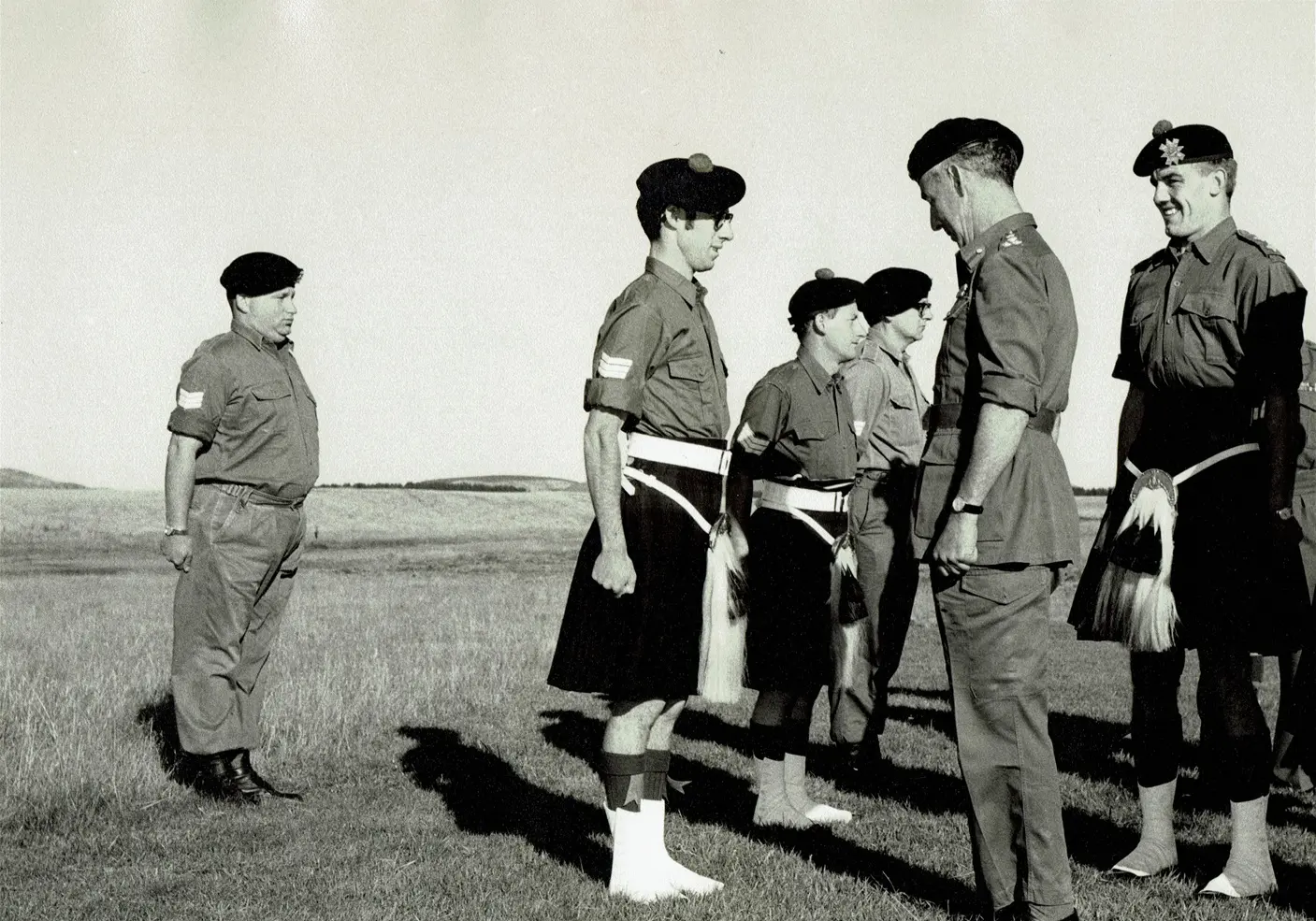
Defence spending was run down in the interwar years until the storm clouds of war reappeared at the end of the 1930s.
New Zealand then began a belated rearmament programme, including a rapid expansion of its Territorial Army. When recruiters struggled to secure sufficient volunteers, there was a change of heart on the popular appeal of the "Kilties".
In January 1939 the New Zealand Scottish Regiment (NZ Scots) was established as a Territorial unit, with four companies of 125 men each, based in Auckland, Wellington, Christchurch and Dunedin. The Scottish societies assisted with recruiting and also matched each soldier’s contribution of £1 toward the £5 cost of his kilted uniform.
Against the broader Territorial trend of lacklustre enlistment, all four Scottish Regiment companies reached full strength within five weeks, and had waiting lists.
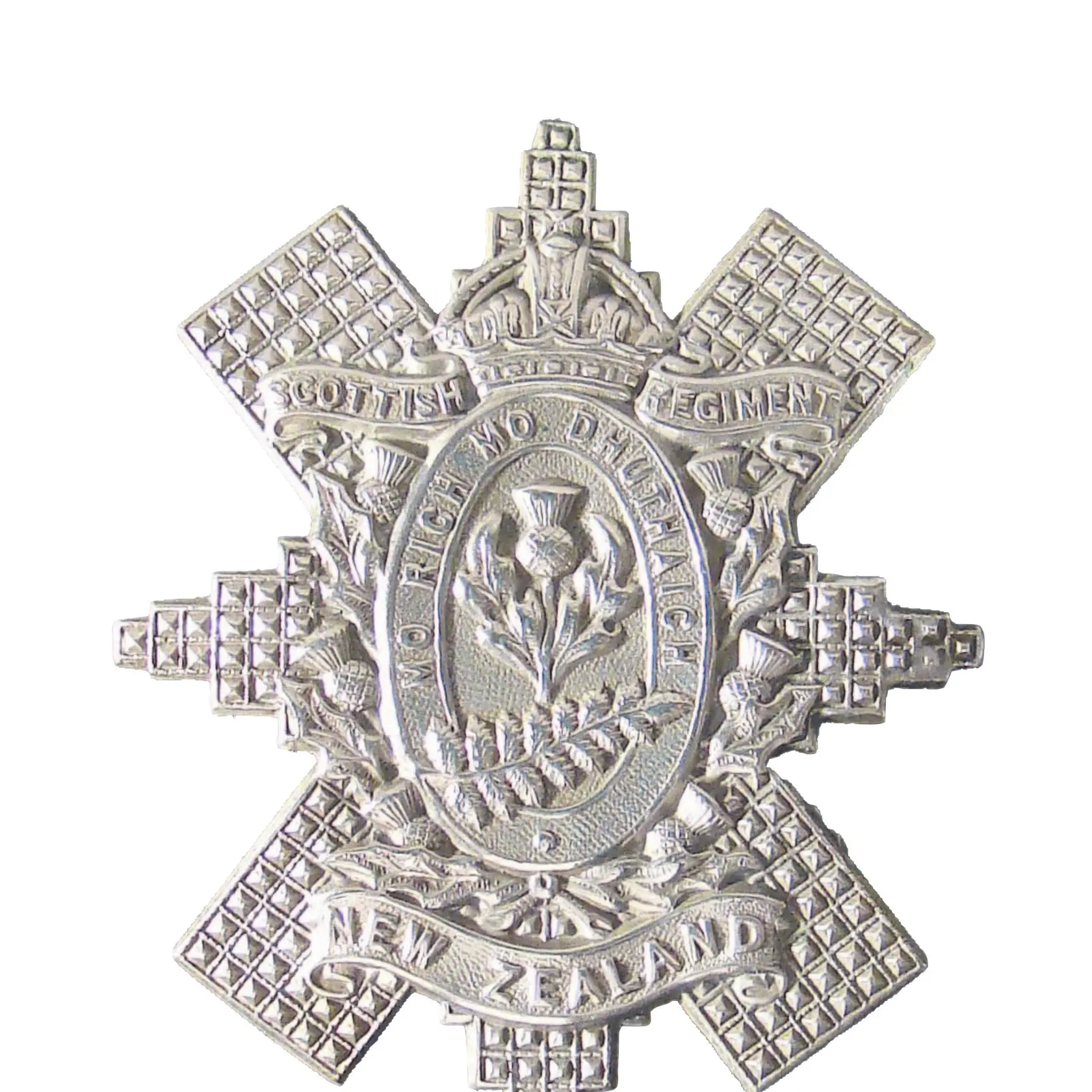
Permission was granted for the NZ Scots to wear the Black Watch Regiment’s tartan and a Gaelic motto was adopted: "Mo Righ, Mo Dhuthaich" (My King, My Country). A Scottish pedigree was originally required to enlist; at least one grandparent born in Scotland.
There were exceptions, however, including Dunedin fruiterer (and 100%-Chinese) Bill Wong who found himself in the NZ Scots during World War 2 and proudly bore the nickname "Willie MacWong" for the rest of his life.
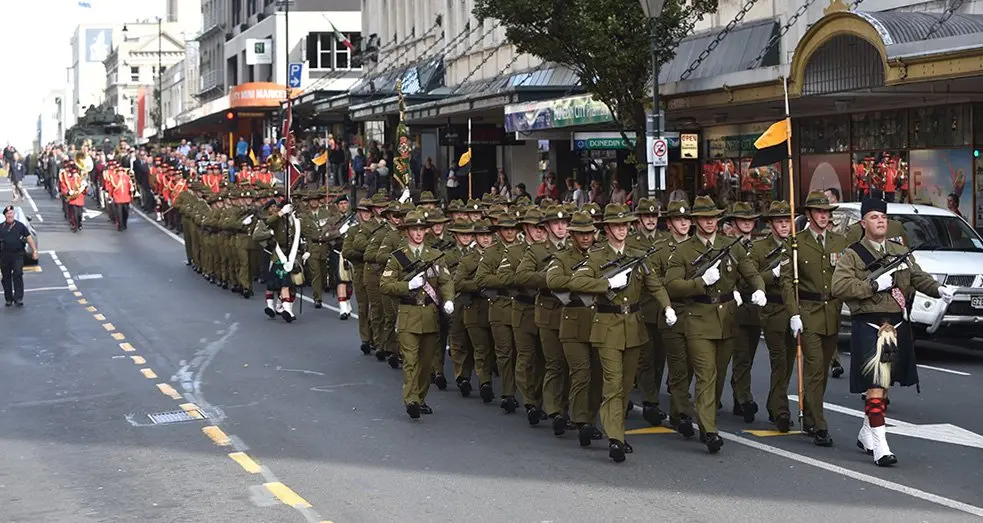
Though never deployed overseas as a unit, Dunedin members of the NZ Scots established a proud tradition within the New Zealand Army, first as infantry and later as part of the armoured corps.
A strong esprit de corps developed around its Scottish identity, especially in Dunedin. It seemed appropriate therefore in 2016, when the regiment was formally disbanded, that its ceremonial colours should be laid up at Toitū Otago Settlers Museum.
They are put on display annually around Anzac Day. A full regimental uniform is also currently on display in the Museum’s Call to Arms gallery.
• Sean Brosnahan is a curator at Toitū Otago Settlers Museum.