
PHOTO
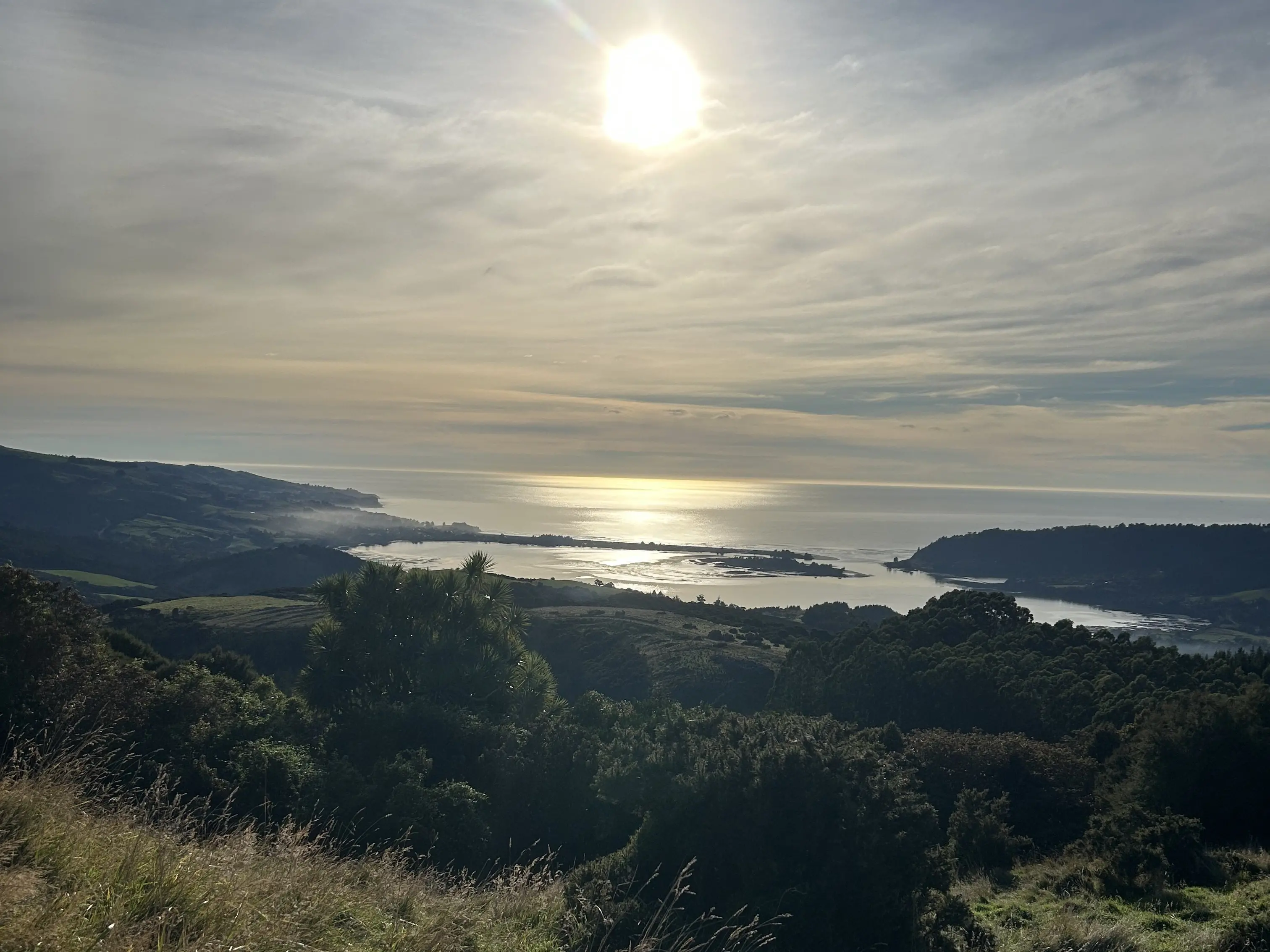
I stood on top of Double Hill with my sons recently, admiring the view, listening to the birdsong in the bush below, watching the glistening bay as the sun poked through the clouds, and taking in all the small farms dotted around the bay.
Looking inland to the Silverpeaks, I was equally admiring of the rugged landscape, rocky outcrops, tussock and bush where you might be lucky to spot the South Island robin/kakaruai.
We really are blessed here in ‘‘wild Dunedin’’ with a wealth of endangered and native species that constantly remind us we are part of nature, not somehow outside of it.
Back at home we have birdsong galore, with raucous kākā, boisterous tūī, melodious korimako/bellbird and the great bumbling kererū.
There is so much here, and this week’s Festival of Nature events have been a blast as we celebrated the wealth we have as New Zealand’s wildlife capital.
As master of ceremonies for the opening night’s ‘‘Wild Talks’’, I found inspiration in the many different actions under way around our city to reduce waste, get people active, and engage people in the vital importance of kaitiakitanga.
However, the opening night of Wild Dunedin also fell on New Zealand’s Earth Overshoot Day for 2026 — the date when our resource consumption surpasses the capacity of ecosystems to regenerate, if everyone in the world lived like us.
In other words, we are eating the future and placing future generations and all other species at risk. Faced with this hard truth, our ‘‘Wild Talks’’ speakers demonstrated that we have options, and we can take a more sustainable pathway.
So many people are already doing great things, and the stalls at the Nature Dome last Sunday were an excellent showcase of the environmental initiatives happening all around the city.
So, when the Minister for Resources, an avowed champion of mining and extractive industries, claimed ‘‘Otago is empty’’ on his visit to Ōtepoti Dunedin earlier in the week, he demonstrated not only an ignorance of the ecological richness of Otago but also his willingness to destroy some of our outstanding landscapes, unique biodiversity and sustainable businesses, all for a quick buck for his corporate mates.
There is no other planet for us to move to once we have extracted everything from this one, and we have already polluted so much of it that our unique flora and fauna, as well as people, are suffering the consequences. Do we really want a massive toxic tailings dam at Bendigo putting communities at even greater risk?
Despite Elon Musk’s Mars ambitions, there is nowhere else to escape to. Gold bullion is already filling vaults worldwide; it is only greed, not need, that is fuelling the latest gold rush.
The antidote is in action. As Quinn Berentson, one of the presenters at Wild Talks, pointed out, one of the most important actions we can take this year is to vote.
We are not outside of nature but an integral part of it, and we need to acknowledge, recognise and adapt to the planetary limits to avoid suffering the same fate as the huia.
Meanwhile, there are community groups, charities and initiatives that are not only resisting the bad stuff but also working to restore the whenua, help the homeless, reduce waste, get people active, electrify everything and much more.
And the things that help me recharge, like getting into the hills with my sons, going bush or simply getting out on a bike ride, also help ground me in nature so I notice the colour of autumn leaves, the shape of the clouds, the deep green of the bush.
Otago is not empty. It is a region rich in community action and home to unique flora and fauna that we value and work to restore, so that future generations can also enjoy this natural wealth.
Scott Willis is an Ōtepoti-based Green Party MP. Each week in this column writers address issues of sustainability.