Two generations of New Zealanders have gladly taken February 6 off as a public holiday, Waitangi Day being an established feature on our calendar.
However, Waitangi Day as we know it today took more than 130 years to become established.

Every school child was taught about the Treaty between the British Crown and Māori tribes on February 6, 1840, but close ties between New Zealand and the "mother country" meant it took some time for this country to establish its own collective identity. The Otago Daily Times was not alone in describing Britain as "home" in its columns, as it did for decades, and New Zealand did not adopt the Statute of Westminster Act 1931 - by which Britain granted political autonomy to its Dominions - until 1947.
That said, as the centenary of the signing of the Treaty approached, a desire to recognise New Zealand’s past started taking root. In 1932 work, funded by the then governor-general, Lord Bledisloe, began to restore the dilapidated Treaty grounds in time for the 1940 commemorations.
In 1934, the first official recognition of February 6 as some kind of "national day" took place - previous events to mark the founding of New Zealand had taken place on January 29, the day governor William Hobson had arrived in Britain’s most far-flung colony.
The newly restored Treaty House and grounds held a successful "Waitangi Day" event in 1940, sowing the seed for greater future recognition. February 6 came to be known widely as both "New Zealand Day" and "Waitangi Day", although it had no official status as such.
The first holiday was in 1974, but in the days leading up to it, if you were reading the ODT, you could have been forgiving for not knowing it. The paper was much more interested in a terrible plane crash in Western Samoa, which killed eight people from Otago, as well as the visit to the South by the Royal Family, in the country for the Christchurch Commonwealth Games as well as the new holiday.
Finally, buried as a brief on p10 of February 5’s ODT, came news that a 21-gun salute would be fired at 10.30am the next day at Otakau (sic) to mark the new holiday.
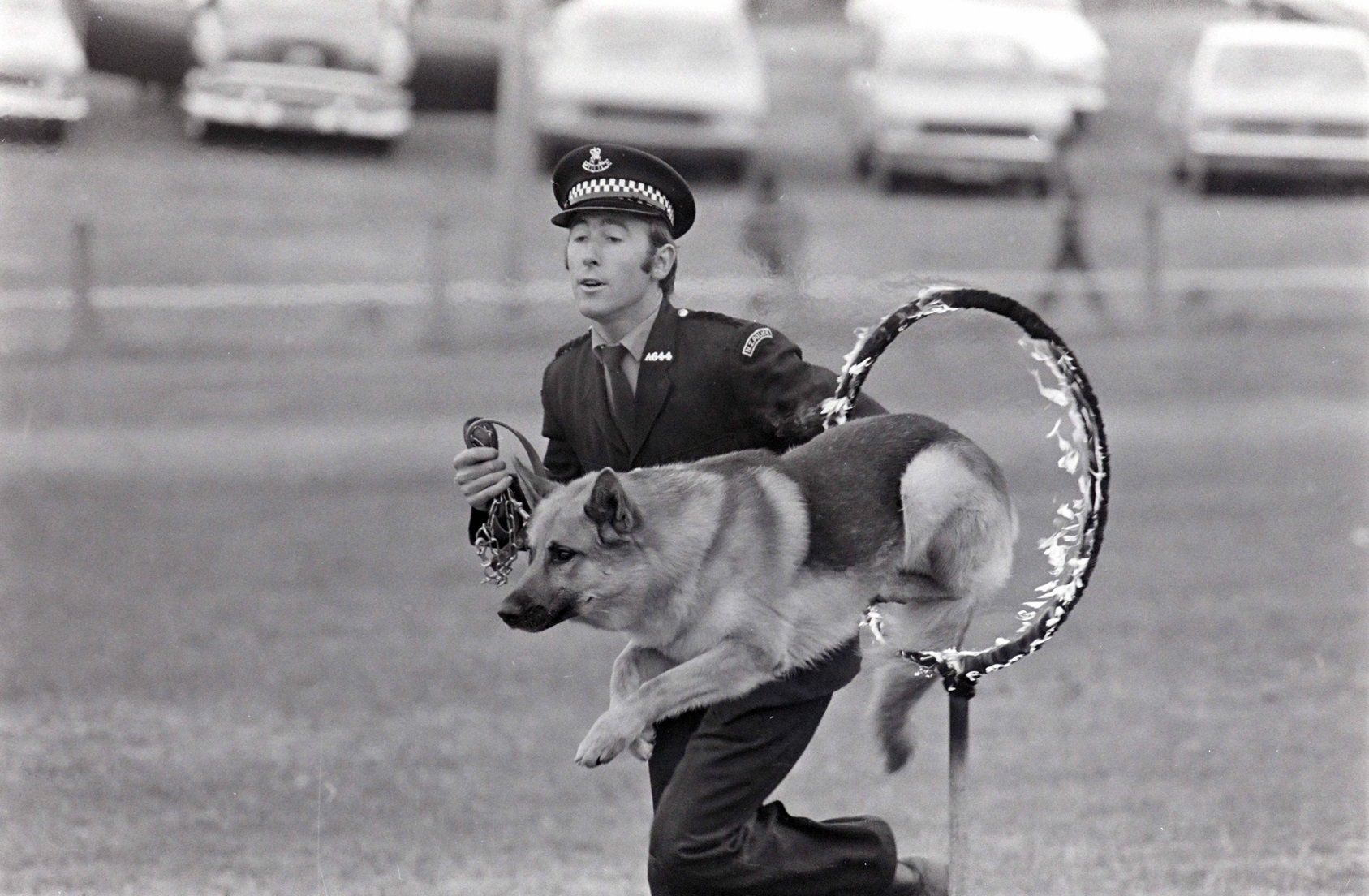
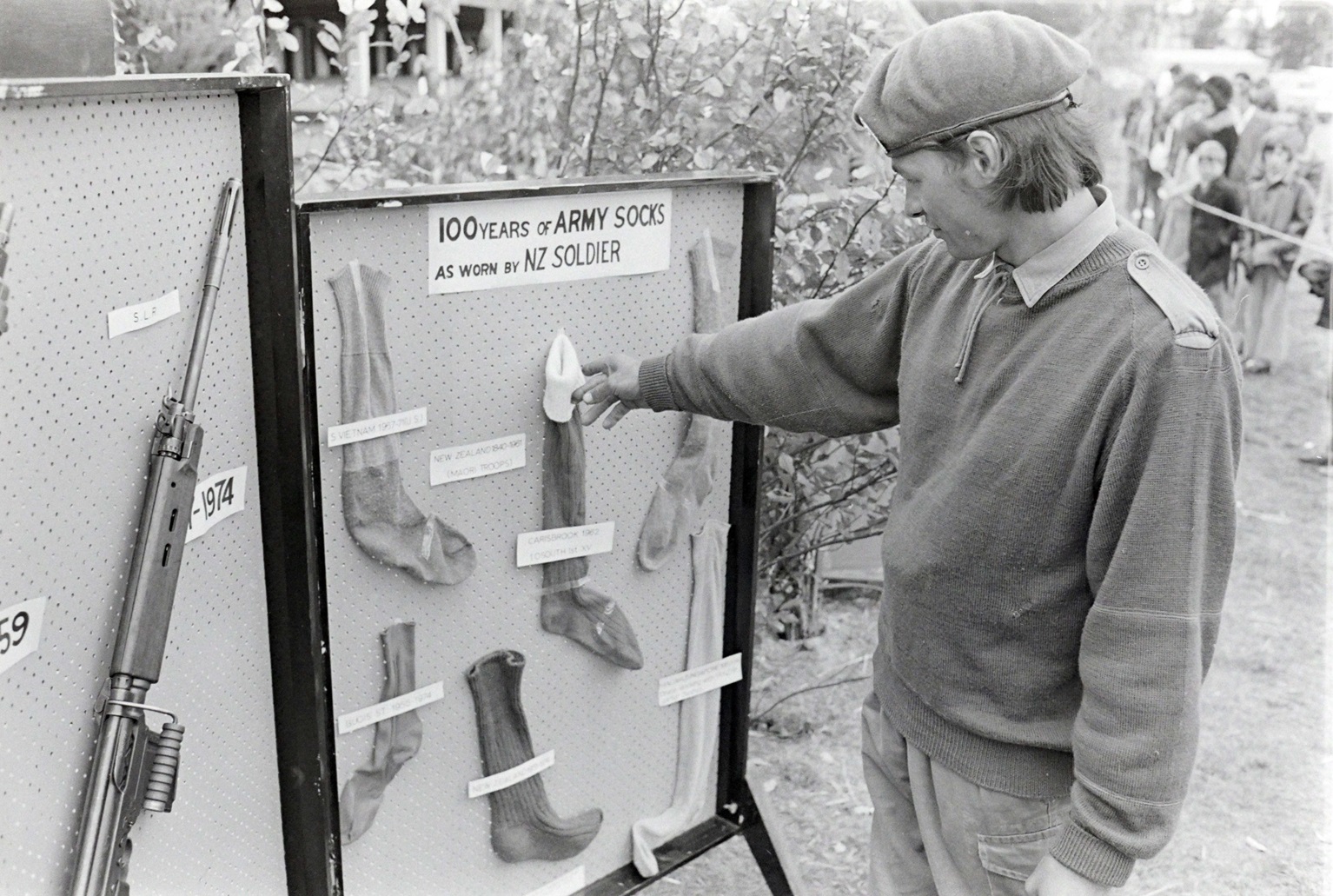
The ODT also carried a preview of a "New Zealand Day Monster Hui" to be held at Tahuna Showgrounds. Enough food for more than 1000 people was being prepared, and police dog, sports car and army displays and a "slippery pig" contest were also to be held.
"The entertainers will be the Arai Te Uru Maori group, the Mataura Maori group and a Cook Island and Tongan group ... as well as the traditional Polynesian entertainment rock groups, brass and pipe bands will help provide a happy family atmosphere."
The paper broke out the bold type on the front page the following day to tell readers it was a holiday today and that all shops and manufacturers would be closed.
"It will be business as usual for Dunedin’s refuse collectors, who warn they may be early in some areas of the city."
"By changing it [the name] to New Zealand Day, it is virtually foredoomed that gradually less and less regard will be played either to the Treaty or to the role played by Maori ... a strange outcome when it is the government’s intention to give the Maori more honour."
The ODT ran extensive coverage of the city’s events the following day, including photos of police dog Rex leaping through a hoop of fire and a display of New Zealand army socks through the ages at the Tahuna monster hui.
Meanwhile, at Ōtākou a range of events - including the 21-gun salute - took place. The main event was a re-enactment of the southern Treaty signing at the historic marae, where chief Korako was portrayed by his direct descendant, George Ellison, and chief Karetai was played by another descendant, "an enthusiastic Micky Karetai".
The other signatory (Ellison) "was a little reluctant but eventually signed. He refused an offer of blankets by one of the crew."
All in all, the day had been splendidly marked in the South, the ODT reported.