
PHOTO
During our flight to Tashkent, the modern capital of Uzbekistan, an Uzbek gentleman remarked, "in our country, you will find that history, culture and architecture are intertwined chapters of a single magnificent narrative".
The significance of his words became apparent as I began to delve into the ancient areas of medieval Samarkand and Bukhara, where an impressive array of well-preserved structures, including mosques, madrasas, mausoleums and minarets — all built centuries ago — brought to life numerous blue-tiled tales of empires that have long gone.
Uzbekistan’s history, dating back to ancient times, is a rich tapestry woven from the threads of ancient kingdoms. Its strategic location at the intersection of India, China and Europe rendered it a highly sought-after prize in the relentless conquests of the great empires — Persians, Greeks, Mongols and Russians.
Alexander the Great arrived in the 4th century BC, marking the end of the long-standing dominance of the Persian Sogdians and Bactrians.
His reign was followed by invasions from the Turks and Arabs, who brought Islam to the region, succeeded by the Mongols under the formidable Genghis Khan, who ravaged nearly everything in his path during the 13th century.
A century later, Timur Lane, the founder of the Timurid dynasty, ascended to power, rejuvenated the nation and established a vast empire that extended from Iran to India. Although he was a stern military leader, he was also a notable patron of art and architecture. This patronage gave rise to the Timurid Renaissance, inspiring his descendants to adorn the land with architectural marvels, including mosques, madrasas, mausoleums and monuments.
By the late 19th century, the region was occupied by the Russians and later by the Soviet Union after World War 1, until Uzbekistan gained independence in 1991.
The history of the land is intricately linked to the tale of the legendary Silk Route, the overland trade path that bridged the East and the West. For more than two millennia, caravans laden with silk, spices, gold and a variety of religious beliefs traversed this territory, transforming it into a cultural melting pot. Samarkand and Bukhara were among the most significant stops along this historic trail.
Recognised as one of the oldest cities in the world, akin to Babylon in Iraq and Varanasi in India, Samarkand became the capital of Timur Lane’s expansive empire in the 14th century. During his rule, and that of his grandson Ulugh Beg, the city flourished with architectural wonders that showcased artistic excellence, religious importance and scientific aspirations.
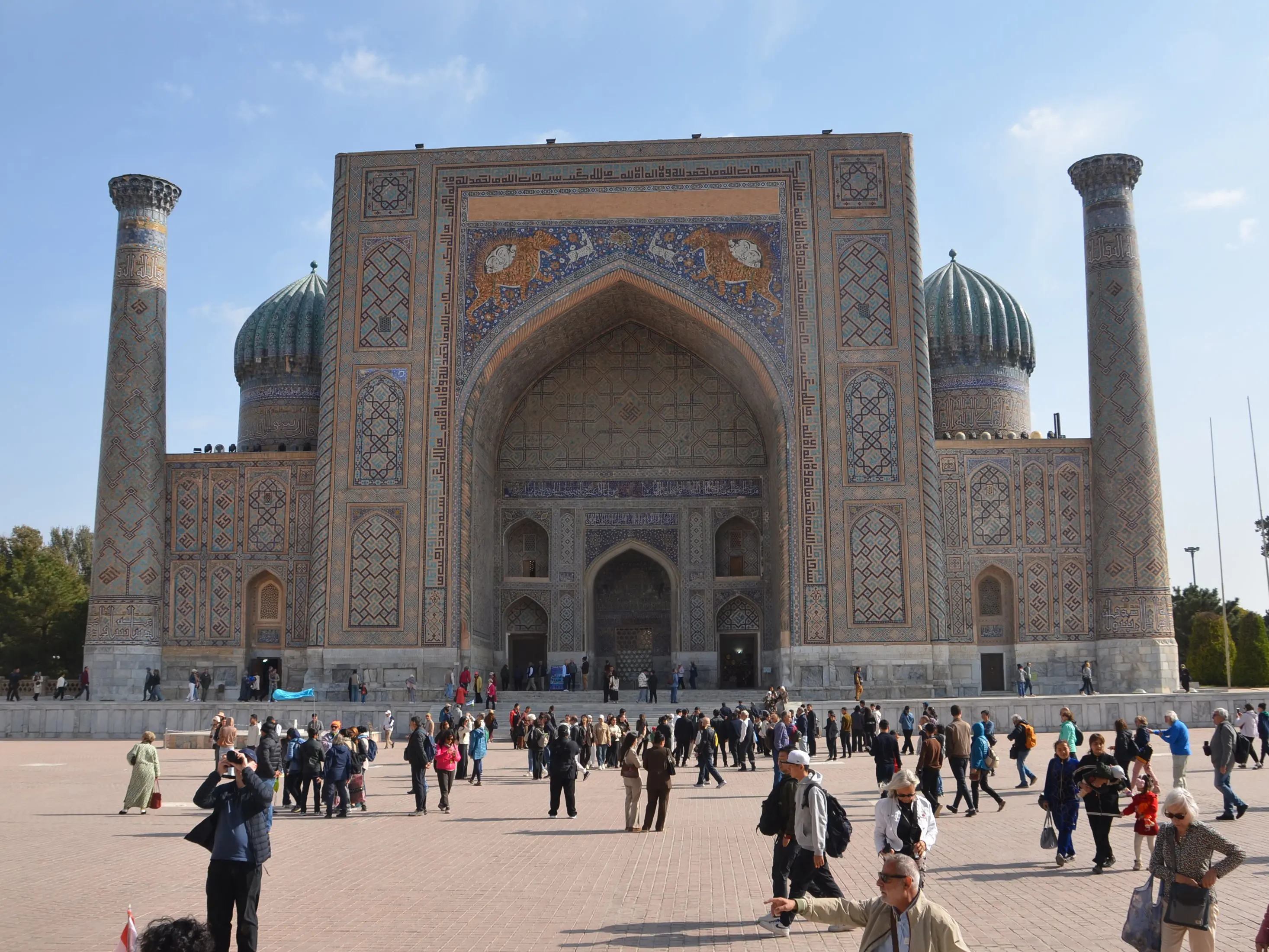
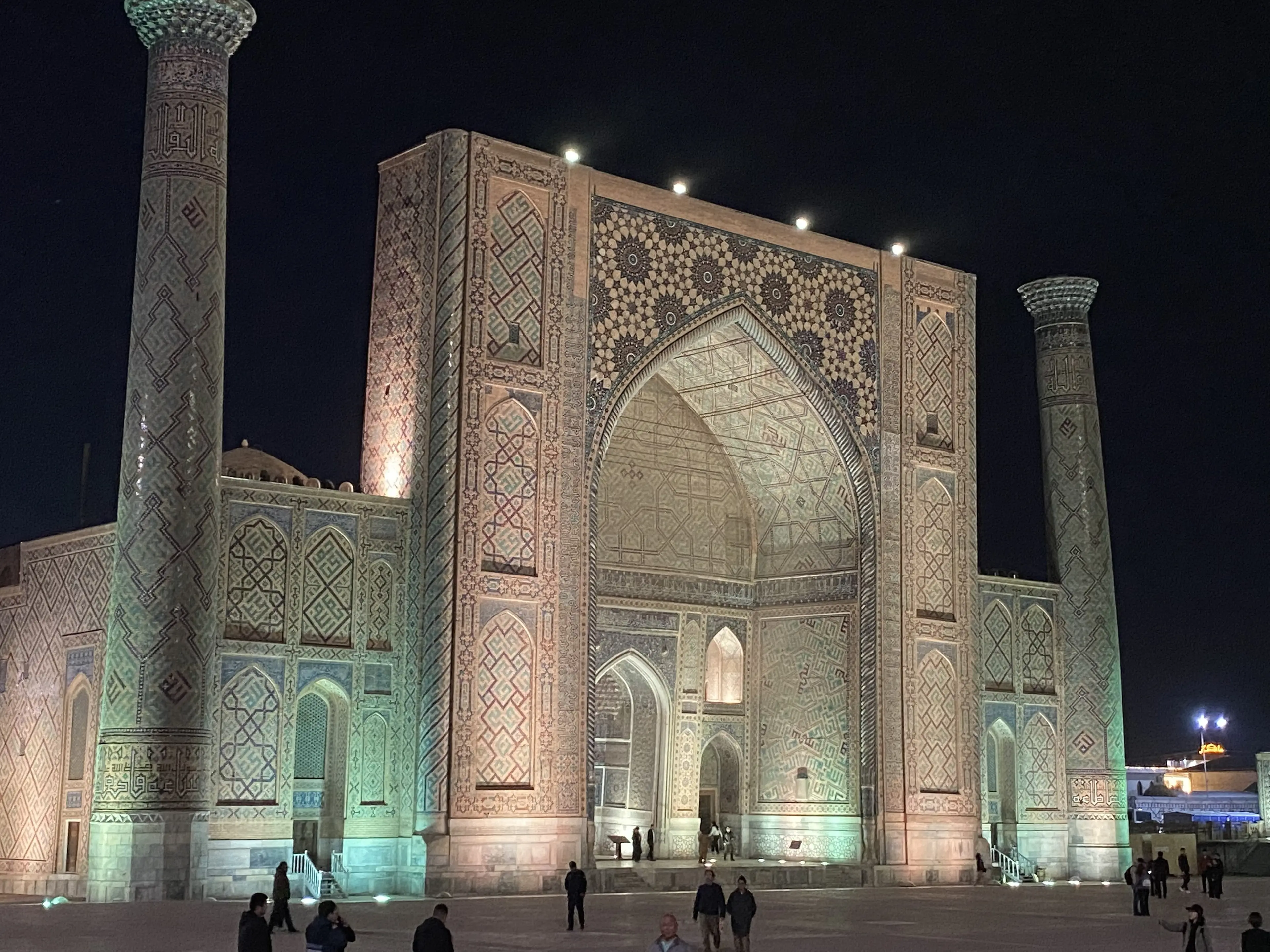
I sensed the echoes of that history when I visited Registan Square, the crown jewel of Samarkand. This paved square is flanked on three sides by magnificent structures, their glazed turquoise domes and blue-tiled facades adorned with intricate mosaics and calligraphy, bearing witness to the splendour of the Timurid Empire.
"Wow" was the sole exclamation that escaped my lips as the grand assembly revealed itself before me.
Constructed between the 15th and 17th centuries, these buildings served as madrasas or Islamic schools, evolving into global centres for the study of science, art and Islam. The square became a hub where merchants exchanged silk for spices, poets recited their verses and scholars engaged in philosophical discussions, while at night, astronomers observed the stars. Unfortunately, this quarter also served as a site for the execution of enemies.
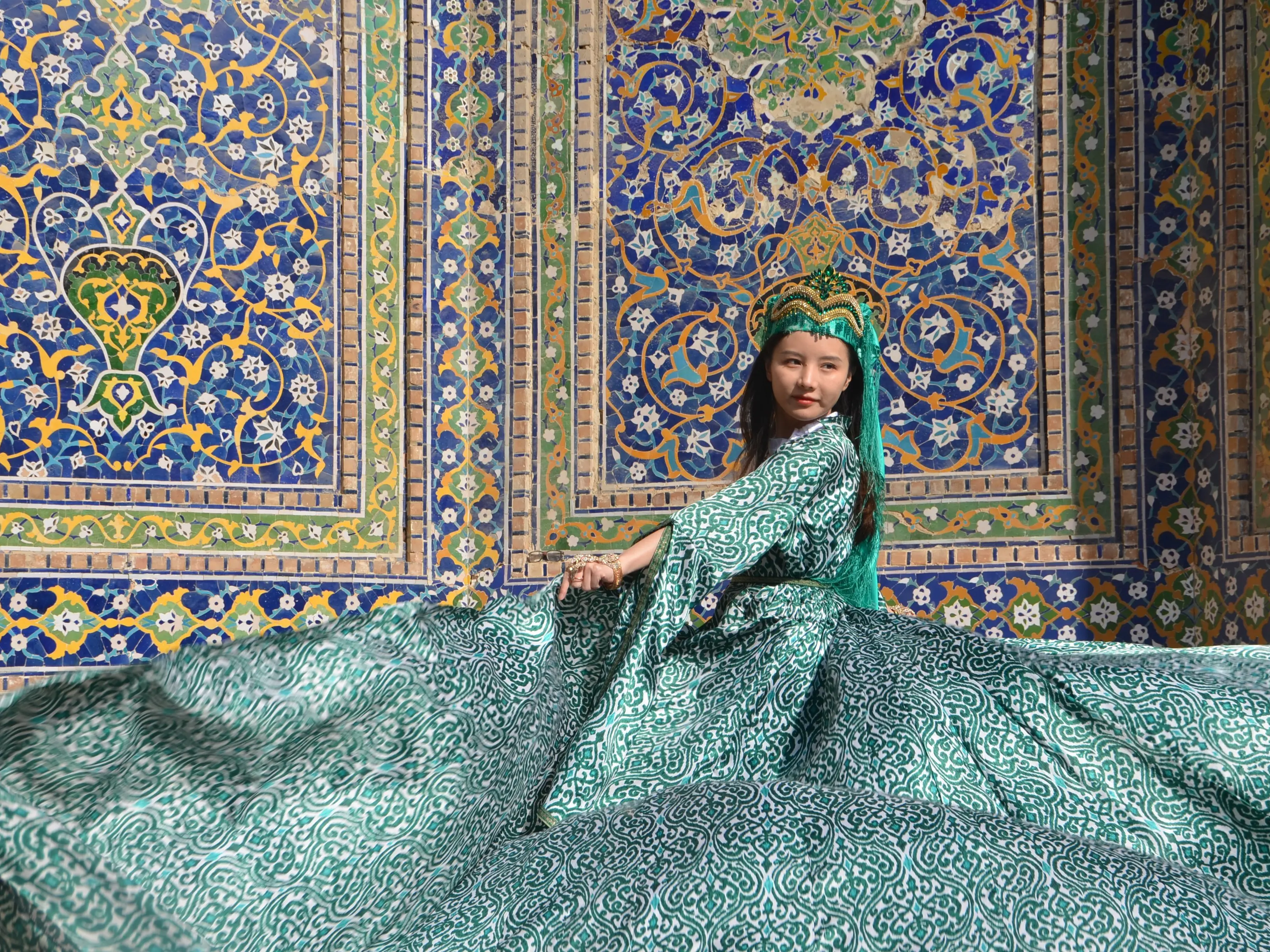
The feeling of wonder remained as I delved into the interiors of these madrasas and the in-house mosques, where the walls and ceilings of the rooms, doors and arched entrances are adorned with blue, alabaster and gold mosaics, representing Samarkand’s prosperous status during that period.
It is easy to imagine the considerable amount of funding required to maintain these structures. As a result, to generate revenue, the government has rented out most of the former dormitory rooms of the madrasas to art, souvenir and clothing shops, primarily offering glazed ceramic crafts, caps typically worn by Uzbek men and coats made from a traditional hand-embroidered textile known as Suzani.
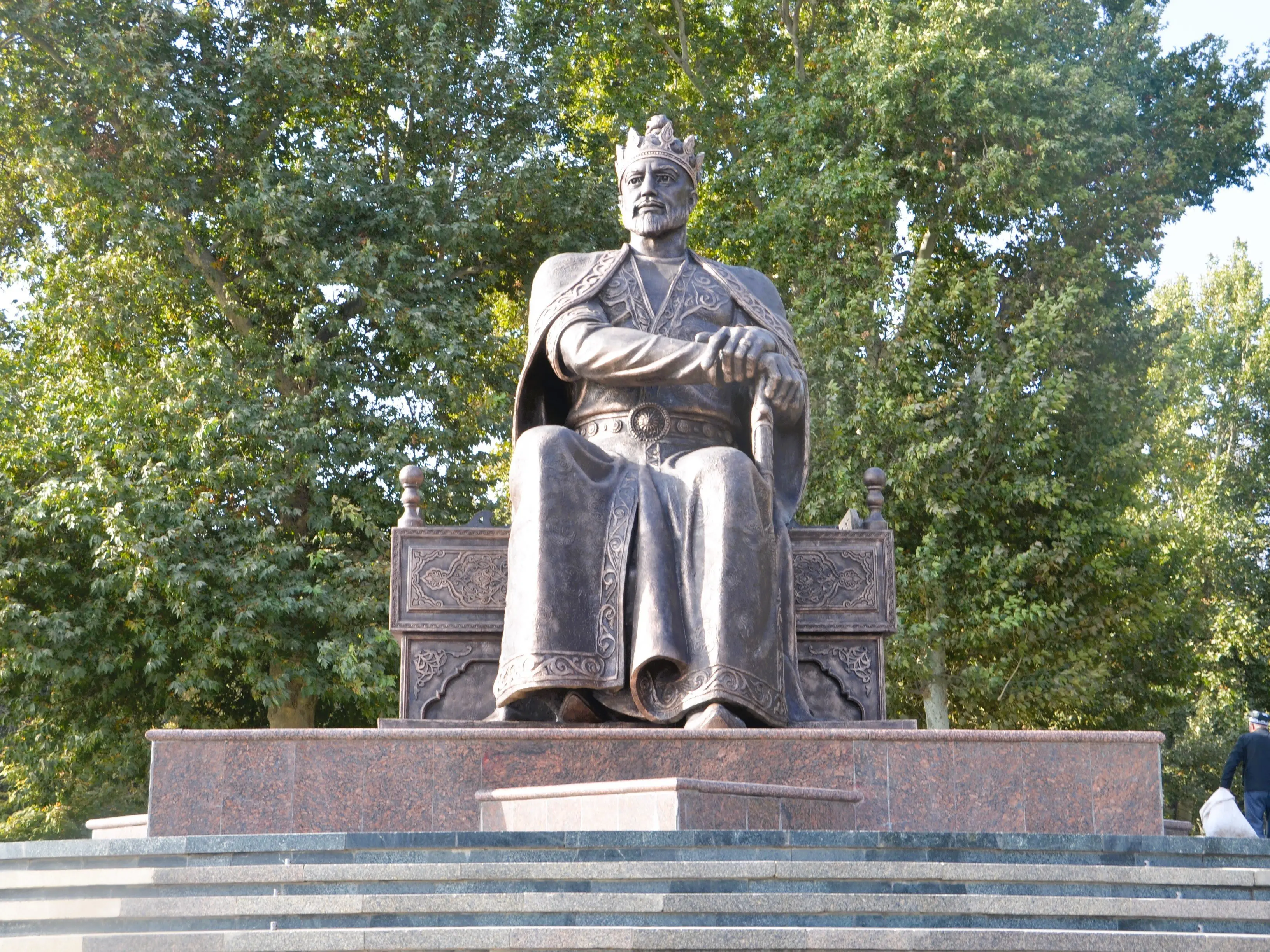
The other notable medieval buildings in Samarkand that celebrate the glories of the era include the Shah-i-Zinda complex, a stunning avenue embellished with mausoleums of Timur Lane’s relatives and trusted generals, the Bibi Khanym Mosque and the Gur-e Amir, a magnificent tomb where Amir Timur rests beneath a large slab of jade.
Bukhara is like a living museum, where around the ancient quarters I felt the echoes of lost civilisations reluctant to fade. The emotions intensified when I visited the Chashma Ayub Mausoleum, dated to the 12th century and regarded as one of the oldest funerary buildings in Central Asia, the Ark Citadel, which has been home to many emperors who ruled Bukhara, the Bolo-Hauz Mosque, also known as the "Mosque of 40 Columns", and the Kalon Minaret, from which centuries ago calls resonated to attract the attention of worshippers for prayers at the adjacent mosque.
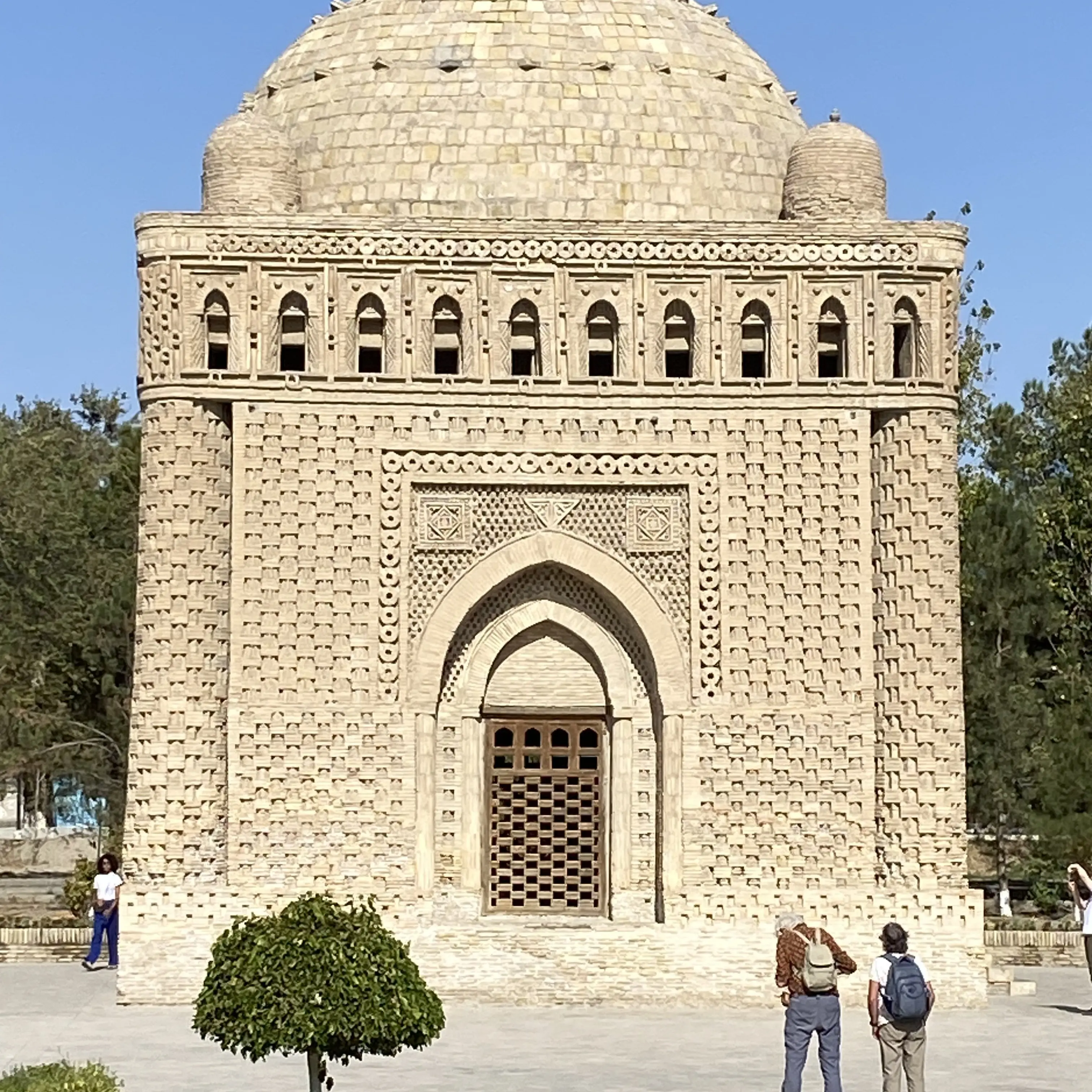
Tashkent captivated me with its interesting blend of the old and the new. During the Soviet era, it was the third most significant city after Moscow and St Petersburg. Consequently, the city was adorned with grand Soviet-styled buildings that lined its tree-lined boulevards and parks. Similar to Moscow, an underground Metro railway was established to facilitate the movement of residents between the verdant suburbs. The Metro stations, resplendent with marble and chandeliers, serve as subterranean art galleries akin to those in Moscow.
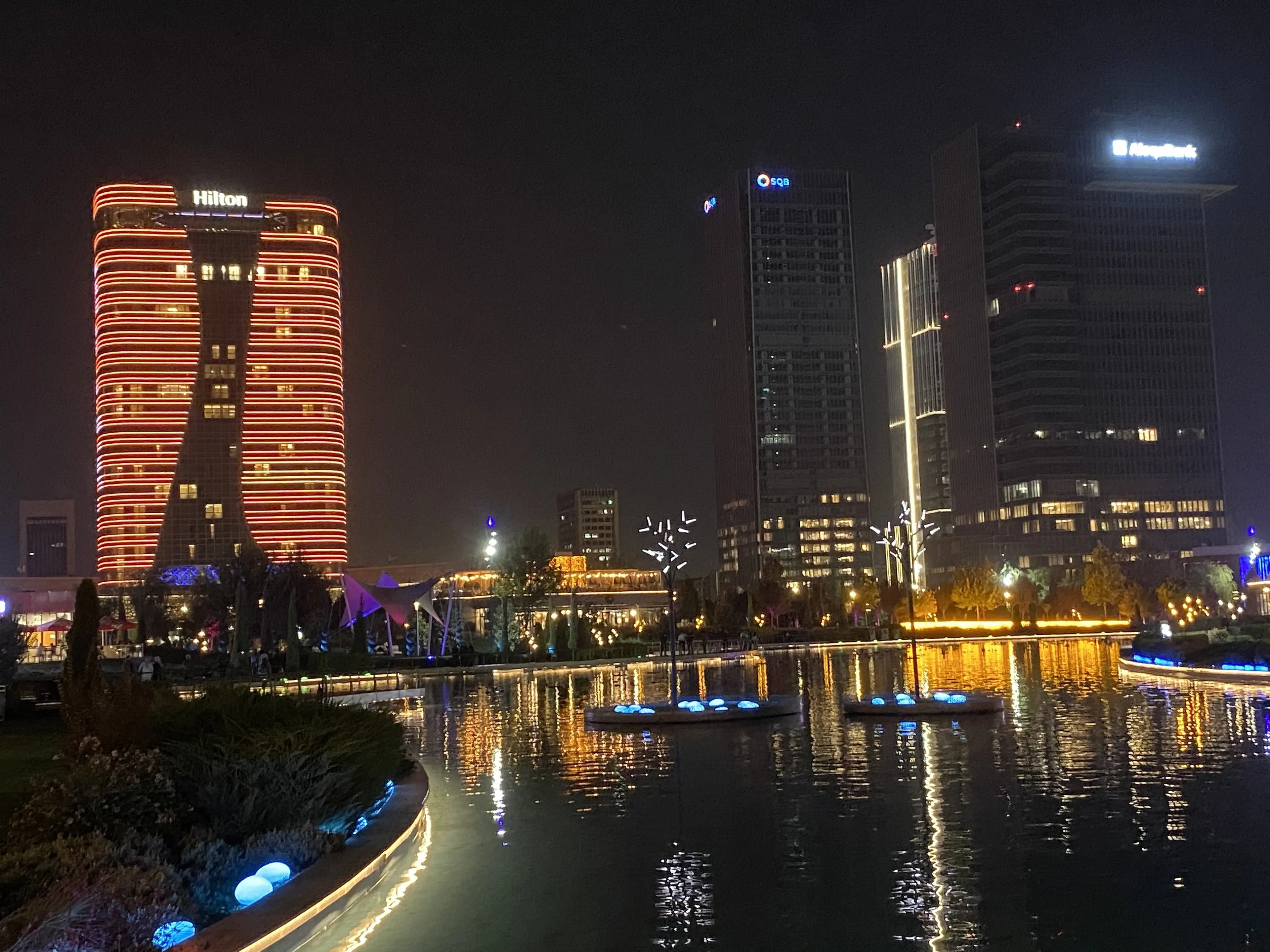
Modernity coexists with antiquity in the historic areas of the city, which are dotted with mosques, tombs and madrasas. At the Moyle Mubarek Library Museum, I was fortunate to view the world’s oldest Koran, displayed in a glass cabinet. Devout Muslims consider touching the cabinet to be highly sacred, resulting in a unending long queue in front of it.
The rich flavours of Silk Route culture enveloped me as I wandered through the bazaars of Uzbekistan, where I felt as if I was stepping into a living tapestry of aromas, colours and age-old trading customs.
In Samarkand’s Siab Bazaar, the air was filled with the fragrance of freshly ground saffron, tangy dried apricots and warm rounds of "non" bread straight from tandoor ovens.
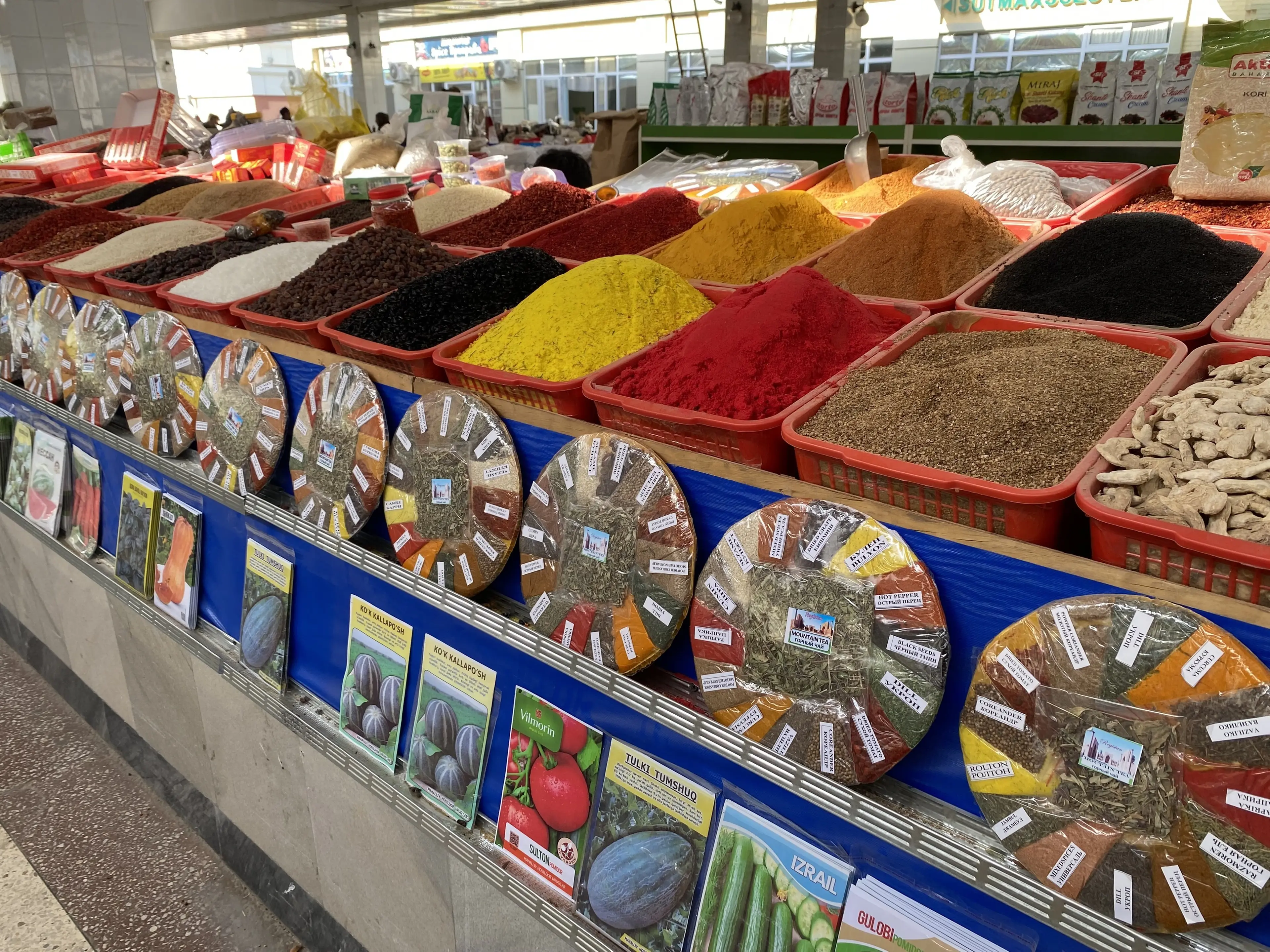
The domed trading halls of Bukhara resonated with the spice-laden scents of cumin, coriander and sweet halva, blending with the earthy fragrance of hand-woven carpets.
Within Tashkent’s Chorsu Bazaar, pyramids of pomegranates sparkled alongside mounds of pistachios and glistening strings of figs, each stall reflecting the rich diversity of cultures that traversed these ancient caravan routes.
Collectively, these markets provide not only strong flavours but also the vibrant, fragrant and irresistibly alive essence of the Silk Route itself.
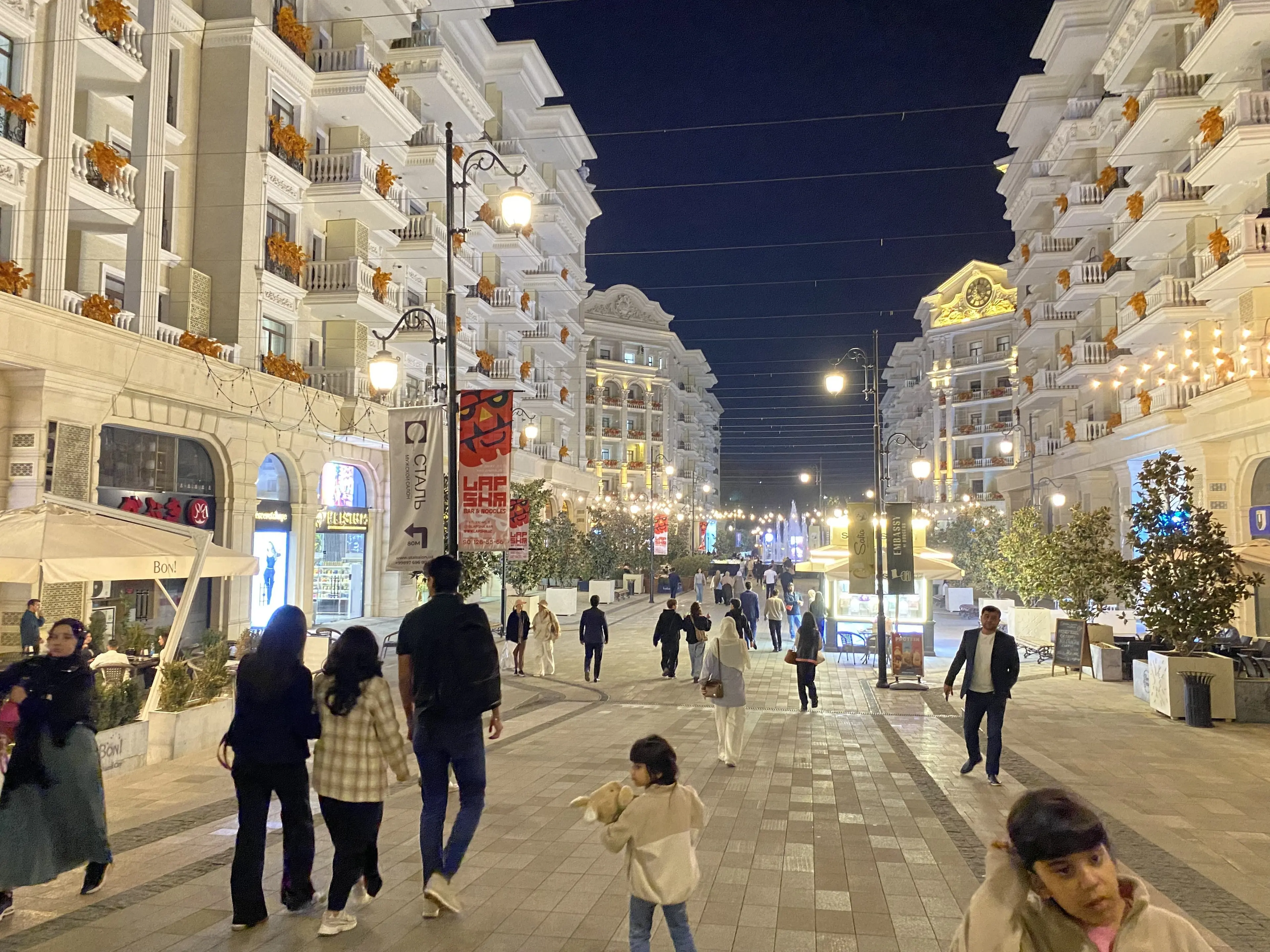
As my plane ascended from Tashkent, I felt a sense of fulfilment for having walked the same paths once traversed by mighty conquerors, affluent merchants and traders, scholars, pilgrims and travellers who connected the East and the West.
Travel notebook
Getting there: Fly Uzbekistan Airways (www.uzaairways.com) from either Kuala Lumpur or Delhi to Tashkent from where Samarkand and Bukhara are well connected by rail and road.
Stay: Hilton Garden Inn in Tashkent, Hilton Garden Inn in Samarkand (www.hilton.com) and Wyndham Hotel (www.wyndhamhotels.com) in Bukhara.
Local tour operator: Contact Orient Mice (www.orientmice.com), a trusted local tour operator for all ground arrangements.