
PHOTO
In a town of fewer than 5000 people in northern France, a smooth and lustrous slab of pounamu sourced from Westland’s Arahura River offers a soothing and spiritual welcome to Kiwi visitors after the long journey from the southern hemisphere.
Street signs in Le Quesnoy include Rue de Nouvelle Zelande and Avenue des Neo-Zelandais, while the town’s main square is enlivened with a blue nameplate announcing Place des All Blacks. That one is just a playful replica, added during a visit by the team a few years ago.
In contrast, the town’s New Zealand-themed street and avenue were officially named over a century earlier, an action reflecting deep gratitude to the 3rd New Zealand Rifle Brigade’s liberation of Le Quesnoy from German occupation on November 4 1918.
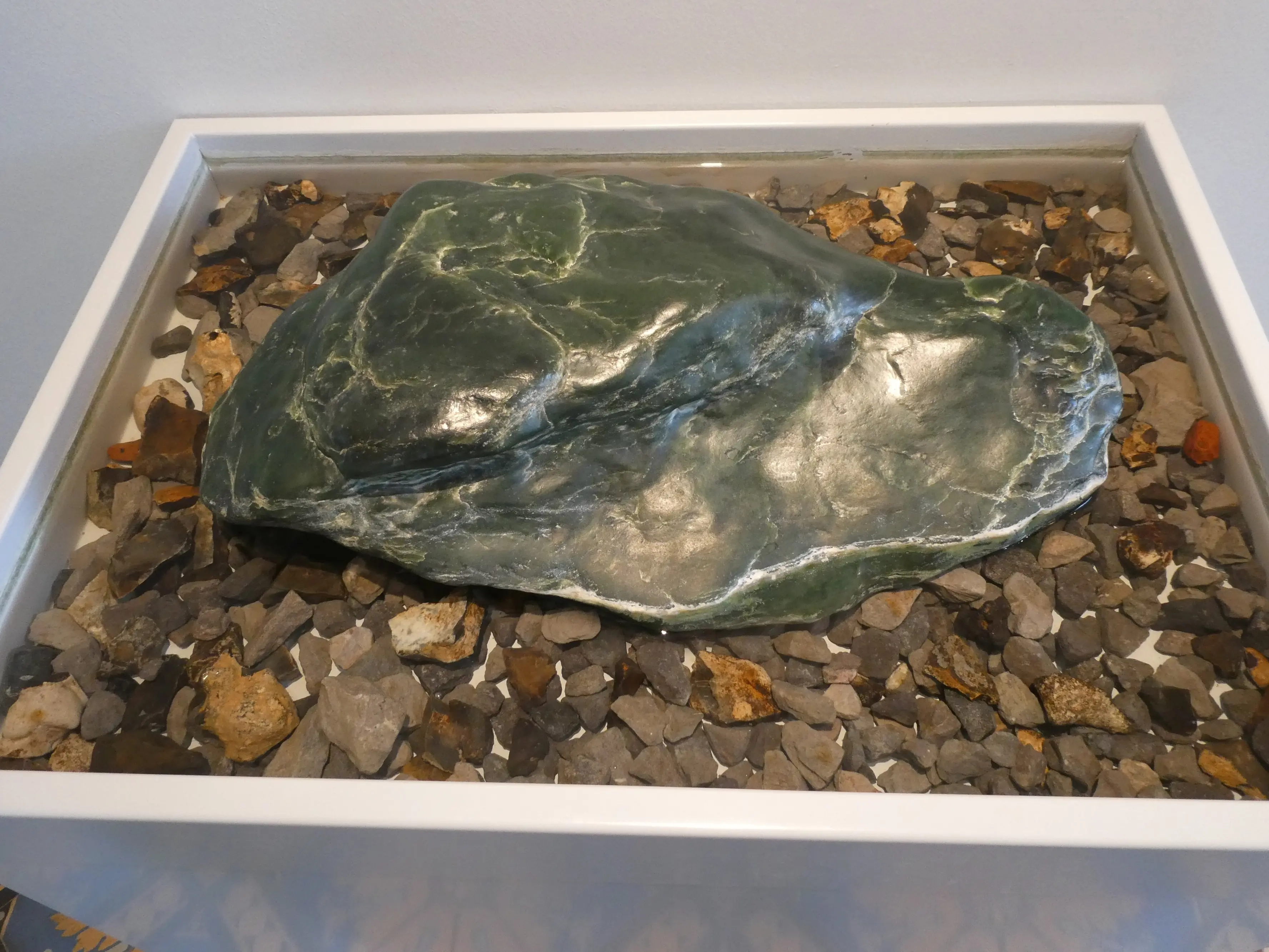
Gifted by Westland’s Ngāti Waewae hapu, Le Quesnoy’s pounamu anchors Kiwi visitors back to Aotearoa when they first arrive at the New Zealand Liberation Museum – Te Arawhata, a poignant and definitive retelling of a daring military initiative that continues to link France and New Zealand.
In a feat reported on by the New York Times, New Zealand soldiers used a wooden ladder requisitioned from a cherry orchard to scale the walls of Le Quesnoy’s imposing ramparts, a medieval fortress designed by King Louis XIV’s military engineer Sebastien Le Prestre de Vauban in the 17th century.
After a day of pitched battles and failed attempts to scale the 13 metre-high ramparts, only one of the Rifle Brigade’s wooden ladders remained intact by late afternoon on November 4.
Originally added long after Vauban’s era to accommodate a sluice gate, a narrow ledge above the town’s moat was eventually recognised as the only viable route to the top. Under the cover of intense rifle fire, Second Lieutenants Leslie Averill and Harold Kerr made it over the ramparts and into the town. Other Rifle Brigade troops followed, and soon after, German soldiers in Le Quesnoy surrendered.
The town’s Kiwi liberators were welcomed by French locals with food, embraces and spontaneous bouquets of autumnal flowers. Marking New Zealand’s last major action in the war, the town’s liberation ended four years of occupation. No French civilians were killed, damage to Le Quesnoy’s historic fortress was minimised, but tragically 122 New Zealanders died in the fighting to retake the town.
Armistice Day in Europe followed just one week later.
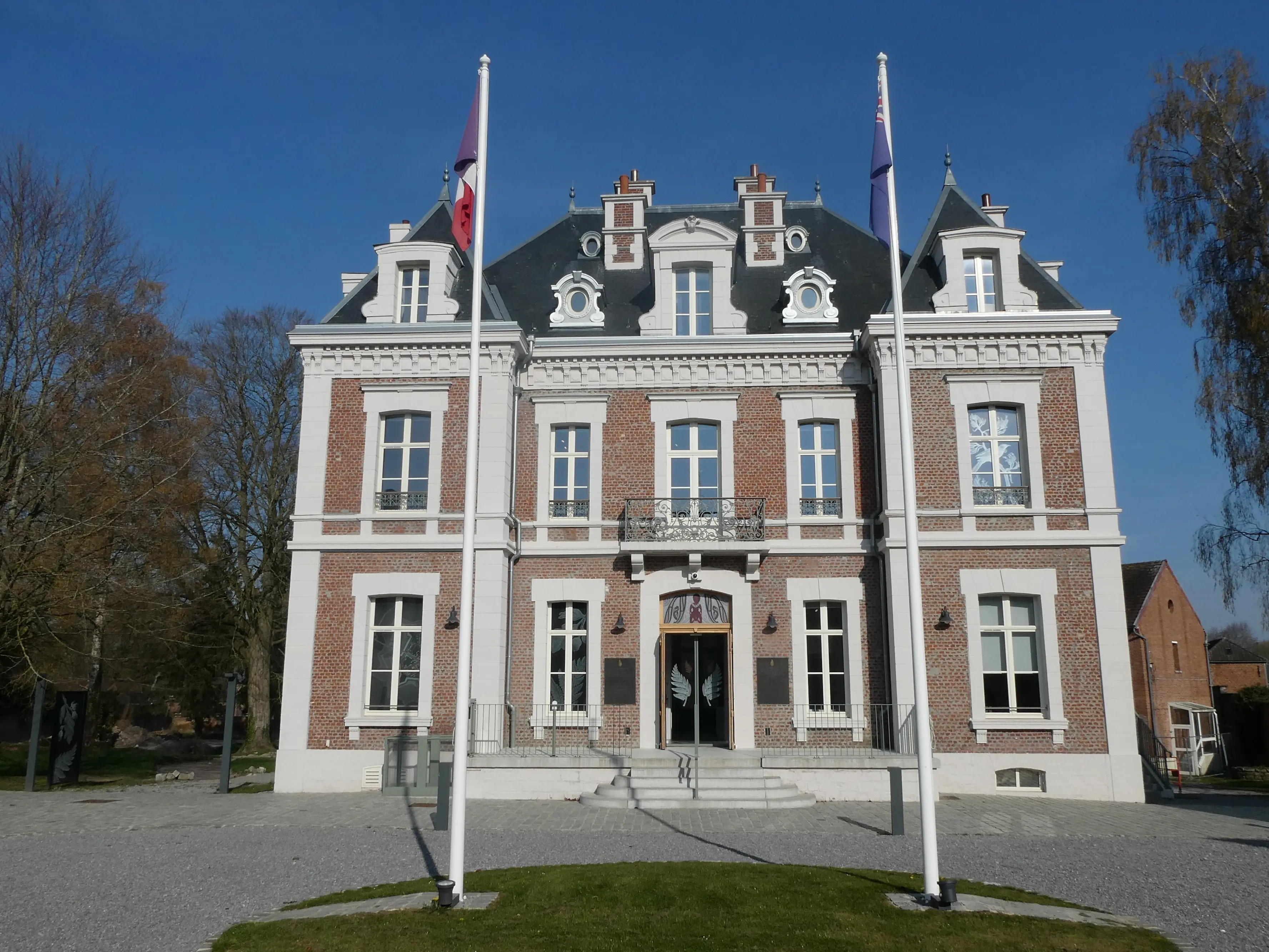
Te Arawhata – ‘‘the ladder’’ or ‘‘the staircase’’ in te reo Māori – is housed in the grand former residence of Achille Carlier, Le Quesnoy’s mayor both before World War 1, and after the town was liberated in 1918. After falling into disrepair, the heritage building opened after five years of careful restoration and renovation as the New Zealand Liberation Museum in October 2023.
Unlike World War 1 institutions in France and nearby Belgium, no dusty war detritus or rusted military artefacts are displayed, and the focus is firmly on emotive and innovative storytelling designed by Wellington’s Wētā Workshop.
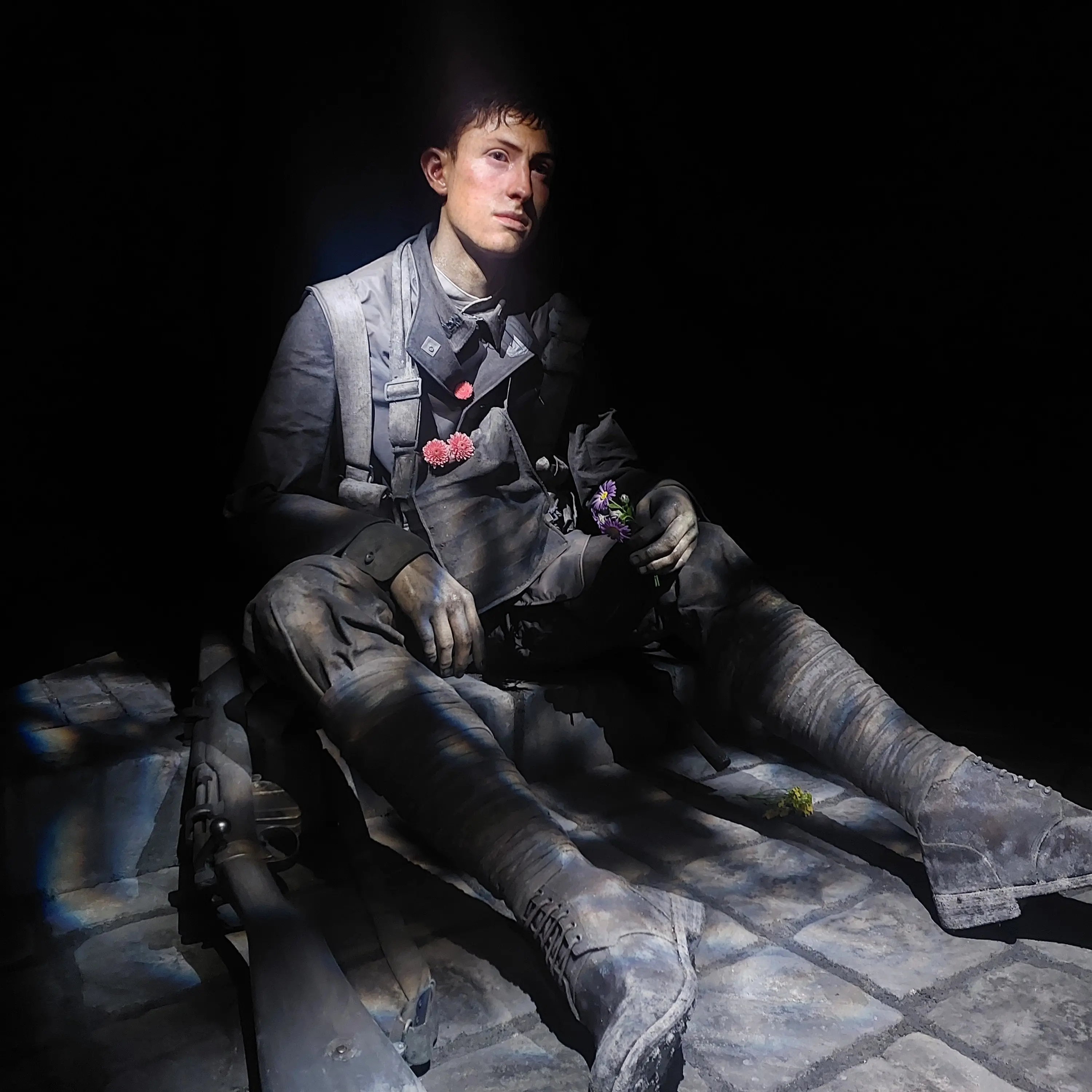
Like Wētā installations at Te Papa’s ‘‘Gallipoli: The Scale of War’’ exhibition and the 2024 launch of the Pounamu Pathway experience at Māwhera Pā in Greymouth, a highlight of Te Arawhata is a super-sized statue. Crafted in bronze and 2.4 times the size of a normal man, the hyper-realistic New Zealand soldier sits on French cobblestones, exhausted and reflective after the Rifle Brigade’s liberation of Le Quesnoy. Colourful flowers gifted by French locals enliven his uniform, stark and monochrome in a subtle palette of grey, while a nine-minute soundscape fills the room to end on a surging coda of La Marseillaise, the French national anthem.
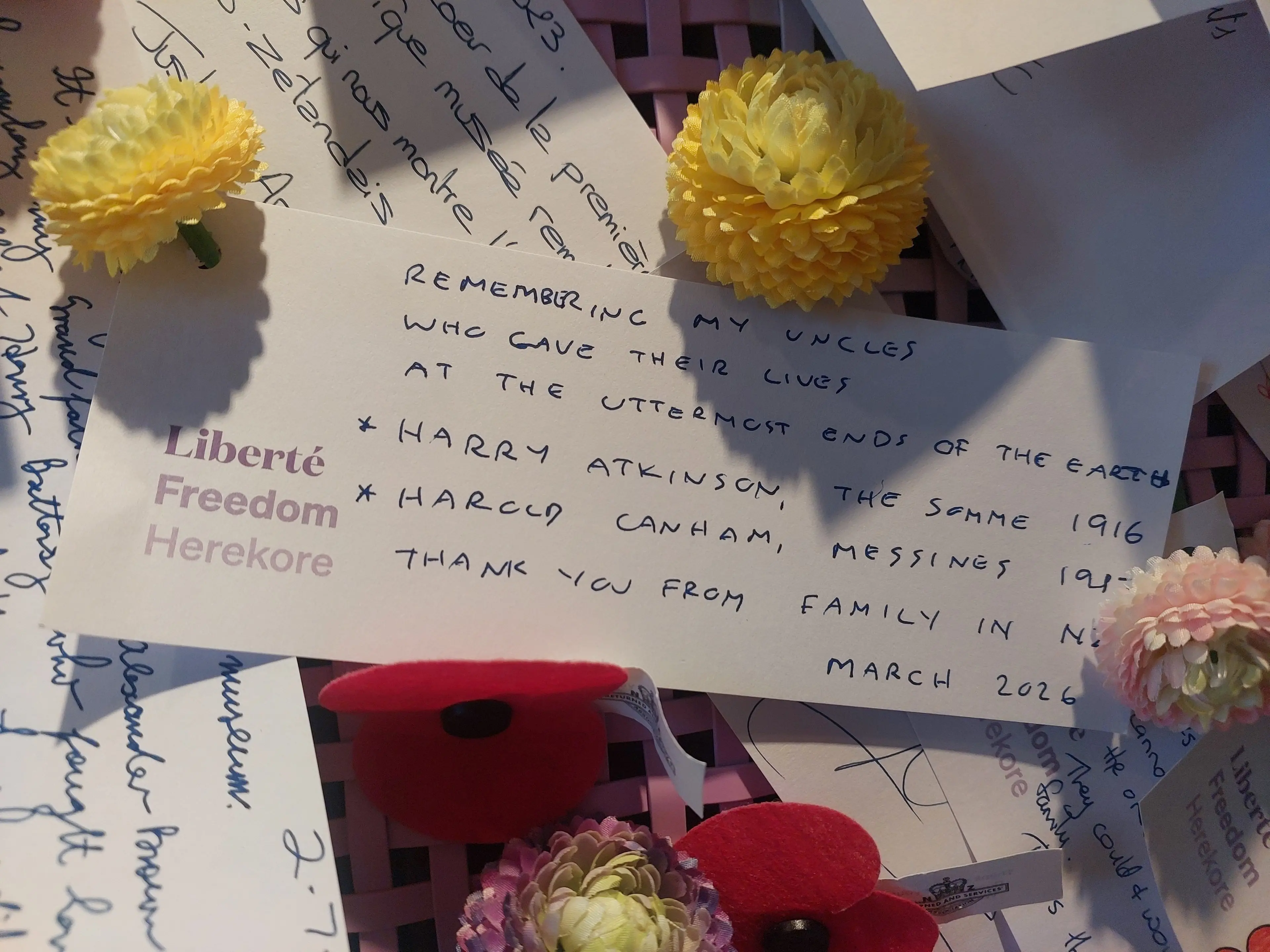
Also on the museum’s ground floor, a digital Roll of Honour scrolls through the names of the 120,000 New Zealanders who left the country to fight overseas in the Great War. Running alphabetically, the full list takes eight hours to complete. Chancing on surnames including Crampton, Craven and Crawford, I just miss the opportunity to pay tribute to my great-great-uncle Harold Canham who died 100km to the northwest in 1917’s Battle of Messines in Belgium.
The same distance southwest of Le Quesnoy, my paternal great-uncle Harry Atkinson is remembered at France’s Caterpillar Valley Commonwealth War Graves cemetery, a victim of the Western Front battles of the Somme in 1916.
War casualties from both sides of the family, one from central Auckland and one from rural Taranaki, and now separated by a drive of less than 90 minutes through the rolling pastures and rural villages of Belgian Flanders and northern France.
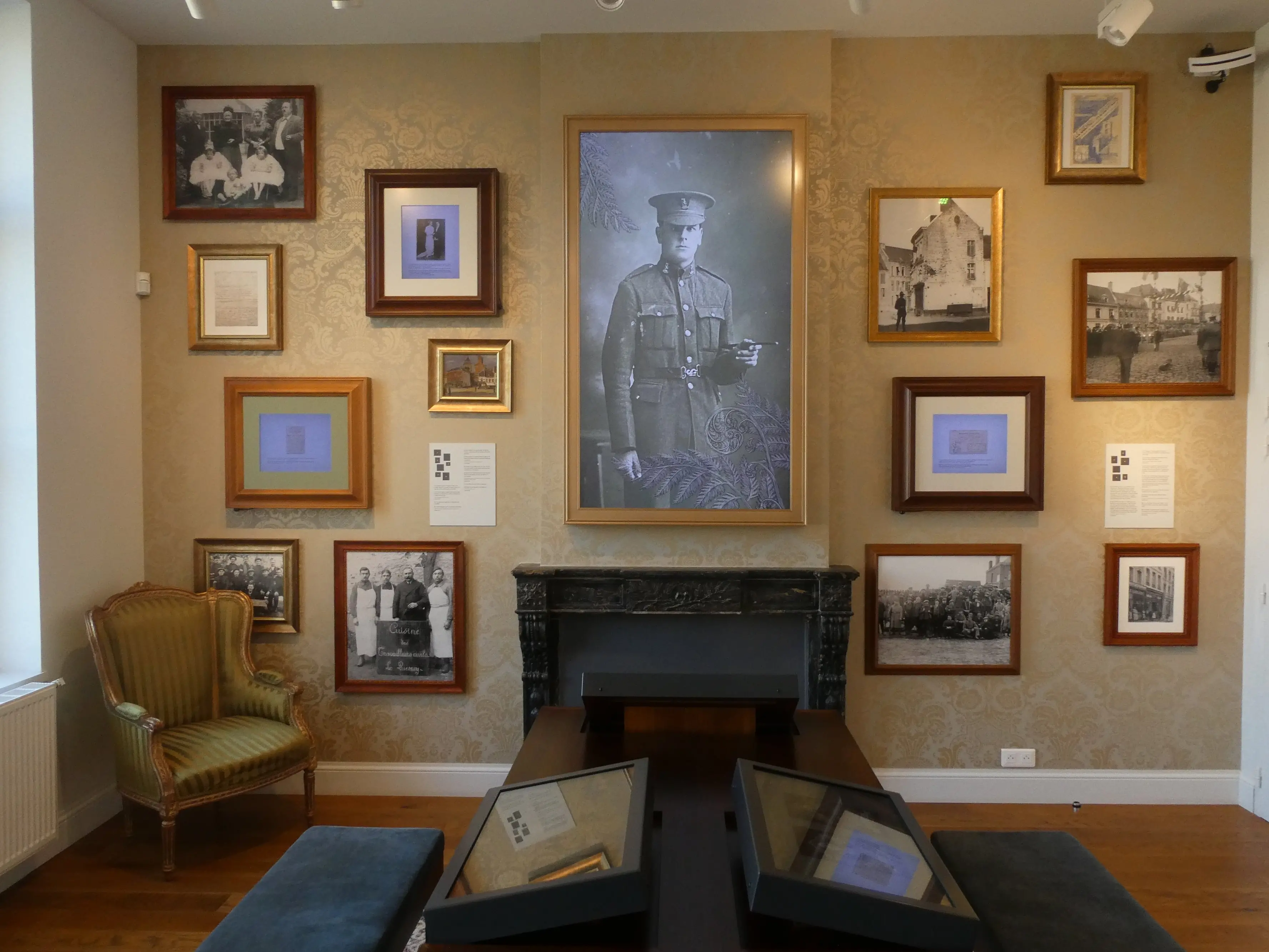
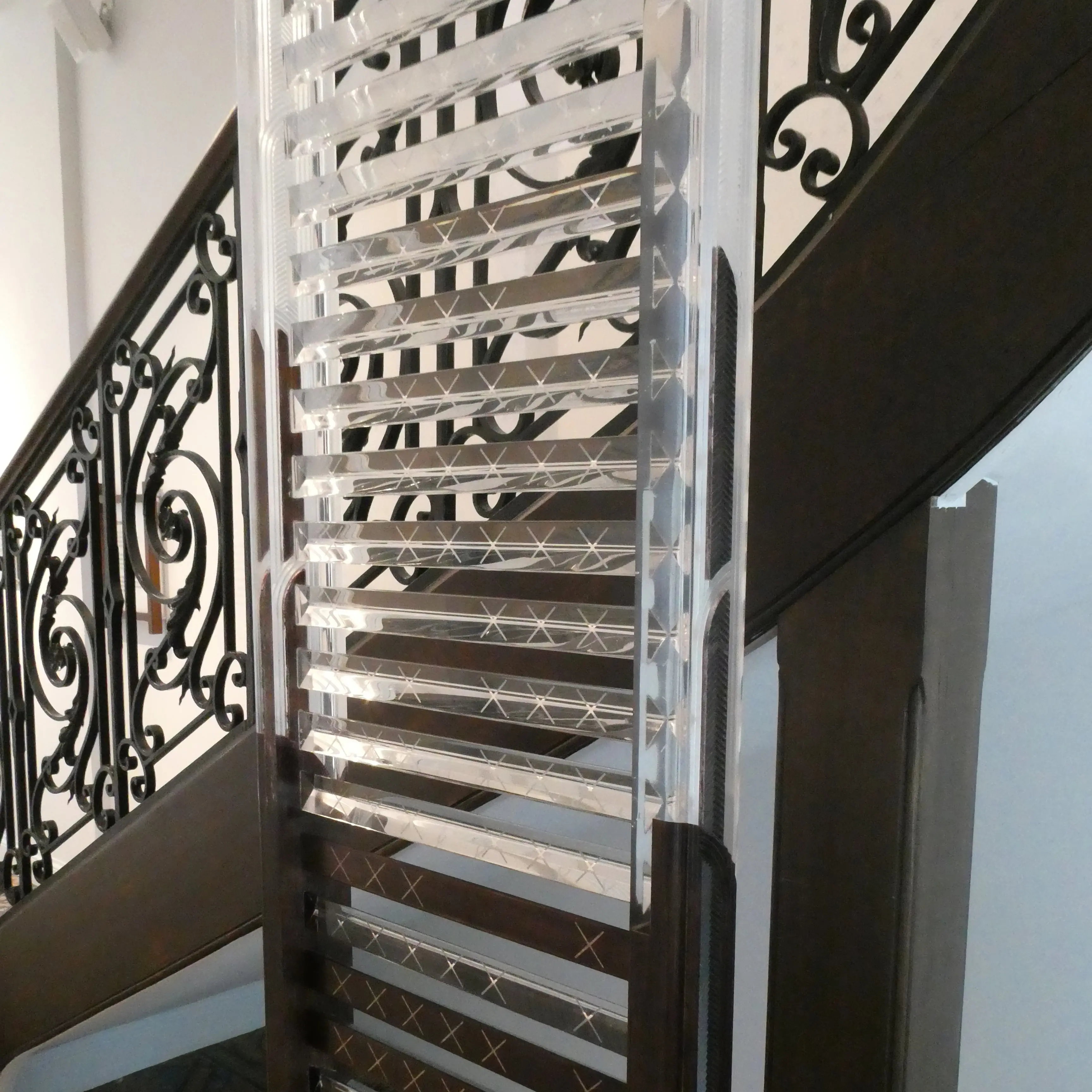
The museum’s light-filled interior is divided into two main spaces. Downstairs galleries are focused on information and storytelling, with the Room of Voices combining stark and spectacular projections with re-created spoken word testimonies from New Zealand soldiers, French civilians and the Germans’ commanding officer. Upper rooms designed for introspection and reflection are linked to the ground floor by the museum’s namesake Te Arawhata, a translucent perspex art installation almost 8 metres high, representing both the humble ladder used by the 3rd New Zealand Rifle Brigade in 1918, and also a te ao Māori pathway to greater understanding.
Design, including traditional tukutuku panels, features on the artwork, and it is a Māori motif also incorporated in an upstairs room where visitors can add personal messages. Amid a colourful backdrop of paper flowers representing the blooms presented to New Zealand soldiers, I craft a tribute to both Harold and Harry.
In an adjacent room, dramatic black and white images by the New Zealand Expeditionary Force’s official photographer Henry Armytage Sanders include a wall-covering tableau of soldiers gathered around a rudimentary outdoor butchery. Letters from home are being read and re-read, pipes and cigarettes are being smoked and over a century later, there’s an easy, unforced camaraderie to the image that’s unmistakably Kiwi.
After lunch in Le Quesnoy’s main square, I join the museum’s general manager on a guided walking tour of the town’s historic ramparts. After working at the L’Ecole du Louvre in Paris and the Auckland War Memorial Museum, New Plymouth-born Elizabeth Wratislav joined Te Arawhata in September 2024, her French language skills essential in forming a strong bond between the museum and the town.
Living in France with her husband and young son, and representing Te Arawhata to visitors from New Zealand and around the world is the ultimate combination of OE and professional opportunity.
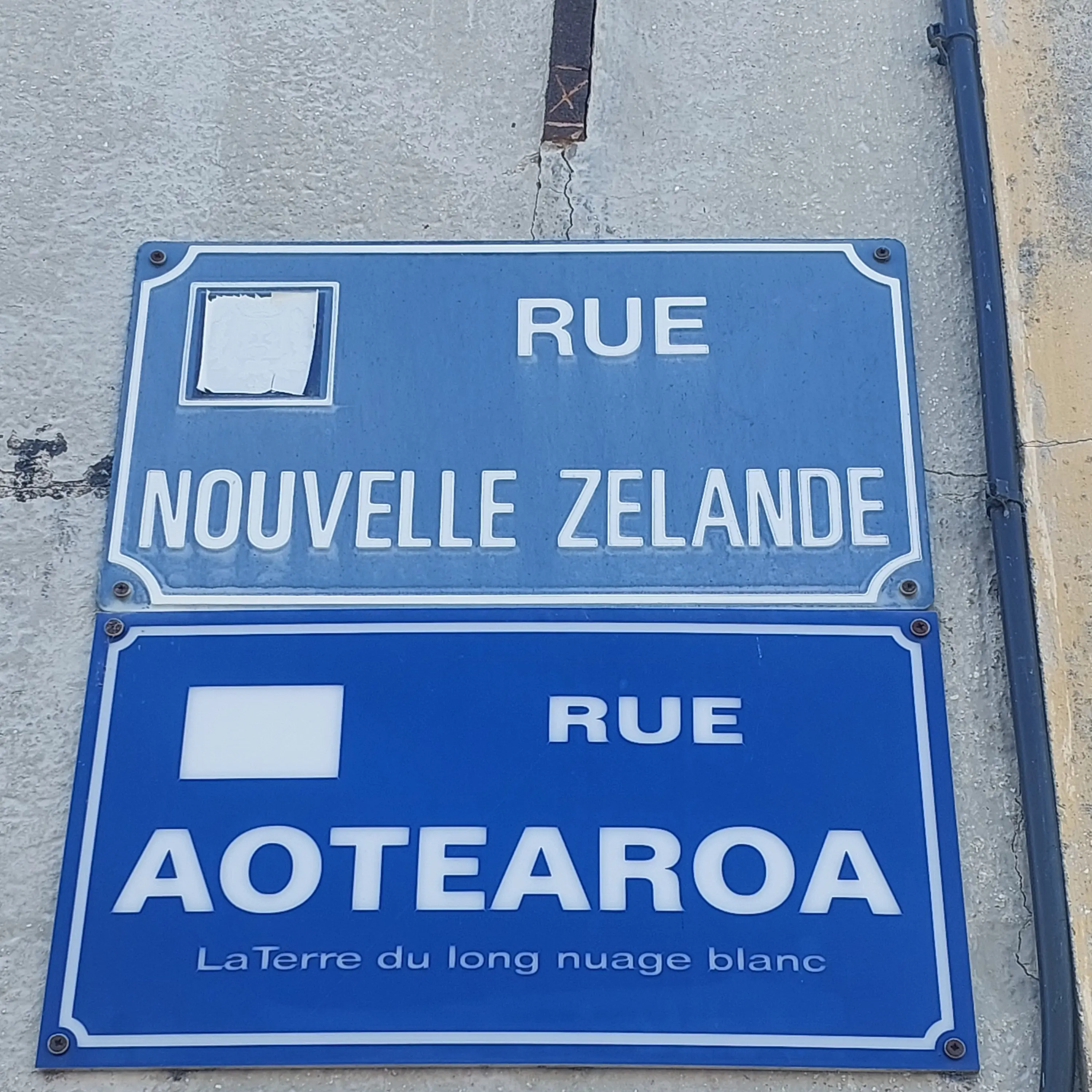
We leave Le Quesnoy along Rue de Nouvelle Zelande, now also enjoying an alternative Kiwi-themed name. On a blue street sign marking Rue Aotearoa, there’s another line reinforcing a link back to our shared southern hemisphere home, ‘‘La Terre du long nuage blanc’’ (The Land of the Long White Cloud).
Walking in early spring sunshine, Elizabeth confirms Le Quesnoy’s Rue du Marechal Joffre – named after France’s legendary military commander in World War 1 – now also celebrates the alternative name of Rue Helene Clark.
Other reminders of New Zealand’s contribution include a pre-school named after Leslie Averill, the first Kiwi soldier to scale the town’s ramparts on November 4, 1918. After the war, Averill trained as a doctor in Edinburgh and visited Le Quesnoy on several occasions. He was made an honorary citizen and formed a strong bond with the town’s de Monteville family, an alliance now stretching to multiple generations. Located on Rue du 11 Novembre 1918, the town’s Ecole Maternelle Docteur Averill is an enduring tribute to his actions.
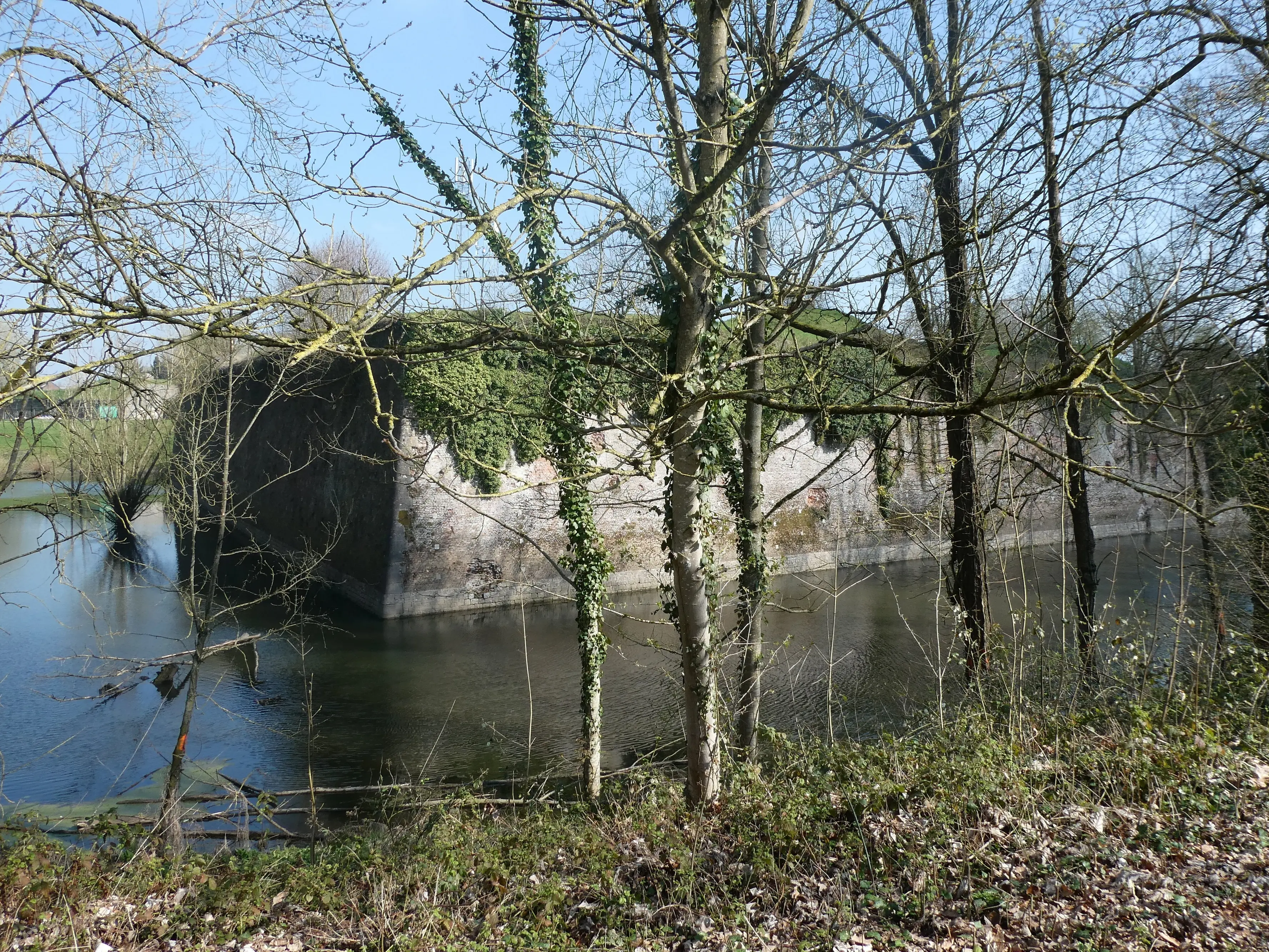
As we take a leisurely route along the moat framing Le Quesnoy’s ramparts, the genius of Sebastien Le Prestre de Vauban’s military architecture is soon evident. Perfecting and refining trace Italienne bastions from the 15th century, Vauban’s design evolution from circular fortresses to star-shaped strongholds totally eliminated any blind spots for defensive armies. Now covered in smudges of ivy and lichen, the ramparts’ 13 metre-high brick walls also reinforce the difficulties faced by New Zealand soldiers in 1918.
With locals and their dogs meandering on well-defined tracks, the grassy meadows framing the ramparts are popular for walking, and in a French town that’s twinned with Cambridge in the Waikato, other reminders of home include Rangimārie. The peace garden was planted by New Zealand landscape artist Xanthe White for the 2018 centenary of Le Quesnoy’s liberation, and its tangle of plants native to Aotearoa includes many with a red tinge mirroring the scarlet bloom of Anzac Day poppies. Nearby, a kiwifruit vine is scraggy and bereft in early spring, but apparently overflows with furry bounty by late autumn.
Elizabeth and I soon arrive at the location where Second Lieutenants Averill and Kerr made their successful attempt to enter the town. The sluice gate’s elevated platform sits above the moat, and looking both left and right, it’s clear there’s nowhere else along the ramparts where the Rifle Brigade’s solitary ladder would have been effective. It’s still quite a distance to the top of the ramparts, maybe eight metres, but within the reach of the long ladders traditionally used in French cherry orchards.
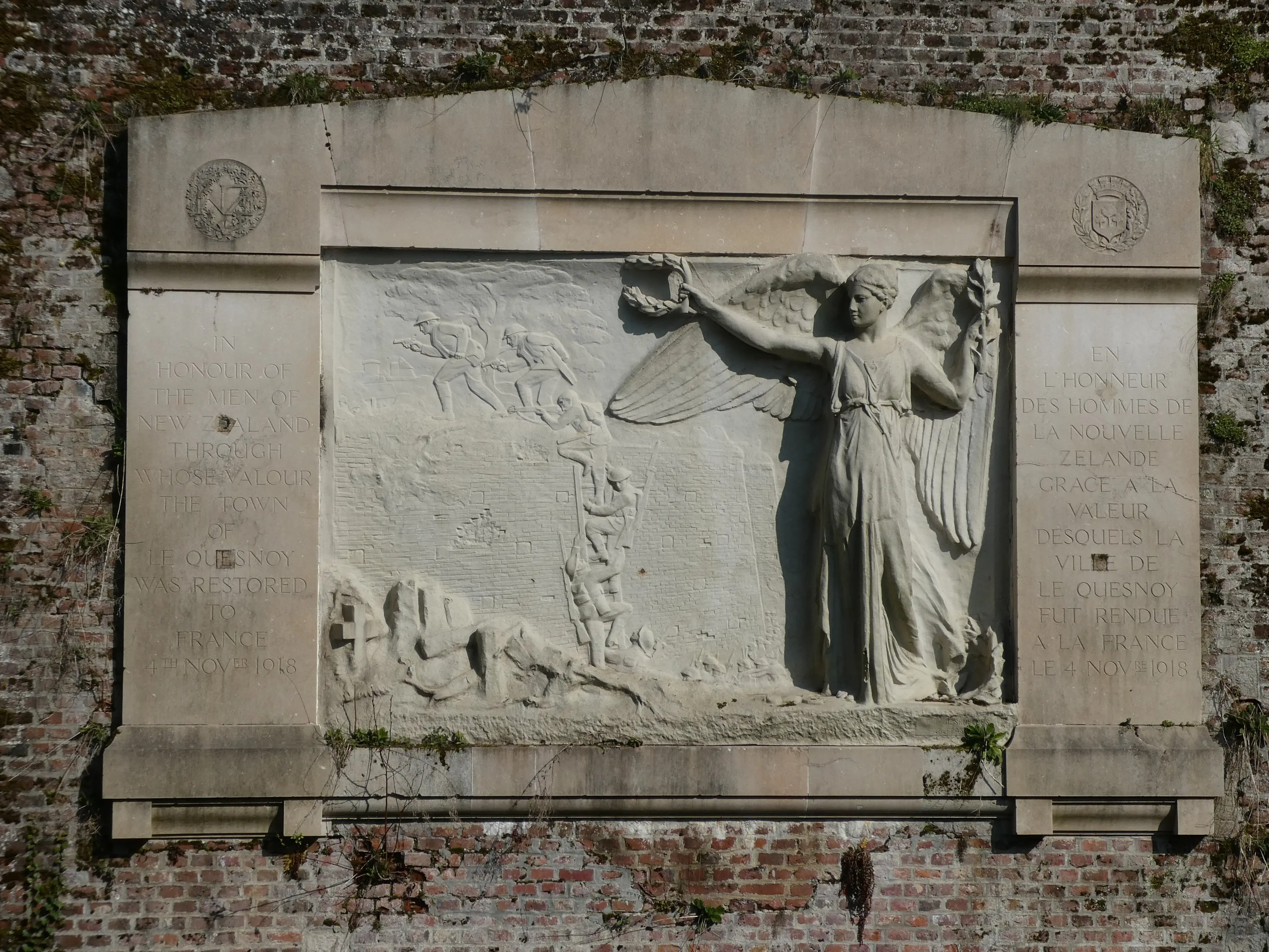
Framed by the ramparts’ brick walls and unveiled in November 1923 for the fifth anniversary of Le Quesnoy’s liberation, the New Zealand Memorial features a frieze of the moment when troops successfully entered the town. Guarded by Nike, the Greek goddess of victory, it’s a dramatic and almost cinematic re-creation of the famous day in the shared history of France and New Zealand.
An inscription before the ramparts echoes those I’ve seen on New Zealand monuments in Turkey, France and Belgium, honouring our nation’s battlefield losses.
''It's a line that gets me every time: ‘‘From the uttermost ends of the Earth’’.''
Getting there
Le Quesnoy is easily reached by train (45 minutes) from the northern French city of Lille. From Lille to Paris is around one hour by train, and direct Eurostar departures link Lille to London’s St Pancras station in 90 minutes. See sncf-connect.com for schedules and to book tickets.
Having your own vehicle is recommended if you wish to explore other nearby locations important to New Zealand’s World War 1 history including Ypres, Messines and Passchendaele in Belgium, and Arras and Longueval in France.
More information
See nzliberationmuseum.com for detailed information about visiting Le Quesnoy. On Instagram, see @te_arawhata_nzlm for regular updates including Anzac Day commemorations in the town.