
PHOTO
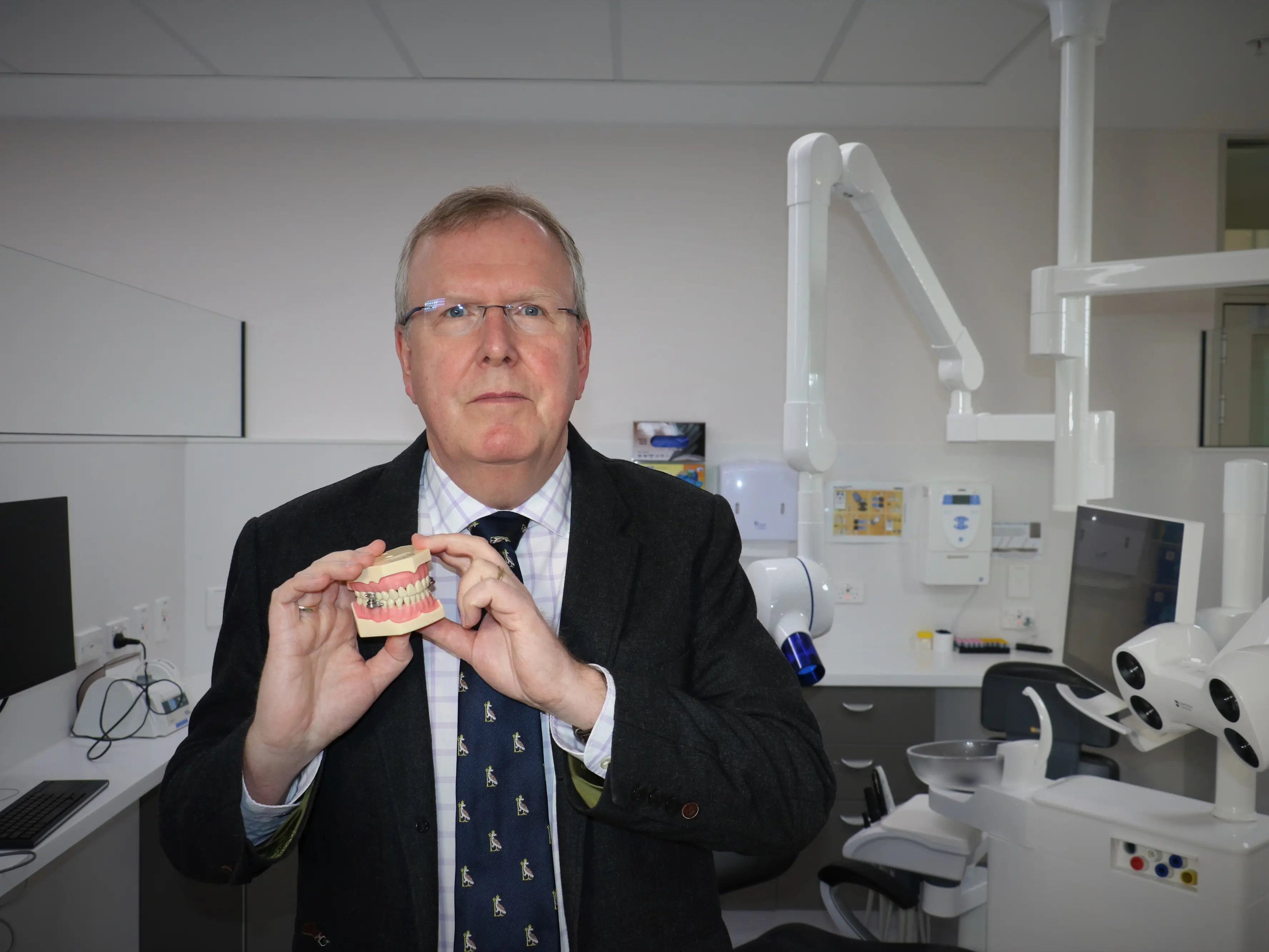
The researcher behind a weight-loss device which has been condemned around the world says his invention has been misunderstood.
Lead researcher and University of Otago health sciences pro-vice-chancellor Paul Brunton said yesterday some of the feedback he had received had been "hurtful", but he did not want to dwell on the negative.
"There has been quite a lot of positive feedback. Unfortunately that has not come to the fore."
The intention of the Dental- Slim Diet Control - which is fitted to the upper and lower back teeth and uses magnets to stop the wearer from opening their mouth past about 2mm, restricting them to a liquid diet - had been misinterpreted, he said.
The device was only intended for use under specific circumstances and strict medical supervision, Prof Brunton said.
It would not be available to anyone as a general weight-loss tool, but would be prescribed by a medical professional.
"I think people have misunderstood, unfortunately, our intention and the nature of the research itself."
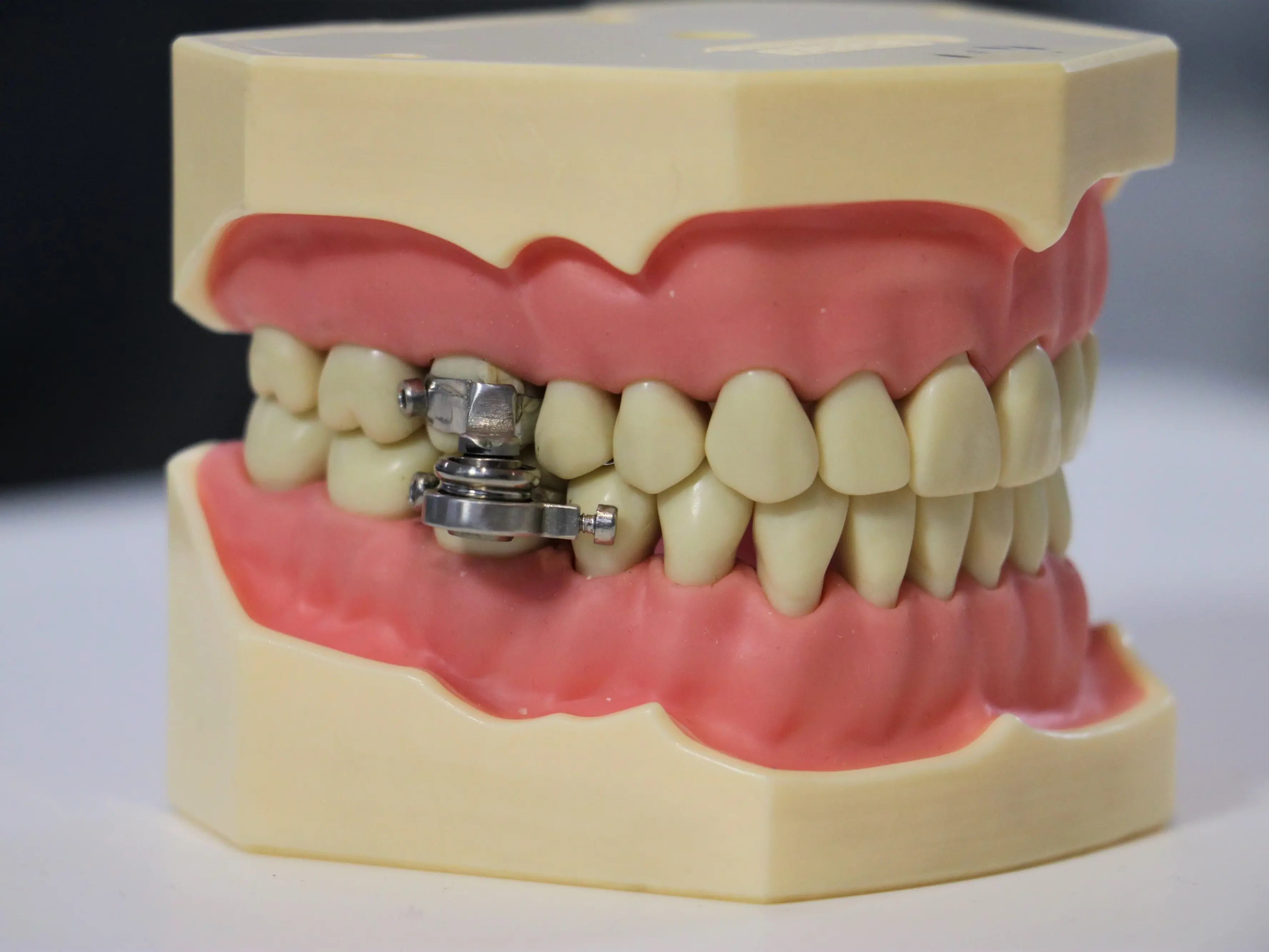
News of the device, developed by University of Otago and United Kingdom researchers, was released earlier this week.
It was described as a "world-first weight-loss device to help fight the global obesity epidemic" and it was noted "participants in a Dunedin-based trial lost an average of 6.36kg in two weeks and were motivated to continue with their weight-loss journey".
It was met with a spate of negative feedback, including in a Washington Post article in which nutrition and eating disorder experts called it "barbaric" and "concerning".
People took to social media comparing it to to the practice of jaw-wiring, which was popular in the 1980s, and calling it a "medieval torture device" and "fat-shaming".
Others raised the issue of damaging people’s relationships with food.
Prof Brunton said use of the device would also be coupled with support and advice from a dietitian, which was what happened during the trial.
"People will not be forced to use it - it’s a choice - and it’s a decision that a person would be able to make for themselves in consultation with medical professionals."
An example of how the device could be used was when severely overweight people were told they could not have surgery until they lost weight.
The pilot study only involved six patients and there would need to be "much more" research before it became available, Prof Brunton said.
When asked if he regretted the way information about the device was communicated, and whether its intended use could have been clearer, Prof Brunton said "hindsight is a wonderful thing".
"I think it just has been misinterpreted."
University of Otago nutrition and diabetes specialist Jim Mann agreed.
"People have clearly not read the paper," Prof Mann said.
He was also disturbed by the "inappropriateness" of some of the comments.
There were "unquestionably" health consequences from obesity, which was driving the diabetes epidemic.
There was evidence of weight loss resulting in remission of diabetes, which was an example of when the device could be used.
When asked about the nutritional risks of a restricted liquid diet, he said the liquid diets available now, compared with many years ago, were well balanced nutritionally.
They were not recommended long-term, but were perfectly nutritionally adequate for a short period.
He said the issue of people’s relationships with food was not something "peculiar" to the device.
"Even if I feel that I want to lose a couple of kilograms, I have to deal with my relationship with food."