
PHOTO
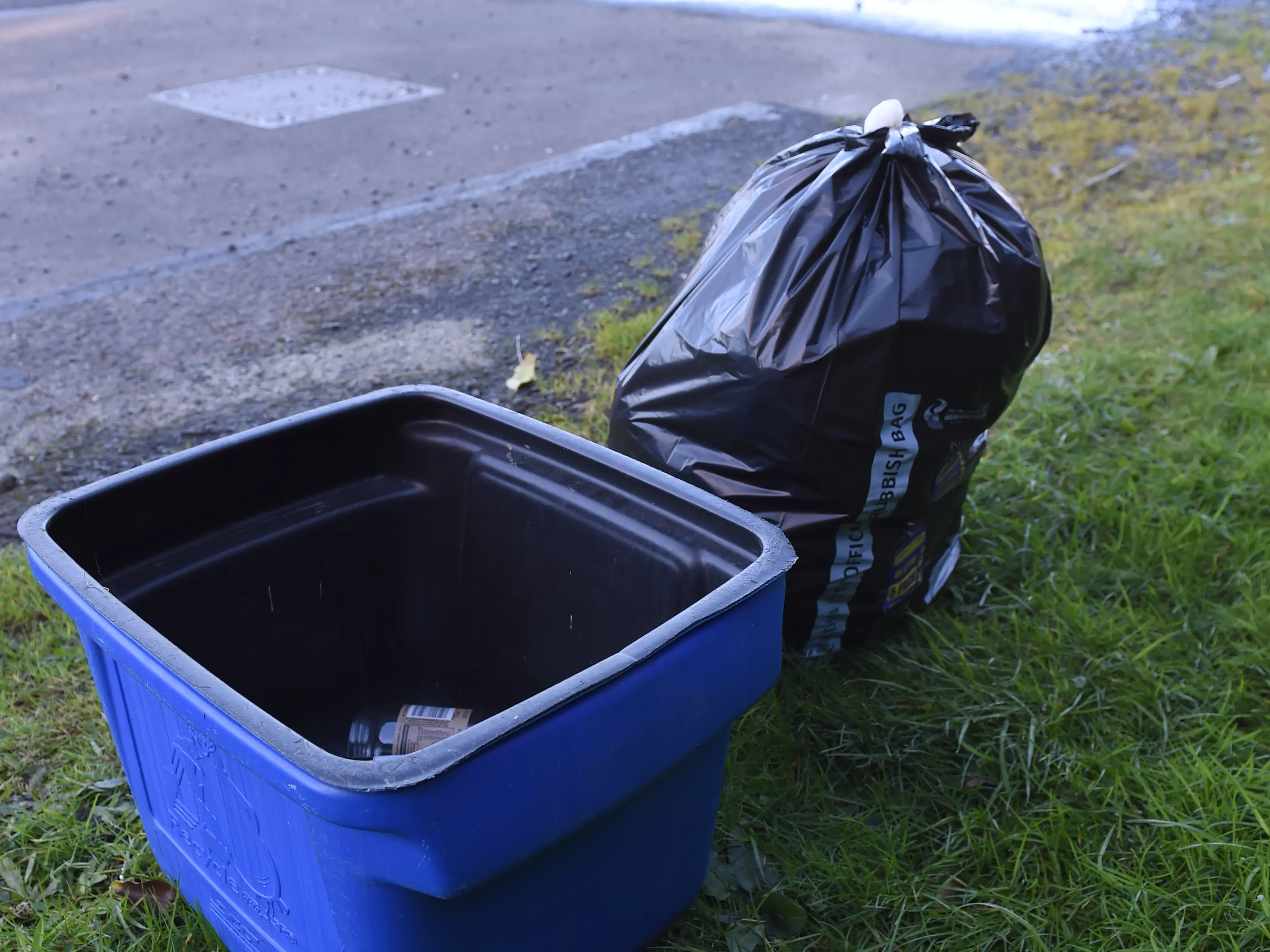
Change is coming for Dunedin's kerbside collection system, as the city considers whether to switch to a wheelie bin service for rubbish and organic waste.
The Dunedin City Council has been studying possible changes to its kerbside collection system as part of its Waste Futures project, launched in 2018.
A report to the council's infrastructure services and networks committee last week updated city councillors by outlining two shortlisted options for the new service - both involving change.
Under the first, a new wheelie bin for household rubbish would replace the black rubbish bag.
In the second, as well as the new rubbish wheelie bin, there would also be a separate wheelie bin for organic waste.
The existing blue bins for glass and yellow wheelie bins for other forms of mixed recycling would remain under both new options.
The report, by council waste and environmental solutions group manager Chris Henderson, said neither option was funded, and costs would need to be recovered. Options for still being investigated.
The shortlisted options would be the subject of initial public ''engagement'' alongside next year's annual plan consultation.
A preferred option was expected to be recommended in time for full public consultation as part of 10-year plan hearings in 2021.
The city's existing rubbish and recycling collection system was introduced in 2011.
User-pays black bags for rubbish were retained, but a 2018 waste assessment found most homes now used wheelie bins from private companies for their general waste, while only 18% used the council's bag service.
The concern was the larger 240-litre rubbish wheelie bins offered by the private sector did not encourage recycling, but rubbish bags were now also considered a health and safety risk by contractors, Mr Henderson said.
''Some contractors are now declining to take on new contracts that involve the wide scale collection of rubbish bags,'' he said.
The DCC had originally included a ''status quo'' option, retaining the existing service, as one of three options for the future of kerbside collection in the city, he said.
However, that option had been considered ''unsustainable in the long term'' and eliminated, in part because of the health and safety concerns, he said.
The demand for an organic waste collection service was also identified in the waste survey, which found on average 40% of the contents of council rubbish bags was organic material.
A report on funding mechanisms was also expected to be presented to councillors next year, ahead of a final decision in 2021, he said.
The new service would be part of a broader move towards a ''circular economy'', which focused more on the need to reuse materials and minimise waste.
That was expected to deliver a 27% reduction in waste to landfill and a 24% reduction in carbon emissions.
The latest step towards a new service came weeks after the council voted to join other centres in declaring a climate emergency and to bring forward its net-zero carbon goal from 2050 to 2030.