
PHOTO
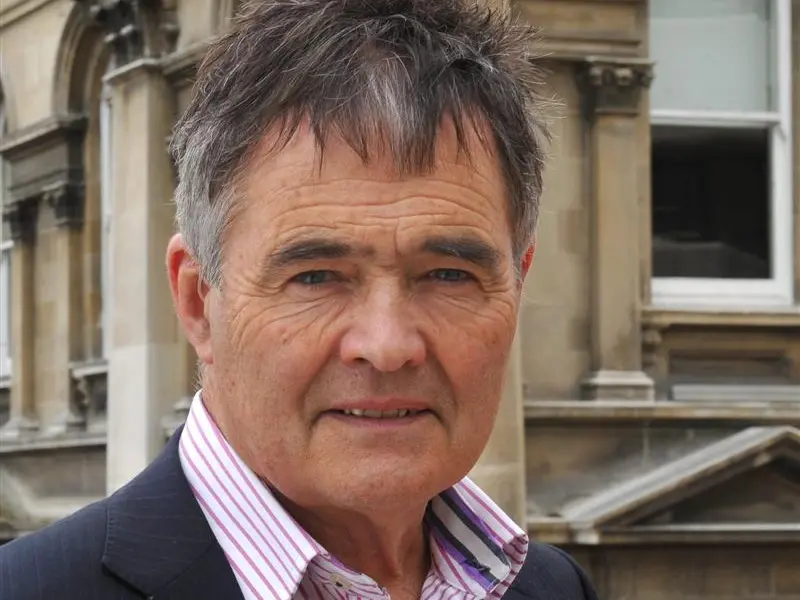
Dunedin faces a 7.3% rates rise as the Dunedin City Council eyes a decade of increased investment, but Mayor Dave Cull says it is essential for the city to keep riding a wave of activity.
Mr Cull was commenting before today's start of public consultation on the council's latest 10-year plan, which outlined proposed spending for the decade to 2028.
It detailed an ambitious plan to spend $614 million replacing stormwater pipes and other key pieces of city infrastructure, and a further $100 million on big-ticket projects such as a waterfront bridge and central-city upgrade.
Mr Cull said the city had slipped behind slightly in infrastructure renewals and needed to ''catch up''.
But the council and its ratepayers also needed to be ''ambitious'' and continue to invest, if the city was to compete with other centres and attract new residents, businesses and other benefits, he believed.
''It's like surfing. You can't afford to let the wave get past you or you just get left behind.
''You've got to ride it, and that takes some effort and some investment in this case.''
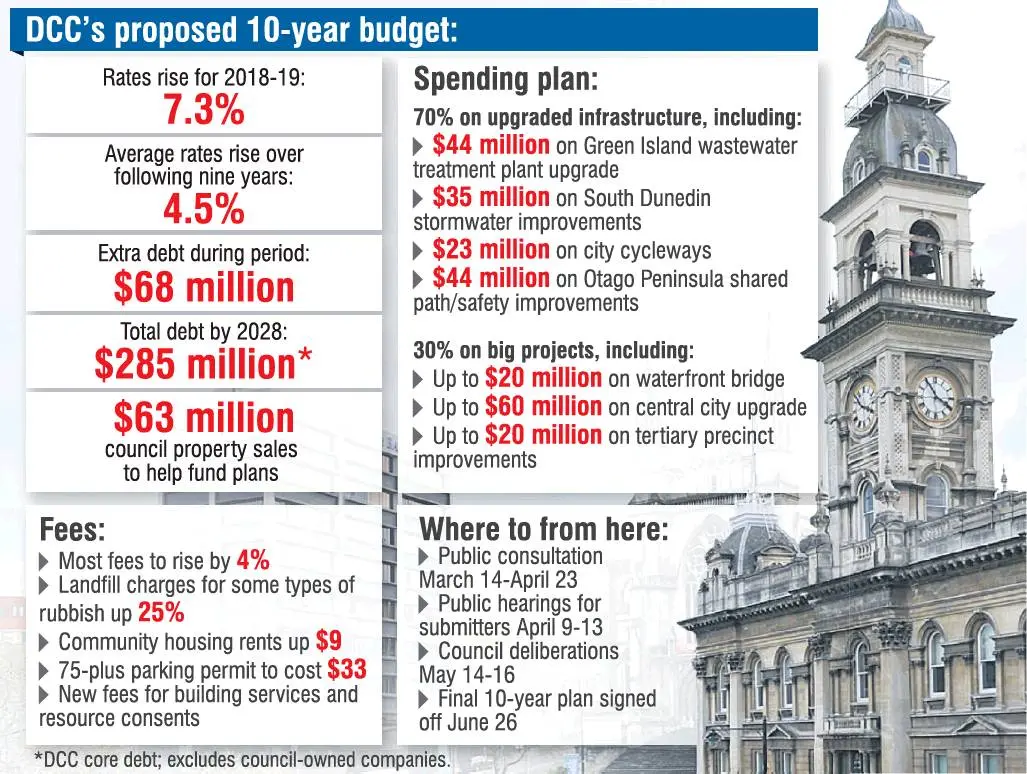
The council had come out of a period of austerity, during which rates increases were limited to 3% and spending was cut, as the focus shifted to driving core council debt down below $230 million.
That had created some headroom in the council's budget, and the city was better positioned to afford more spending, as the number of jobs and businesses in the city grew, he believed.
''To that extent, it is more affordable, but I'm acutely conscious that for a lot of ratepayers on fixed incomes, this is hard.
''But we've got to balance up the benefits or the need to invest in our future with the cost today. If we don't go down this road, we effectively don't maintain the momentum that we've built up as a city.''
Public consultation on the draft document, which is being sent to ratepayers, would run until April 23.
And, in a break from tradition, public hearings giving submitters a chance to have their say in person would be held part-way through the consultation period, from April 9-13.
Submitters would be able to comment on a series of big-ticket items included in the plan, from a $44 million wastewater treatment plant upgrade at Green Island to $60 million worth of central-city improvements.
Another $35 million was included for South Dunedin storm water improvements, as was $20 million for an architectural bridge to the city's waterfront.
Rates would rise by 7.3% in the 2018-19 year, by 5% the following year, and by 4.5% each year until 2027, when the increases would drop to 4%.
At the same time, core council debt - excluding companies - was forecast to climb from just over $200 million now to $285 million by 2028.
Mr Cull said the budget would allow the council to tackle the big challenges confronting it over the next decade, chief among them being the sheer pace of climate change and its impacts.
''Confronting climate change is becoming business as usual,'' he said.
''I think one of the big risks facing us, right around the country, is just how fast things will change. And we will have to respond to it.''
The city was ''just buzzing'' but he encouraged people to have their say on how best to maintain momentum.
''We want to hear what they say.''