
PHOTO
A 700m stretch of Dunedin’s main beach will be closed for two months in the lead-up to Christmas in a bid to tackle damaging erosion.
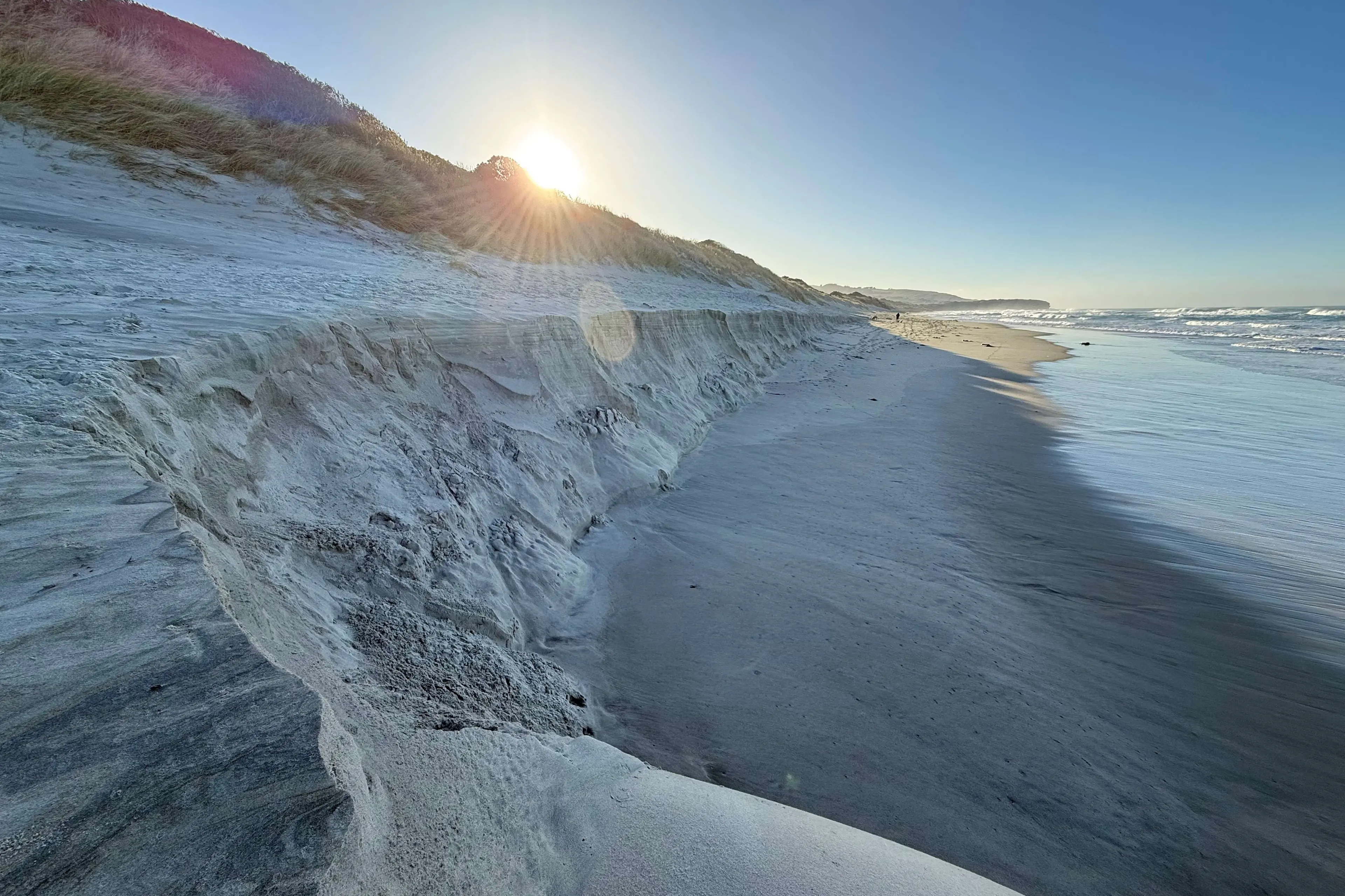
The geobag work comes as sand dunes shrunk by winter storms threaten to uncover buried contaminated material from the former Kettle Park landfill beside St Kilda beach.
An initial investigation in 2023 found the waste in the landfill, which operated from 1900 to the 1950s, contained asbestos, old gasworks waste and demolition waste too hazardous to be disposed of in municipal landfills.
It could even contain munitions and unexploded ordnance from a former army camp to the north of Kettle Park.
Dunedin City Council coastal specialist Dr Raphael Krier-Mariani said buried contaminated material was as close as 4m to the dune face, highlighting the increasing risk of contaminant exposure.
In response, temporary geobag structures would be installed to stabilise the dune system in front of Kettle Park, Dr Krier-Mariani said in a statement.
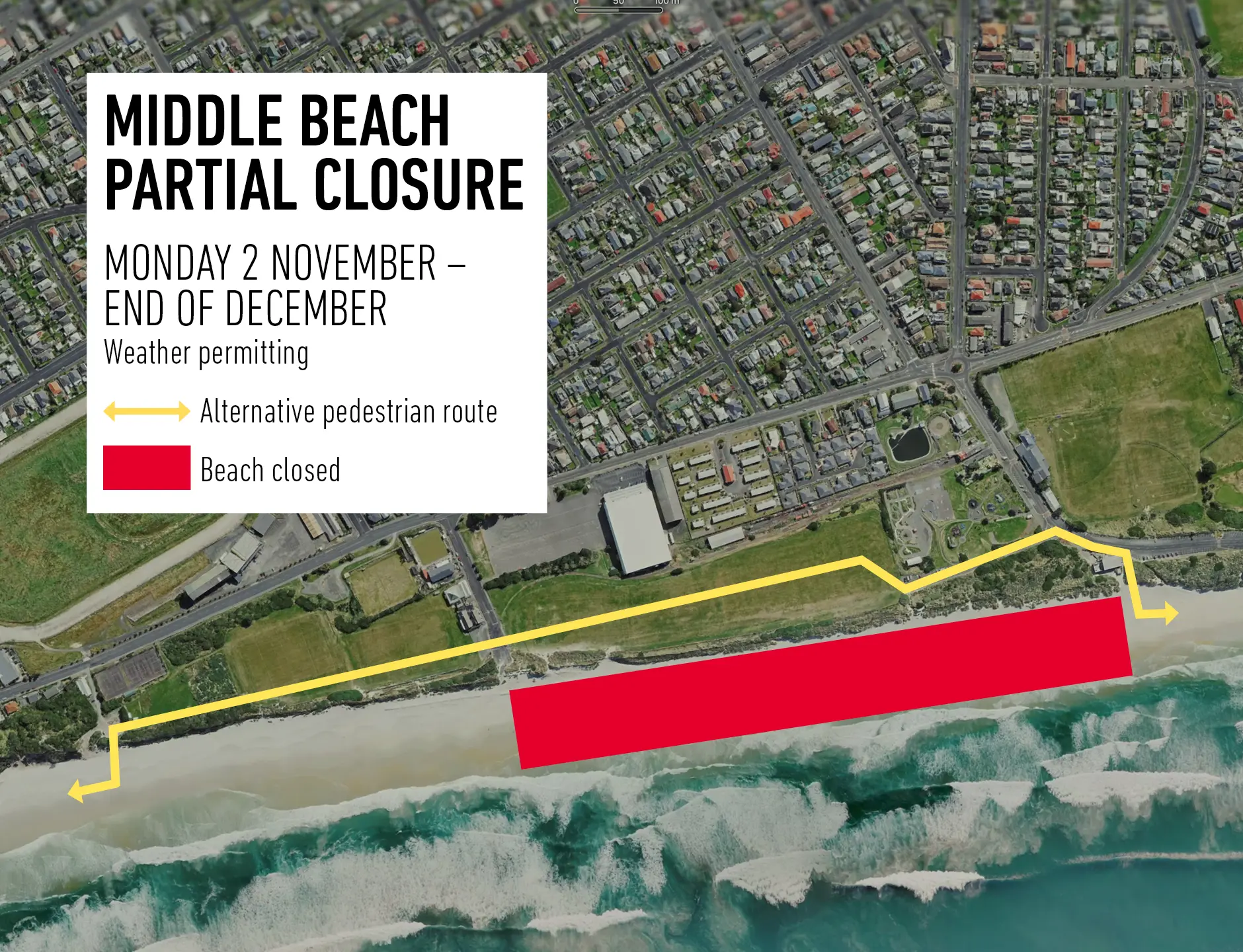
The $750,000 works are scheduled to start in the first week of November and be completed by the end of December, depending on potential weather-related delays.
Public access to the beach would be restricted during the work with a 700m stretch of sand between St Kilda and Middle beaches off limits.
The works would involve extending the existing geobag structure about 150m eastward with fourteen 20m-long bags and will be undertaken as emergency works due to the extent of recent erosion and the increased vulnerability of the landfill to further erosion during next winter’s storms, he said.
Geobags were last placed at Kettle Park landfill two years ago to stabilise the most exposed areas of the landfill.
This current work would address previously unprotected areas of the landfill, ensuring protection from weather in 2027.
Long-term remediation options for Kettle Park will be presented to Council in the next few months, alongside the broader coastal management strategy for Saint Clair–Saint Kilda.
- Allied Media