
PHOTO
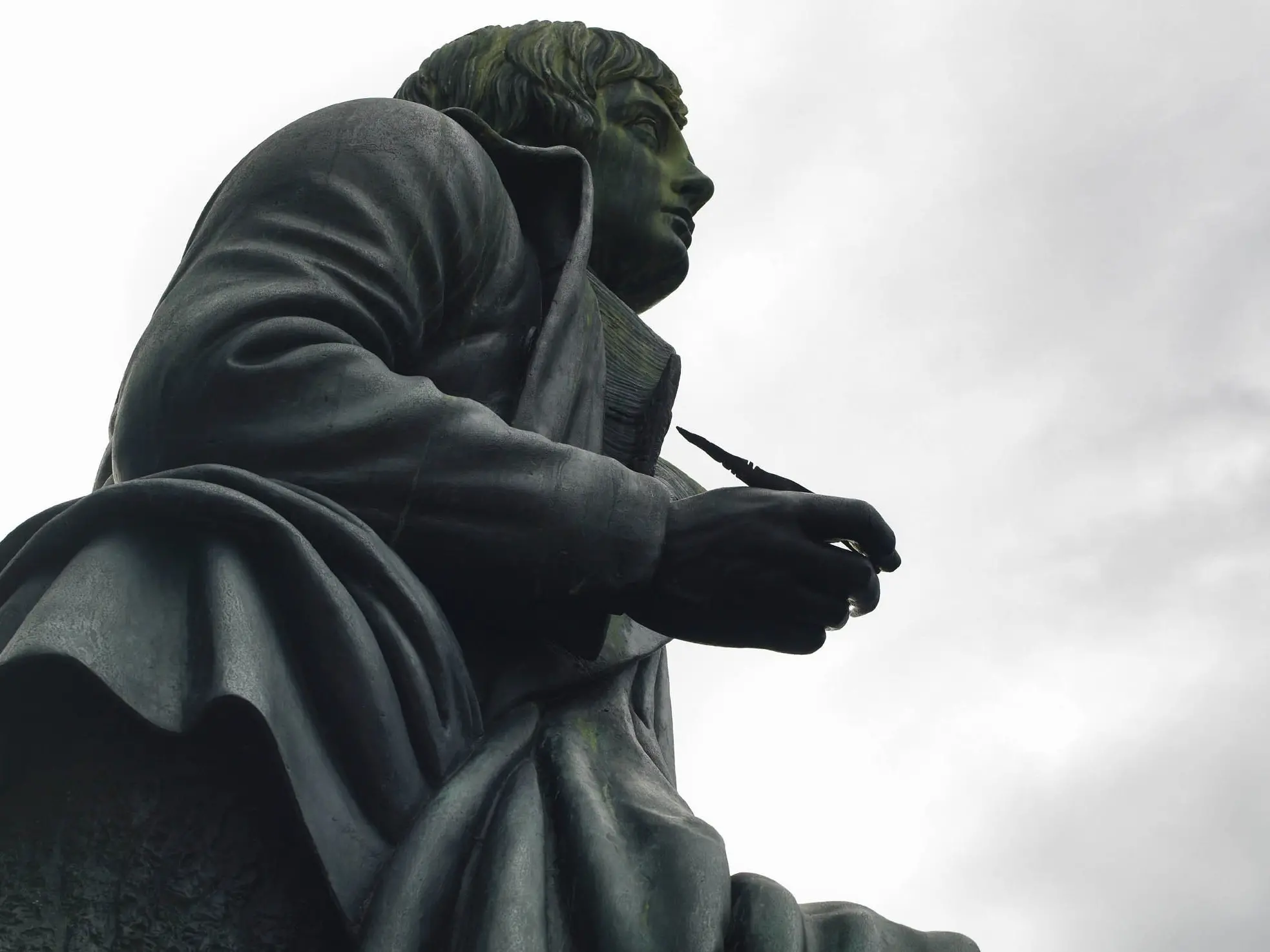
Dunedin statues and street names depicting historical figures with problematic pasts are unlikely to be scrapped.
Protests about systemic racism around the world following the death of American man George Floyd have recently focused on statues and other public references to people with colonialist or racist backgrounds.
The Hamilton City Council yesterday removed a statue of colonialist Captain John Fane Charles Hamilton at the request of Waikato-Tainui.
But Te Runanga o Otakou kaumatua Edward Ellison said he saw no particular issue with any statues in Dunedin.
"Our focus is on developing our own narratives and seeing artworks that convey our stories, place names and associations, an area that has been neglected, we would suggest, for a long time.
"So while I welcome the discussion on the issue of racism and its negative legacy, how we might deal with the physical reminders, I am less focused on compared to seeing our stories being seen and told."
A statue of Queen Victoria in Dunedin’s Queens Gardens was spraypainted with the words "Return stolen wealth Charles" and "Uphold Te Tiriti" last year.
There is also a statue of poet Robbie Burns in the Octagon.
Critics of Burns have alleged he planned to make his fortune in the slave trade before his early death.
There have been calls in Edinburgh, Scotland, and Toronto, Canada, to rename streets named after Henry Dundas, 1st Vicount Melville.
In Edinburgh, a descendant of Lord Melville reportedly urged the city council to make changes to a statue, asking that a plaque explaining his ancestor’s racist history be put in place.
Lord Melville, a Scottish politician in the late 18th century, was known for delaying the abolition of slavery in the British Empire by 15 years.
There is a Dundas St in north Dunedin.
Dunedin City Council parks and recreation group manager Robert West said he was not aware of any complaints about statues in the city, and there were no plans to review them.
Mayor Aaron Hawkins said he wanted the issue to be iwi-led.
"It’s not for me to decide what is or isn’t harmful or hurtful," he said.
He also believed that there needed to be a "national conversation", rather than council making ad hoc decisions.
Toitu Otago Settlers Museum curator Sean Brosnahan said if statues were offered to the museum, they would be assessed like any other donation — "against our established collecting criteria and taking into consideration their historical significance, potential display and/or reference value, as well as ... how it would impact on our limited resources for ongoing care, etc".
A Queenstown Lakes District Council spokesman said there had not been any complaints about statues or street names in the district and there were
"no plans to review or remove any."